
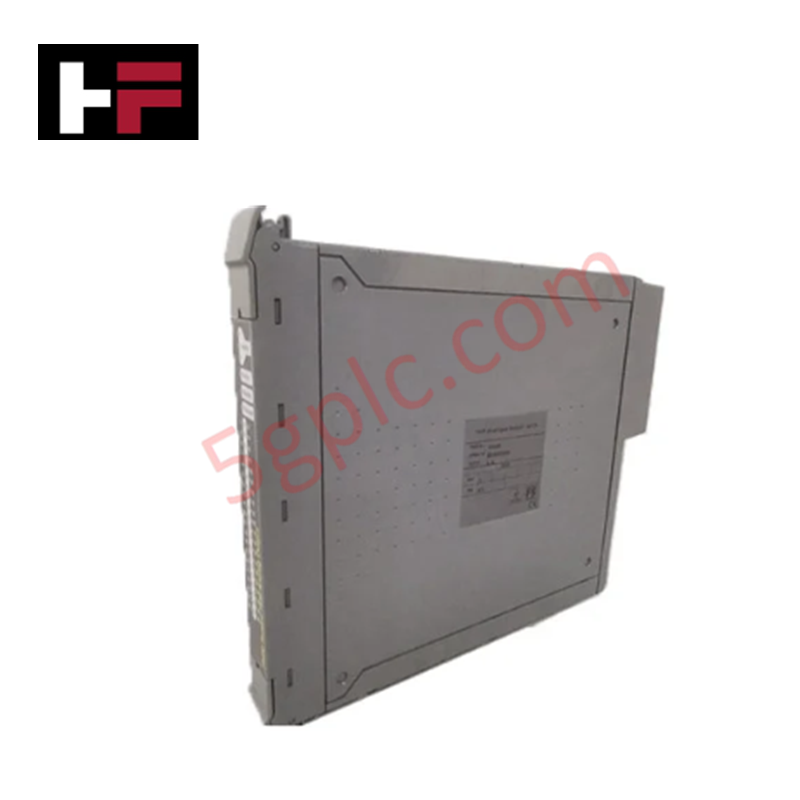
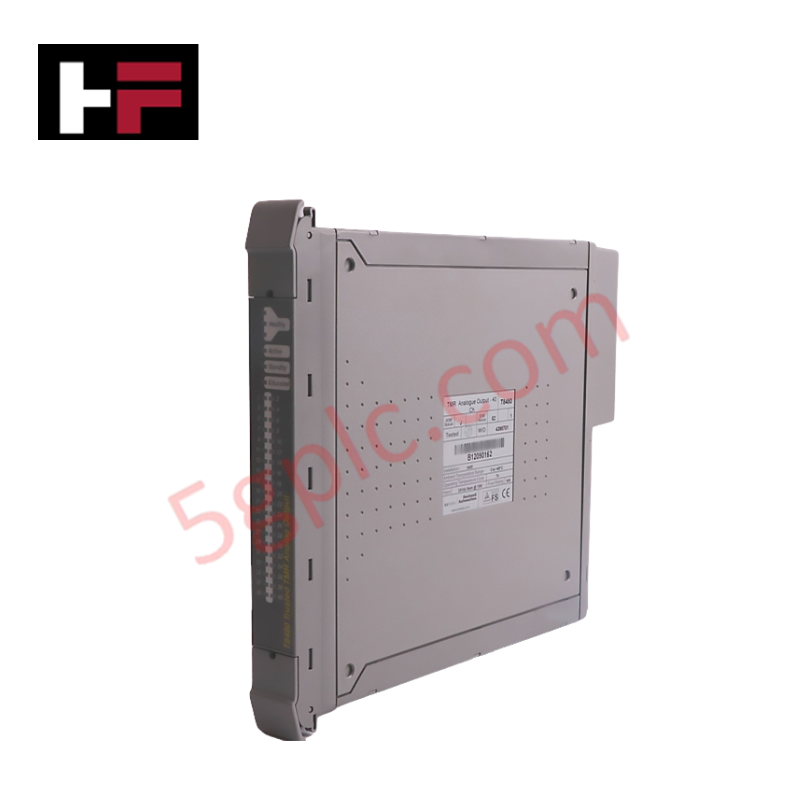
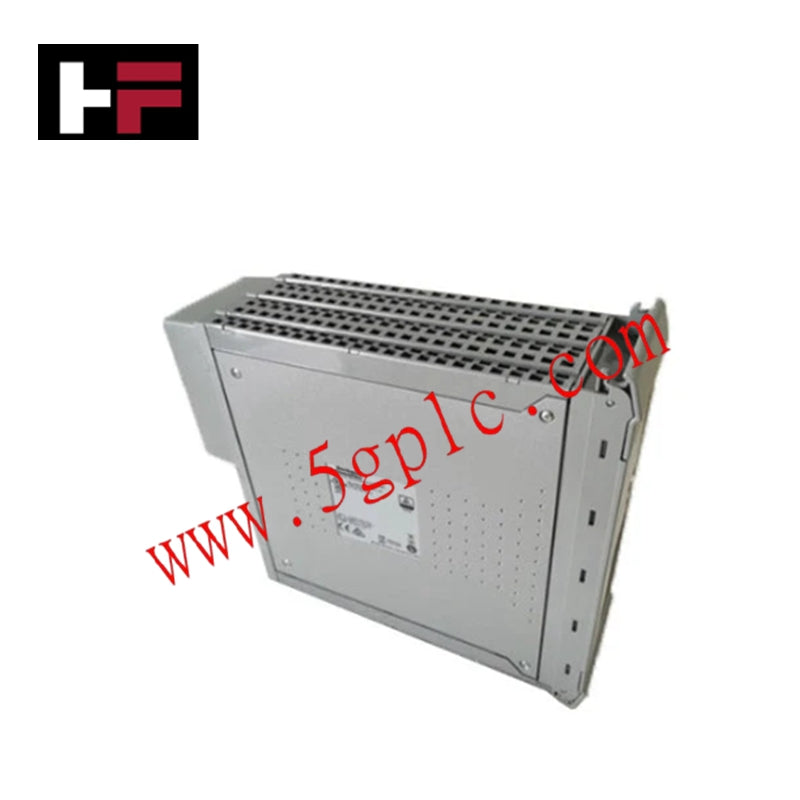
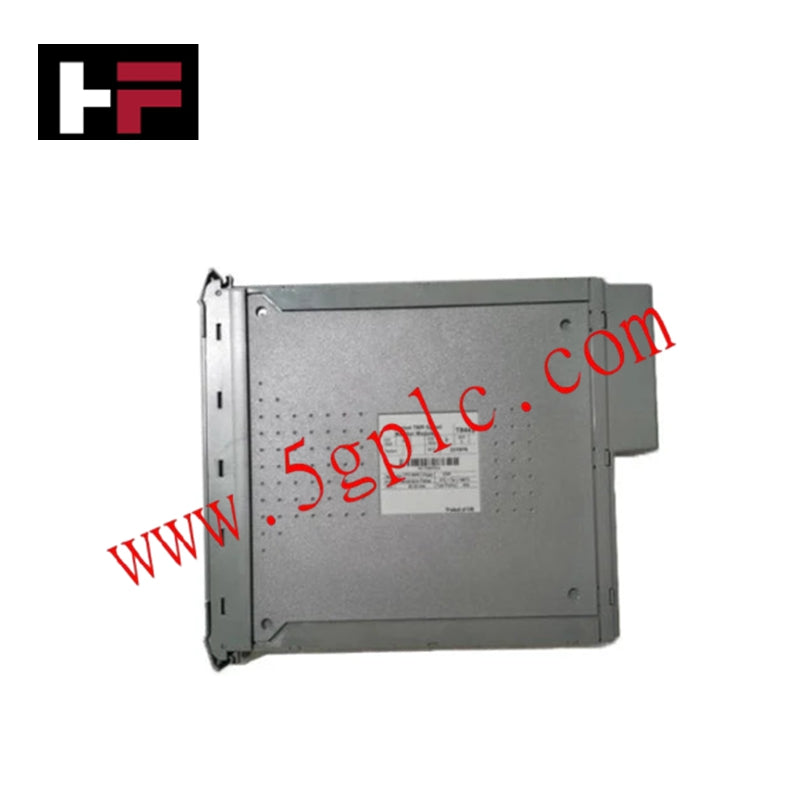
Product Details
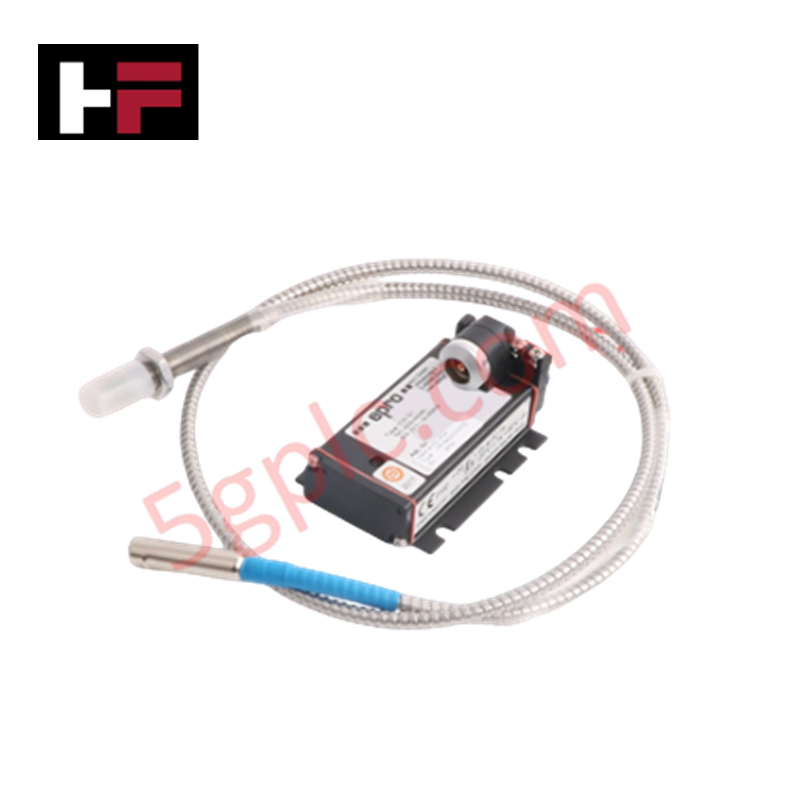
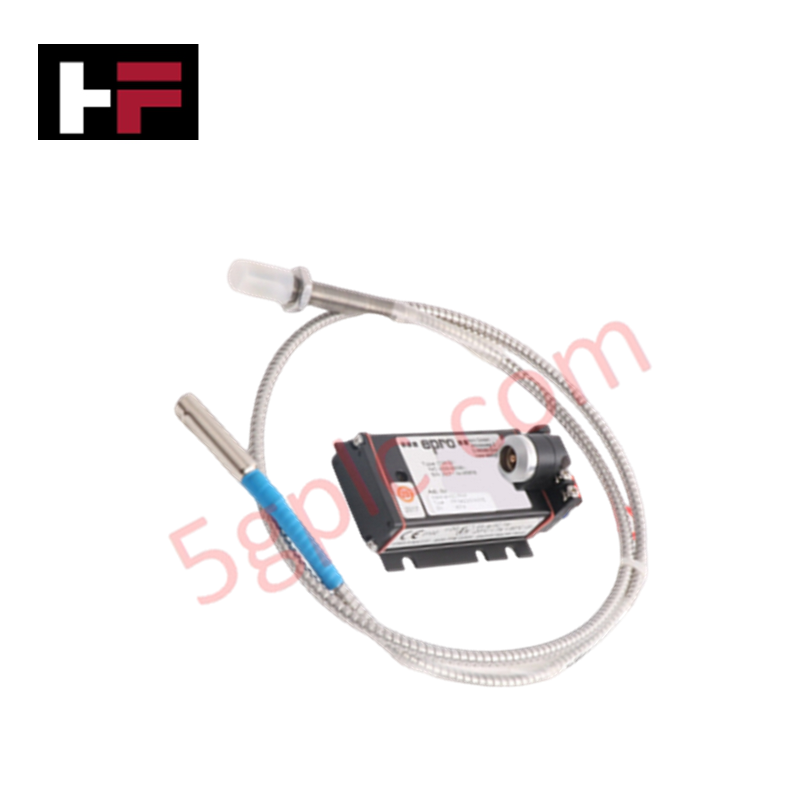
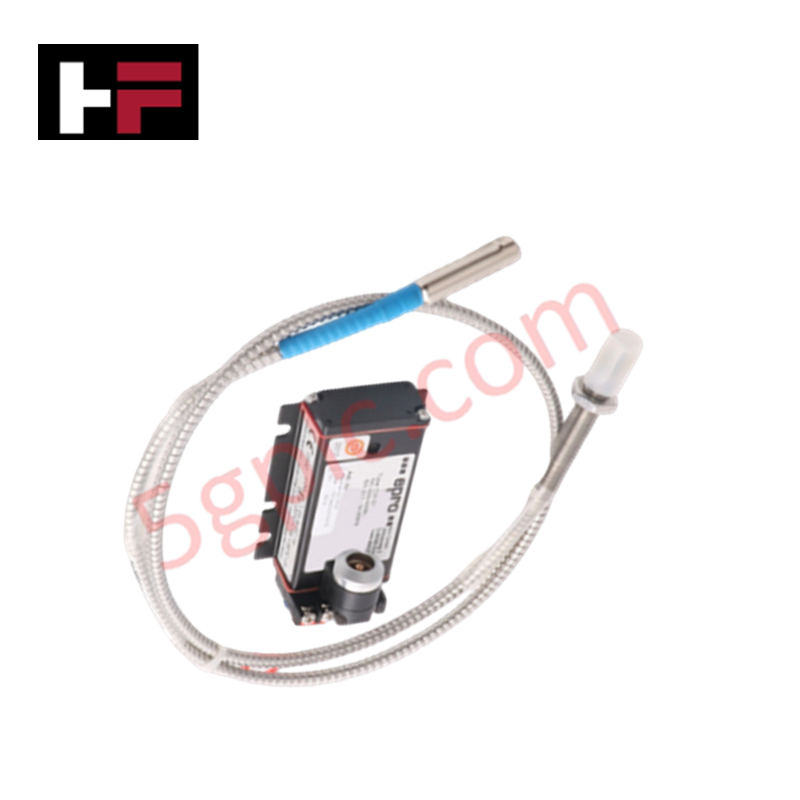
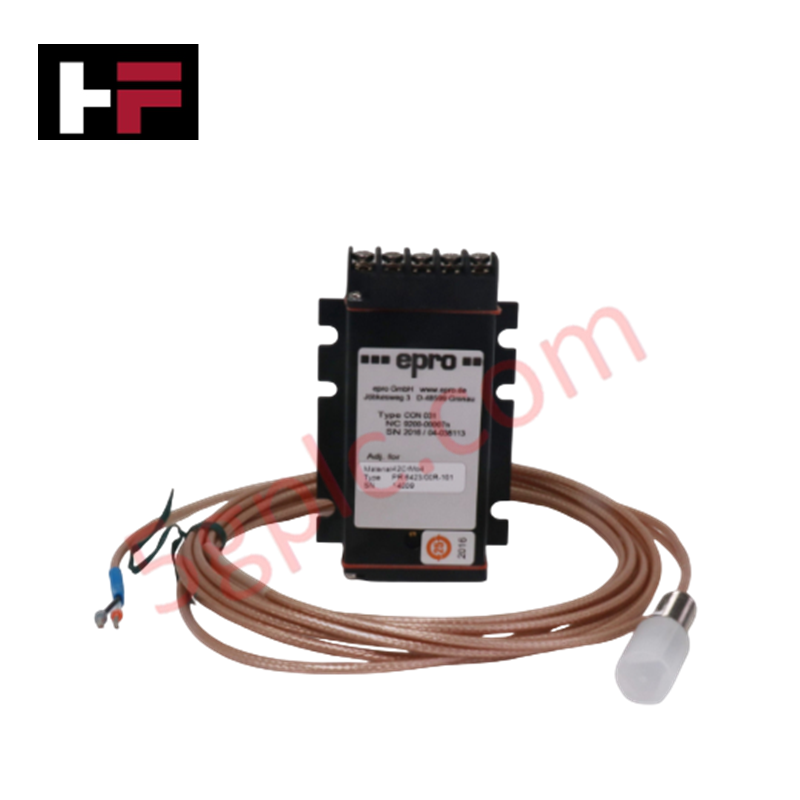
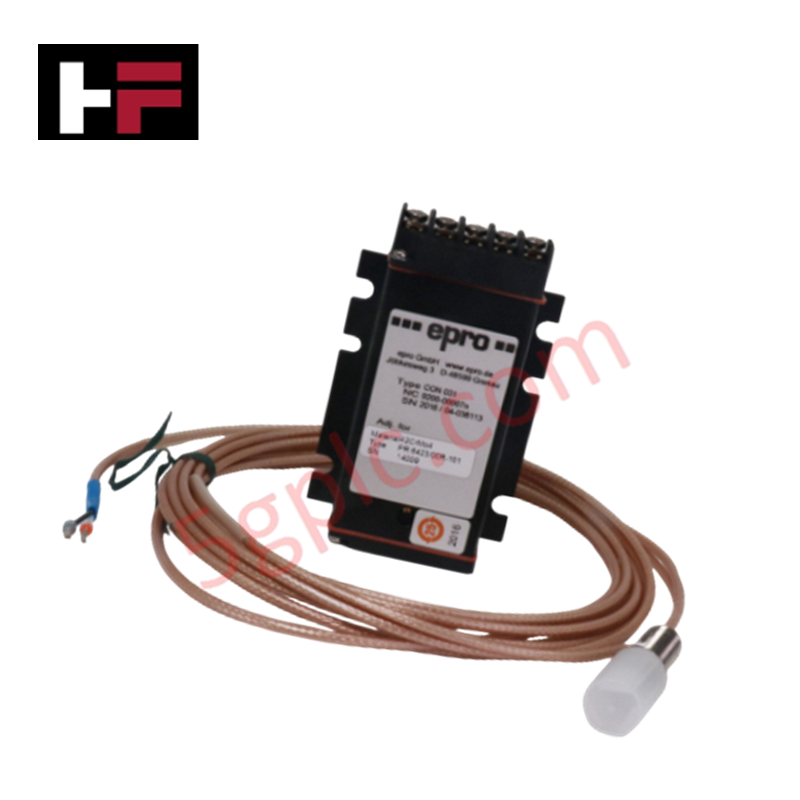
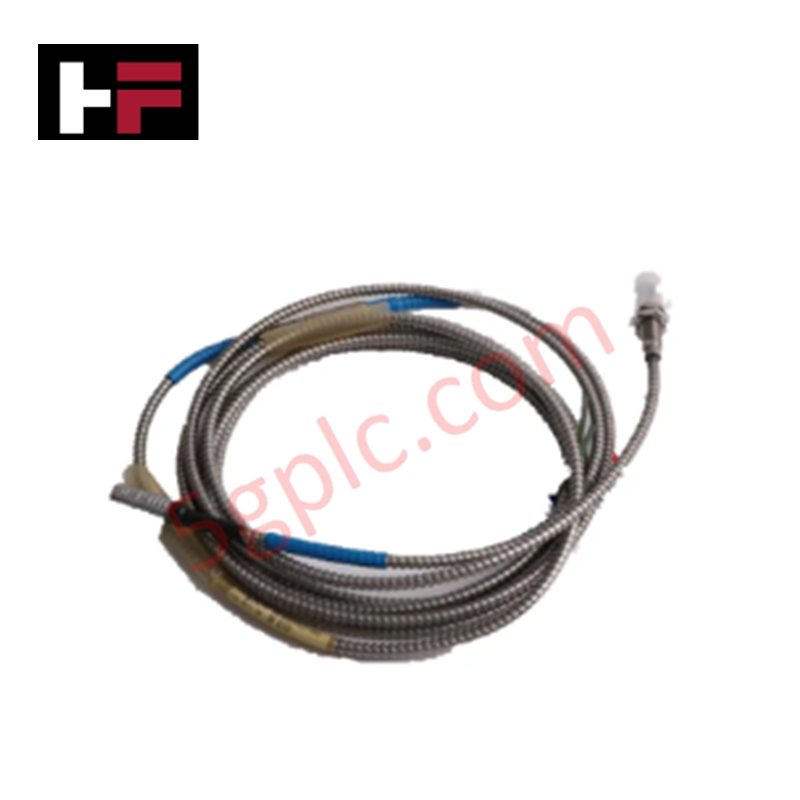
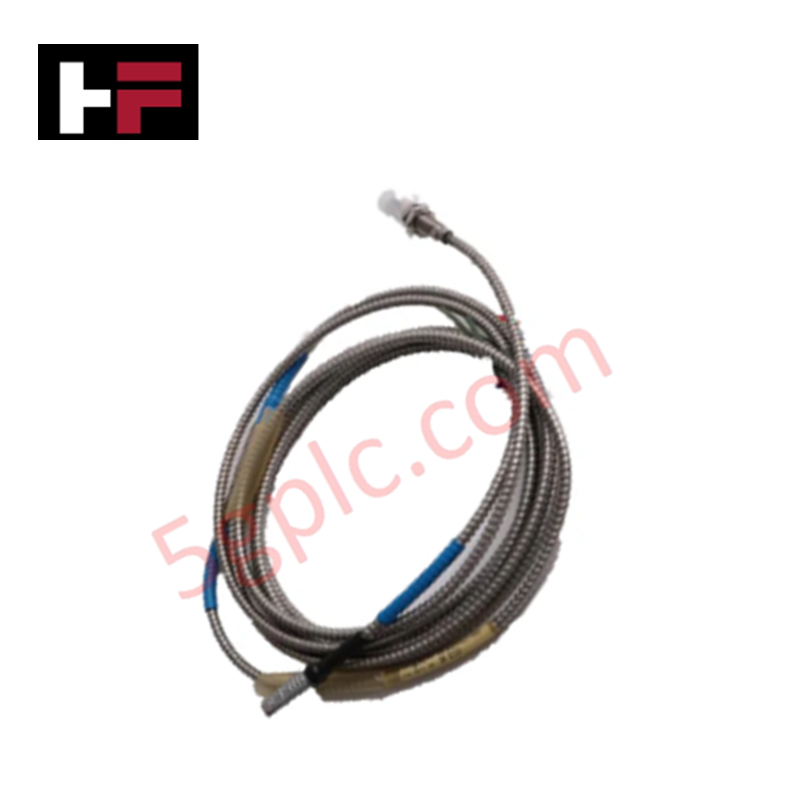
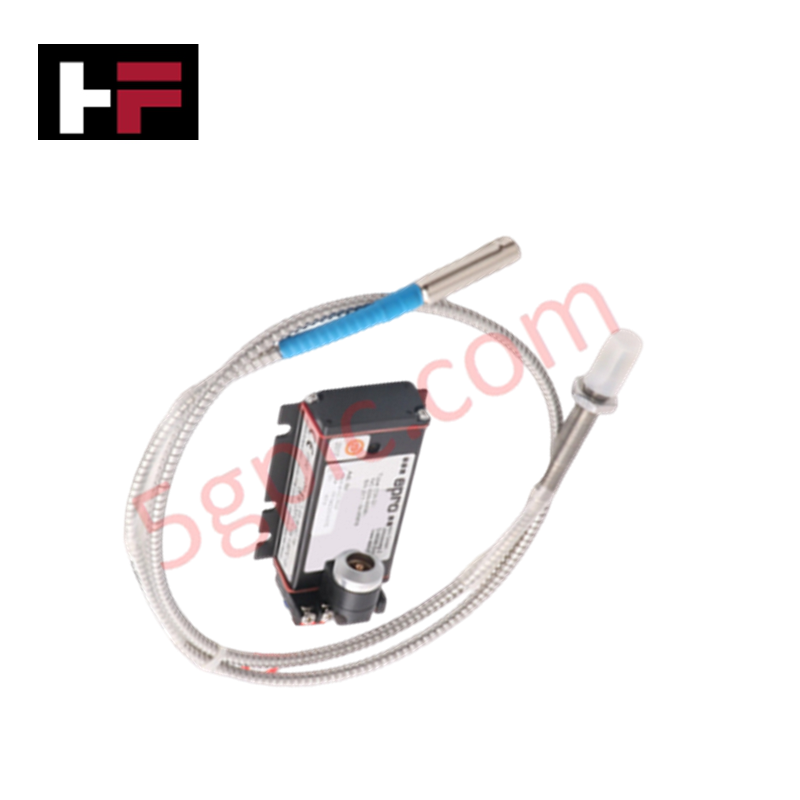
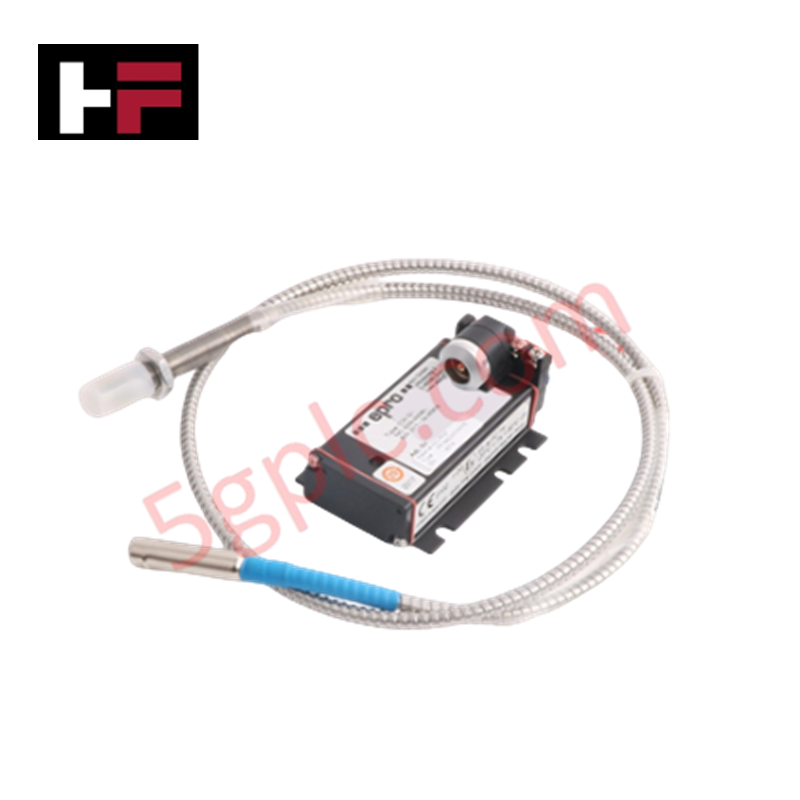
Configured for non-contact shaft vibration and displacement monitoring in turbomachinery protection platforms, the EMERSON PR6423/013-000 CON021 (PR6423 Eddy Current Sensor) provides direct physical/electrical execution.
Hardware Specifications
| Parameter | Specification |
|---|---|
| Model | PR6423/013-000 CON021 |
| Brand | EMERSON (Epro) |
| Origin | Germany / USA |
| Weight | 0.38 kg |
| Dimensions | Standard M10 thread body / 8 mm tip diameter |
| Operating Temp | -35 deg C to +180 deg C (Sensor Tip) |
| Power Consumption | Loop powered via CON021 signal converter / transmitter |
| Measurement Principle | High-frequency non-contact eddy current induction |
| Signal Output Interface | CON021 robust coaxial connector assembly |
Eddy-Current Probe Scaling & Signal Calibration
The PR6423 sensor utilizes high-frequency electromagnetic field induction to detect target shaft position and dynamic displacement changes. Operational accuracy relies upon strict eddy-current probe scaling, where physical target distance correlates directly to normalized voltage output across the driver stage. Validation requires precise gap voltage calibration to establish the nominal target operational point (typically set within -10 VDC bias limits depending on transmitter configuration). Signal path design provides cross-talk suppression during multi-axis sensor arrangements on high-speed rotor dynamics setups, preventing inter-channel interference across adjacent radial or axial probe assemblies.
Frequently Asked Questions
Q: What precautions must be taken regarding the CON021 connector assembly during physical installation?
A: The CON021 connector interface must remain free from conductive particulates and moisture. Tightening torque must adhere to vendor limits to prevent internal wire strain, and proper cable restraint must be provided to prevent fatigue failure caused by machine vibration.
Q: Can the PR6423 probe cable be lengthened or spliced directly in the field?
A: Direct cutting or field splicing is prohibited. The total probe and extension cable length form a tuned resonant LC circuit; altering cable length shifts oscillator frequency and corrupts system calibration.
Field Installation Guidelines
- Ensure target surface maintains adequate counter-bore side clearance to eliminate stray metal proximity interference affecting probe scaling.
- Set physical probe gap using precision feeler gauges or by monitoring transmitter output voltage until the nominal gap voltage (-10 VDC target baseline) is achieved.
- Route sensor cabling through dedicated flexible metallic conduit away from high-voltage AC lines to prevent induced signal distortion.
- Apply thread locking fluid or tighten locknuts to specified mechanical torque limits to prevent installation drift under continuous machine vibration.
Additional Information
- 100% Genuine Parts: All products are original and authentic, ensuring reliable industrial performance.
- 30-Day Refund Guarantee: Return any in-stock item within 30 days in original, unopened packaging for a full refund (excluding shipping and fees).
- 12-Month Warranty: Covers defects in materials or workmanship; excludes misuse, normal wear, or unauthorized modifications.
- Worldwide Shipping: We ship via USPS, UPS, FedEx, and DHL. Delivery times vary by country and may be subject to customs or import fees.
- Support & Contact: Technical and warranty assistance is available anytime. Contact us here: Contact.
- Purchase Guidance: Check product specifications and compatibility carefully before ordering to ensure proper application.




Tech & Buying Guide

Understanding Instrumentation Control Systems in Modern Industrial Automation
An instrumentation control system (ICS) serves as the central nervous system of modern manufacturing plants and processing facilities. Engineers classify these setups as Electrical, Electronic, or Programmable Electronic Systems (E/E/PES). In practice, an ICS bridges the physical world of industrial machinery with digital decision-making tools. Therefore, understanding its architecture is essential for anyone working in factory automation, process control, or plant safety.

Mastering Electrical Grounding Fundamentals in Industrial Automation and Control Systems
Electrical grounding is a complex engineering discipline. It requires deep knowledge of soil composition and conductor materials. National Electrical Code (NEC) Article 250 outlines these requirements clearly. Many engineers confuse grounding, earthing, and bonding. Grounding connects circuits to a common reference point. Earthing specifically links equipment directly to the planet. Bonding permanently joins metallic parts to ensure electrical continuity.

Architectural Blueprint of Industrial Automation and Control Systems (IACS): Standards, Safety, and Remote Operations
According to IEC 62443, Industrial Automation and Control Systems (IACS) integrate personnel, hardware, and software. These components collectively influence the safety and reliability of any industrial process. Modern control systems allow extensive remote monitoring and operation. However, enabling remote capabilities introduces complex cybersecurity challenges. Therefore, facility operators must evaluate system functions carefully before expanding connectivity.