










Product Details
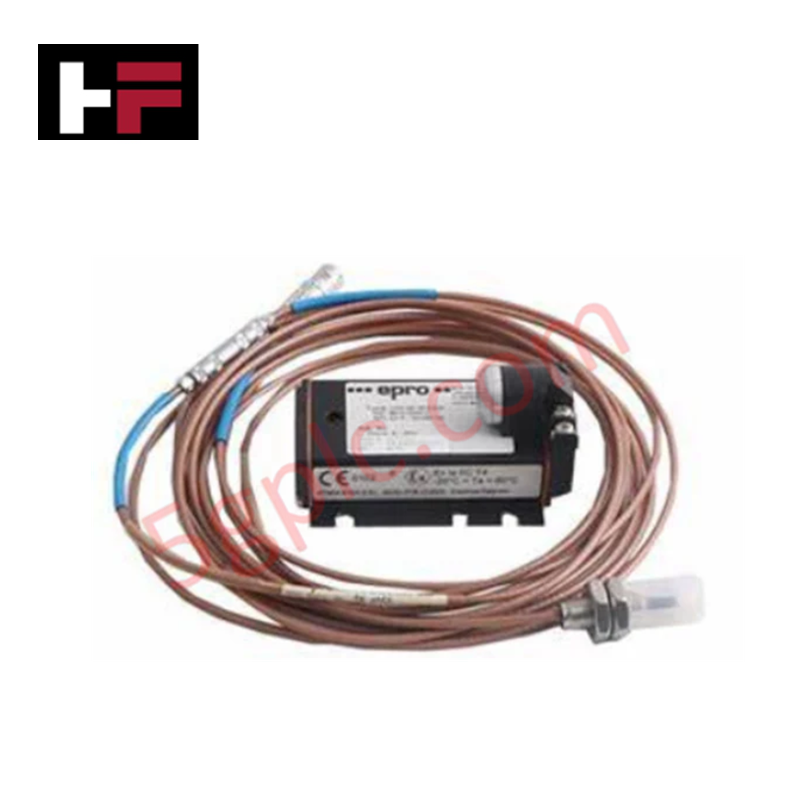
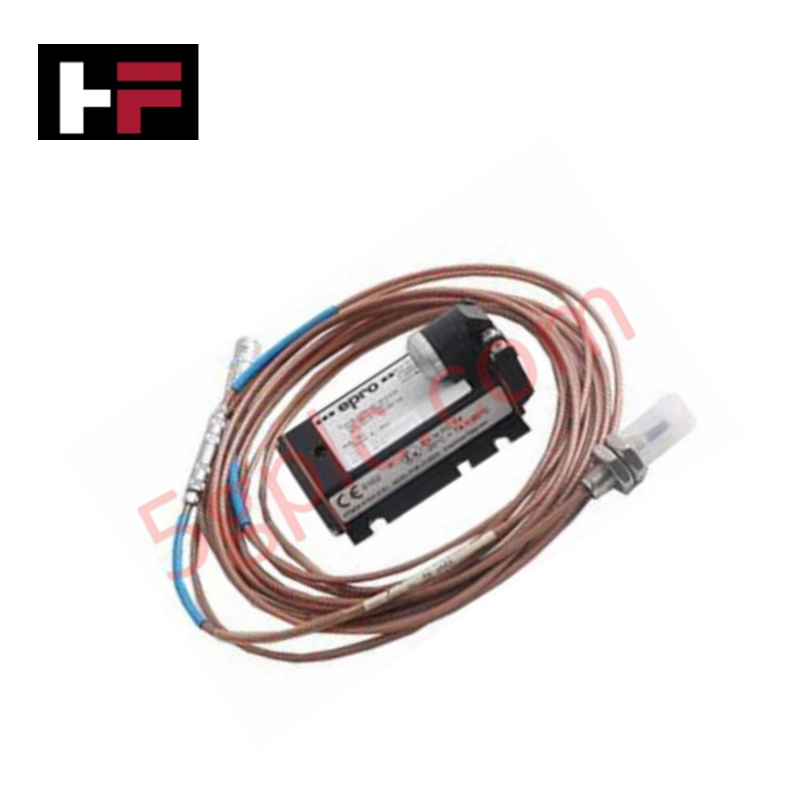
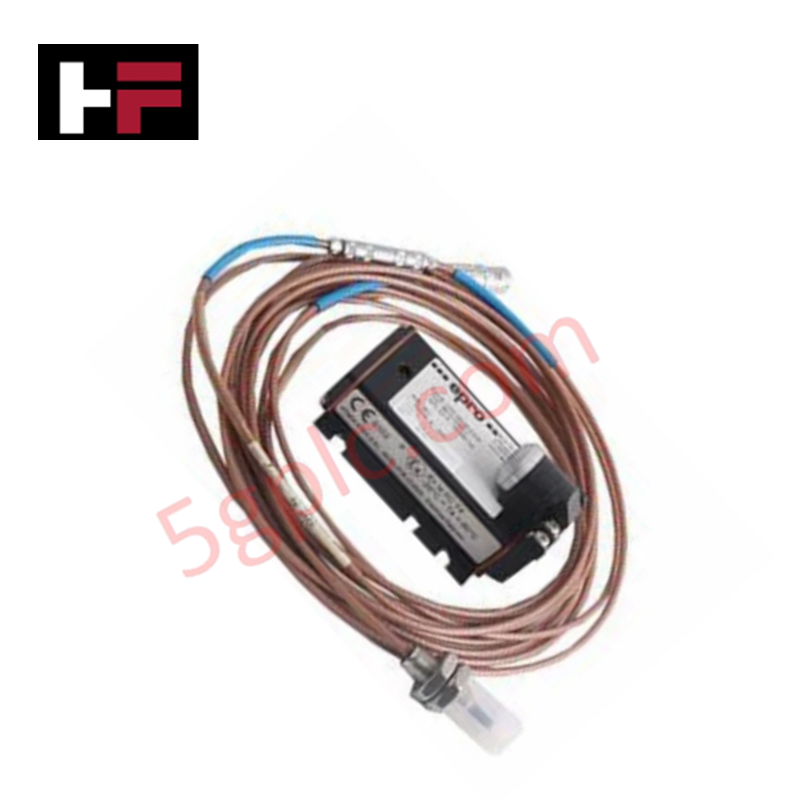
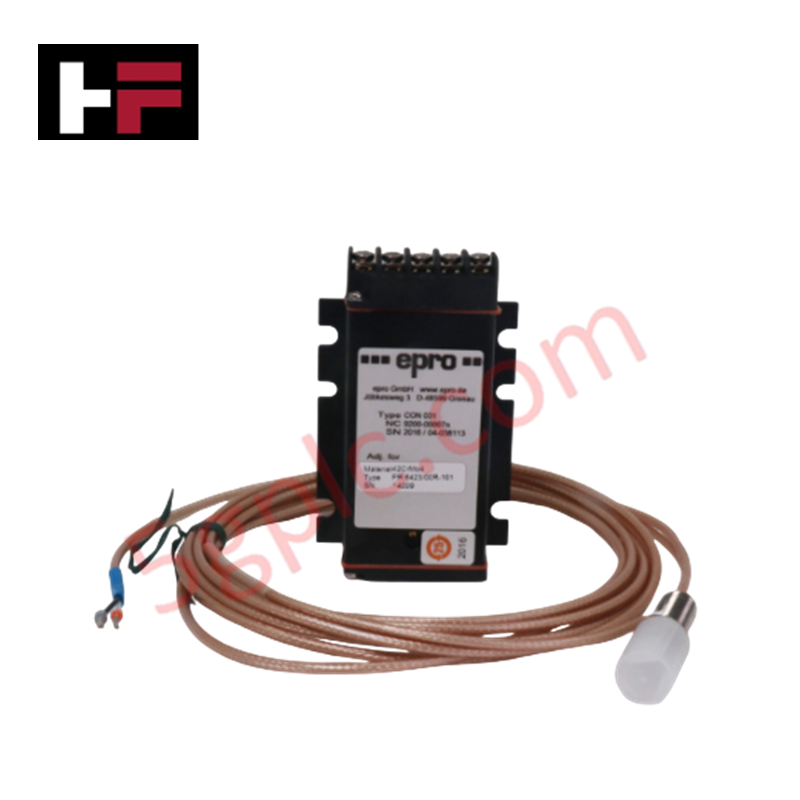
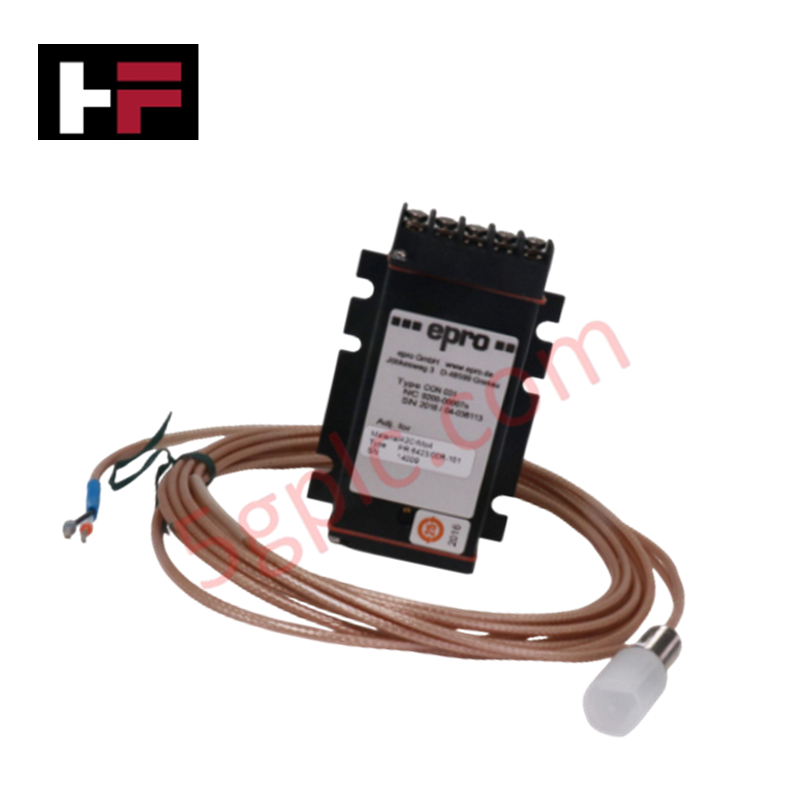
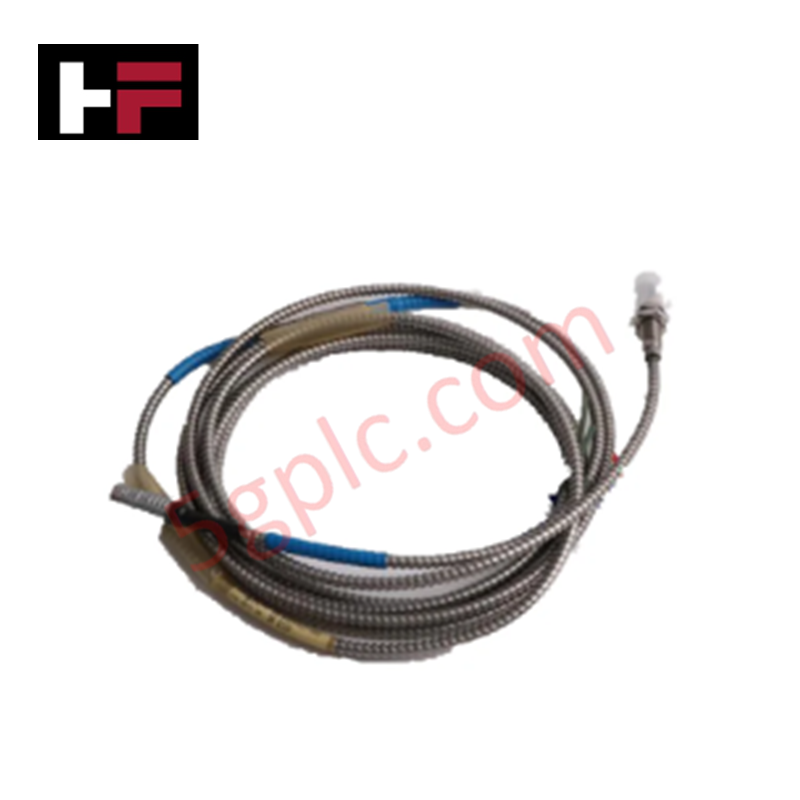
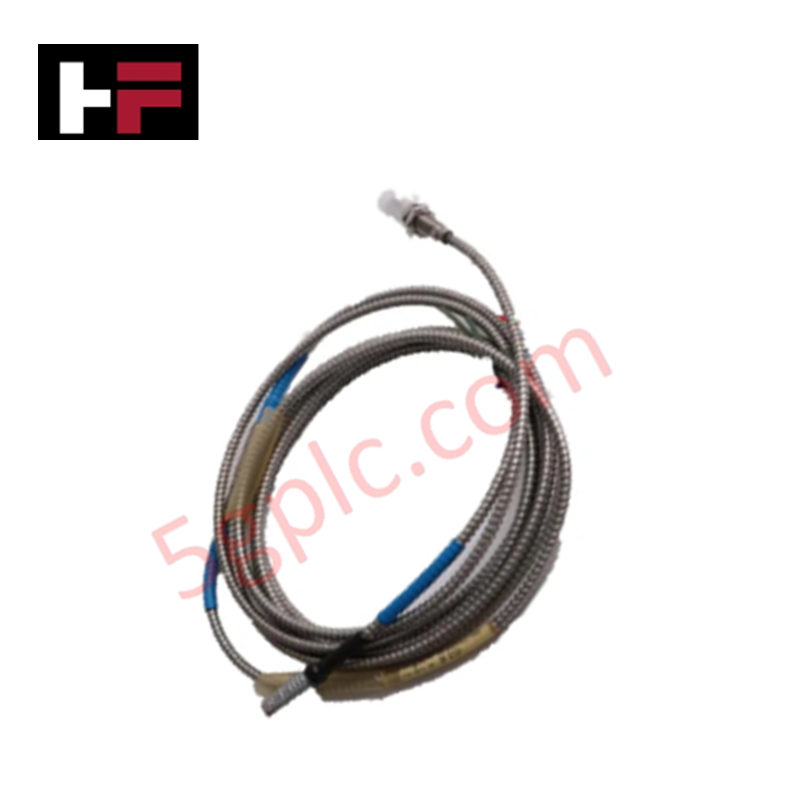
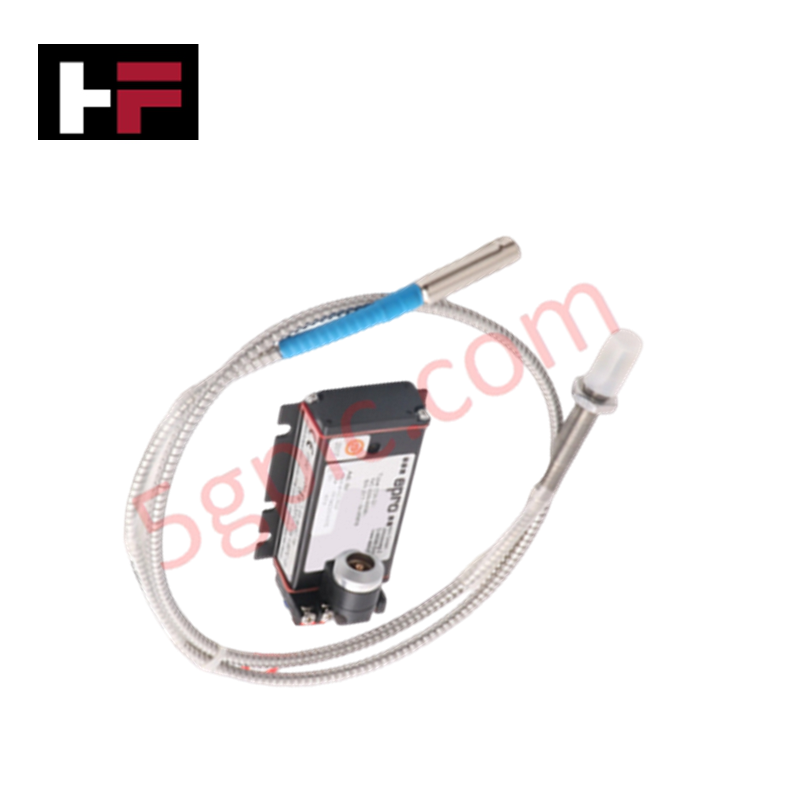
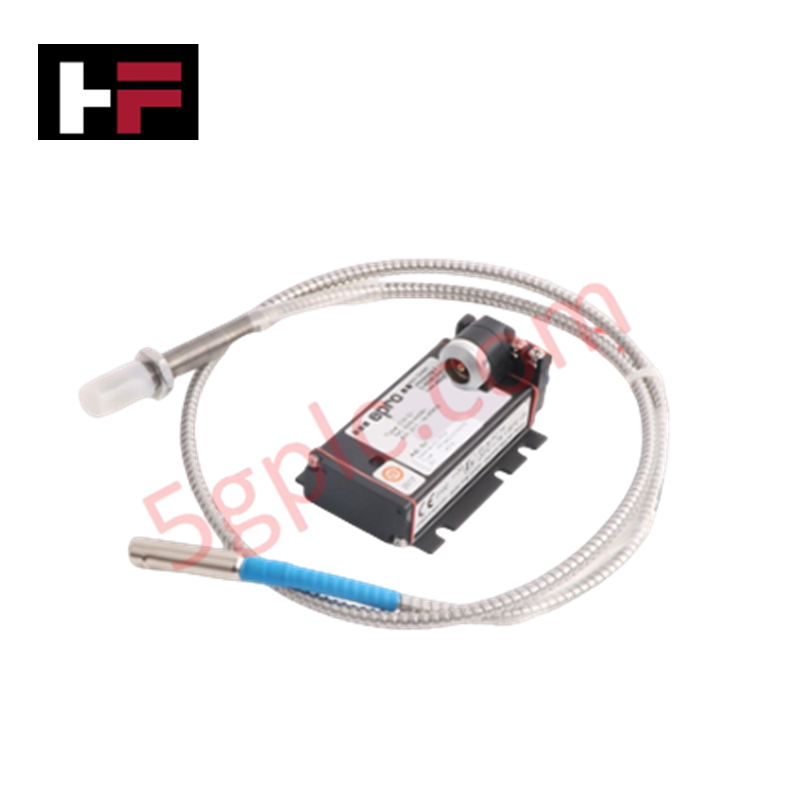
The Emerson PR6423/00E-030, also cataloged as the PR6423 Proximity Sensors, operates as a dedicated hardware component for non-contact displacement and vibration detection within Emerson AMS and DCS platforms. The sensor features an 8 mm probe tip diameter and connects to a compatible CON021 signal converter to transform high-frequency inductive magnetic fields into proportional electrical signals. Operating on an eddy current measurement principle, the assembly tracks non-contact physical position changes across conductive target metal surfaces without mechanical contact.
Hardware Specifications
| Parameter | Specification |
|---|---|
| Model | PR6423/00E-030 |
| Brand | Emerson |
| Origin | United States |
| Weight | Approx. 0.3 kg |
| Dimensions | M14 x 1.5 thread body layout |
| Operating Temp | -35 to +180 deg C |
| Power Consumption | < 50 mA (Current Consumption) |
| Supply Voltage | -24 VDC via compatible converter |
| Measurement Range | 0 to 4 mm typical |
| Sensitivity | 4 mV/um |
| Output Signal | 4-20 mA or dynamic voltage |
| Frequency Response | DC to 10 kHz |
| Linearity / Resolution | Linearity <= +/-1% FS, Resolution <= 1 um |
| Housing & Tip Material | Stainless steel body, 8 mm probe tip |
| Ingress Protection | IP65 when properly installed |
4-20 mA HART Loop Protocol & Channel Isolation
When integrated into CON021 signal converters, the sensor interface delivers conditioned analog voltage or 4-20 mA HART loop protocol outputs to upstream monitoring racks. Individual channel-to-channel isolation prevents common-mode ground potential shifts from introducing high-frequency noise into DC to 10 kHz dynamic measurements. Thermal compensation across the -35 to +180 deg C operating window maintains sensitivity stability at 4 mV/um, ensuring repeatable displacement data despite process temperature fluctuations.
Frequently Asked Questions
Q: What power supply parameters are required to operate the sensor system? A: The sensor receives nominal -24 VDC excitation directly through the matched CON021 converter module, drawing less than 50 mA during operation.
Q: What is the calibrated measurement range and sensitivity of the 8 mm probe tip? A: The probe tip measures a physical range of 0 to 4 mm with a factory-calibrated sensitivity scale of 4 mV/um.
Field Installation Guidelines
Ensure an unobstructed radial clearance zone around the 8 mm probe tip equal to at least 1.5 times the tip diameter to eliminate uncalibrated inductive loading from surrounding metallic enclosures. Mount the sensor body using the standard M14 x 1.5 threaded housing and torque locknuts to engineering limits to maintain fixed gap geometry. Route the 3 m modular cable through grounded metallic conduit, keeping signal lines isolated from high-voltage AC feeds or motor driver wiring. Earth the cable shield braid at a single technical ground connection point inside the main monitoring cabinet.
Additional Information
- 100% Genuine Parts: All products are original and authentic, ensuring reliable industrial performance.
- 30-Day Refund Guarantee: Return any in-stock item within 30 days in original, unopened packaging for a full refund (excluding shipping and fees).
- 12-Month Warranty: Covers defects in materials or workmanship; excludes misuse, normal wear, or unauthorized modifications.
- Worldwide Shipping: We ship via USPS, UPS, FedEx, and DHL. Delivery times vary by country and may be subject to customs or import fees.
- Support & Contact: Technical and warranty assistance is available anytime. Contact us here: Contact.
- Purchase Guidance: Check product specifications and compatibility carefully before ordering to ensure proper application.




Tech & Buying Guide

Hub vs Switch vs Router in Industrial Automation Architecture
Modern factory automation relies on reliable industrial networking infrastructure to exchange real-time field data across operational technology systems. Engineers often encounter networking hardware like hubs, switches, and routers when integrating Programmable Logic Controllers, Distributed Control Systems, and SCADA monitoring nodes. Although these devices share physical ports, they operate at different layers of the Open Systems Interconnection reference model and deliver distinct traffic management capabilities.

Marshalling Cabinet Preventive Maintenance: Essential Healthiness Checks for PLC, DCS, and ESD Systems
Marshalling cabinets serve as the vital interface between field instrumentation and control room electronics in modern process facilities. Regular preventive maintenance of these cabinets ensures signal integrity across programmable logic controllers (PLCs), distributed control systems (DCS), and emergency shutdown (ESD) networks. System technicians must execute structured inspection protocols to mitigate environmental risks, identify loose wiring, and maintain continuous operational readiness.

Spatial Computing in Industrial Automation: Elevating PLC and DCS Operations with AR and VR
Industry 4.0 integrates digital intelligence into field operations, transforming factory automation landscapes worldwide. Spatial technologies—specifically Augmented Reality (AR) and Virtual Reality (VR)—redefine how engineers interact with industrial control systems. By bridging computer-generated CAD models with real-time operational technology (OT) data, immersive displays enable intuitive monitoring, rapid diagnostics, and safer maintenance across complex processing facilities.