












Product Details
Product Overview
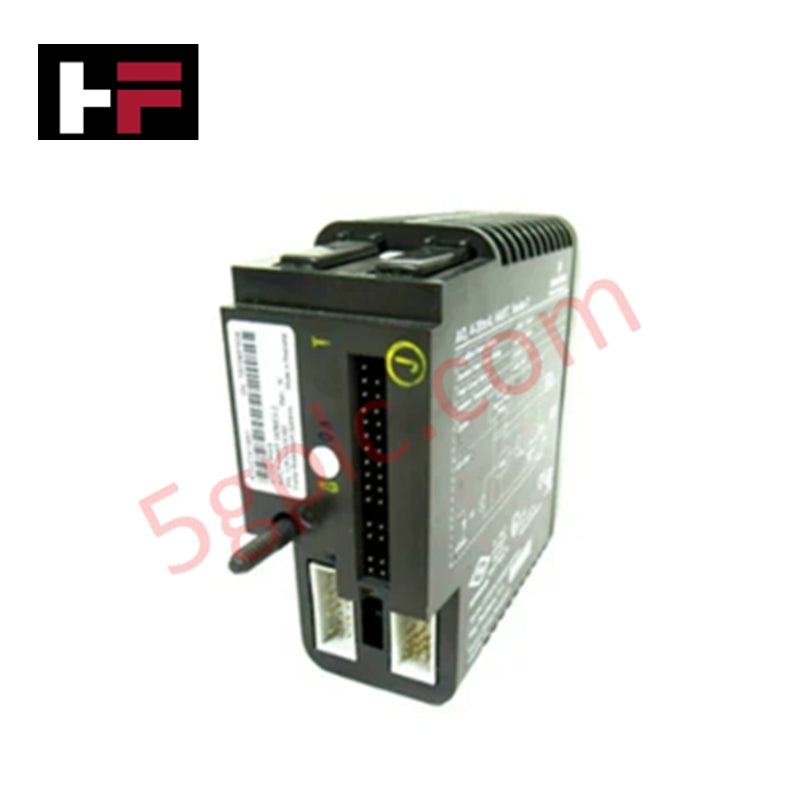
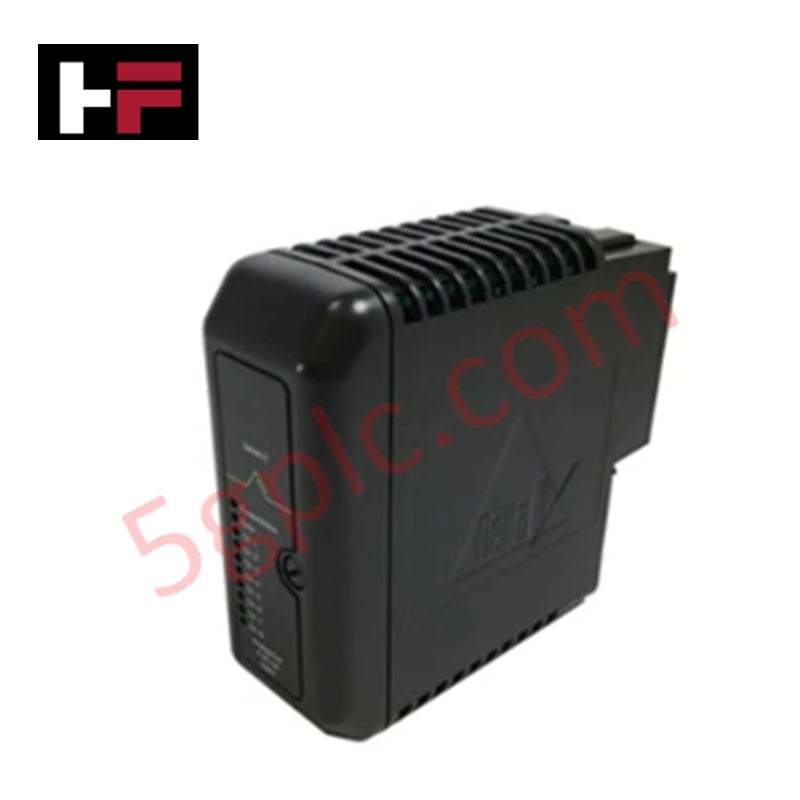
The Emerson KJ3201X1-BA1 functions as a high-integrity I/O interface module within the DeltaV™ Distributed Control System (DCS) architecture. This card facilitates the precise exchange of signals between field instrumentation and the DeltaV controller, ensuring millisecond-level responsiveness for process control loops. Engineered for high-density rack configurations, it manages power distribution and signal isolation for critical automation tasks. We supply this unit as 100% Brand New and Original, maintaining the factory-certified reliability required for hazardous and demanding industrial environments.
Technical Specifications
The KJ3201X1-BA1 utilizes a low-power design and rugged environmental hardening to sustain continuous operation in high-interference areas.
-
Local Bus Power: 12 VDC at 150 mA
-
Bussed Field Power: 24 VDC at 100 mA
-
Field Circuit Rating: 24 VDC at 5 mA per channel
-
Operating Temperature: -40°C to +70°C (-40°F to +158°F)
-
Airborne Contaminants: ISA-S71.04-1985 Class G3 (Harsh)
-
Shock Resistance: 10 g half-sine wave for 11 ms
-
Vibration Resistance: 1 mm P-P (2 to 13.2 Hz); 0.7 g (13.2 to 150 Hz)
-
Relative Humidity: 5% to 95% (Non-Condensing)
-
Terminal Block Keying: Position B1
Engineering Advantages
-
Aggressive Atmospheric Shielding: The KJ3201X1-BA1 features a specialized coating that meets ISA-S71.04 Class G3 standards. This chemical barrier prevents corrosion from Hydrogen Sulfide ($H_2S$) and other acidic vapors, eliminating the intermittent signal faults typically found in paper mills and petrochemical refineries.
-
Hardware Compatibility Lockout: The module utilizes a rotary keying system set to position B1. This mechanical safety feature prevents the accidental insertion of the wrong I/O card into a powered terminal block, protecting your field wiring and hardware from voltage mismatches.
-
Low Thermal Footprint: Drawing only 150 mA from the local bus, this card generates minimal internal heat. This efficiency allows engineers to populate DeltaV carriers to maximum capacity without triggering thermal de-rating or requiring supplemental cabinet cooling.
-
Mechanical Integrity in High-Vibration Zones: Withstanding 0.7 g of continuous vibration and 10 g of shock, this module maintains secure electrical contact with the backplane. This durability makes it ideal for installation in enclosures mounted directly on process skids or near heavy-duty reciprocating compressors.
-
Universal Environmental Rating: The broad -40°C to +70°C operating range ensures the card performs reliably in unconditioned remote instrument enclosures (RIEs) across all global climate zones.
FAQs
Q: Is the KJ3201X1-BA1 hot-swappable while the system is energized?
A: No. Safety protocols dictate that you must de-energize the system power and field power before removing or inserting the module. Hot-swapping in energized or hazardous areas poses significant ignition risks and potential hardware damage.
Q: How do I verify that this unit is 100% Brand New?
A: We provide only original Emerson factory-sealed units. Every KJ3201X1-BA1 arrives in its original anti-static packaging with matching serial numbers and manufacturer labels. We do not sell "new-surplus" or refurbished inventory.
Q: What are the primary installation requirements for energy-limited nodes?
A: You must perform a complete I/O loop assessment for all energy-limited nodes before commissioning. Additionally, ensure all non-sparking field circuits remain de-energized during the installation of the card and its associated fused terminal block.
Q: Can this card withstand coastal salt-air environments?
A: Yes. The G3-rated coating specifically targets the corrosion challenges of coastal and offshore facilities. When housed in a properly rated IP20 or NEMA enclosure, the KJ3201X1-BA1 provides long-term resistance to salt-induced oxidation.
Additional Information
- 100% Genuine Parts: All products are original and authentic, ensuring reliable industrial performance.
- 30-Day Refund Guarantee: Return any in-stock item within 30 days in original, unopened packaging for a full refund (excluding shipping and fees).
- 12-Month Warranty: Covers defects in materials or workmanship; excludes misuse, normal wear, or unauthorized modifications.
- Worldwide Shipping: We ship via USPS, UPS, FedEx, and DHL. Delivery times vary by country and may be subject to customs or import fees.
- Support & Contact: Technical and warranty assistance is available anytime. Contact us here: Contact.
- Purchase Guidance: Check product specifications and compatibility carefully before ordering to ensure proper application.
Tech & Buying Guide

Understanding Types of Noise in Electronic Circuits and Control Systems
Signal integrity directly determines measurement accuracy and loop stability across industrial automation environments. Electronic noise introduces unwanted stochastic interference into analog loops, sensor feedback lines, and digital fieldbus networks. Understanding how intrinsic electronic noise and external electromagnetic interference manifest allows control engineers to optimize signal conditioning and shield sensitive instrumentation effectively.

Why 24V DC Power Supplies Standardize Modern Industrial Automation
Industrial control cabinets worldwide rely on 24V DC as the universal power standard for field instrumentation, sensors, and controllers. Walk into any manufacturing plant, and you will find PLCs, human-machine interfaces (HMIs), and smart actuators running on extra-low voltage DC. Standardizing on 24V DC enhances operational safety, lowers cabinet footprint, and maintains steady control performance across factory networks.

Essential Motion Control Commands: A Practical Guide for Engineers
Automation engineers often rely on precise position and speed control to drive modern factory machinery. Modern industrial systems, such as Programmable Logic Controllers (PLCs) and Distributed Control Systems (DCS), depend heavily on standardized motion instructions. Mastering these commands ensures operational safety, protects mechanical components, and optimizes cycle times across production lines.