
Product Details
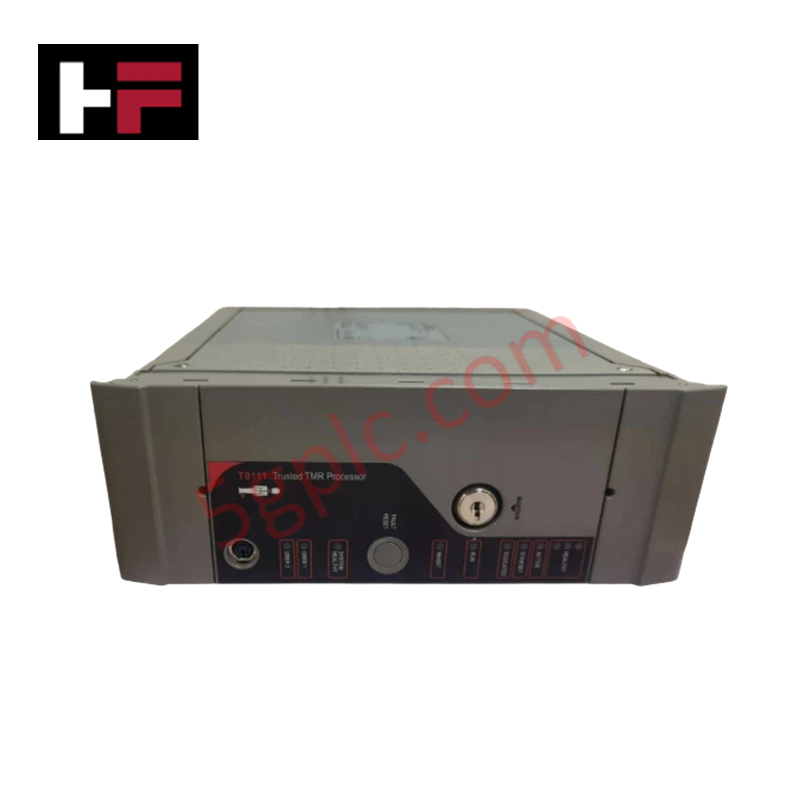
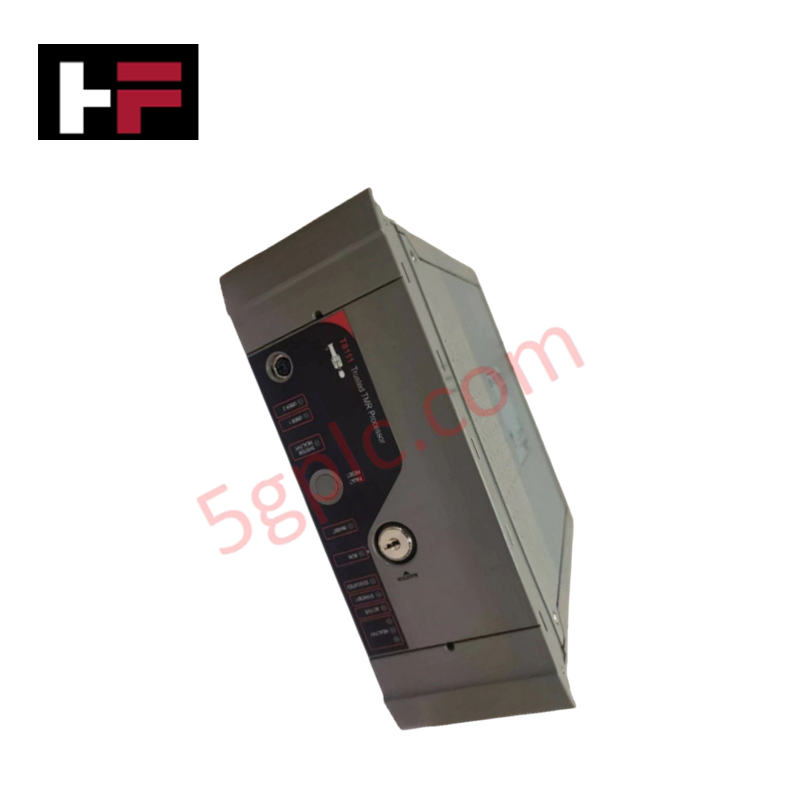
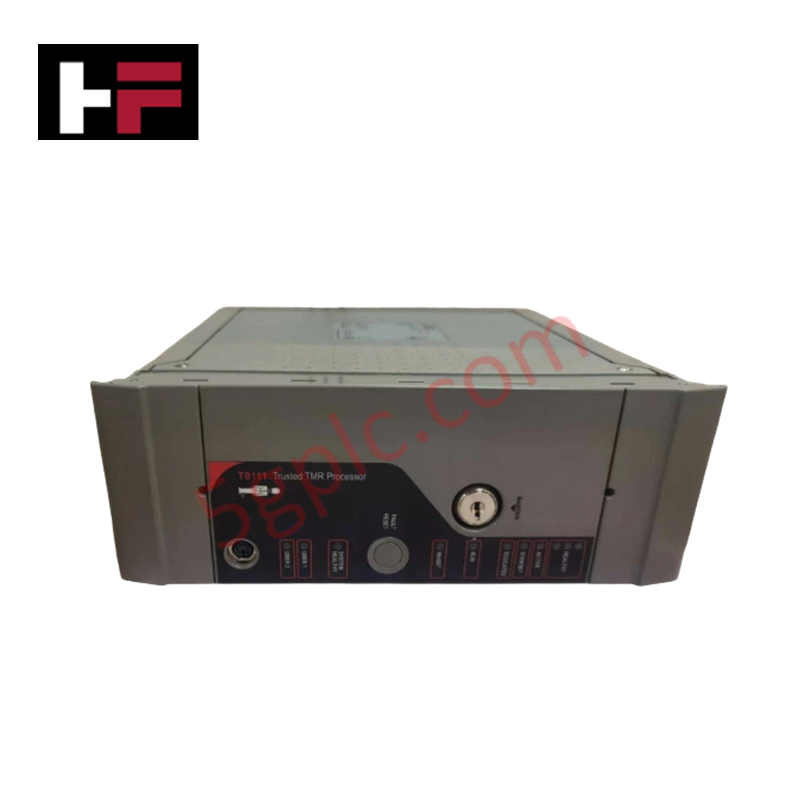
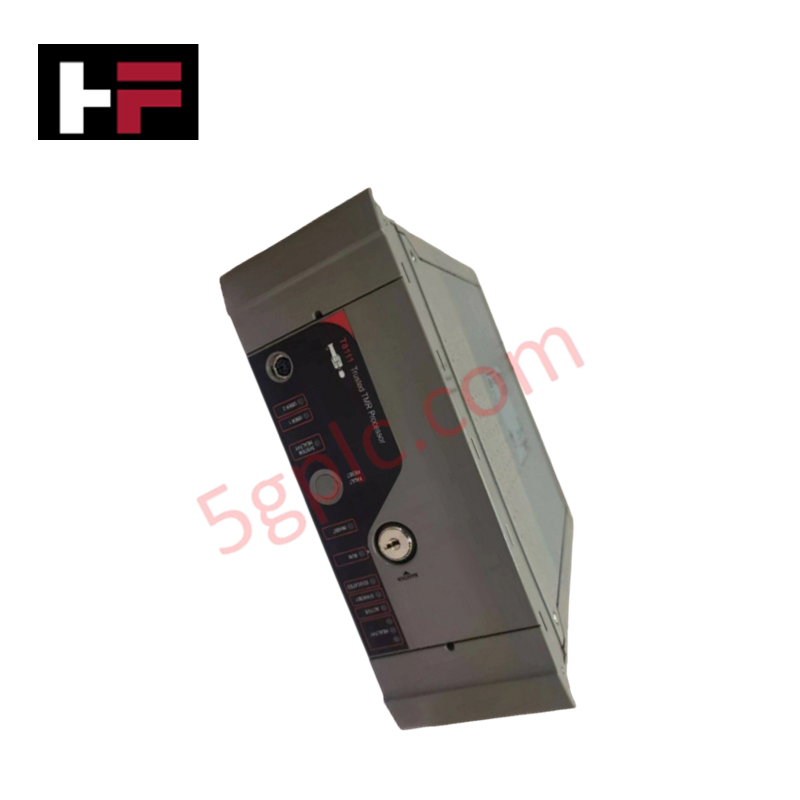
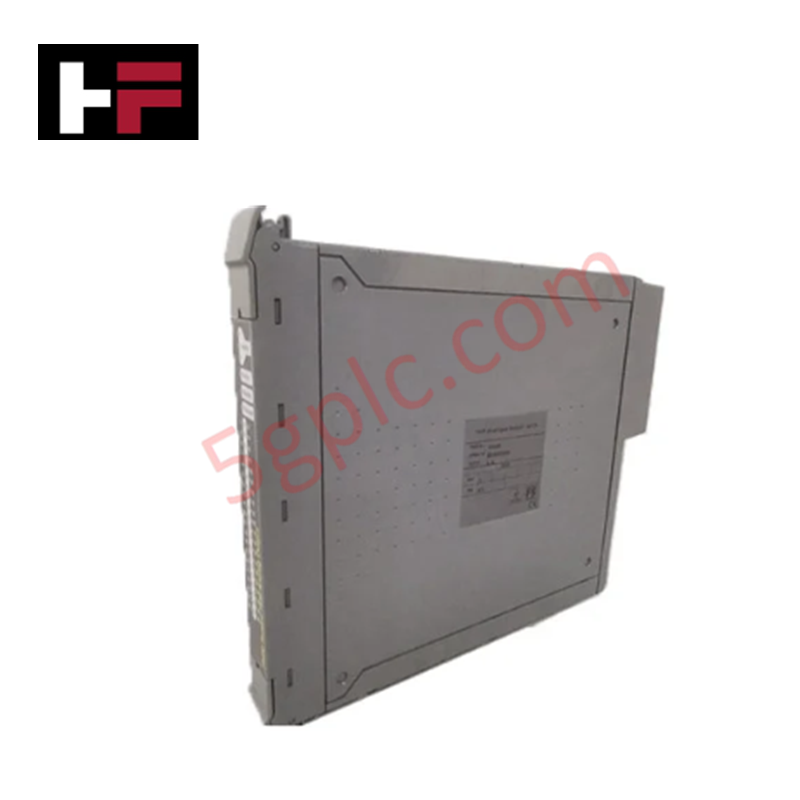
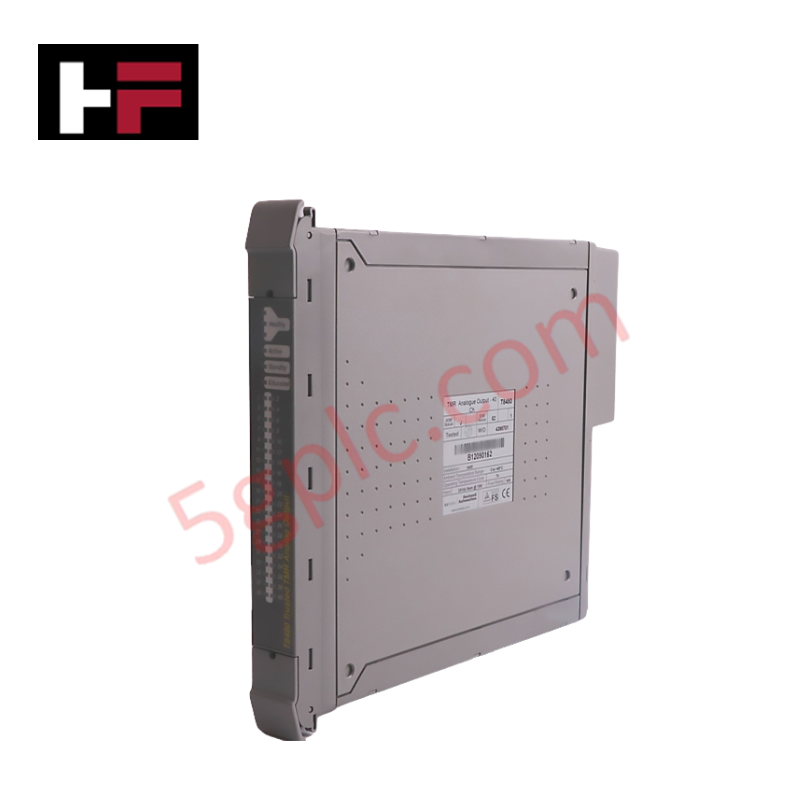
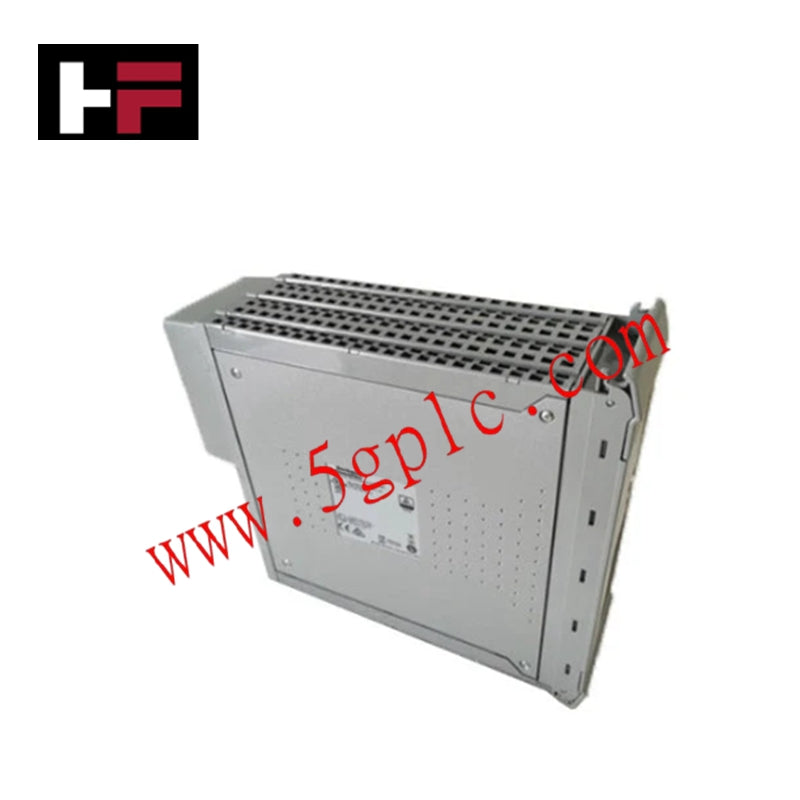
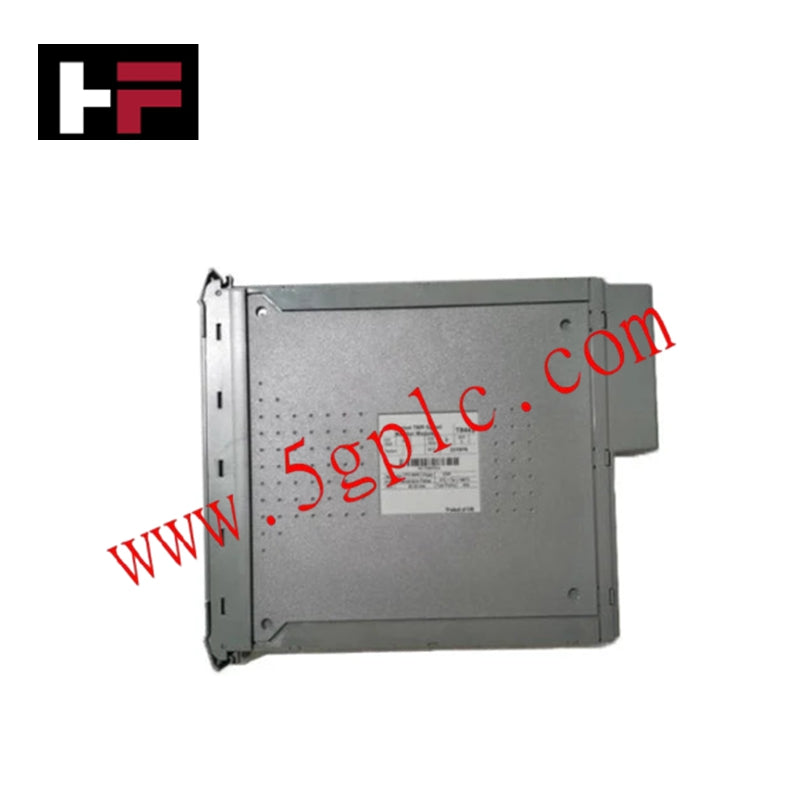
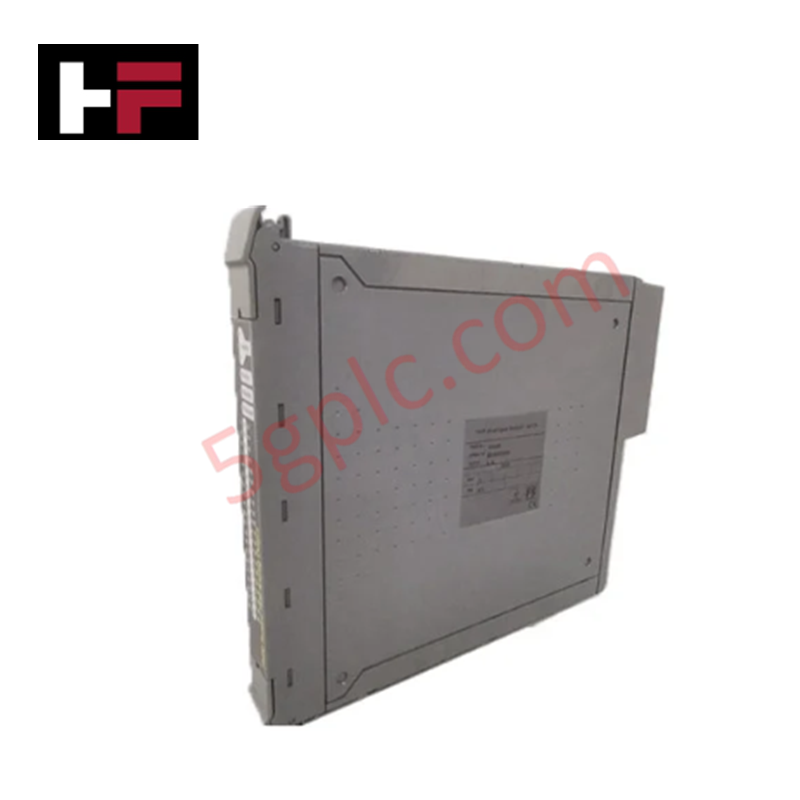
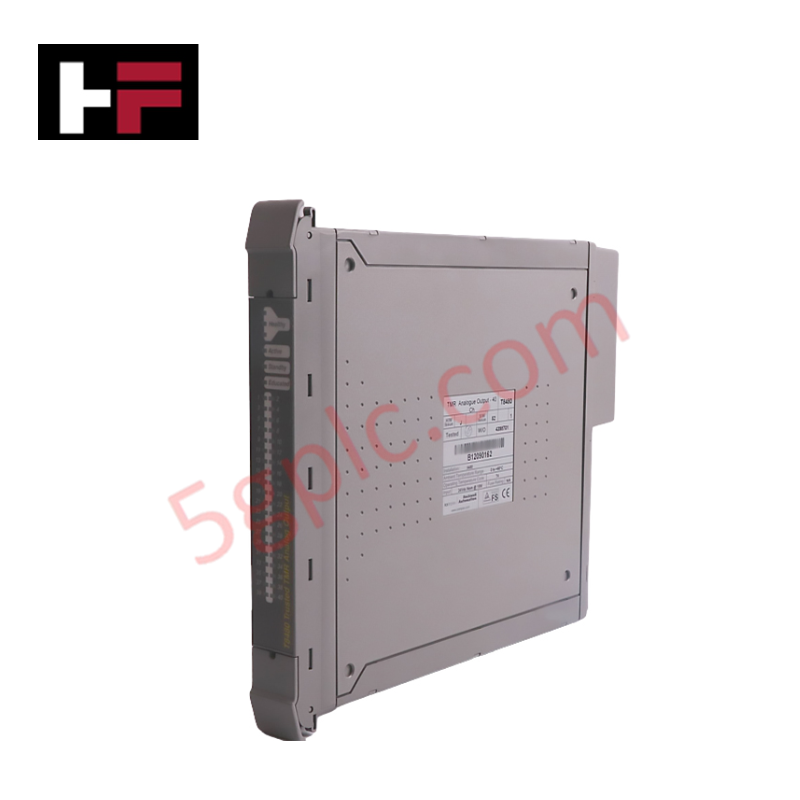
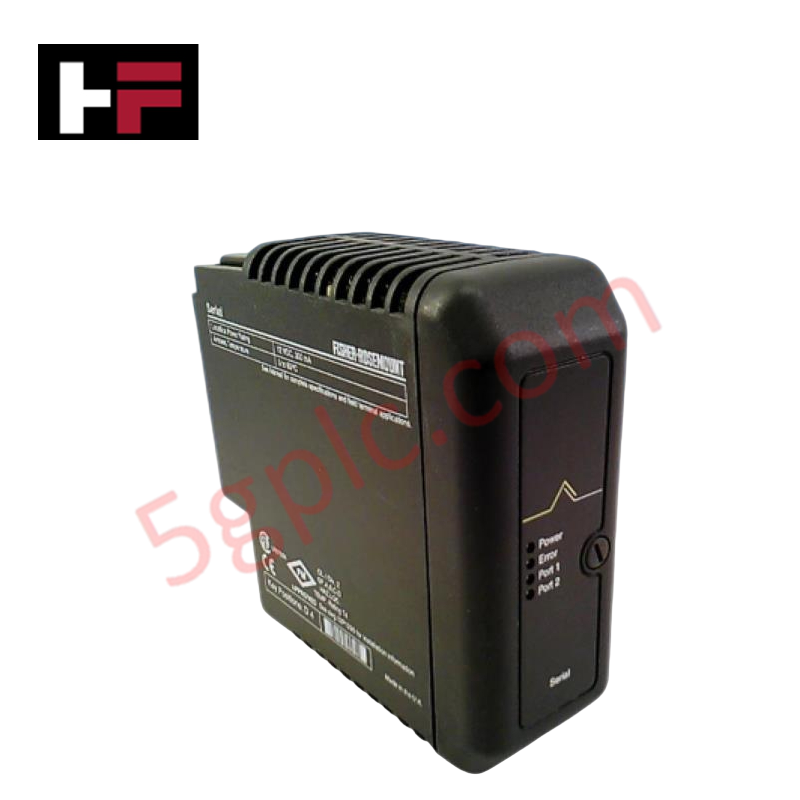
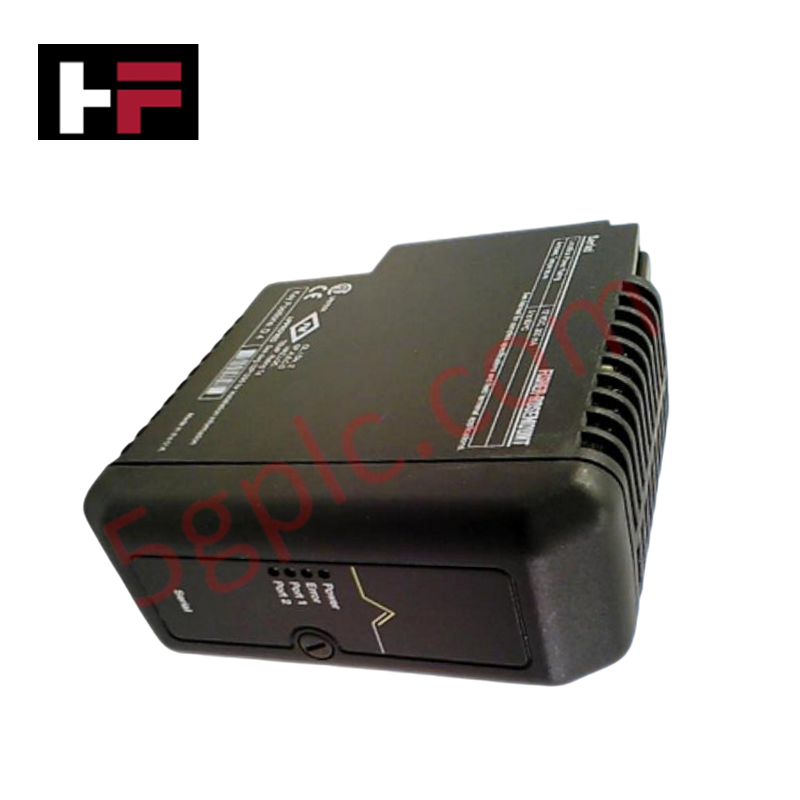
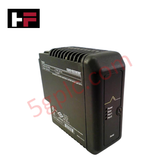
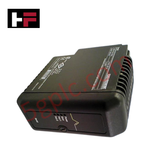
The Emerson KJ3003X1-BA1, also cataloged as the KJ3003X1-BA1 Serial Interface Terminal Module, operates as a dedicated hardware component for localized serial data distribution within DeltaV control systems. This connection hardware establishes direct physical paths to partition protocol signals across the bus infrastructure, coordinating real-time electronic bitstreams sent between modular network nodes and external communication loops.
Hardware Specifications
| Parameter | Specification |
| Model | KJ3003X1-BA1 |
| Brand | Emerson |
| Origin | USA |
| Weight | 0.40 lbs |
| Dimensions | Standard DeltaV marshalling terminal footprint |
| Operating Temp | -40 deg C to +70 deg C |
| Power Consumption | 12 VDC at 300 mA (Local Bus Power) |
| Interface Classification | Serial Interface Communication Track |
| Ingress Protection | IP 20 Rating |
| Airborne Contaminants | ISA-S71.04 Class G3 compliance |
| Relative Humidity | 5% to 95% non-condensing |
Channel-to-Channel Isolation and DCS Instrumentation Loops
Mechanical execution of this interface subassembly integrates channel-to-channel isolation parameters engineered to maintain continuous serial telemetry streams. The circuit matrix decouples each localized port line from parallel active field links, preventing common-mode voltage spikes or ground potential loops from inducing packet transmission faults. This design maintains data sync constraints over the 4-20 mA HART loop protocol routing lanes linked to the processing backplane framework.
Frequently Asked Questions
Q: Does this serial interface terminal support module hot-swap replacement under energized conditions?
A: Yes. The hardware accommodates active hot-swap procedures. The physical contact boundaries limit voltage deviations on the local bus rail during mating cycles, preventing active data links on adjacent cards from experiencing timeout errors.
Q: How is input current draw allocated across the module circuits?
A: The passive physical distribution traces route power derived from the local carrier baseplate, drawing a steady maximum current of 300 mA at 12 VDC to sustain active serial drive lines.
Field Installation Guidelines
-
Chassis Slot Placement: Place the terminal block directly onto the target baseplate carrier slot tracks. Apply continuous pressure until the mechanical locking latch clips lock into place to prevent movement from vibration.
-
Shield Ground Tracking: Terminate all external twisted-pair serial shields at the centralized marshalling panel common ground bus bar. Using a single-point grounding layout prevents circulating earth currents from corrupting communication frames.
-
Cable Strain Management: Secure all incoming field serial lines inside structural terminal conduits. Provide adequate strain relief layout configurations adjacent to the screw terminations to prevent raw conductor fatigue.
-
Enclosure Atmospheric Controls: For industrial environments with high chemical concentrations, place this IP 20 hardware within a sealed cabinet with positive-pressure air flow, checking that humidity conditions remain non-condensing.
Additional Information
- 100% Genuine Parts: All products are original and authentic, ensuring reliable industrial performance.
- 30-Day Refund Guarantee: Return any in-stock item within 30 days in original, unopened packaging for a full refund (excluding shipping and fees).
- 12-Month Warranty: Covers defects in materials or workmanship; excludes misuse, normal wear, or unauthorized modifications.
- Worldwide Shipping: We ship via USPS, UPS, FedEx, and DHL. Delivery times vary by country and may be subject to customs or import fees.
- Support & Contact: Technical and warranty assistance is available anytime. Contact us here: Contact.
- Purchase Guidance: Check product specifications and compatibility carefully before ordering to ensure proper application.




Tech & Buying Guide
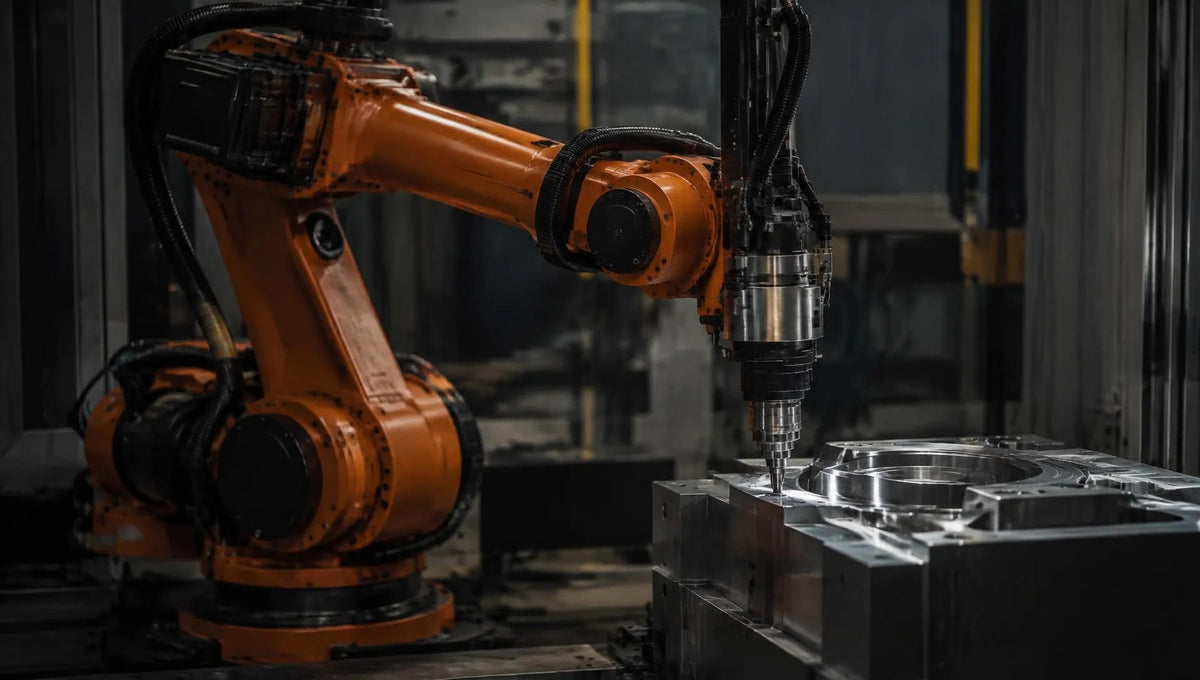
Understanding Instrumentation Control Systems in Modern Industrial Automation
An instrumentation control system (ICS) serves as the central nervous system of modern manufacturing plants and processing facilities. Engineers classify these setups as Electrical, Electronic, or Programmable Electronic Systems (E/E/PES). In practice, an ICS bridges the physical world of industrial machinery with digital decision-making tools. Therefore, understanding its architecture is essential for anyone working in factory automation, process control, or plant safety.

Mastering Electrical Grounding Fundamentals in Industrial Automation and Control Systems
Electrical grounding is a complex engineering discipline. It requires deep knowledge of soil composition and conductor materials. National Electrical Code (NEC) Article 250 outlines these requirements clearly. Many engineers confuse grounding, earthing, and bonding. Grounding connects circuits to a common reference point. Earthing specifically links equipment directly to the planet. Bonding permanently joins metallic parts to ensure electrical continuity.

Architectural Blueprint of Industrial Automation and Control Systems (IACS): Standards, Safety, and Remote Operations
According to IEC 62443, Industrial Automation and Control Systems (IACS) integrate personnel, hardware, and software. These components collectively influence the safety and reliability of any industrial process. Modern control systems allow extensive remote monitoring and operation. However, enabling remote capabilities introduces complex cybersecurity challenges. Therefore, facility operators must evaluate system functions carefully before expanding connectivity.