










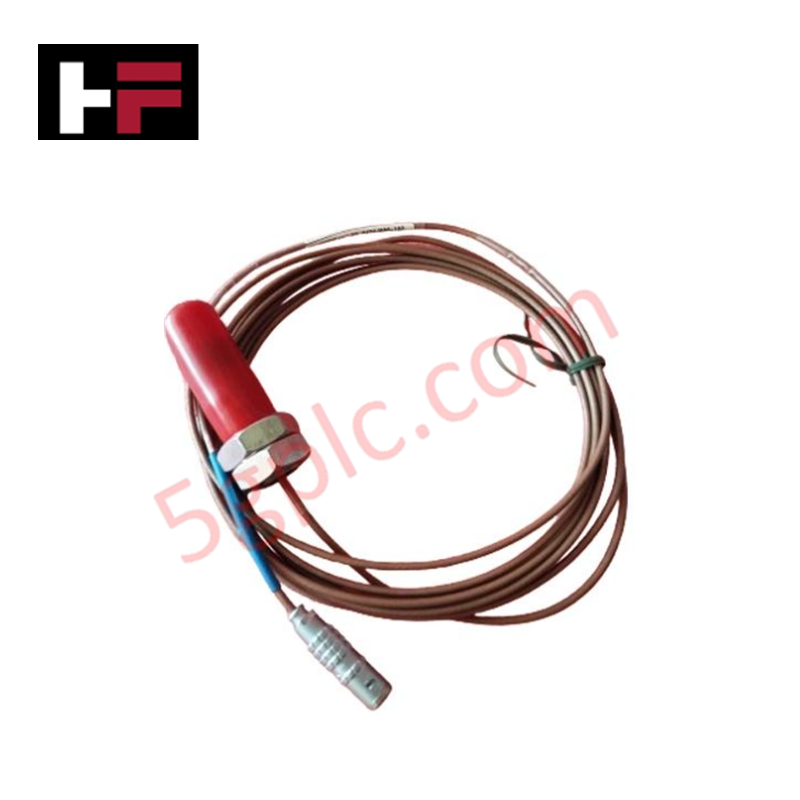
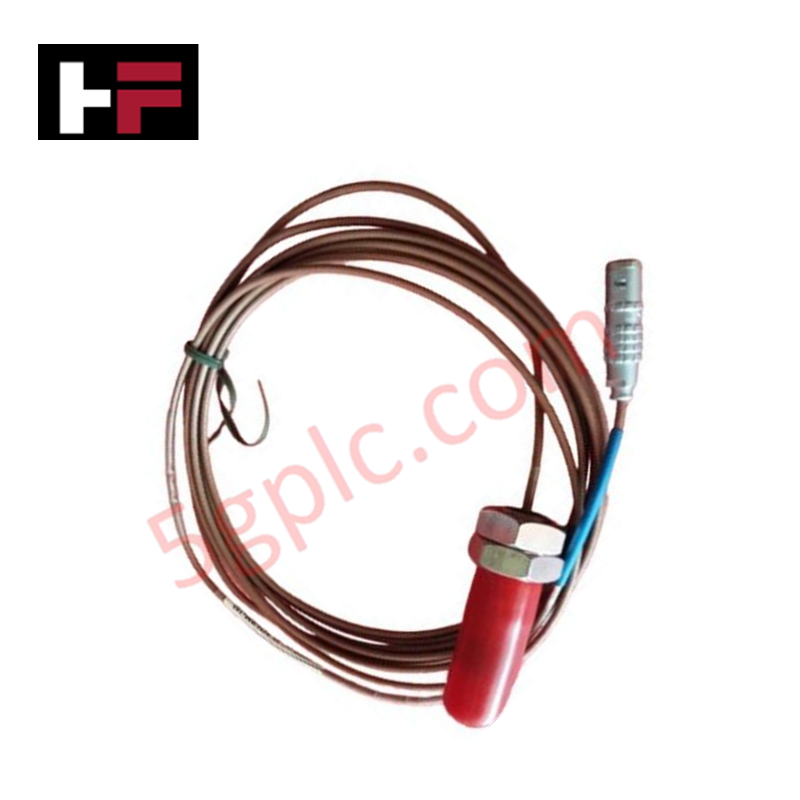
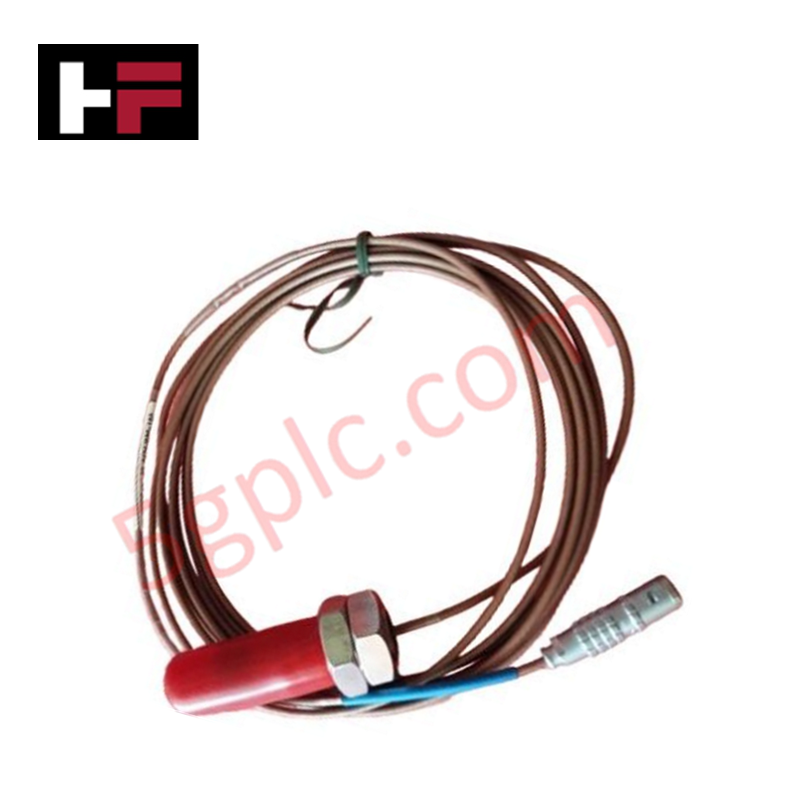
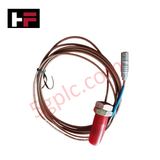
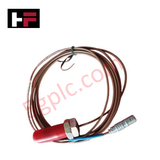
Product Details
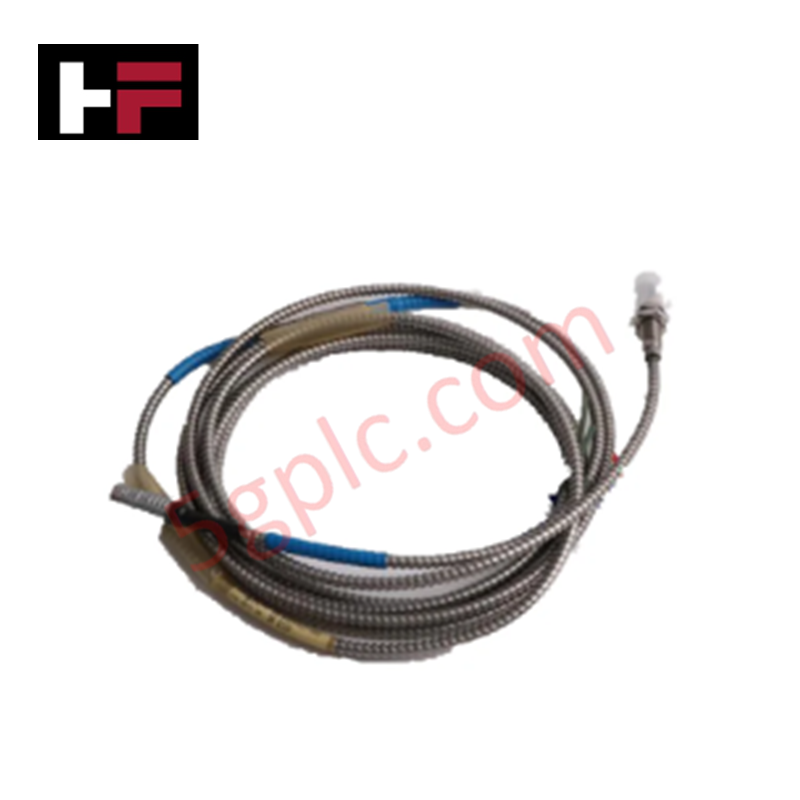
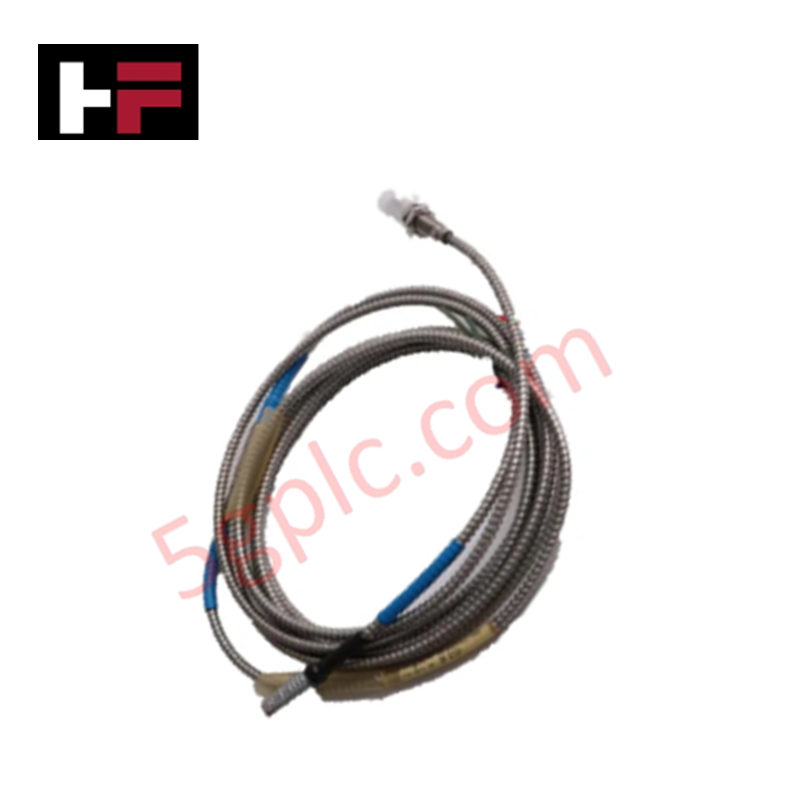
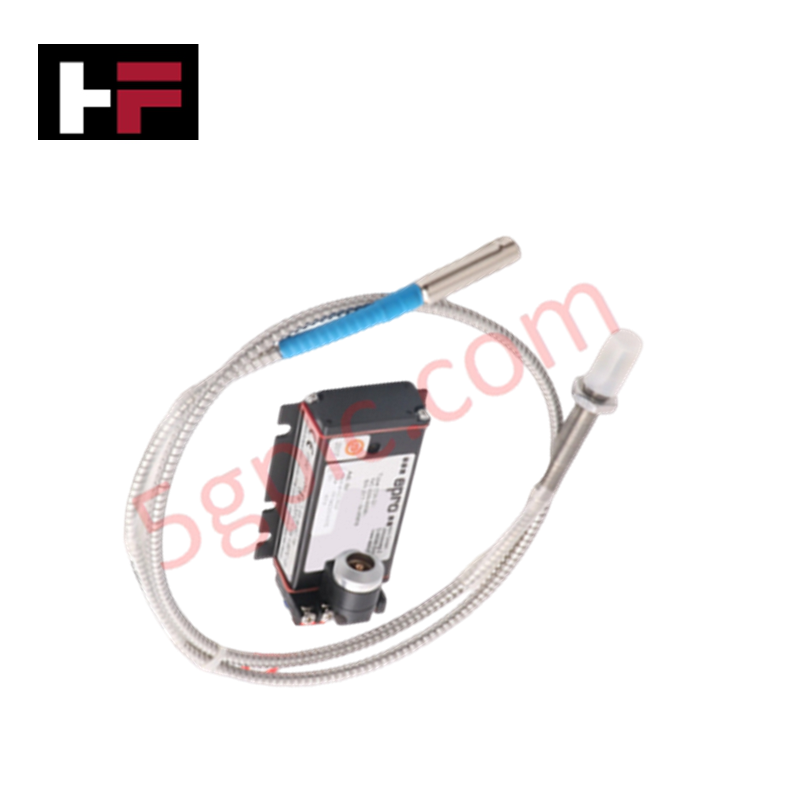
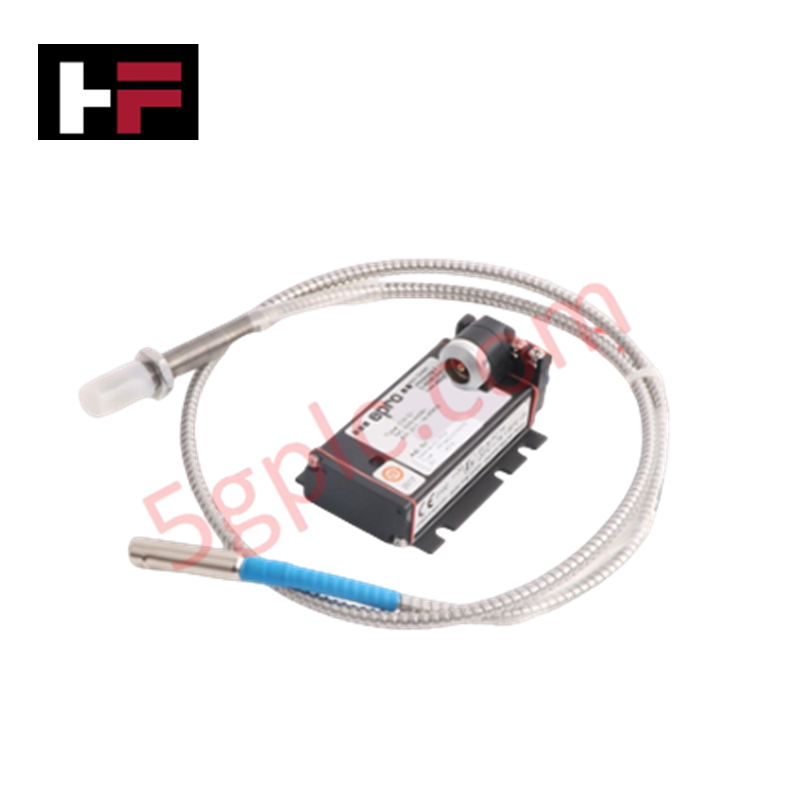
Configured for non-contact measurement of radial and axial shaft dynamic displacement, position, and speed in rotating machinery, the Emerson EPRO PR6424/000-010 (PR6424/000-010 Eddy Current Sensor) provides direct physical signal execution. This 16 mm diameter transducer detects shaft surface impedance variations to deliver high-resolution displacement data for real-time monitoring and predictive maintenance diagnostics.
Hardware Specifications
| Parameter | Specification |
|---|---|
| Model | PR6424/000-010 |
| Brand | Emerson (EPRO) |
| Origin | Subject to certificate of origin |
| Weight | ~200 grams (Sensor & cable) |
| Dimensions | M18 x 1.5 sleeve thread |
| Operating Temp | -35 deg C to +150 deg C |
| Power Consumption | Dependent on interface converter |
| Measurement Range | Static +/- 2.0 mm |
| Sensitivity | 4 V/mm (101.6 mV/mil) |
| Protection Class | Industrial grade |
Eddy-Current Probe Scaling and Rotor Dynamics
The measurement accuracy of the Emerson EPRO PR6424/000-010 is governed by the electromagnetic interaction between the 16 mm sensor tip and the 42 Cr Mo4 ferromagnetic shaft target. To ensure valid output signals, the transducer must be commissioned at the nominal air gap of 2.7 mm. Consistent gap voltage validation is required to ensure operation within the linear range of the probe, as deviations from target metallurgy or diameter (minimum 80 mm requirement) will result in sensitivity errors. Proper installation must mitigate rotor dynamics effects, with cross-talk suppression achieved by maintaining sufficient separation distance from adjacent inductive sensors to prevent interference with the carrier frequency.
Frequently Asked Questions
Q: Is the 5-meter cable assembly field-repairable if damaged?
A: No, the cable and transducer are matched at the factory to maintain specific impedance characteristics. Replacing the cable or shortening it will shift the resonance frequency, necessitating factory-level recalibration.
Q: Can the sensor head withstand exposure to high-pressure fluids?
A: Yes, the sensor head is pressure-rated to 10,000 hPa (145 psi). Exceeding this pressure limit risks compromising the hermetic seal of the PEEK sensor tip and internal coil assembly.
Q: How does the sensor handle high surface speeds during operation?
A: The sensor maintains linearity up to a maximum surface speed of 2,500 m/s. Ensure that the shaft surface quality meets API 670 standards to prevent electrical run-out or noise in the dynamic output.
Field Installation Guidelines
- Mounting: Utilize the M18 x 1.5 threaded sleeve for installation into a rigid machine housing bracket. Ensure a minimum of 5 full thread engagements to maintain mechanical stability under vibration.
- Shielding: Protect the sensor cable from high-voltage transients by routing through dedicated grounded metallic conduit. Terminate the shield at the monitoring system's instrument ground rail.
- Gap Setting: Use a non-magnetic feeler gauge to establish the 2.7 mm nominal air gap. Verify output voltage against the system's specification sheet before final tightening of the lock nuts.
- Environment: Prevent cable kinking and ensure the Lemo connector is shielded from liquid ingress in accordance with the application's environmental requirements.
Additional Information
- 100% Genuine Parts: All products are original and authentic, ensuring reliable industrial performance.
- 30-Day Refund Guarantee: Return any in-stock item within 30 days in original, unopened packaging for a full refund (excluding shipping and fees).
- 12-Month Warranty: Covers defects in materials or workmanship; excludes misuse, normal wear, or unauthorized modifications.
- Worldwide Shipping: We ship via USPS, UPS, FedEx, and DHL. Delivery times vary by country and may be subject to customs or import fees.
- Support & Contact: Technical and warranty assistance is available anytime. Contact us here: Contact.
- Purchase Guidance: Check product specifications and compatibility carefully before ordering to ensure proper application.
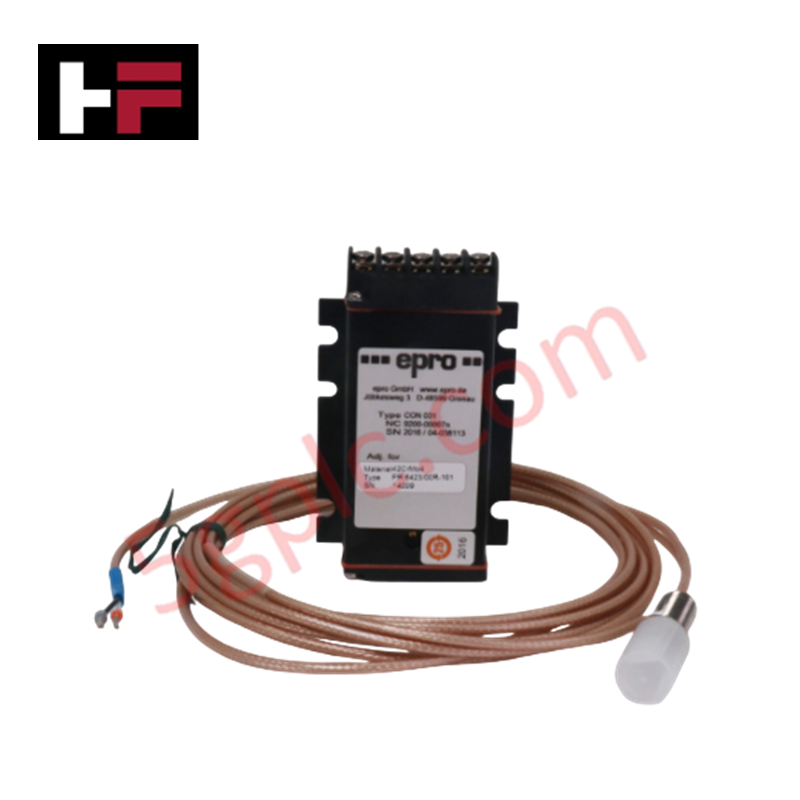
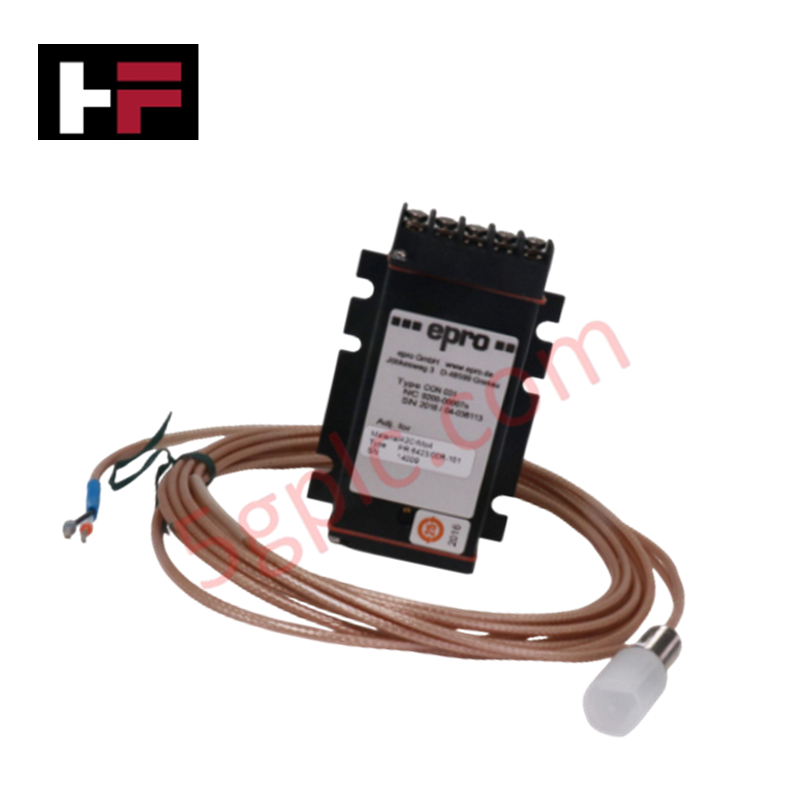




Tech & Buying Guide

Spatial Computing in Industrial Automation: Elevating PLC and DCS Operations with AR and VR
Industry 4.0 integrates digital intelligence into field operations, transforming factory automation landscapes worldwide. Spatial technologies—specifically Augmented Reality (AR) and Virtual Reality (VR)—redefine how engineers interact with industrial control systems. By bridging computer-generated CAD models with real-time operational technology (OT) data, immersive displays enable intuitive monitoring, rapid diagnostics, and safer maintenance across complex processing facilities.

Master Acceptance Testing: Understanding FAT and SAT in Industrial Control Systems
Factory Acceptance Testing (FAT) and Site Acceptance Testing (SAT) serve as critical quality assurance gateways in complex industrial control systems. Both procedures verify that programmable logic controllers (PLCs), distributed control systems (DCS), and associated field devices meet strict functional specifications. However, executing these tests effectively requires clear delineation between off-site staging and final field commissioning.

Industrial Networking Essentials: Demystifying Hubs, Switches, and Routers in Control Systems
Industrial automation relies heavily on robust networking infrastructure to connect programmable logic controllers (PLCs), distributed control systems (DCS), and human-machine interfaces (HMIs). Modern factory automation environments generate vast amounts of real-time operational data across deterministic networks. Understanding the structural differences between hubs, switches, and routers ensures optimal traffic segmentation, minimizes latency, and maintains high network availability.