


Product Details
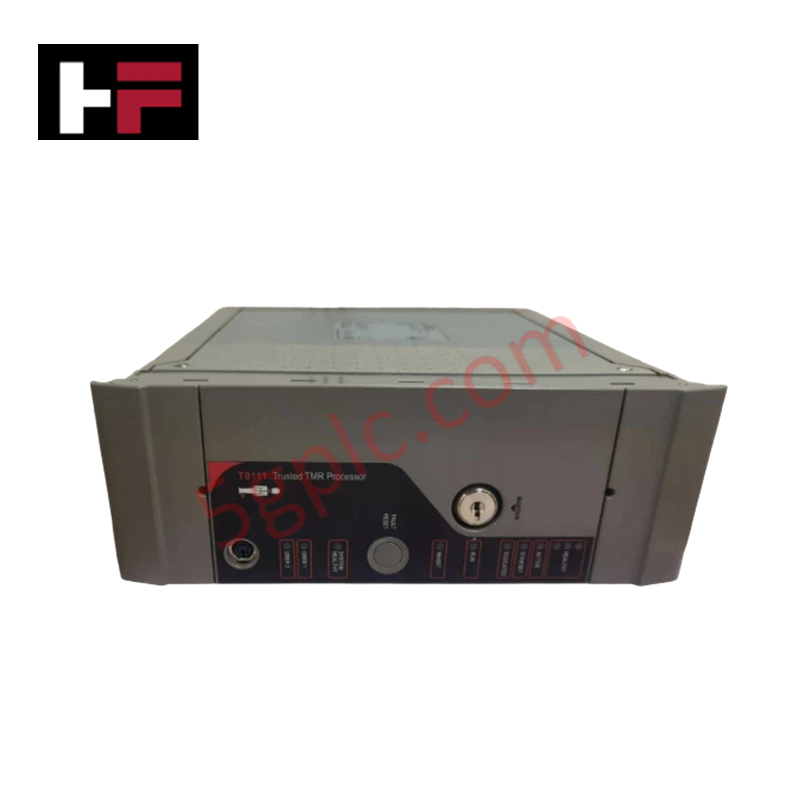
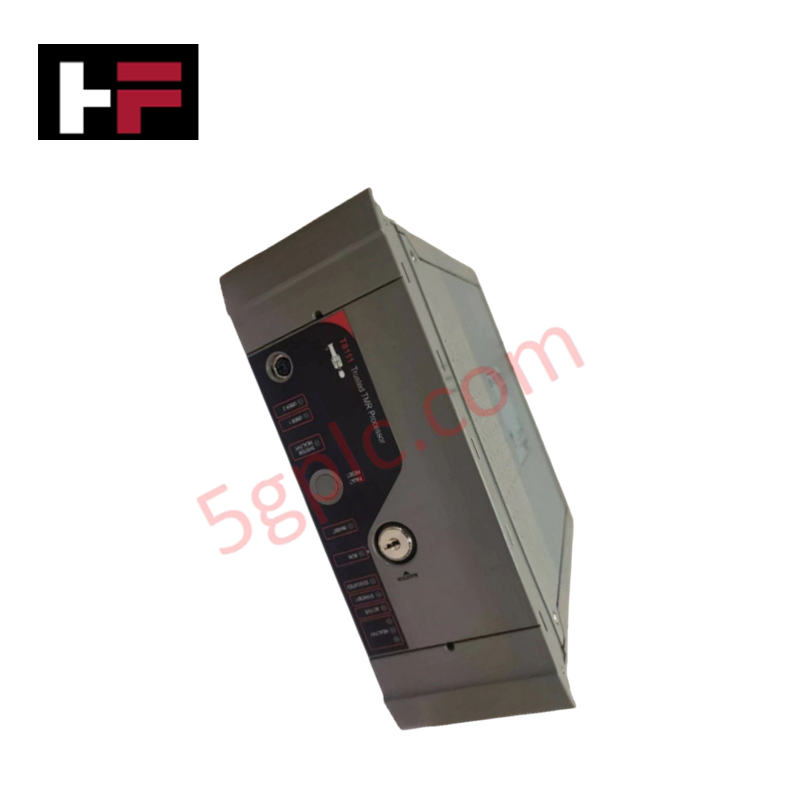
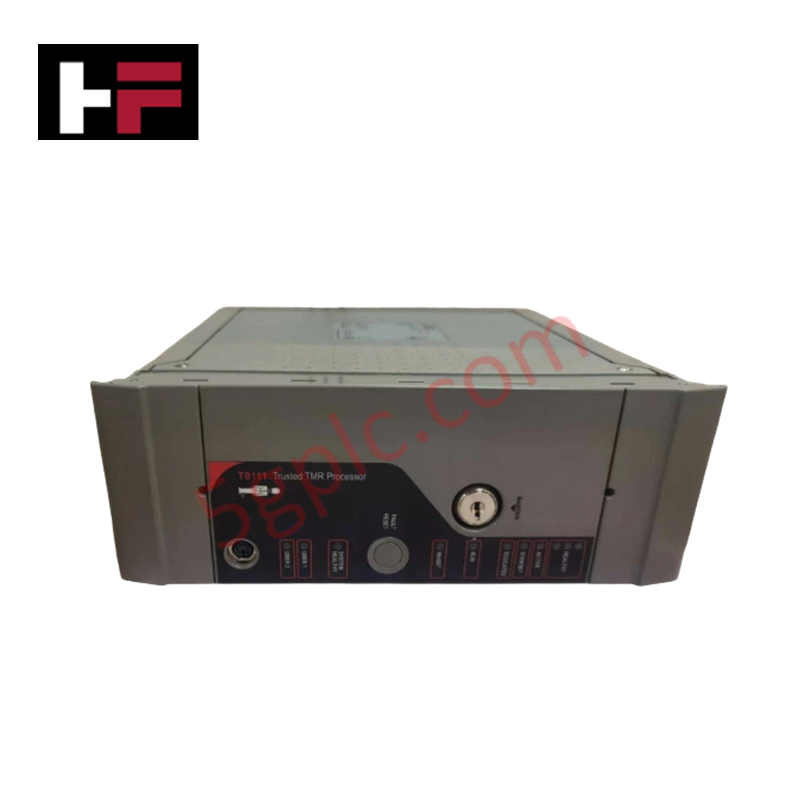
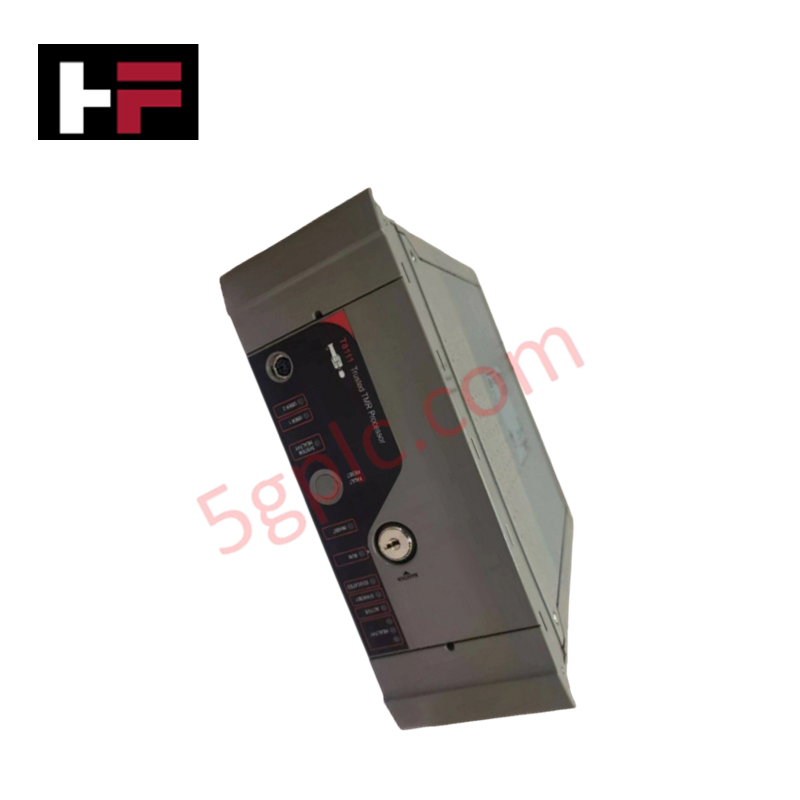
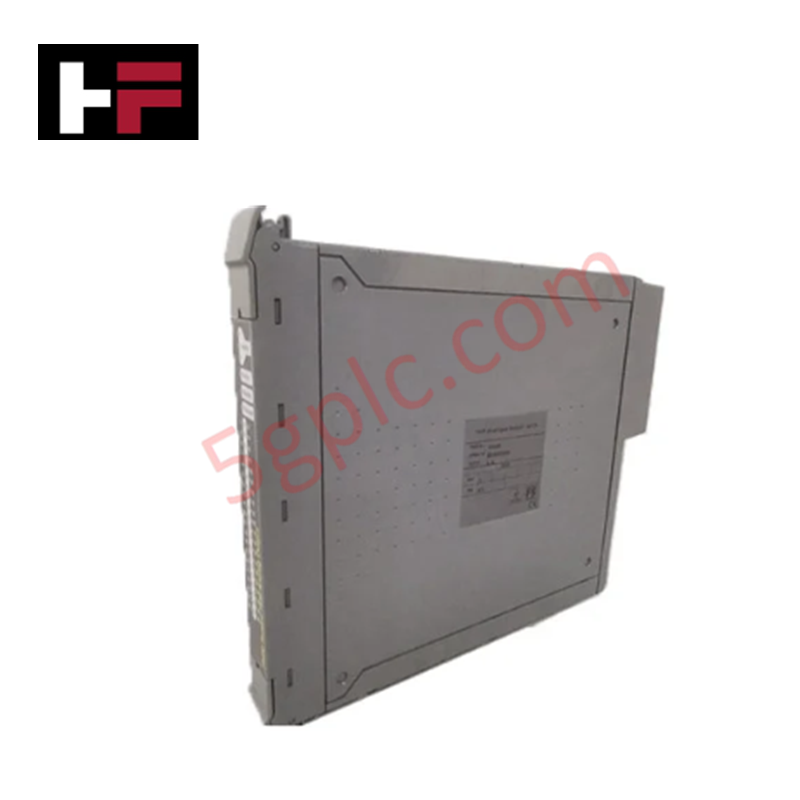
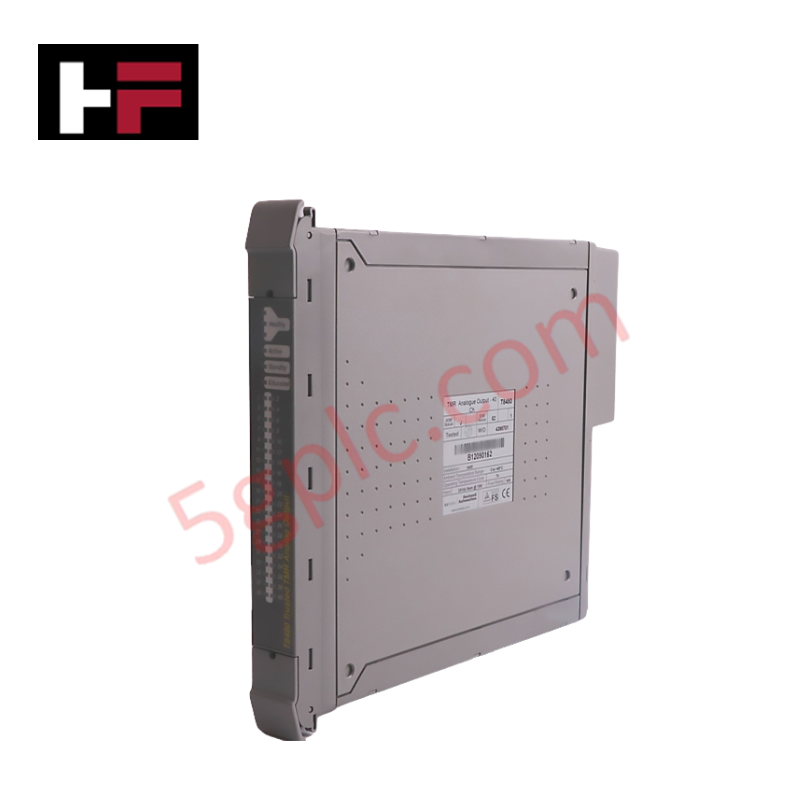
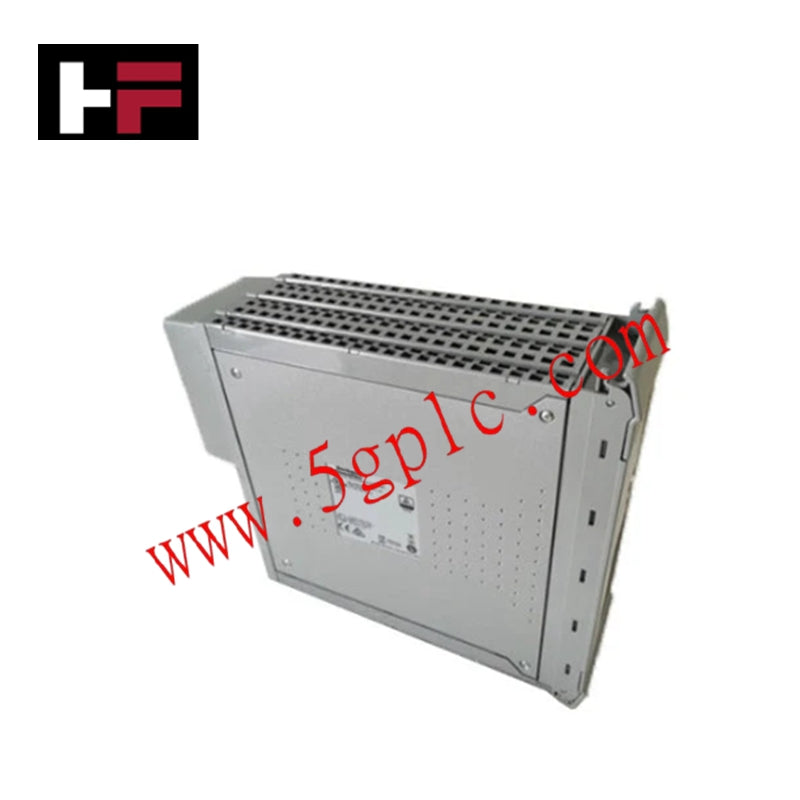
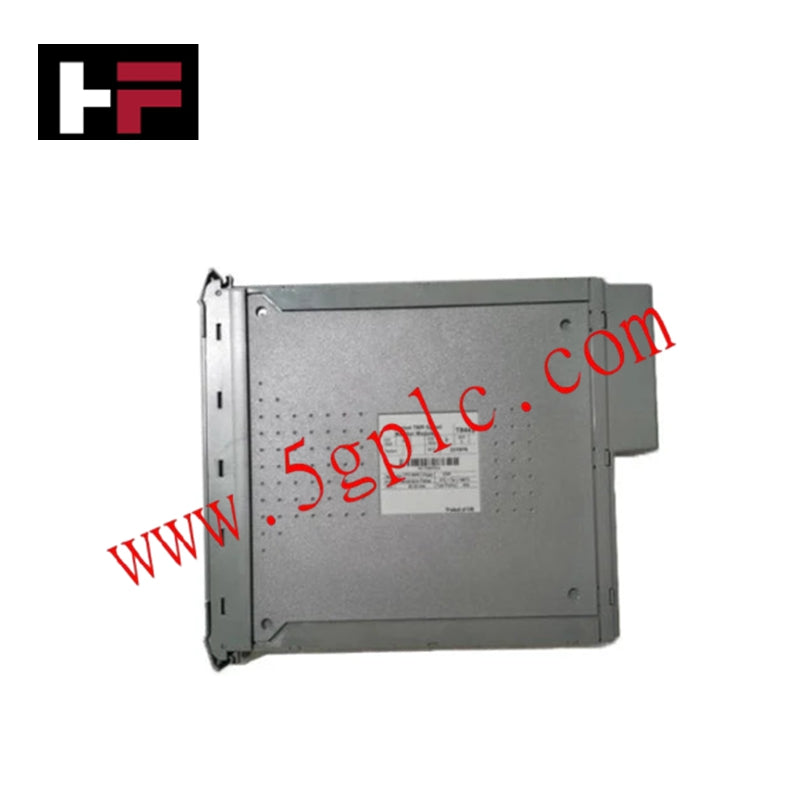
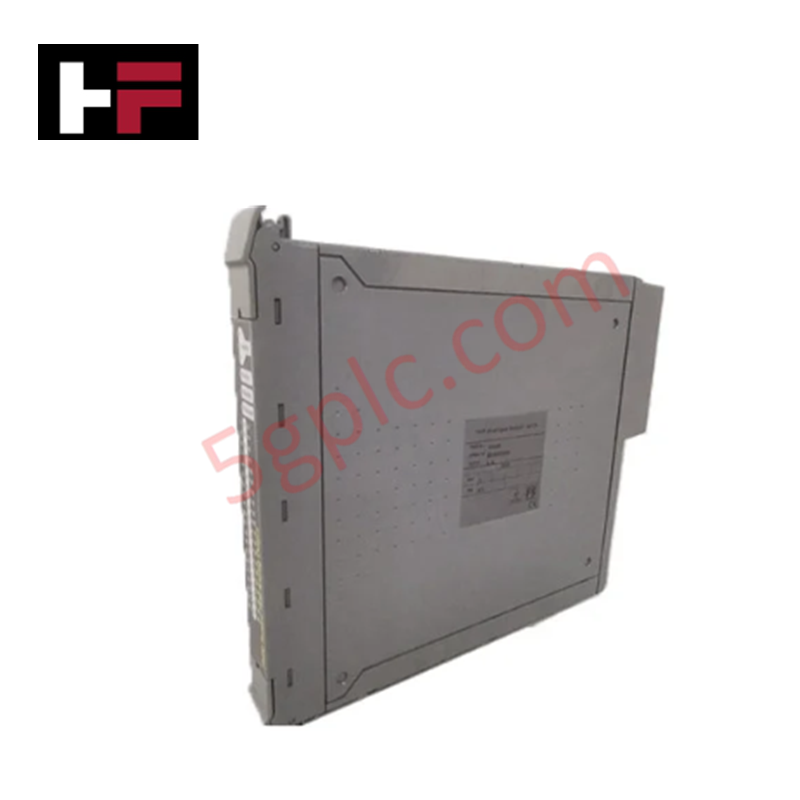
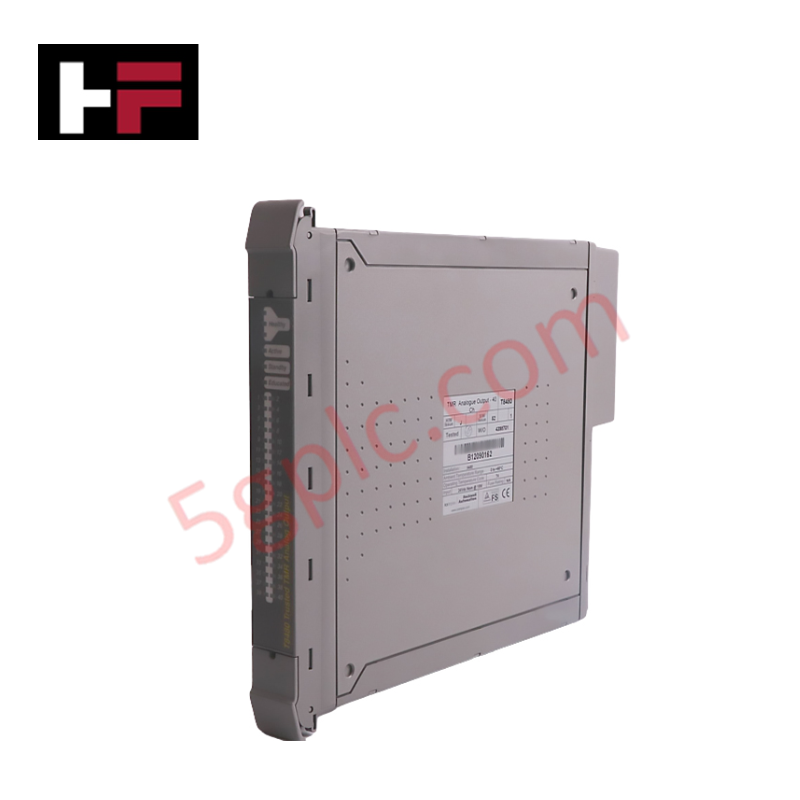
Configured for high-performance analog signal processing in Ovation control networks, the Emerson 5X00622G01 (5X00622G01 Electronics Module) provides direct physical and electrical execution of HART-enabled 8-channel input acquisition. The module serves as a primary interface for streaming field-side analog data into the Ovation distributed control system for real-time monitoring and loop control.
Hardware Specifications
| Parameter | Specification |
|---|---|
| Model | 5X00622G01 |
| Brand | Emerson |
| Origin | Germany |
| Weight | 0.36 kg |
| Dimensions | 12 cm x 3 cm x 9.5 cm |
| Operating Temp | Standard industrial ambient |
| Power Consumption | System backplane nominal |
| Core Performance | 8-Channel Analog Input, HART |
DCS Connectivity and Signal Integrity
The 5X00622G01 module incorporates per-channel HART protocol support, enabling the simultaneous transmission of primary process variables and secondary diagnostic data. The design features channel-to-channel isolation, which mitigates ground loop interference and common-mode noise across the analog input bus. Cold junction compensation and signal filtering are managed on-board to ensure measurement stability for critical process loops. The module supports seamless data integration via the Ovation backplane, maintaining deterministic update rates required for high-performance control applications.
Frequently Asked Questions
Q: Does the 5X00622G01 support live insertion/removal in an energized chassis?
A: Yes, the module supports hot-swap functionality within the Ovation rack. Ensure the unit is properly aligned with the backplane connectors prior to full engagement to prevent pin misalignment or electrical arcing.
Q: How is the HART signal transmitted through the module?
A: The module architecture overlays the HART digital signal onto the 4-20 mA analog loop. HART data is extracted and digitized internally, then passed via the backplane to the controller for HMI display or diagnostic processing.
Field Installation Guidelines
- Mounting: Align the module with the chassis guide rails and ensure the backplane connector is fully seated. Secure the locking mechanism to maintain mechanical integrity during operation.
- Grounding: Ensure the module chassis is bonded to the rack ground bus. Proper grounding is necessary to maintain the electromagnetic shielding effectiveness for sensitive analog signal inputs.
- Wiring: Use twisted-pair, shielded cabling for field analog inputs. Terminate the shield at the cabinet ground bar to prevent noise pickup from high-voltage proximity cables.
- Verification: Verify loop continuity and signal polarity at the terminal board before commissioning. Perform a standard 4-20 mA calibration check using an external loop calibrator to confirm accuracy against the control system input register.
Additional Information
- 100% Genuine Parts: All products are original and authentic, ensuring reliable industrial performance.
- 30-Day Refund Guarantee: Return any in-stock item within 30 days in original, unopened packaging for a full refund (excluding shipping and fees).
- 12-Month Warranty: Covers defects in materials or workmanship; excludes misuse, normal wear, or unauthorized modifications.
- Worldwide Shipping: We ship via USPS, UPS, FedEx, and DHL. Delivery times vary by country and may be subject to customs or import fees.
- Support & Contact: Technical and warranty assistance is available anytime. Contact us here: Contact.
- Purchase Guidance: Check product specifications and compatibility carefully before ordering to ensure proper application.




Tech & Buying Guide

Understanding Instrumentation Control Systems in Modern Industrial Automation
An instrumentation control system (ICS) serves as the central nervous system of modern manufacturing plants and processing facilities. Engineers classify these setups as Electrical, Electronic, or Programmable Electronic Systems (E/E/PES). In practice, an ICS bridges the physical world of industrial machinery with digital decision-making tools. Therefore, understanding its architecture is essential for anyone working in factory automation, process control, or plant safety.

Mastering Electrical Grounding Fundamentals in Industrial Automation and Control Systems
Electrical grounding is a complex engineering discipline. It requires deep knowledge of soil composition and conductor materials. National Electrical Code (NEC) Article 250 outlines these requirements clearly. Many engineers confuse grounding, earthing, and bonding. Grounding connects circuits to a common reference point. Earthing specifically links equipment directly to the planet. Bonding permanently joins metallic parts to ensure electrical continuity.

Architectural Blueprint of Industrial Automation and Control Systems (IACS): Standards, Safety, and Remote Operations
According to IEC 62443, Industrial Automation and Control Systems (IACS) integrate personnel, hardware, and software. These components collectively influence the safety and reliability of any industrial process. Modern control systems allow extensive remote monitoring and operation. However, enabling remote capabilities introduces complex cybersecurity challenges. Therefore, facility operators must evaluate system functions carefully before expanding connectivity.