
Product Details
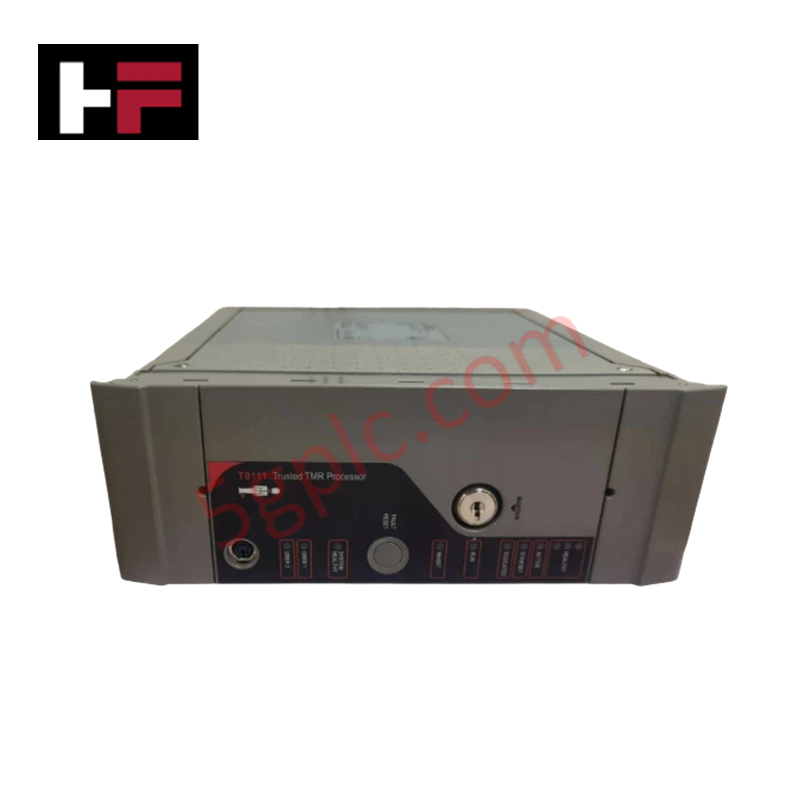
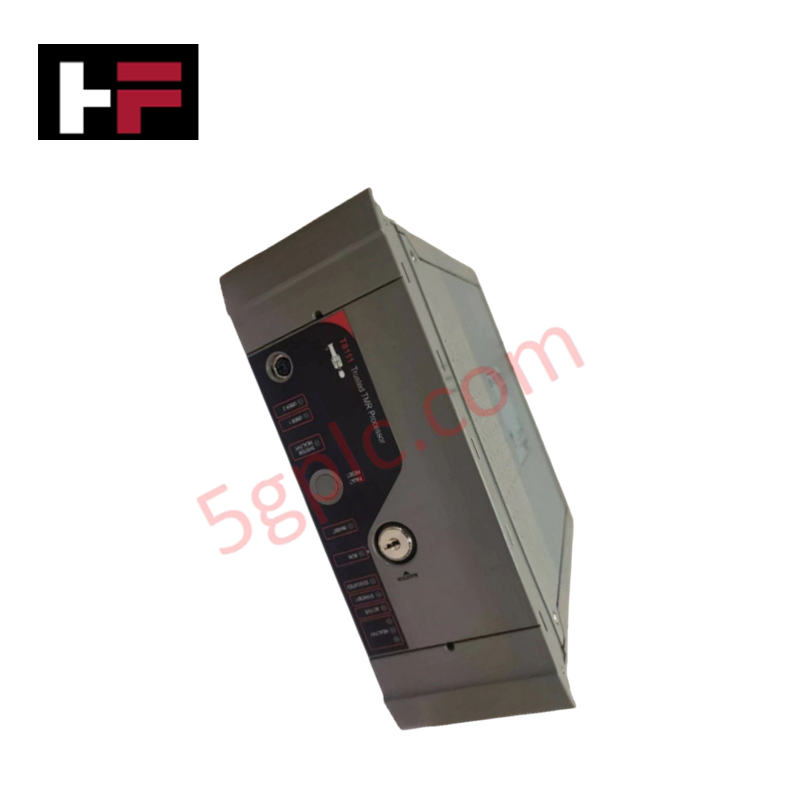
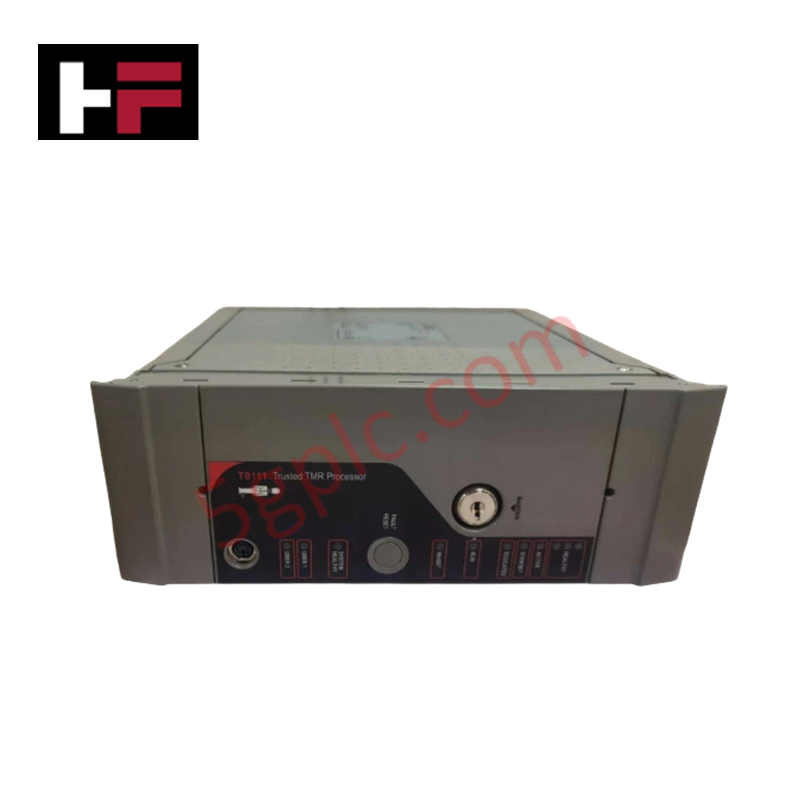
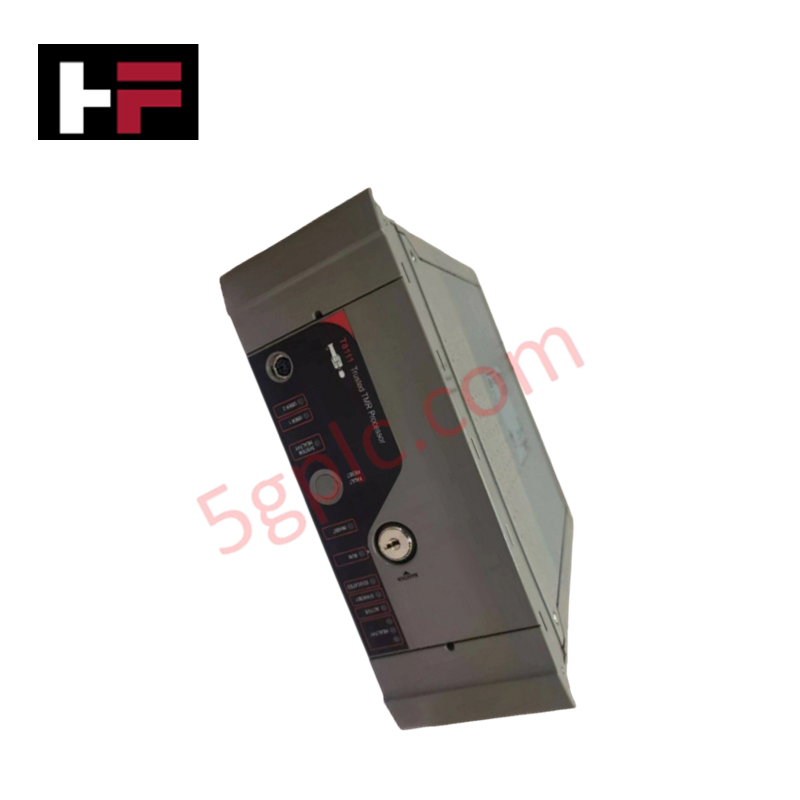
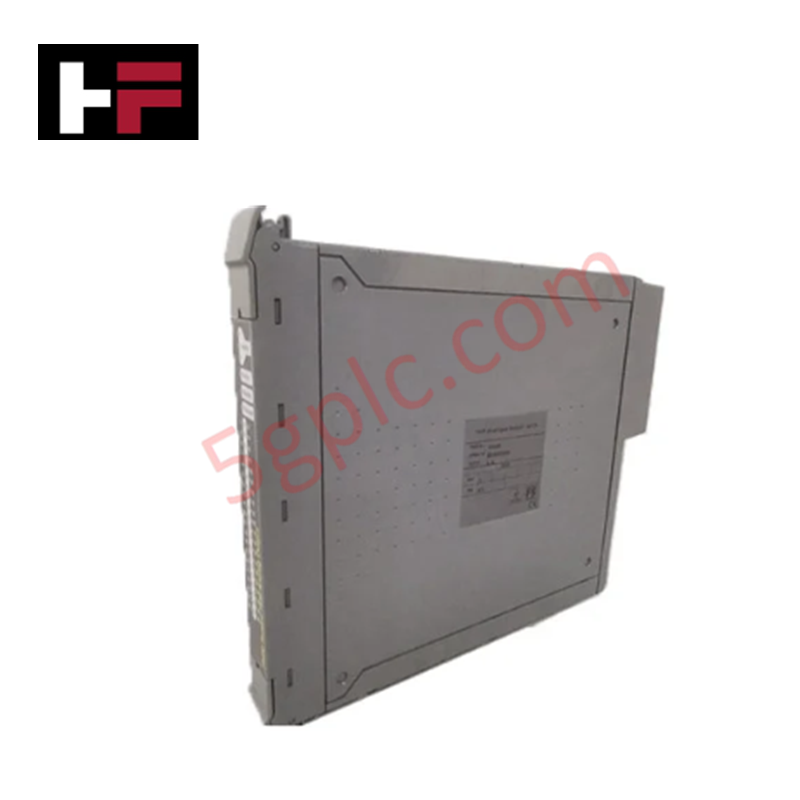
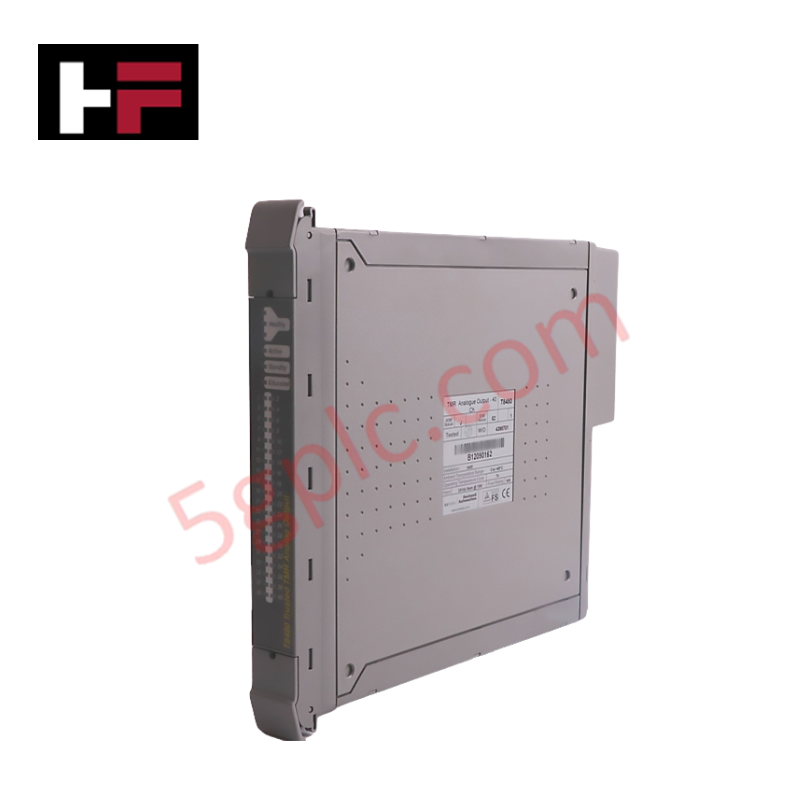
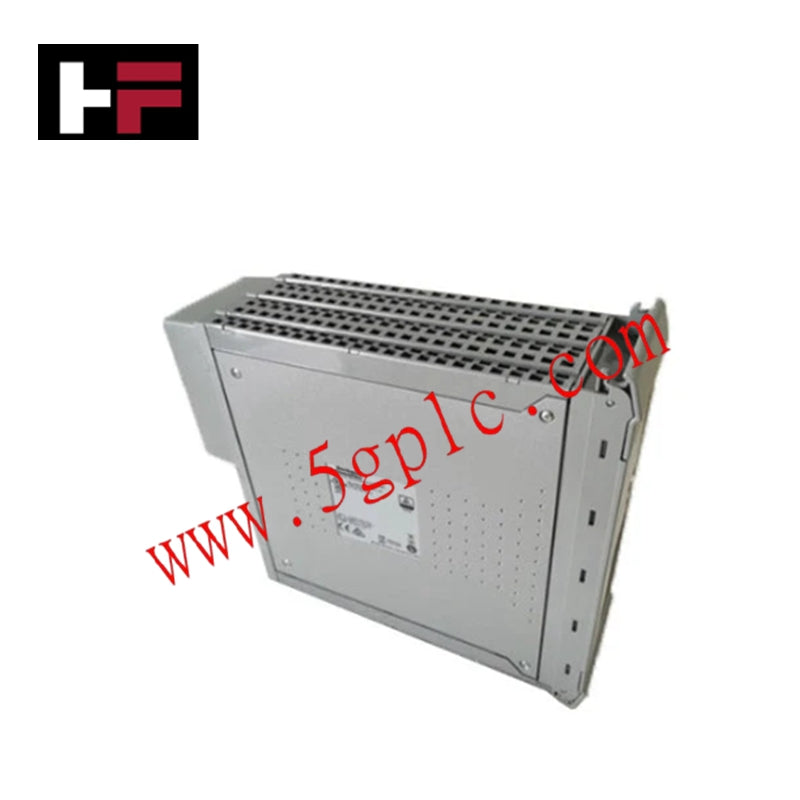
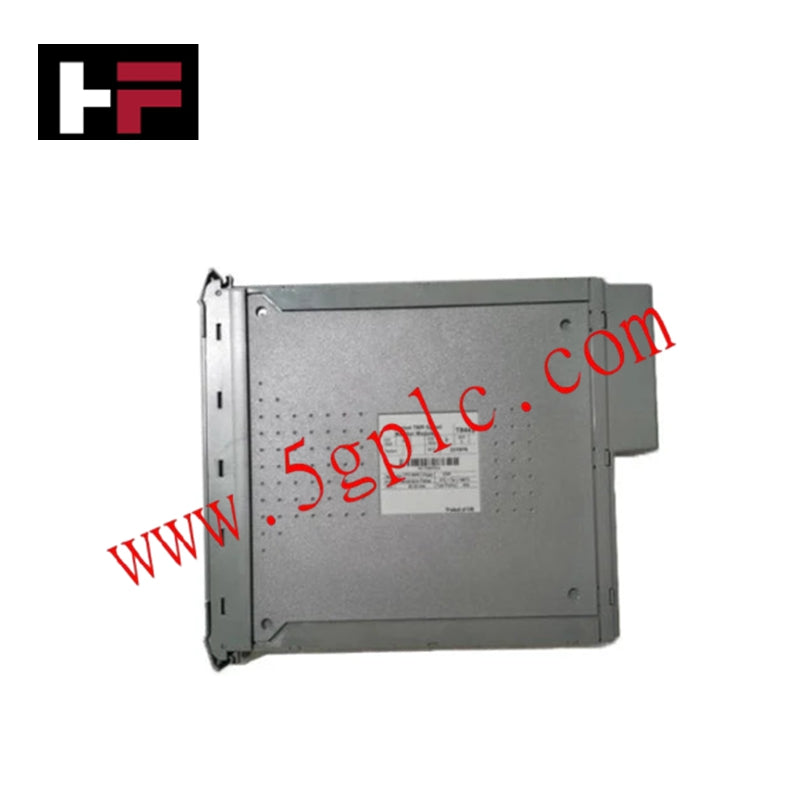
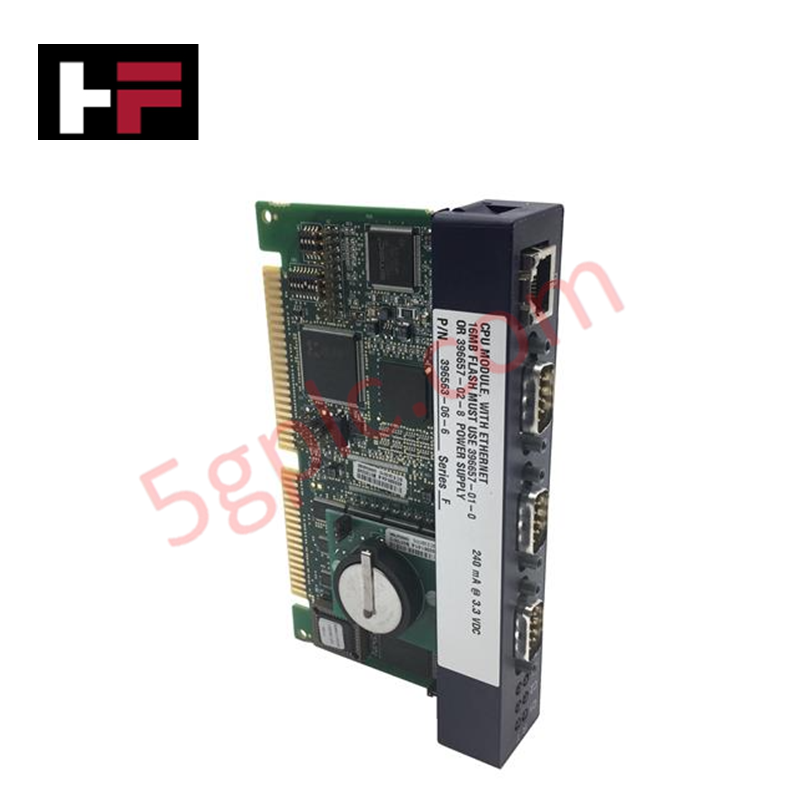
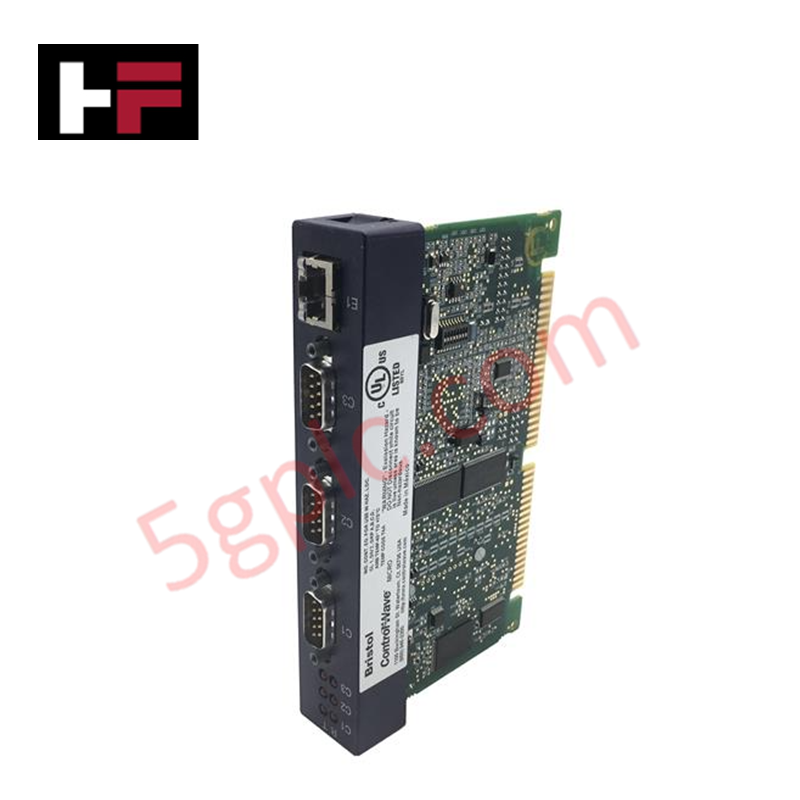
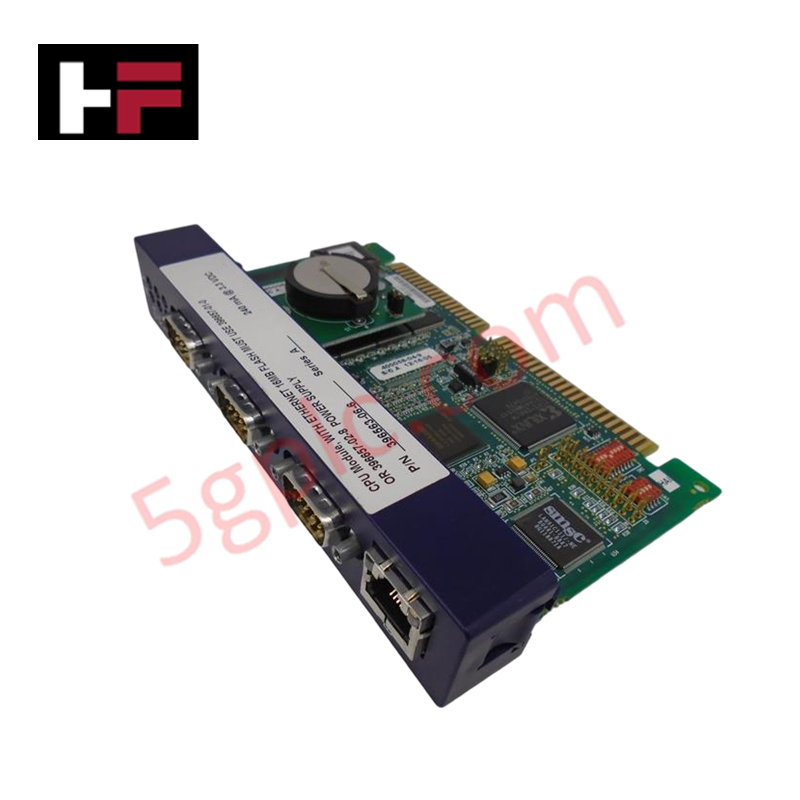
The Emerson 396563-06-6, also cataloged as the 396563-06-6 CPU Module, operates as a dedicated hardware component for central logic processing and Ethernet communication routing within Bristol ControlWave Micro platforms. This hardware subassembly executes mathematical instructions, coordinates regional I/O network operations, and maintains communication linkages over integrated local area networks via physical media connections.
Hardware Specifications
| Parameter | Specification |
| Model | 396563-06-6 |
| Brand | Emerson (Bristol) |
| Origin | USA |
| Weight | 0.26 lbs |
| Dimensions | Standard ControlWave Micro slot module footprint |
| Operating Temp | -40 deg C to +70 deg C |
| Power Consumption | 240 mA at 3.3 VDC |
| Processor Velocity | 150 MHz |
| SRAM Capacity | 4 MB |
| SDRAM Flash Capacity | 16 MB Flash |
| Communication Ports | Integrated Ethernet port and interface tracking lanes |
Process Control Topology and Channel-to-Channel Isolation
Mechanical execution of this 150 MHz central processing hardware relies on a structured layout to manage system parameters. The module includes internal channel-to-channel isolation methods built directly into the local backplane interface buses. This architecture segregates high-frequency processing logic streams from standard field power distribution networks, checking that electrical grounding differentials or transient faults occurring across remote field loop connections do not propagate into the core execution logic units or interrupt the 4-20 mA HART loop protocol tracking blocks.
Frequently Asked Questions
Q: Does this CPU processor module allow real-time online hot-swap insertion when the backplane is active?
A: No. Power to the ControlWave Micro rack assembly must be disconnected before pulling out or sliding in the processor card to avoid data packet corruption or electrical damage to the 3.3 VDC backplane logic tracks.
Q: How are memory definitions distributed between the SRAM and Flash components?
A: The hardware architecture provides 4 MB of volatile static random-access memory (SRAM) for operational instruction queues and variable data tables, backed by 16 MB of synchronous dynamic Flash memory (SDRAM) for the storage of localized firmware configurations.
Field Installation Guidelines
-
Backplane Insertion Controls: Position the processor card into the designated master slot of the ControlWave Micro carrier panel. Push the card straight back into the module alignment guides until the backplane connectors seat completely.
-
Shield Grounding Matrix: Ground all external Ethernet communication cable shields at the entry point of the terminal cabinet structure. Maintain a single-point grounding layout to block low-frequency common-mode noise from disrupting logic instruction loops.
-
Wiring Separation Standards: Route all communication and interface signal cables inside structural conduits separated from high-current AC electrical supply runs by a minimum physical distance of 300 mm.
-
Environmental Enclosure Measures: Mount the processor inside an industrial enclosure rated to handle ambient site parameters, checking that relative humidity stays within a 5% to 95% non-condensing window to avoid trace oxidation.
Additional Information
- 100% Genuine Parts: All products are original and authentic, ensuring reliable industrial performance.
- 30-Day Refund Guarantee: Return any in-stock item within 30 days in original, unopened packaging for a full refund (excluding shipping and fees).
- 12-Month Warranty: Covers defects in materials or workmanship; excludes misuse, normal wear, or unauthorized modifications.
- Worldwide Shipping: We ship via USPS, UPS, FedEx, and DHL. Delivery times vary by country and may be subject to customs or import fees.
- Support & Contact: Technical and warranty assistance is available anytime. Contact us here: Contact.
- Purchase Guidance: Check product specifications and compatibility carefully before ordering to ensure proper application.




Tech & Buying Guide

Understanding Instrumentation Control Systems in Modern Industrial Automation
An instrumentation control system (ICS) serves as the central nervous system of modern manufacturing plants and processing facilities. Engineers classify these setups as Electrical, Electronic, or Programmable Electronic Systems (E/E/PES). In practice, an ICS bridges the physical world of industrial machinery with digital decision-making tools. Therefore, understanding its architecture is essential for anyone working in factory automation, process control, or plant safety.

Mastering Electrical Grounding Fundamentals in Industrial Automation and Control Systems
Electrical grounding is a complex engineering discipline. It requires deep knowledge of soil composition and conductor materials. National Electrical Code (NEC) Article 250 outlines these requirements clearly. Many engineers confuse grounding, earthing, and bonding. Grounding connects circuits to a common reference point. Earthing specifically links equipment directly to the planet. Bonding permanently joins metallic parts to ensure electrical continuity.

Architectural Blueprint of Industrial Automation and Control Systems (IACS): Standards, Safety, and Remote Operations
According to IEC 62443, Industrial Automation and Control Systems (IACS) integrate personnel, hardware, and software. These components collectively influence the safety and reliability of any industrial process. Modern control systems allow extensive remote monitoring and operation. However, enabling remote capabilities introduces complex cybersecurity challenges. Therefore, facility operators must evaluate system functions carefully before expanding connectivity.