












Product Details
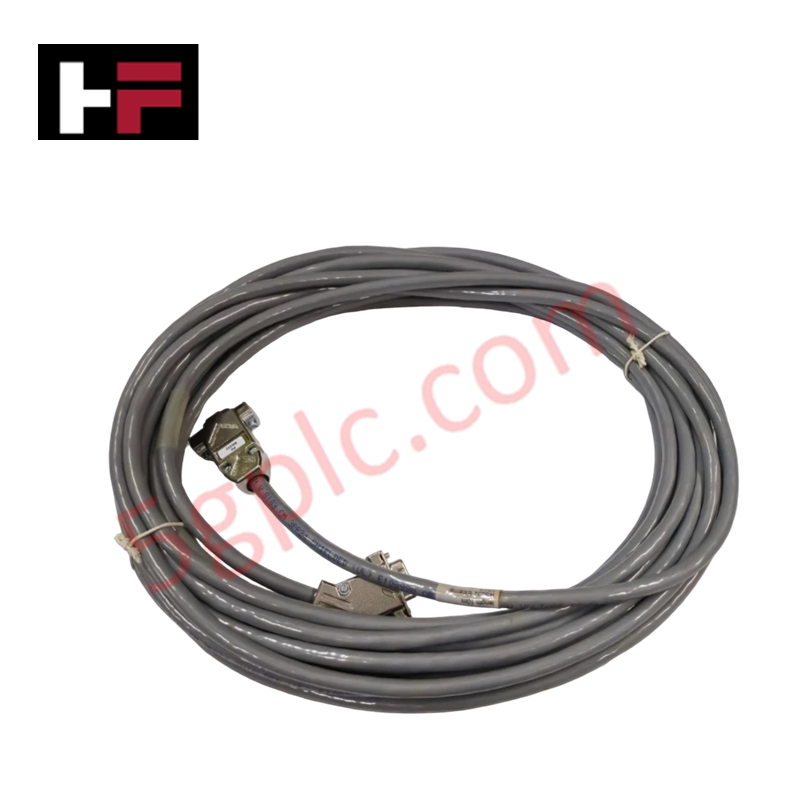
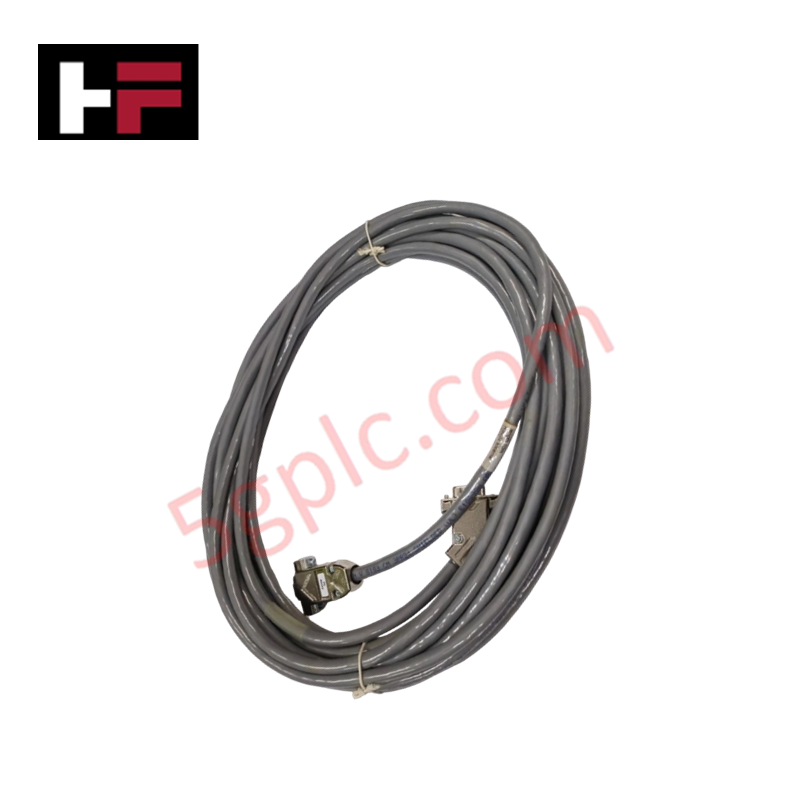
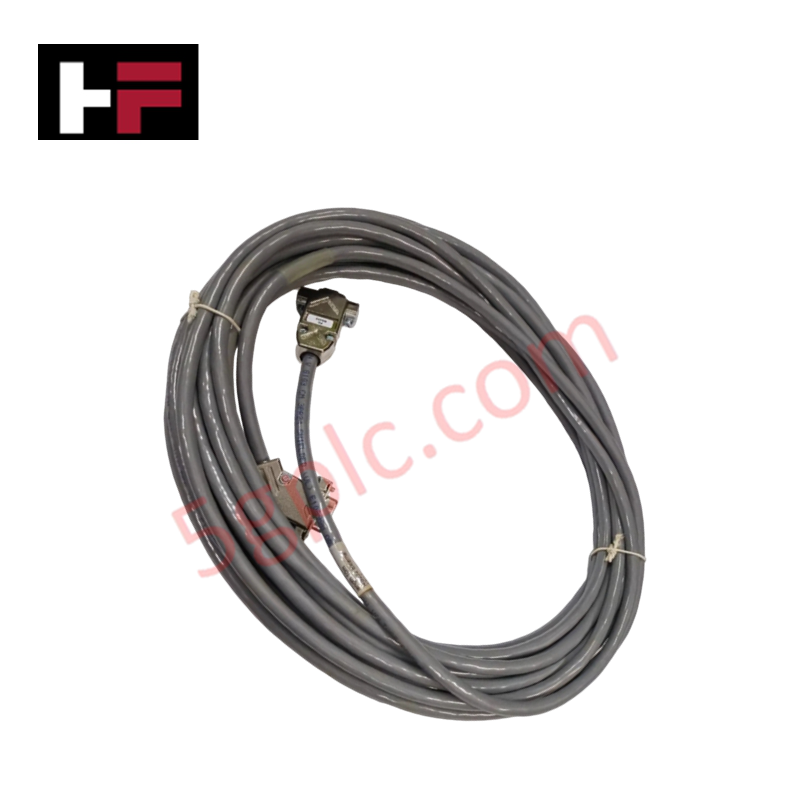
The Honeywell FS-CCE-232-02/L10, also cataloged as the FS-CCE-232-02/L10 PLC Module Cable, operates as a dedicated hardware component for serial data communication between central control processors and external peripheral equipment within Honeywell Safety Manager platforms.
Hardware Specifications
| Parameter | Specification |
|---|---|
| Model | FS-CCE-232-02/L10 |
| Brand | Honeywell |
| Origin | Netherlands |
| Weight | 0.8 kg |
| Dimensions | 10 m overall length (32.8 ft) |
| Operating Temp | -20 to 70 deg C |
| Power Consumption | Passive signal communication cable |
| Signal Standard | RS-232 serial communication interface |
| Sub-suffix Code | L10 (10-meter factory cable length) |
| Cable Construction | Shielded twisted-pair multi-conductor copper |
| Shielding | Continuous foil and braided shield overlay |
Channel-to-Channel Isolation and Serial Interface Integrity
The FS-CCE-232-02/L10 serial cable establishes deterministic point-to-point data transmission while maintaining high electromagnetic noise immunity across the RS-232 physical layer. Designed to prevent signal attenuation over its 10-meter length, the cable incorporates dual-layer shielding that redirects ambient high-frequency noise directly to the chassis ground plane. This shielding protects internal serial communication drivers from common-mode voltage spikes and preserves isolation barriers between connected control processors and external DCS field interfaces or diagnostic toolsets.
Frequently Asked Questions
Q: Does the "L10" suffix denote a specific cable length or wire gauge configuration?
A: The "L10" suffix designates a standard factory-manufactured overall cable length of 10 meters (32.8 feet), built with low-capacitance conductors to maintain RS-232 baud rate stability over distance.
Q: How is signal shielding grounded across the cable assembly?
A: The overall foil and braid shield connects to the connector metal shell to ensure continuous 360-degree grounding when mated with the system chassis connector receptacle.
Q: What is the maximum recommended baud rate for serial communication over this 10-meter cable length?
A: For standard RS-232 signaling over 10 meters, stable transmission is typical at baud rates up to 19.2 kbps or 38.4 kbps, depending on the noise profile of the field environment.
Field Installation Guidelines
- Inspect the connector pins and locking hardware for damage or misalignment prior to installation.
- Route the cable through dedicated low-voltage instrument raceways, keeping a minimum clearance of 300 mm from high-voltage AC cables and VFD motor leads.
- Observe the minimum bend radius (typically 10 times outer diameter) to avoid damaging internal twisted pairs and shielding layers.
- Fasten the connector thumbscrews tightly to ensure low-resistance contact between the shield housing and the chassis earth ground.
- Verify ground potential equalization between connected equipment chassis before mating serial interface connectors.
Additional Information
- 100% Genuine Parts: All products are original and authentic, ensuring reliable industrial performance.
- 30-Day Refund Guarantee: Return any in-stock item within 30 days in original, unopened packaging for a full refund (excluding shipping and fees).
- 12-Month Warranty: Covers defects in materials or workmanship; excludes misuse, normal wear, or unauthorized modifications.
- Worldwide Shipping: We ship via USPS, UPS, FedEx, and DHL. Delivery times vary by country and may be subject to customs or import fees.
- Support & Contact: Technical and warranty assistance is available anytime. Contact us here: Contact.
- Purchase Guidance: Check product specifications and compatibility carefully before ordering to ensure proper application.


Tech & Buying Guide

Marshalling Cabinet Preventive Maintenance: Essential Healthiness Checks for PLC, DCS, and ESD Systems
Marshalling cabinets serve as the vital interface between field instrumentation and control room electronics in modern process facilities. Regular preventive maintenance of these cabinets ensures signal integrity across programmable logic controllers (PLCs), distributed control systems (DCS), and emergency shutdown (ESD) networks. System technicians must execute structured inspection protocols to mitigate environmental risks, identify loose wiring, and maintain continuous operational readiness.

Spatial Computing in Industrial Automation: Elevating PLC and DCS Operations with AR and VR
Industry 4.0 integrates digital intelligence into field operations, transforming factory automation landscapes worldwide. Spatial technologies—specifically Augmented Reality (AR) and Virtual Reality (VR)—redefine how engineers interact with industrial control systems. By bridging computer-generated CAD models with real-time operational technology (OT) data, immersive displays enable intuitive monitoring, rapid diagnostics, and safer maintenance across complex processing facilities.

Master Acceptance Testing: Understanding FAT and SAT in Industrial Control Systems
Factory Acceptance Testing (FAT) and Site Acceptance Testing (SAT) serve as critical quality assurance gateways in complex industrial control systems. Both procedures verify that programmable logic controllers (PLCs), distributed control systems (DCS), and associated field devices meet strict functional specifications. However, executing these tests effectively requires clear delineation between off-site staging and final field commissioning.