












Product Details
Product Overview
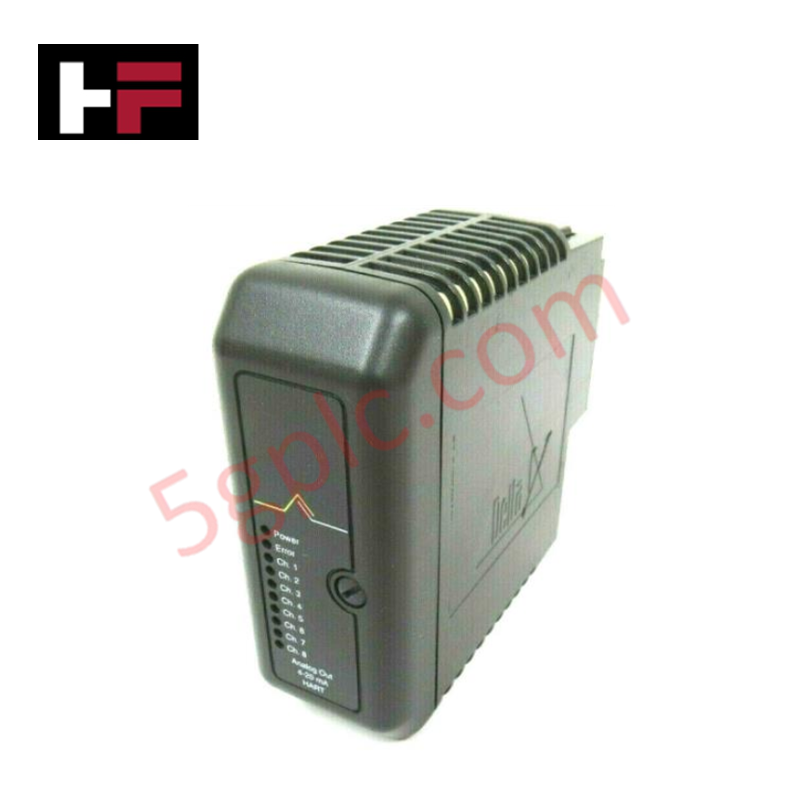
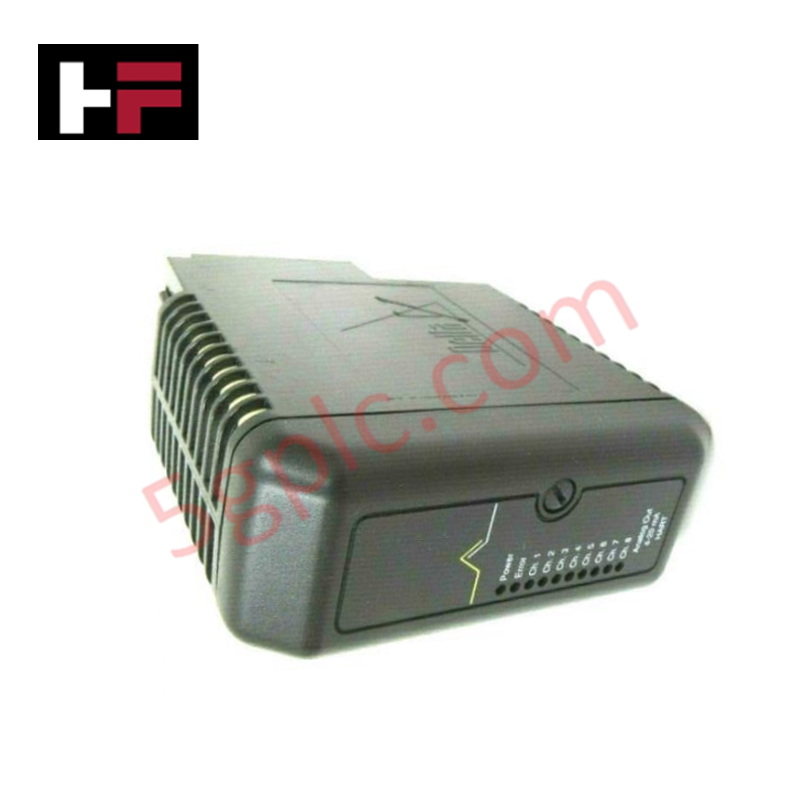
The Emerson KJ3242X1-FA1 operates as a high-density, redundant H1 Fieldbus terminal block within the DeltaV distributed control system (DCS) topology. This specialized physical layer interface hardware manages bidirectional digital communications between upstream DeltaV H1 carrier cards and downstream FOUNDATION Fieldbus field instruments like smart transmitters and valve positioners. The hardware architecture incorporates redundant signal routing paths to ensure seamless, continuous process communications even during a physical wire fault or connection drop in critical processing loops. We guarantee this redundant terminal block arrives in 100% brand new, original factory-sealed condition.
Technical Specifications
| Parameter | Specification |
| Manufacturer | Emerson Automation Solutions |
| Product Line | DeltaV DCS Platform |
| Part Number | KJ3242X1-FA1 / KJ3242x1-FA1 |
| Product Type | Redundant H1 Fieldbus Terminal Block Module |
| Input Power Voltage Rating | 35 V DC |
| Maximum Current Rating | 500 mA |
| Ambient Temperature Range | -40 to +158°F (-40°C to +70°C) |
| Relative Humidity Limits | 5% to 95% Non-Condensing |
| Airborne Contaminants Protection | ISA-S71.04-1985 Class G3 Conformal Standards |
| Mechanical Shock Resistance | 10 g half-sine wave for 11 ms duration |
| Vibration Tolerances (Low Freq) | 1 mm peak-to-peak from 2 to 13.2 Hz |
| Vibration Tolerances (High Freq) | 0.7 g acceleration from 13.2 to 150 Hz |
Engineering Advantages
-
Fault-Tolerant Redundant Signaling Layout: The internal architecture features independent, paralleled communication routing lines for redundant H1 fieldbus links. If a physical connection path fails or breaks, the secondary circuit path immediately routes the full digital data stream without causing device dropouts, macrocycle timing lags, or unintended system trips.
-
Corrosive-Gas Defense via Class G3 Conformal Standards: The terminal assembly utilizes chemical-resistant insulation barriers that comply fully with ISA-S71.04-1985 Class G3 standards. This advanced engineering layer stops airborne contaminants—such as hydrogen sulfide ($H_2S$), sulfur dioxide ($SO_2$), and moisture—from triggering copper corrosion on vital termination contact pins inside aggressive petrochemical or wastewater facilities.
-
Severe Physical Resiliency to Resonance Shock: The mechanical framework counteracts heavy physical impacts, surviving continuous mechanical vibration up to 0.7 g between 13.2 and 150 Hz alongside sudden 10 g half-sine shocks. This mechanical tuning eliminates loose-wire faults and intermittent signal chatter when mounting the device directly inside field enclosures near heavy-duty reciprocating pumps.
-
Broad Thermal Envelope Stability: The specialized structural components withstand extreme temperature transitions over a harsh -40°F to +158°F (-40°C to +70°C) band. The module maintains precise electrical contact resistance across this entire thermal spectrum, allowing installation in exposed, non-climate-controlled remote field junction cabinets.
FAQs
-
Does this KJ3242X1-FA1 terminal block ship inside its original factory box?
Yes. We deliver this terminal block exclusively as a 100% brand new, factory-original component. The unit remains sealed within its untouched, original Emerson anti-static protective wrap inside the official manufacturer box, retaining all factory inspection stamps, tracking barcodes, and quality seals.
-
What type of field networks match this specific terminal block?
The KJ3242X1-FA1 interfaces directly with FOUNDATION Fieldbus H1 network segments within the DeltaV control architecture. It handles the high-frequency digital communications and power delivery demands of H1-compliant process instrumentation up to an operational ceiling of 35 V DC and 500 mA.
-
Can I replace this terminal block while the DeltaV carrier rack is active?
You must check your process loop topology and isolate the specific network section before disconnecting a localbus extension or core terminal block element. While the system allows hot-swapping on individual I/O modules, removing a primary redundant H1 terminal block breaks the active wiring connection to all down-line field instruments connected to that segment.
-
How does this terminal block perform in heavy coastal humidity?
The module withstands non-condensing relative humidity ranges from 5% to 95%. When dealing with salt-spray or humid coastal atmospheres that generate localized liquid condensation, install the terminal base assembly within an appropriately sealed NEMA 4X or IP66 field enclosure to protect the signal pins from liquid water accumulation.
Additional Information
- 100% Genuine Parts: All products are original and authentic, ensuring reliable industrial performance.
- 30-Day Refund Guarantee: Return any in-stock item within 30 days in original, unopened packaging for a full refund (excluding shipping and fees).
- 12-Month Warranty: Covers defects in materials or workmanship; excludes misuse, normal wear, or unauthorized modifications.
- Worldwide Shipping: We ship via USPS, UPS, FedEx, and DHL. Delivery times vary by country and may be subject to customs or import fees.
- Support & Contact: Technical and warranty assistance is available anytime. Contact us here: Contact.
- Purchase Guidance: Check product specifications and compatibility carefully before ordering to ensure proper application.






Tech & Buying Guide

Understanding Marshalling Cabinets in Industrial Control Systems Architecture
Industrial control system deployments rely on structured signal distribution to bridge field instrumentation with central processing hardware. A marshalling cabinet serves as the vital intermediate connection point between heavy field home-run multi-pair cables and delicate input/output (I/O) modules housed inside Programmable Logic Controller (PLC) or Distributed Control System (DCS) enclosures. By segregating field cable terminations from control hardware, engineers maintain system flexibility, safeguard controller components, and streamline commissioning workflows.

FAT vs SAT in Industrial Control Systems: Key Differences and Execution Guide
Industrial control system deployment relies on strict verification protocols to guarantee operational safety, system stability, and regulatory compliance. Commissioning complex Programmable Logic Controller (PLC) racks, Distributed Control Systems (DCS), and Safety Instrumented Systems (SIS) requires two critical milestones: the Factory Acceptance Test (FAT) and the Site Acceptance Test (SAT). Both procedures validate that system automation meets design specifications, but they occur at different stages of project execution and target distinct operational risks.

Hub vs Switch vs Router in Industrial Automation Architecture
Modern factory automation relies on reliable industrial networking infrastructure to exchange real-time field data across operational technology systems. Engineers often encounter networking hardware like hubs, switches, and routers when integrating Programmable Logic Controllers, Distributed Control Systems, and SCADA monitoring nodes. Although these devices share physical ports, they operate at different layers of the Open Systems Interconnection reference model and deliver distinct traffic management capabilities.