












Product Details
Product Overview
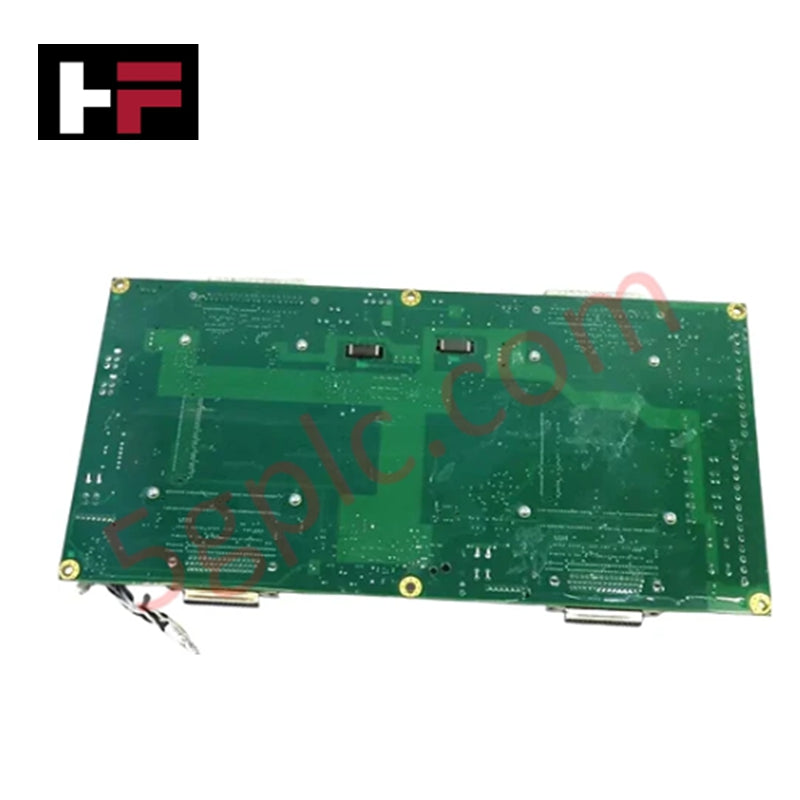
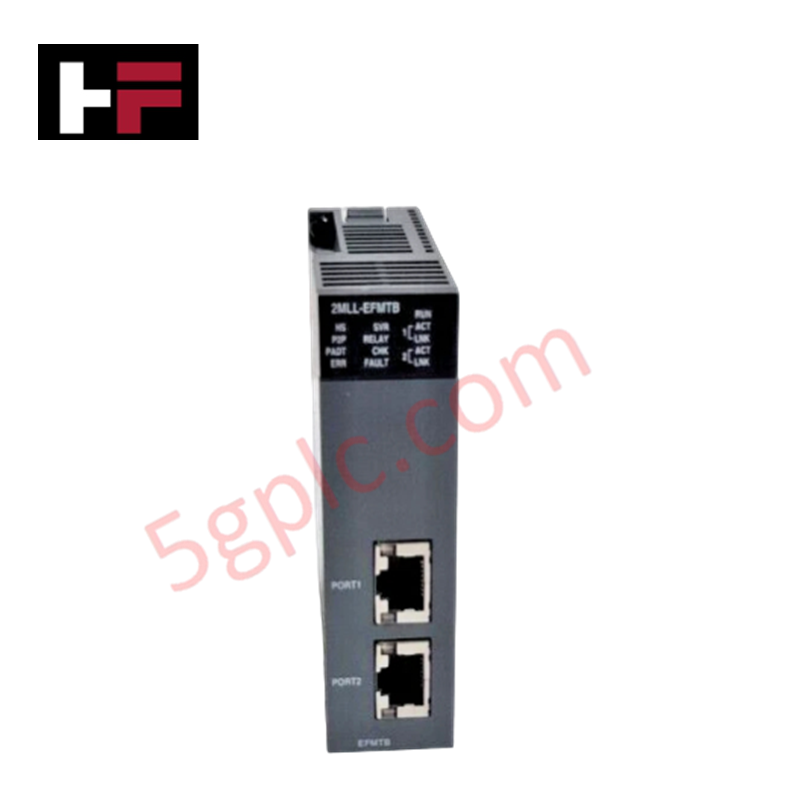
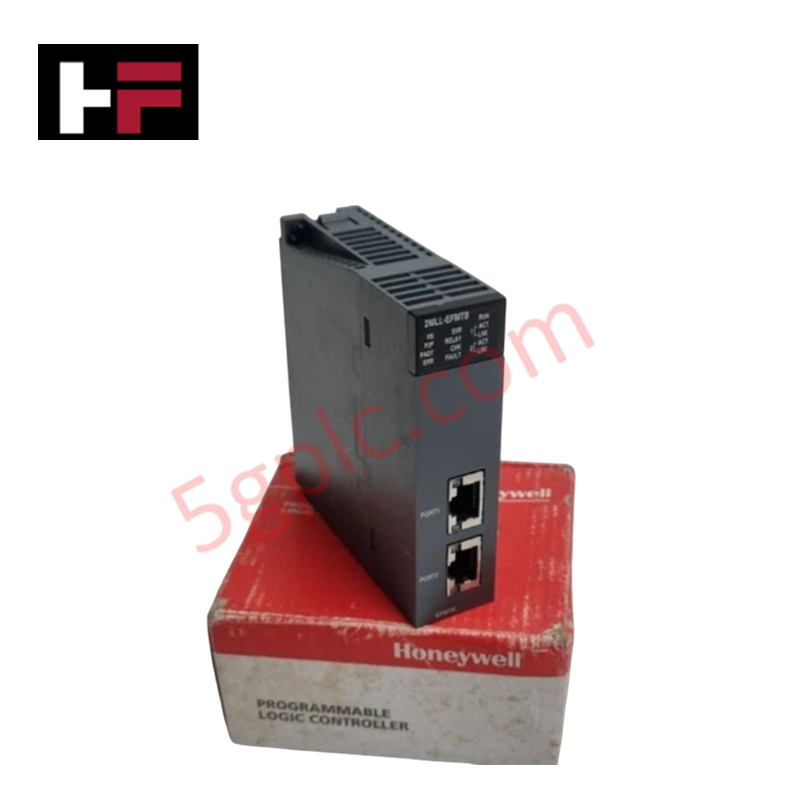
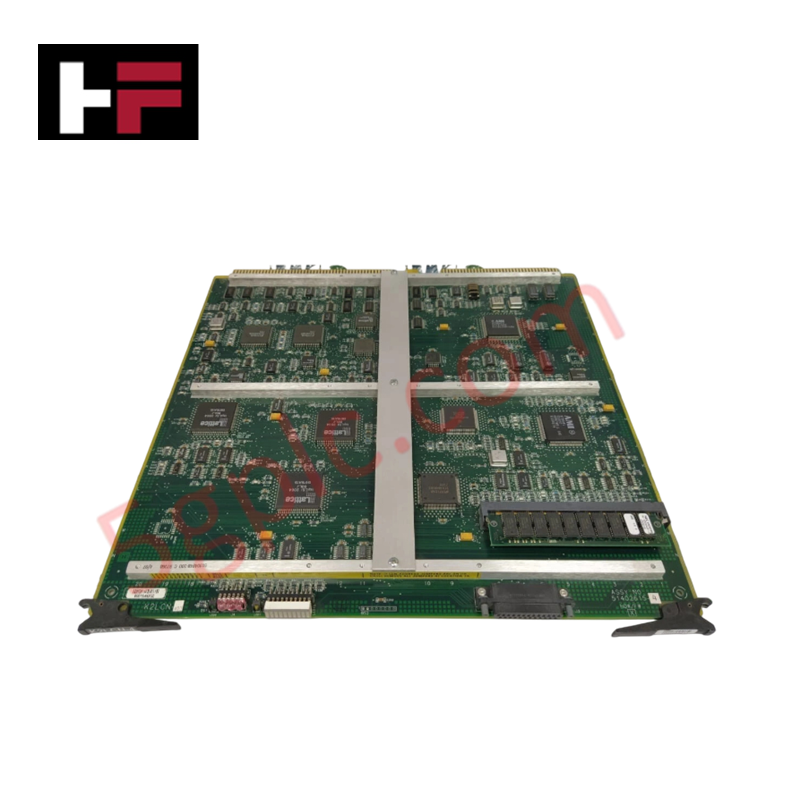
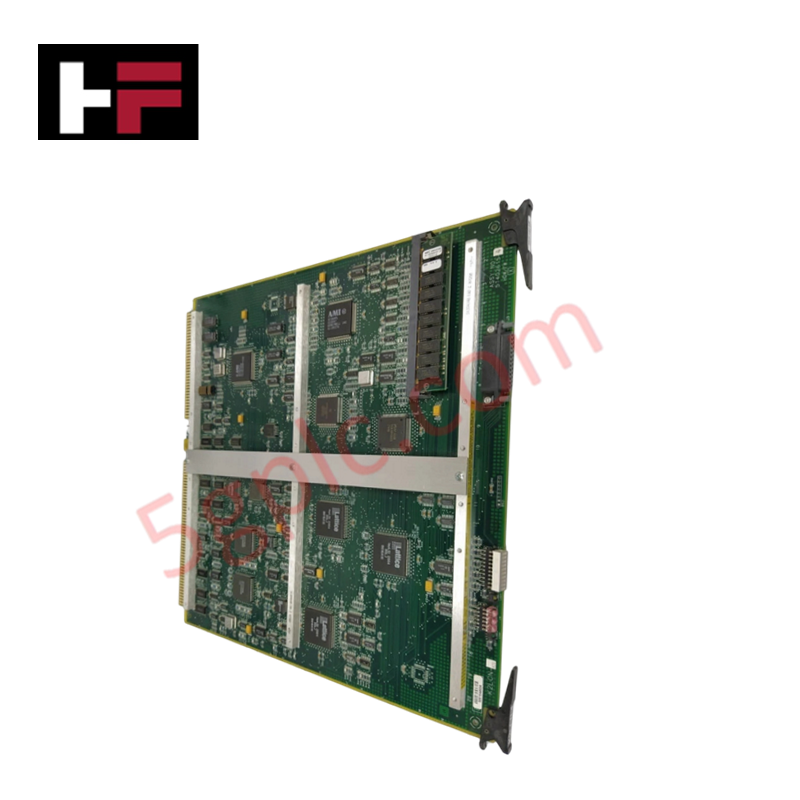
The GE IS200REBFH1BBA functions as a high-performance Ethernet Interface Board within the Mark VI Speedtronic turbine control system. This module facilitates deterministic data exchange and provides critical hardware interlocking through its integrated relay outputs. It bridges the gap between the control processor and the plant network, ensuring synchronized communication in complex power generation environments.
Technical Specifications
-
Manufacturer: General Electric (GE)
-
Series: Mark VI
-
Board Type: Ethernet Interface Board
-
Power Input: 24VDC Nominal
-
Relay Configuration: 16 Form C Relay Outputs
-
Communication: Dual Redundant Ethernet Ports
-
Protocol Support: TCP/IP, UDP, Ethernet
-
Operating Temperature: -40°C to 70°C (-40°F to 158°F)
-
Humidity: 5% to 95% RH (Non-condensing)
-
Dimensions: 15.24 cm x 10.16 cm x 2.54 cm
-
Weight: 0.3 kg (0.66 lbs)
-
Condition: 100% Brand New Original
Engineering Advantages
-
Network Redundancy: The dual Ethernet port architecture eliminates single points of failure. In the event of a cable break or port malfunction, the board maintains uninterrupted data flow to the Mark VI controller, preventing nuisance turbine trips.
-
High-Density Output Control: This board integrates 16 Form C relays into a compact 6.0-inch footprint. This design allows engineers to manage multiple field devices—such as solenoid valves and motor starters—directly through the Ethernet interface, saving significant cabinet space and reducing wiring complexity.
-
Industrial Hardening: The IS200REBFH1BBA operates reliably in extreme temperatures ranging from -40°C to 70°C. This wide thermal window ensures stable performance in unconditioned auxiliary compartments or remote locations subject to seasonal weather extremes.
-
Visual Diagnostics: Onboard LED indicators provide real-time status updates for power, link activity, and port status. This hardware-level feedback accelerates onsite troubleshooting, allowing technicians to identify network issues without connecting external diagnostic tools.
FAQs
-
Does this IS200REBFH1BBA unit ship in original factory packaging?
Yes. We supply this module as 100% Brand New in the original GE factory box. Each unit includes a verifiable serial number to ensure full E-E-A-T compliance for your maintenance logs.
-
How does the board handle power fluctuations?
The board utilizes a 24VDC nominal input designed to withstand the typical voltage ripples found in industrial power supplies. However, we recommend using a regulated power source to protect the sensitive relay coils and communication chipsets.
-
Can the IS200REBFH1BBA replace older REBF revision boards?
The H1BBA revision typically offers backward compatibility with older Mark VI REBF boards. You must verify your specific site configuration in the GE Toolbox software to ensure the firmware matches your existing rack requirements.
-
What are the mounting requirements for this module?
The compact 2.54 cm height allows for low-profile mounting within the Mark VI rack. Ensure you maintain the specified humidity levels (5% to 95% non-condensing) to prevent moisture buildup on the Ethernet connectors and relay contacts.
Additional Information
- 100% Genuine Parts: All products are original and authentic, ensuring reliable industrial performance.
- 30-Day Refund Guarantee: Return any in-stock item within 30 days in original, unopened packaging for a full refund (excluding shipping and fees).
- 12-Month Warranty: Covers defects in materials or workmanship; excludes misuse, normal wear, or unauthorized modifications.
- Worldwide Shipping: We ship via USPS, UPS, FedEx, and DHL. Delivery times vary by country and may be subject to customs or import fees.
- Support & Contact: Technical and warranty assistance is available anytime. Contact us here: Contact.
- Purchase Guidance: Check product specifications and compatibility carefully before ordering to ensure proper application.






Tech & Buying Guide

Understanding Marshalling Cabinets in Industrial Control Systems Architecture
Industrial control system deployments rely on structured signal distribution to bridge field instrumentation with central processing hardware. A marshalling cabinet serves as the vital intermediate connection point between heavy field home-run multi-pair cables and delicate input/output (I/O) modules housed inside Programmable Logic Controller (PLC) or Distributed Control System (DCS) enclosures. By segregating field cable terminations from control hardware, engineers maintain system flexibility, safeguard controller components, and streamline commissioning workflows.

FAT vs SAT in Industrial Control Systems: Key Differences and Execution Guide
Industrial control system deployment relies on strict verification protocols to guarantee operational safety, system stability, and regulatory compliance. Commissioning complex Programmable Logic Controller (PLC) racks, Distributed Control Systems (DCS), and Safety Instrumented Systems (SIS) requires two critical milestones: the Factory Acceptance Test (FAT) and the Site Acceptance Test (SAT). Both procedures validate that system automation meets design specifications, but they occur at different stages of project execution and target distinct operational risks.

Hub vs Switch vs Router in Industrial Automation Architecture
Modern factory automation relies on reliable industrial networking infrastructure to exchange real-time field data across operational technology systems. Engineers often encounter networking hardware like hubs, switches, and routers when integrating Programmable Logic Controllers, Distributed Control Systems, and SCADA monitoring nodes. Although these devices share physical ports, they operate at different layers of the Open Systems Interconnection reference model and deliver distinct traffic management capabilities.