










Product Details
Product Description
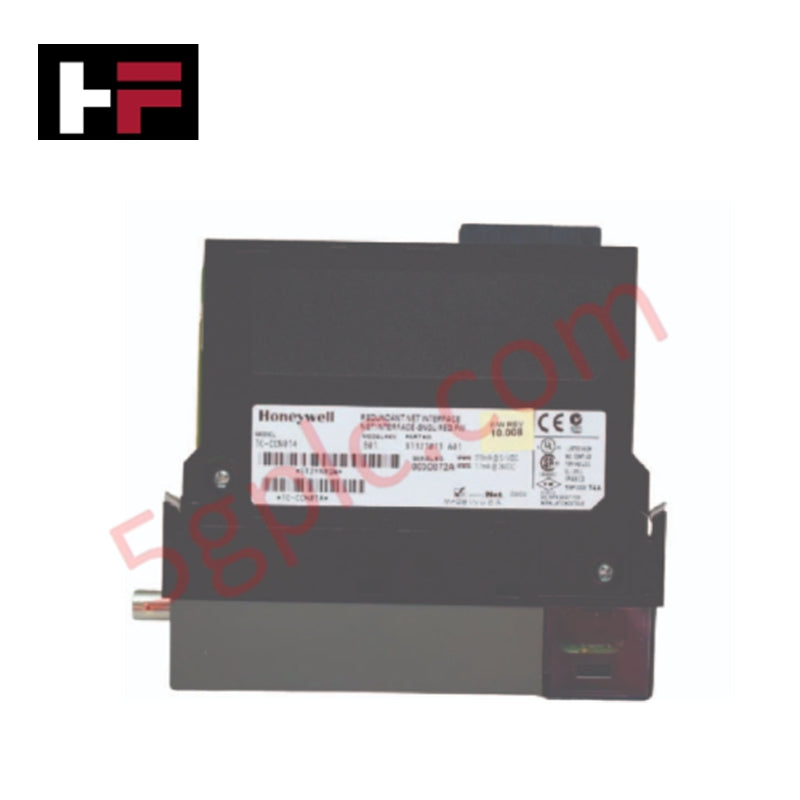
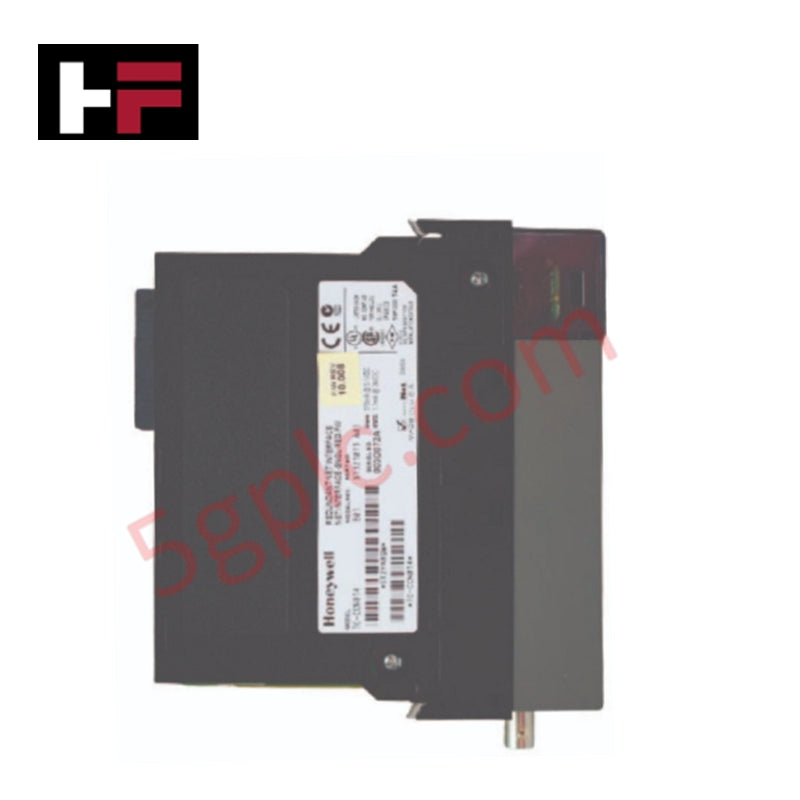
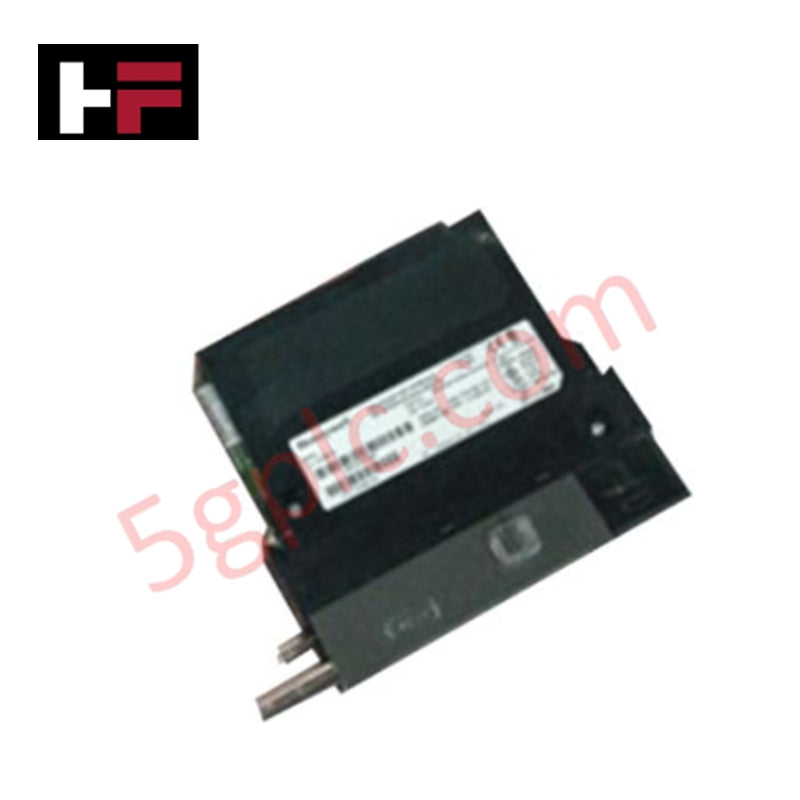
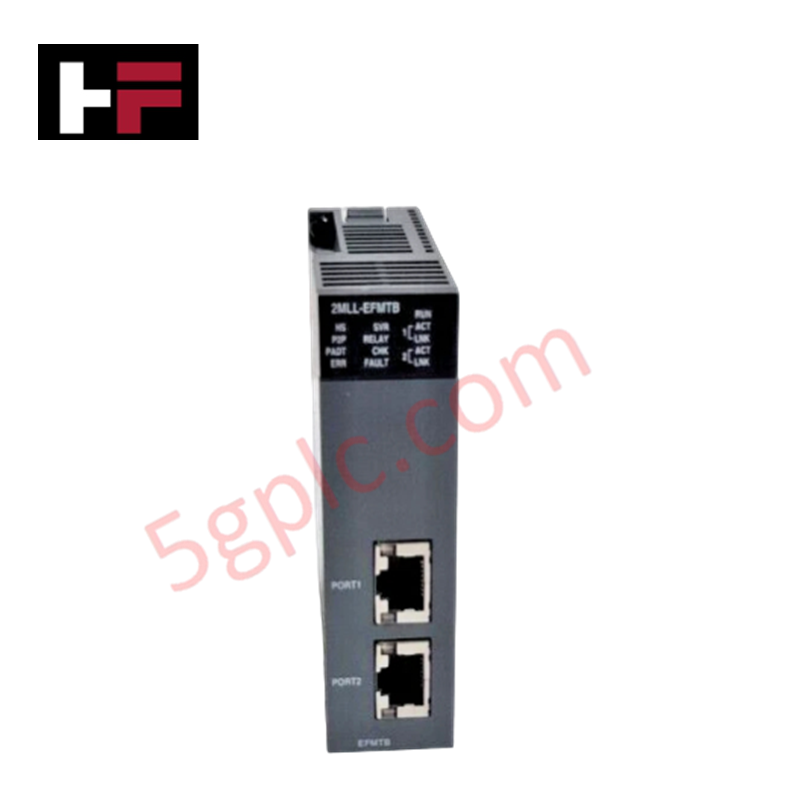
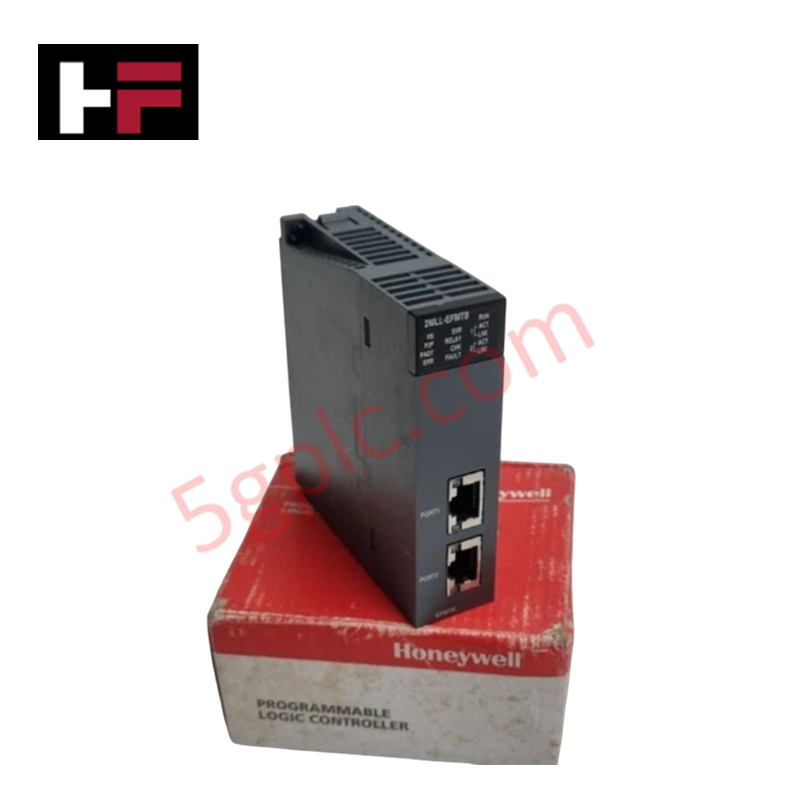
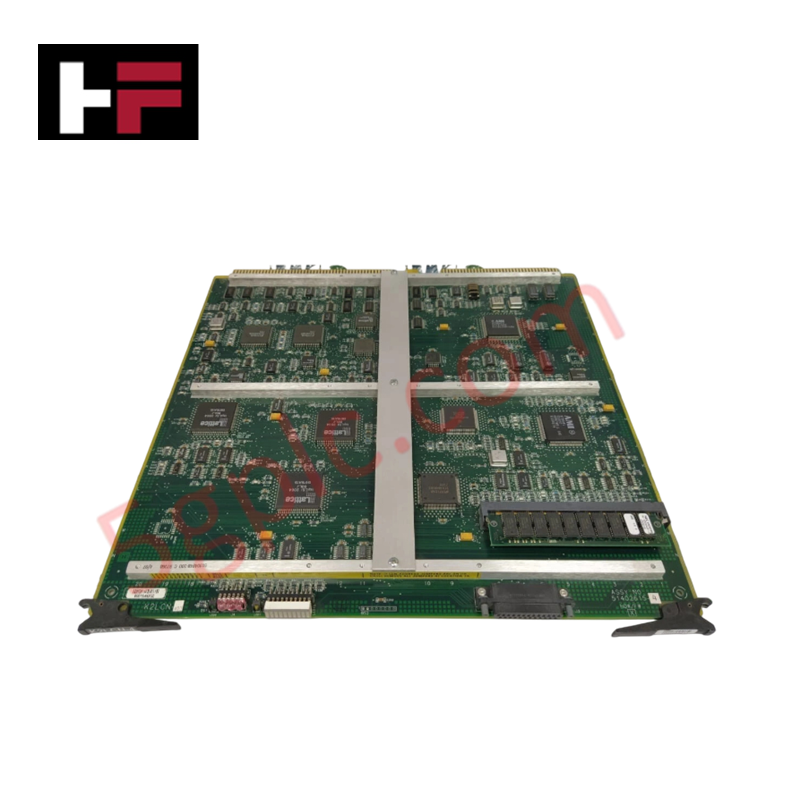
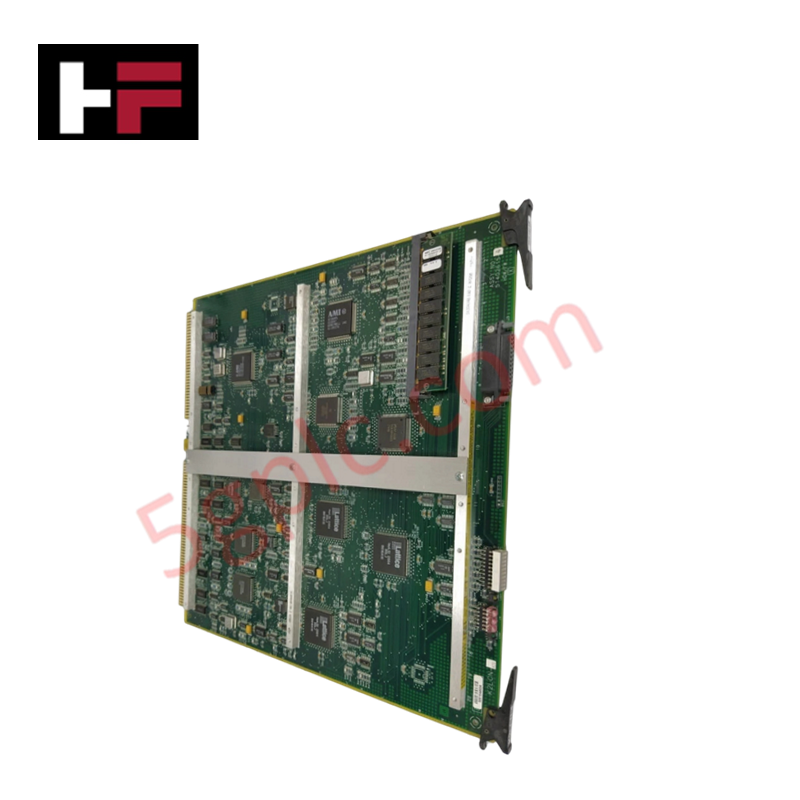
The TC-CCN014 is a specialized communication bridge designed for Honeywell Experion PKS and PlantScape systems that utilize the ControlNet protocol. This module serves as a critical interface for managing redundant network media, ensuring that high-speed control data and I/O traffic remain uninterrupted in the event of a cable or transceiver failure. By providing a synchronized path for dual-media configurations, it maximizes system availability and maintains deterministic communication across the industrial backplane.
Technical Specifications
-
Model Identification: TC-CCN014
-
Primary Function: Redundant ControlNet Network Interface
-
Communication Protocol: ControlNet (Redundant Media Support)
-
Form Factor: PC Board PLC Add-On / Rack-Mounted Module
-
Network Connectivity: Dual BNC or specialized high-speed media ports for redundant paths
-
Diagnostic Indicators: Integrated LEDs for status monitoring of Network A and Network B
-
Physical Weight: 0.23 kg (approx. 0.51 lbs)
-
Lifecycle Status: Discontinued by Manufacturer (Legacy Support availability)
-
Operating Environment: Designed for standard industrial control cabinet temperatures
Reliability and Redundancy Logic
The TC-CCN014 operates by monitoring two physical network segments simultaneously. If the module detects a signal loss or excessive noise on the primary path, it seamlessly switches to the secondary path without disrupting the process control loop. This hardware-level redundancy is essential for mission-critical applications where network downtime could lead to hazardous conditions or significant production loss.
Frequently Asked Questions
-
Can this module be used in a non-redundant configuration?
While the TC-CCN014 is specifically engineered for redundancy, it can operate on a single network path; however, the redundancy diagnostic alarms may remain active unless configured otherwise in the system software.
-
Is this compatible with standard Ethernet hardware?
No, this module is dedicated to the ControlNet protocol and requires specific ControlNet taps and RG-6 coaxial cabling to function correctly within the Honeywell architecture.
Additional Information
- 100% Genuine Parts: All products are original and authentic, ensuring reliable industrial performance.
- 30-Day Refund Guarantee: Return any in-stock item within 30 days in original, unopened packaging for a full refund (excluding shipping and fees).
- 12-Month Warranty: Covers defects in materials or workmanship; excludes misuse, normal wear, or unauthorized modifications.
- Worldwide Shipping: We ship via USPS, UPS, FedEx, and DHL. Delivery times vary by country and may be subject to customs or import fees.
- Support & Contact: Technical and warranty assistance is available anytime. Contact us here: Contact.
- Purchase Guidance: Check product specifications and compatibility carefully before ordering to ensure proper application.






Tech & Buying Guide

Understanding Marshalling Cabinets in Industrial Control Systems Architecture
Industrial control system deployments rely on structured signal distribution to bridge field instrumentation with central processing hardware. A marshalling cabinet serves as the vital intermediate connection point between heavy field home-run multi-pair cables and delicate input/output (I/O) modules housed inside Programmable Logic Controller (PLC) or Distributed Control System (DCS) enclosures. By segregating field cable terminations from control hardware, engineers maintain system flexibility, safeguard controller components, and streamline commissioning workflows.

FAT vs SAT in Industrial Control Systems: Key Differences and Execution Guide
Industrial control system deployment relies on strict verification protocols to guarantee operational safety, system stability, and regulatory compliance. Commissioning complex Programmable Logic Controller (PLC) racks, Distributed Control Systems (DCS), and Safety Instrumented Systems (SIS) requires two critical milestones: the Factory Acceptance Test (FAT) and the Site Acceptance Test (SAT). Both procedures validate that system automation meets design specifications, but they occur at different stages of project execution and target distinct operational risks.

Hub vs Switch vs Router in Industrial Automation Architecture
Modern factory automation relies on reliable industrial networking infrastructure to exchange real-time field data across operational technology systems. Engineers often encounter networking hardware like hubs, switches, and routers when integrating Programmable Logic Controllers, Distributed Control Systems, and SCADA monitoring nodes. Although these devices share physical ports, they operate at different layers of the Open Systems Interconnection reference model and deliver distinct traffic management capabilities.