










Product Details
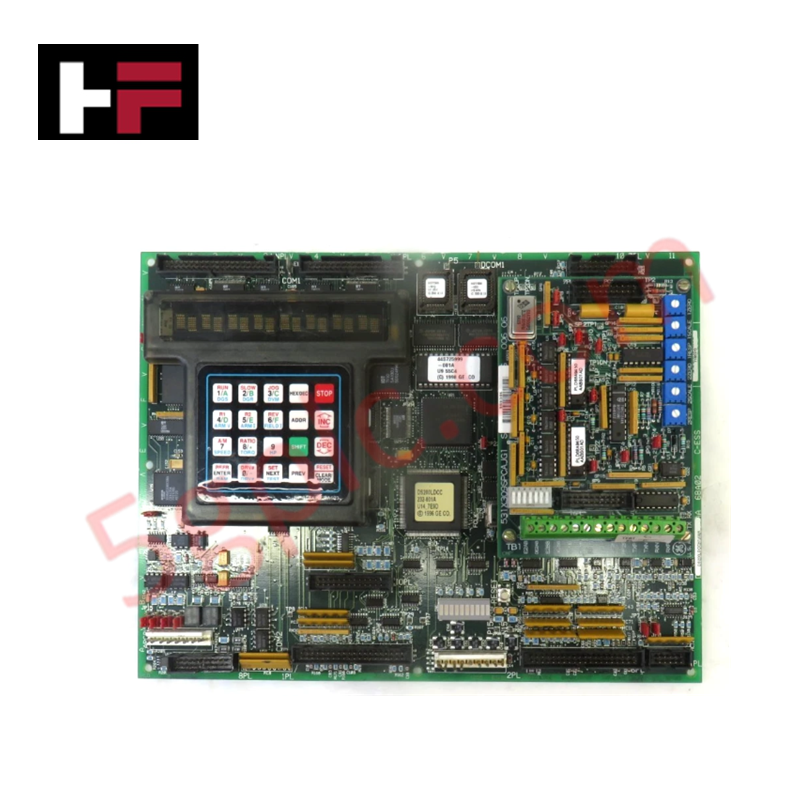
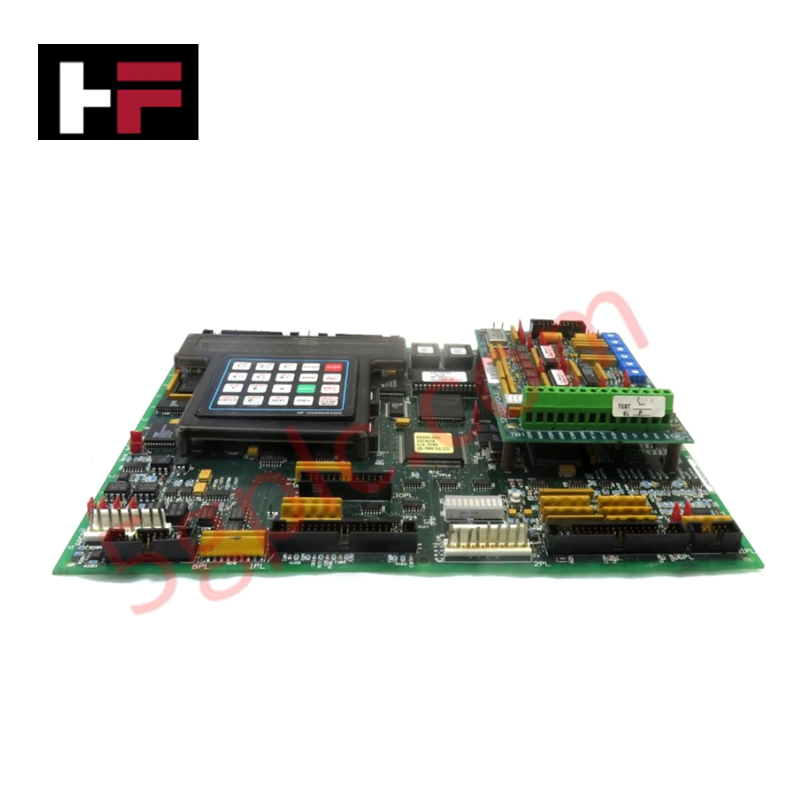
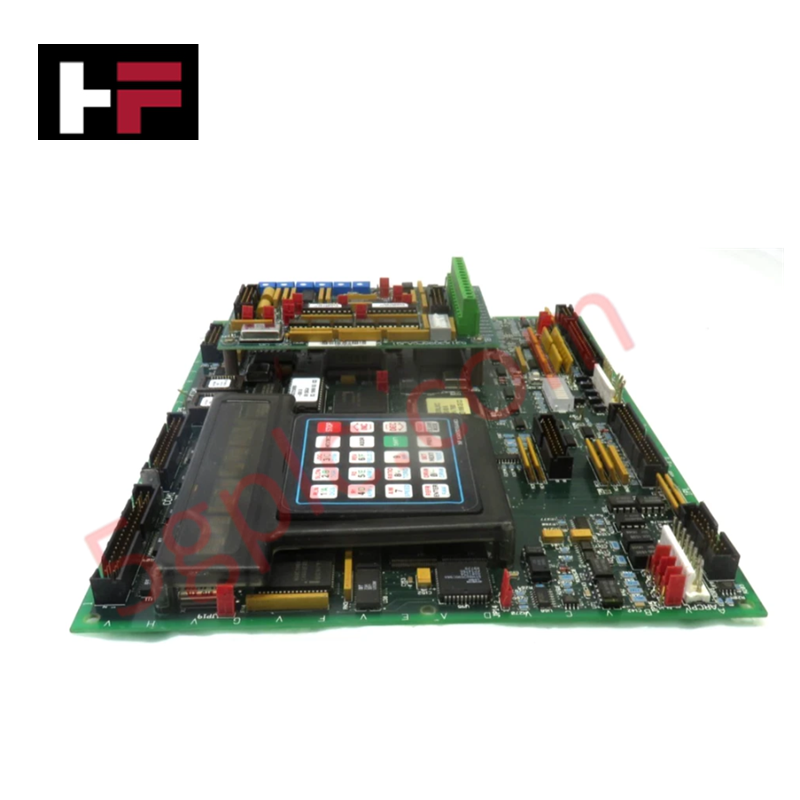
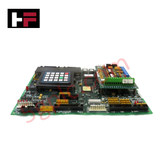
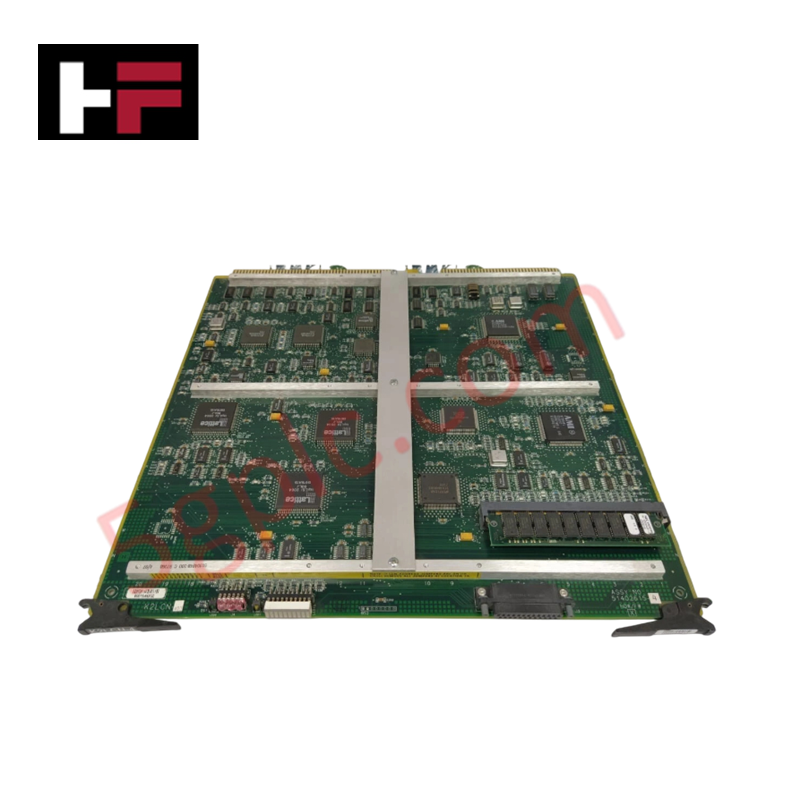
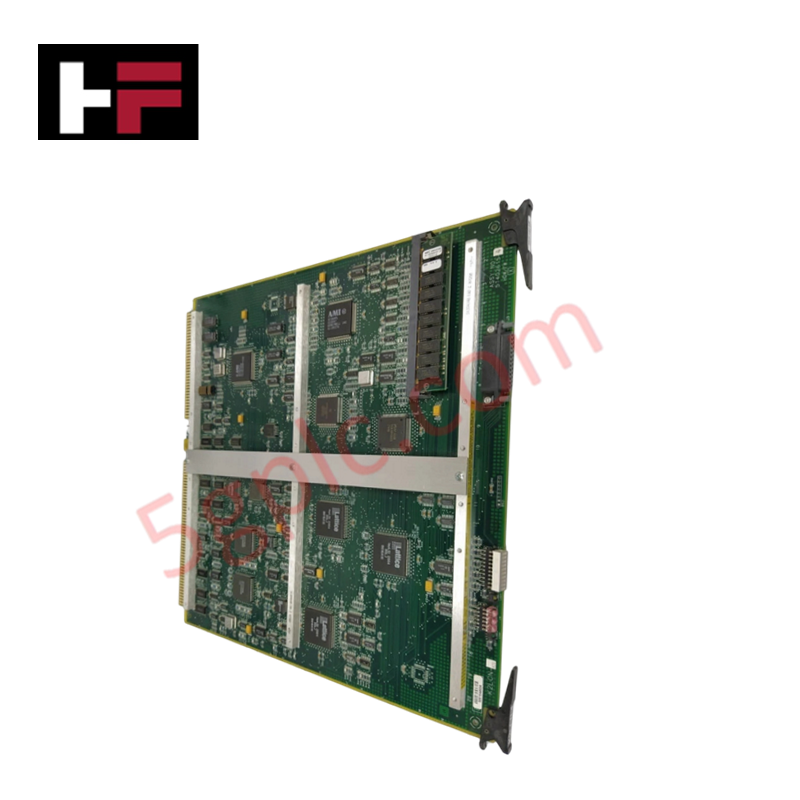
The General Electric DS200LDCCH1AMA, also cataloged as the DS200LDCCH1AMA Drive Control/LAN Communications Board, operates as a dedicated hardware component for multi-processor I/O coordination and network data exchange within Mark V drive control system platforms.
Hardware Specifications
| Parameter | Specification |
|---|---|
| Model | DS200LDCCH1AMA |
| Brand | General Electric |
| Origin | Not specified |
| Weight | < 3 lbs |
| Processors | 4 (DCP, LCP, MCP, CMP) |
| Configuration | Field-configurable Flash PROMs |
| Connectivity | Berg-type jumpers |
Industrial Control and Firmware Integration
The DS200LDCCH1AMA leverages backplane bus communication velocity to manage deterministic I/O signal processing. The module supports firmware flash compatibility, enabling field-side logic updates for the onboard Flash PROMs. Its architecture utilizes I/O density scaling to handle four distinct processor functions: the drive control processor (DCP) for I/O signal acquisition, the LAN control processor (LCP) for network signal filtering, and the motor/co-motor processors (MCP/CMP) for collaborative digital signal handling. This multi-processor arrangement ensures deterministic performance across Profinet or EtherNet/IP deterministic networks, maintaining precise control loop execution for DIRECTO-MATIC 2000 drive assemblies.
Frequently Asked Questions (FAQ)
Q: How is the onboard logic updated for specific drive configurations?
A: The board features field-configurable Flash PROMs. Updates are applied via a PC-based connection to the board, allowing for the modification of control parameters without requiring hardware replacement.
Q: What is the purpose of the Berg-type jumpers on the PCB?
A: The manually moveable Berg-type jumpers are used for physical hardware configuration and signal routing. Refer to the GEI-100216 instruction manual for specific jumper positioning requirements based on the system installation.
Field Installation Guidelines
- Static Precautions: The DS200LDCCH1AMA contains high-density microprocessors and sensitive PROM components. Always utilize an ESD-safe workstation and a grounded wrist strap during installation or configuration.
- Jumper Verification: Before inserting the board into the Mark V chassis, confirm that all Berg-type jumpers are set in accordance with the site-specific system schematic. Incorrect jumper settings may lead to signal conflicts or improper processor initialization.
- Processor Initialization: Upon power-up, monitor the board for successful handshaking between the DCP, LCP, MCP, and CMP. Failure of any individual processor to boot will result in a system-wide communication fault.
- Cable Seating: Ensure all I/O cabling is fully seated in the terminal connectors. Given the intensive data processing requirements, intermittent contact on digital I/O lines can trigger checksum errors or LAN communication latency.
Additional Information
- 100% Genuine Parts: All products are original and authentic, ensuring reliable industrial performance.
- 30-Day Refund Guarantee: Return any in-stock item within 30 days in original, unopened packaging for a full refund (excluding shipping and fees).
- 12-Month Warranty: Covers defects in materials or workmanship; excludes misuse, normal wear, or unauthorized modifications.
- Worldwide Shipping: We ship via USPS, UPS, FedEx, and DHL. Delivery times vary by country and may be subject to customs or import fees.
- Support & Contact: Technical and warranty assistance is available anytime. Contact us here: Contact.
- Purchase Guidance: Check product specifications and compatibility carefully before ordering to ensure proper application.






Tech & Buying Guide

Understanding Marshalling Cabinets in Industrial Control Systems Architecture
Industrial control system deployments rely on structured signal distribution to bridge field instrumentation with central processing hardware. A marshalling cabinet serves as the vital intermediate connection point between heavy field home-run multi-pair cables and delicate input/output (I/O) modules housed inside Programmable Logic Controller (PLC) or Distributed Control System (DCS) enclosures. By segregating field cable terminations from control hardware, engineers maintain system flexibility, safeguard controller components, and streamline commissioning workflows.

FAT vs SAT in Industrial Control Systems: Key Differences and Execution Guide
Industrial control system deployment relies on strict verification protocols to guarantee operational safety, system stability, and regulatory compliance. Commissioning complex Programmable Logic Controller (PLC) racks, Distributed Control Systems (DCS), and Safety Instrumented Systems (SIS) requires two critical milestones: the Factory Acceptance Test (FAT) and the Site Acceptance Test (SAT). Both procedures validate that system automation meets design specifications, but they occur at different stages of project execution and target distinct operational risks.

Hub vs Switch vs Router in Industrial Automation Architecture
Modern factory automation relies on reliable industrial networking infrastructure to exchange real-time field data across operational technology systems. Engineers often encounter networking hardware like hubs, switches, and routers when integrating Programmable Logic Controllers, Distributed Control Systems, and SCADA monitoring nodes. Although these devices share physical ports, they operate at different layers of the Open Systems Interconnection reference model and deliver distinct traffic management capabilities.