










Product Details
Product Overview
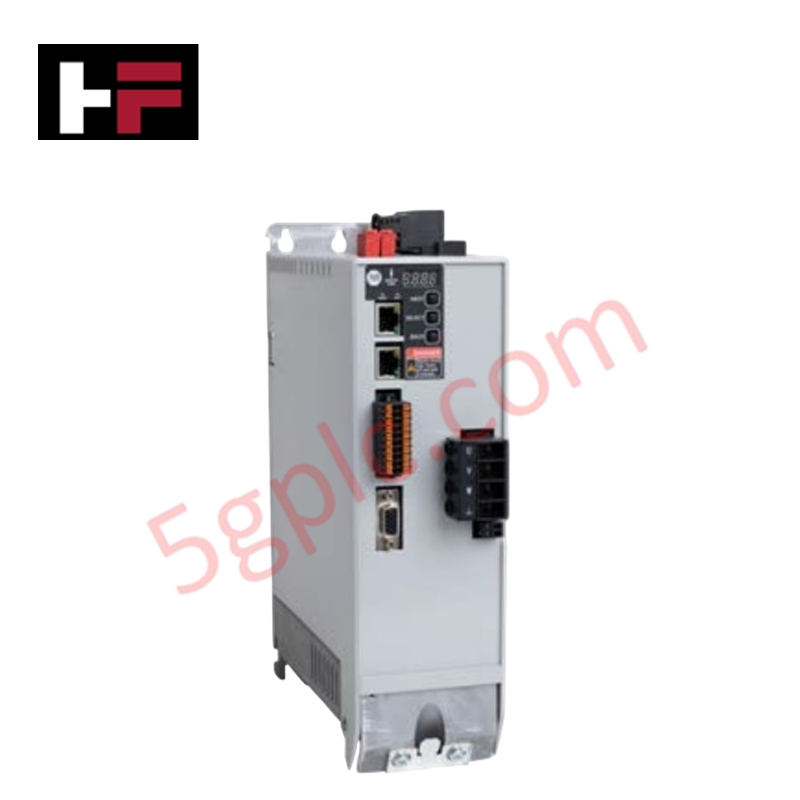
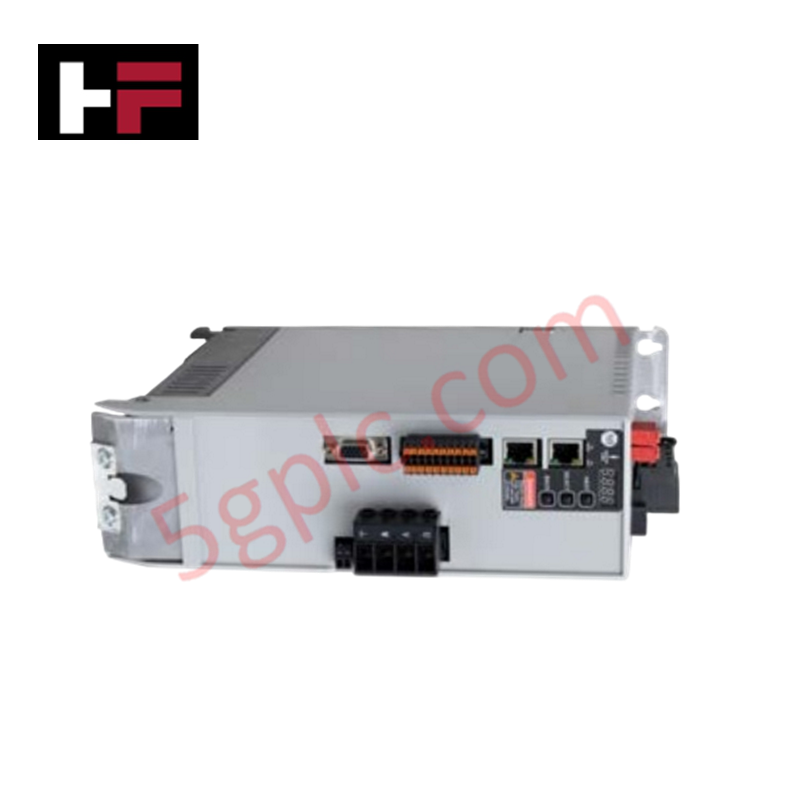
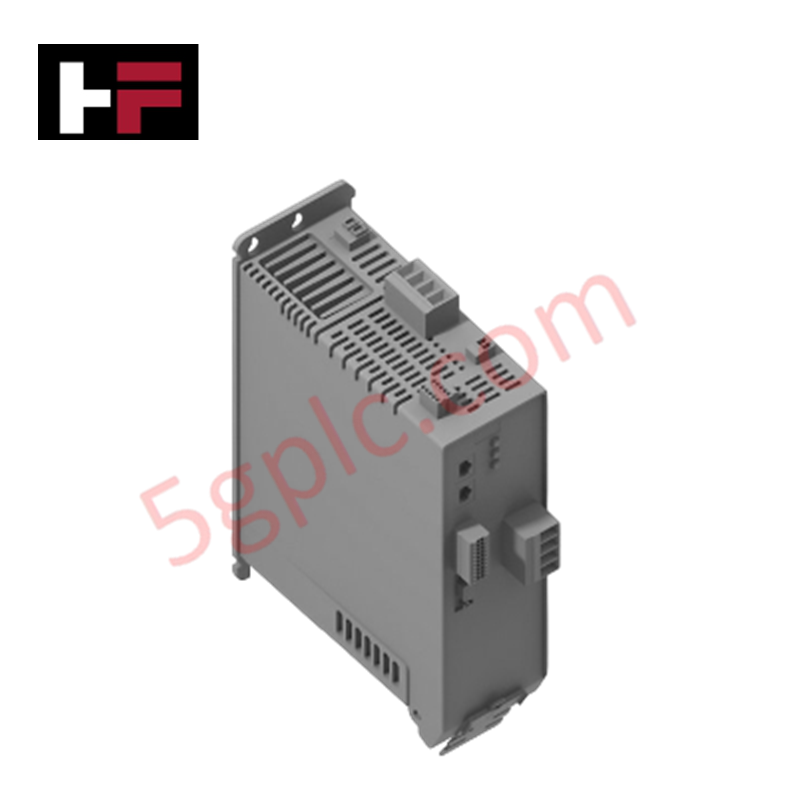
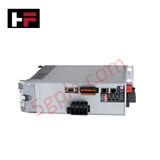
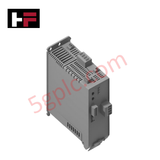
The Allen-Bradley 2198-C4075-ERS operates as a high-performance, single-axis AC servo drive within the Kinetix 5300 motion control platform. This 7.5 kW power-class drive regulates velocity, torque, and position loops for compatible synchronous servo motors and induction motors across native EtherNet/IP networks.
By integrating hardware-based safety functions and a high-speed control fabric, this drive coordinates complex motion profiles for packaging lines, material handling systems, and assembly machinery. We supply this motion component exclusively as a 100% brand new, original factory-sealed unit, guaranteeing untouched internal power electronics, uncompromised factory firmware calibration, and zero previous system deployment.
Technical Specifications
The table below logs the precise electrical thresholds, power ratings, and physical capabilities of the servo drive:
| Parameter | Performance & Industrial Rating |
| Manufacturer | Allen-Bradley / Rockwell Automation |
| Part Number | 2198-C4075-ERS |
| Product Line | Kinetix 5300 Motion System |
| Product Type | Single-Axis EtherNet/IP Servo Drive |
| Nominal Power Rating | 7.5 kW |
| Main Input Voltage Range | 400V AC, Three-Phase Class |
| Continuous Output Current | 27.5 Amperes (RMS) |
| Network Communication | Dual-Port EtherNet/IP (Supports DLR topologies) |
| Integrated Safety Feature | Hardwired Safe Torque Off (STO) |
Engineering Advantages
-
Optimizes Enclosure Space via Zero-Stack Mounting: The physical housing profile supports direct, side-by-side zero-stack mounting inside electrical enclosures. This layout eliminates the traditional airflow gaps between adjacent drives, allowing panel builders to cram multiple 7.5 kW axes into exceptionally narrow, compact control cabinets.
-
Simplifies Safety Architecture with Hardwired STO: The built-in Safe Torque Off (STO) circuit removes power from the drive's output power transistors without dropping the primary control bus voltage. This hardwired connection removes the need for bulky external three-phase main contactors, cutting hardware costs and enabling rapid machine restarts after a safety curtain trip.
-
Suppresses Network Communication Failures: Dual integrated EtherNet/IP ports support Device Level Ring (DLR) network topologies. If a physical network cable snaps or unseats during production, the DLR protocol automatically re-routes the motion control commands in microseconds, preventing total system shutdowns and preserving active axis coordination.
FAQs
-
Can I run this drive on a single-phase AC incoming power line?
No. The 2198-C4075-ERS requires a true three-phase 400V AC input to properly balance the internal DC bus rectification stage at its full 7.5 kW power rating. Attempting to run this specific model on single-phase power triggers an immediate phase-loss fault code and prevents the drive from enabling the axis.
-
What specific wiring practices protect the motor feedback loop from electromagnetic interference?
Technicians must use factory-recommended shielded cables to route the motor power and feedback signals. Separate these motor cables from low-voltage data lines by at least 10 inches inside the wire ducts, and ground the high-coverage cable shields directly to the enclosure's metal backplate using 360-degree grounding clamps to drain off high-frequency PWM switching noise.
-
Does this drive support third-party servo motors, or does it restrict use to Allen-Bradley models?
The Kinetix 5300 platform natively recognizes Allen-Bradley VP-Series, MP-Series, and TL-Series servo motors via automatic feedback recognition. However, the software configuration tool also permits manual motor profiling, allowing the 2198-C4075-ERS to control third-party permanent magnet synchronous motors or standard induction motors once you input the exact winding and feedback data.
Additional Information
- 100% Genuine Parts: All products are original and authentic, ensuring reliable industrial performance.
- 30-Day Refund Guarantee: Return any in-stock item within 30 days in original, unopened packaging for a full refund (excluding shipping and fees).
- 12-Month Warranty: Covers defects in materials or workmanship; excludes misuse, normal wear, or unauthorized modifications.
- Worldwide Shipping: We ship via USPS, UPS, FedEx, and DHL. Delivery times vary by country and may be subject to customs or import fees.
- Support & Contact: Technical and warranty assistance is available anytime. Contact us here: Contact.
- Purchase Guidance: Check product specifications and compatibility carefully before ordering to ensure proper application.






Tech & Buying Guide

Understanding Marshalling Cabinets in Industrial Control Systems Architecture
Industrial control system deployments rely on structured signal distribution to bridge field instrumentation with central processing hardware. A marshalling cabinet serves as the vital intermediate connection point between heavy field home-run multi-pair cables and delicate input/output (I/O) modules housed inside Programmable Logic Controller (PLC) or Distributed Control System (DCS) enclosures. By segregating field cable terminations from control hardware, engineers maintain system flexibility, safeguard controller components, and streamline commissioning workflows.

FAT vs SAT in Industrial Control Systems: Key Differences and Execution Guide
Industrial control system deployment relies on strict verification protocols to guarantee operational safety, system stability, and regulatory compliance. Commissioning complex Programmable Logic Controller (PLC) racks, Distributed Control Systems (DCS), and Safety Instrumented Systems (SIS) requires two critical milestones: the Factory Acceptance Test (FAT) and the Site Acceptance Test (SAT). Both procedures validate that system automation meets design specifications, but they occur at different stages of project execution and target distinct operational risks.

Hub vs Switch vs Router in Industrial Automation Architecture
Modern factory automation relies on reliable industrial networking infrastructure to exchange real-time field data across operational technology systems. Engineers often encounter networking hardware like hubs, switches, and routers when integrating Programmable Logic Controllers, Distributed Control Systems, and SCADA monitoring nodes. Although these devices share physical ports, they operate at different layers of the Open Systems Interconnection reference model and deliver distinct traffic management capabilities.