










Product Details
Product Overview
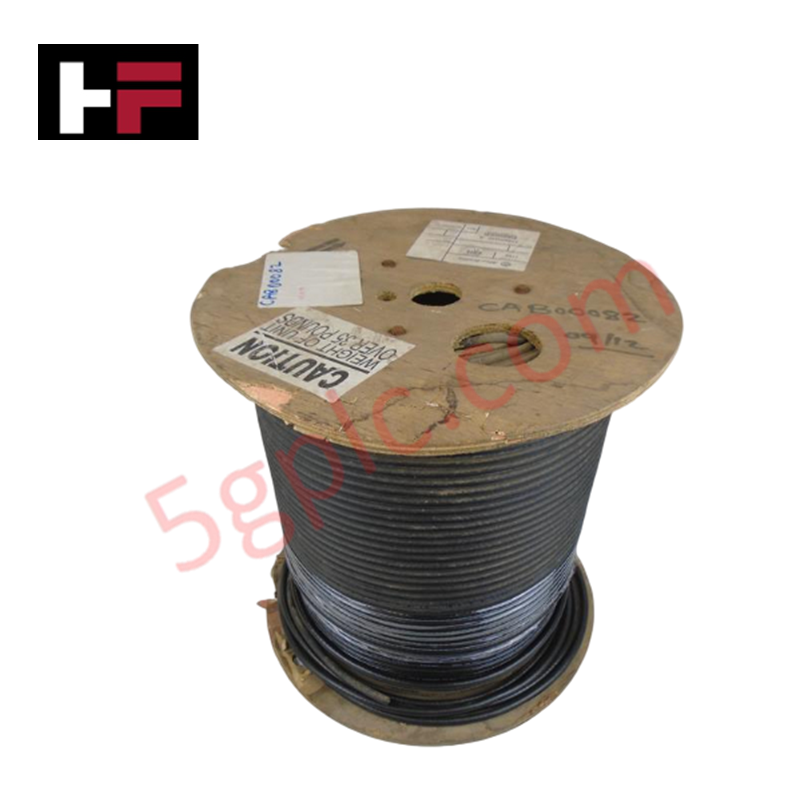
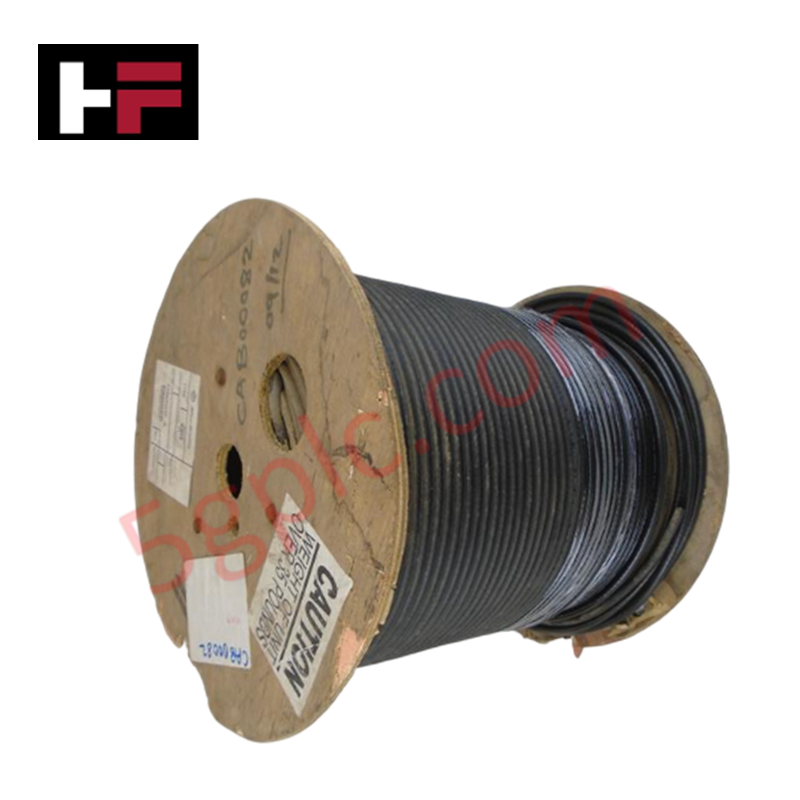
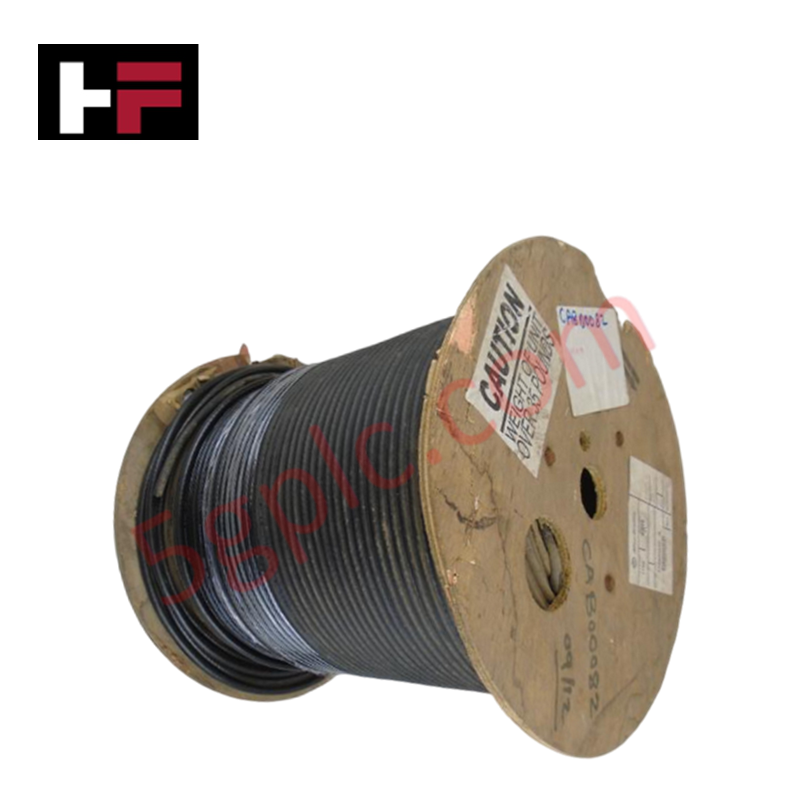
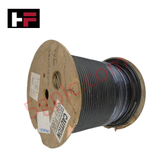
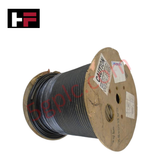
The Allen Bradley 1786-RG6F functions as the high-performance backbone for dynamic ControlNet architectures. This high-flex RG-6 coaxial cable facilitates seamless data exchange between controllers, I/O chassis, and intelligent devices. We supply this product as 100% Brand New in original factory packaging, ensuring peak signal integrity for your mission-critical industrial automation networks.
Technical Specifications
The 1786-RG6F utilizes high-grade materials to maintain a stable 75 Ω impedance across complex network topologies.
| Parameter | Specification |
| Cable Type | RG-6 High-Flex |
| Network Protocol | ControlNet |
| Impedance | 75 Ω |
| Shielding | Quad-shield (Maximum EMI/RFI Rejection) |
| Conductor Material | High-conductivity Copper |
| Jacket Material | Industrial-grade PVC (Oil and abrasion resistant) |
| Dielectric | Foam Polyethylene (PE) |
| Connector Compatibility | Standard ControlNet BNC Connectors |
| Segment Role | Suitable for Trunk or Drop lines |
Engineering Advantages
-
Superior Flex Life: Unlike standard rigid coax, the 1786-RG6F features a high-flex construction specifically designed for moving machinery, festoon systems, and cable tracks. It eliminates fatigue-induced signal loss in applications requiring constant motion.
-
Quad-Shield Signal Protection: The four-layer shielding architecture blocks heavy electromagnetic interference (EMI) commonly found near Variable Frequency Drives (VFDs) and high-voltage motors. This ensures a clean data stream and prevents network timeouts.
-
Low Attenuation Performance: The foam PE dielectric minimizes signal degradation over long distances. This allows engineers to extend segment lengths without sacrificing data packet speed or reliability.
-
Rapid Deployment: The industrial PVC jacket resists common factory chemicals and oils. Its physical properties allow for easy pulling through tight conduits and cable trays without damaging the internal copper conductor or dielectric spacing.
FAQs
-
When should I choose 1786-RG6F over standard 1786-RG6 cable?
Select the 1786-RG6F for any application involving repetitive motion, such as robotic arms or moving gantry systems. The "F" designation signifies high-flex capability, which prevents the internal conductor from snapping under mechanical stress—a common failure point for standard cables in dynamic environments.
-
Does this cable require special BNC connectors?
The 1786-RG6F maintains compatibility with standard ControlNet BNC connectors. However, ensure your crimp tools match the RG-6 quad-shield dimensions to guarantee a secure, low-resistance mechanical bond.
-
Can I mix high-flex and standard cables in one ControlNet segment?
Yes. You can use 1786-RG6F for the drop lines or specific sections of the trunk line that require flexibility, while utilizing standard 1786-RG6 for stationary runs. Ensure the total segment attenuation remains within ControlNet specifications.
-
How does the quad-shielding impact installation in tight spaces?
While quad-shielding increases the cable diameter slightly, the high-flex jacket compensates by providing a smaller minimum bend radius than standard quad-shield coax. This allows for easier routing in cramped electrical cabinets.
Additional Information
- 100% Genuine Parts: All products are original and authentic, ensuring reliable industrial performance.
- 30-Day Refund Guarantee: Return any in-stock item within 30 days in original, unopened packaging for a full refund (excluding shipping and fees).
- 12-Month Warranty: Covers defects in materials or workmanship; excludes misuse, normal wear, or unauthorized modifications.
- Worldwide Shipping: We ship via USPS, UPS, FedEx, and DHL. Delivery times vary by country and may be subject to customs or import fees.
- Support & Contact: Technical and warranty assistance is available anytime. Contact us here: Contact.
- Purchase Guidance: Check product specifications and compatibility carefully before ordering to ensure proper application.




Tech & Buying Guide

Wellhead Control Panel (WHCP) Architecture in Oil and Gas Automation
Upstream oil and gas operations rely on specialized field control platforms to manage wellhead extraction safety and hydraulic actuation. A Wellhead Control Panel (WHCP) serves as a dedicated hydraulic and pneumatic power unit designed to operate critical Christmas Tree isolation valves. By interfacing field safety components directly with Programmable Logic Controller (PLC) architecture, a WHCP protects upstream extraction assets against overpressure, catastrophic leaks, and thermal emergencies.

Understanding Marshalling Cabinets in Industrial Control Systems Architecture
Industrial control system deployments rely on structured signal distribution to bridge field instrumentation with central processing hardware. A marshalling cabinet serves as the vital intermediate connection point between heavy field home-run multi-pair cables and delicate input/output (I/O) modules housed inside Programmable Logic Controller (PLC) or Distributed Control System (DCS) enclosures. By segregating field cable terminations from control hardware, engineers maintain system flexibility, safeguard controller components, and streamline commissioning workflows.

FAT vs SAT in Industrial Control Systems: Key Differences and Execution Guide
Industrial control system deployment relies on strict verification protocols to guarantee operational safety, system stability, and regulatory compliance. Commissioning complex Programmable Logic Controller (PLC) racks, Distributed Control Systems (DCS), and Safety Instrumented Systems (SIS) requires two critical milestones: the Factory Acceptance Test (FAT) and the Site Acceptance Test (SAT). Both procedures validate that system automation meets design specifications, but they occur at different stages of project execution and target distinct operational risks.