










Product Details
Product Overview
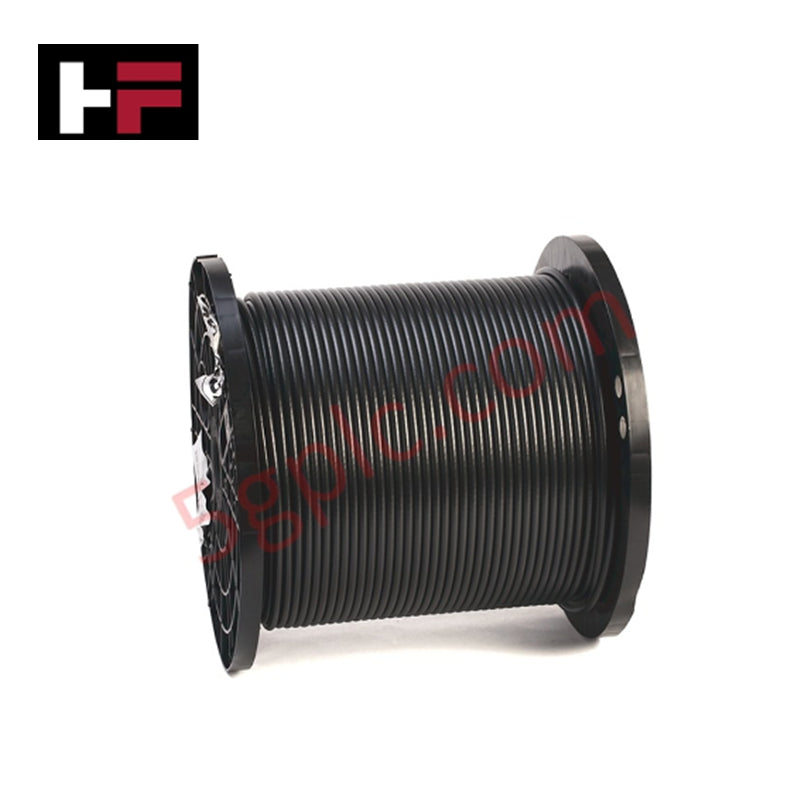
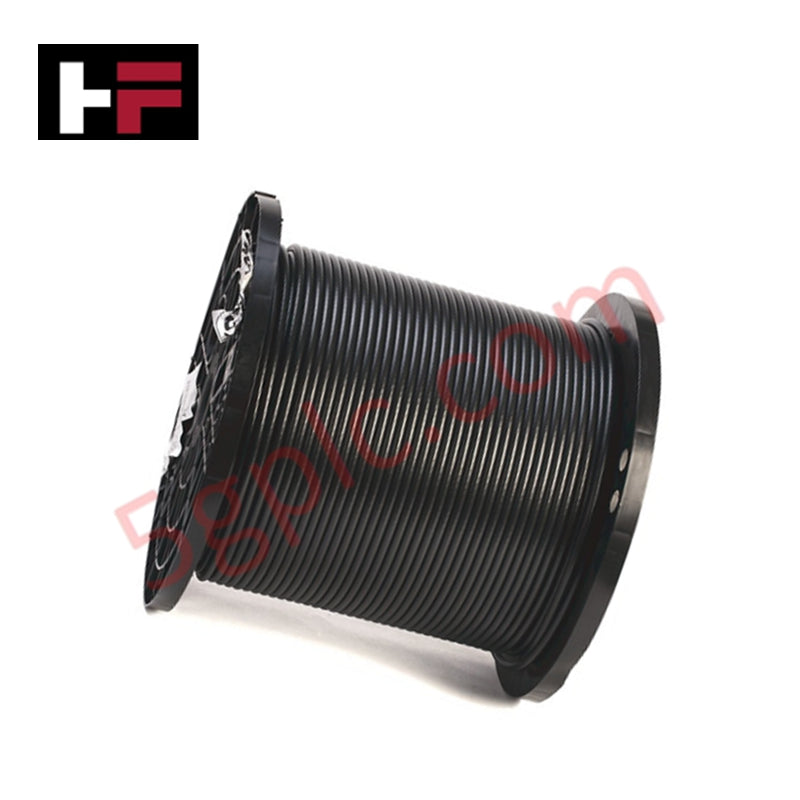
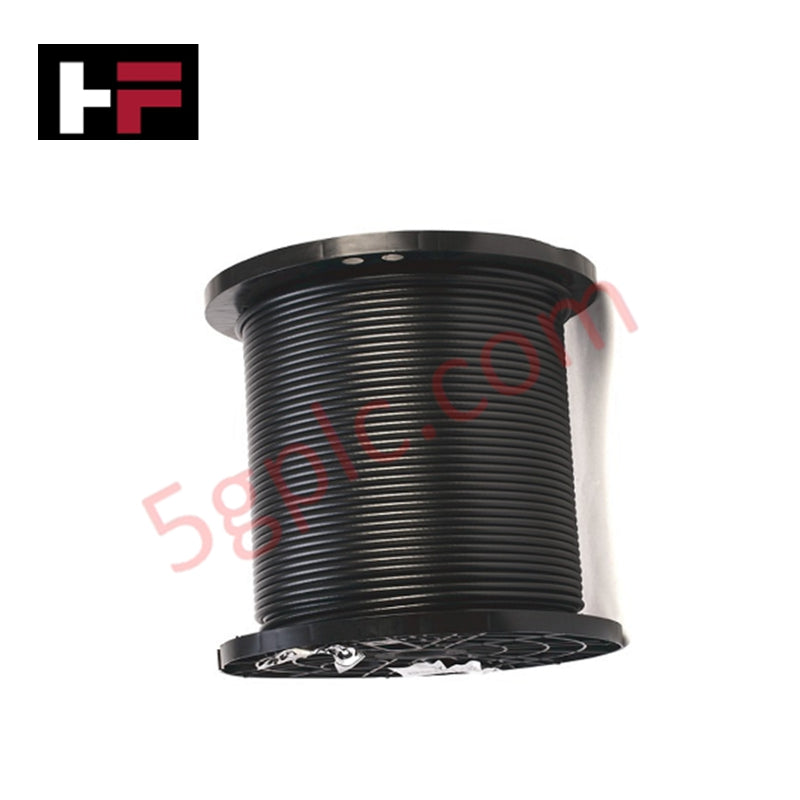
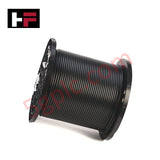
The Allen-Bradley 1786-RG6 provides the physical infrastructure for robust ControlNet networks. This bulk coaxial cable features a quad-shield design that protects high-speed data from electromagnetic interference (EMI) and radio frequency interference (RFI). The 1000ft (304.8m) spool allows integrators to run long-distance trunks without signal degradation. Its PVC CM-CL2 jacket meets fire safety codes for general-purpose industrial installations. We supply this item as a 100% Brand New, factory-sealed unit.
Technical Specifications
| Parameter | Specification |
|---|---|
| Manufacturer | Allen-Bradley (Rockwell Automation) |
| Product Type | ControlNet Coaxial Cable |
| Shielding | Quad Shield (4 Layers) |
| Jacket Material | PVC CM-CL2 |
| Total Length | 304.8 m (1000 ft) |
| Connector Type | Bulk Spool (Requires BNC/RCA termination) |
| Shipping Weight | 20 Kg |
| Condition | 100% Brand New |
Engineering Advantages
Superior Noise Immunity
Industrial plants generate massive amounts of electrical noise from VFDs and contactors. The 1786-RG6 utilizes four layers of shielding (aluminum foil and braided wire) to create a Faraday cage around the center conductor. This construction prevents external noise from corrupting ControlNet data packets, ensuring deterministic communication and preventing network faults.
Long-Distance Signal Integrity
The RG6 standard offers lower attenuation (signal loss) compared to thinner coax cables like RG59. This allows you to run cable segments up to 1000 feet (304.8m) between repeaters or taps without losing signal strength. The bulk spool format gives you the flexibility to cut custom lengths for specific machine layouts, minimizing waste and connection points.
Compliant and Durable Jacket
The cable features a PVC jacket rated CM (Communications) and CL2 (Class 2). This rating certifies the material for use in in-wall and general industrial wiring applications, meeting National Electrical Code (NEC) requirements. The robust outer sheath resists abrasion and crushing during installation in cable trays or conduits.
FAQs
Q: What connectors do I need for the 1786-RG6 cable?
A: The 1786-RG6 is a bulk cable that requires termination. You typically use standard 75-ohm BNC connectors (crimp or compression type) or RCA connectors, depending on your ControlNet tap or node hardware.
Q: Can I use this cable for DeviceNet or Ethernet/IP?
A: This cable is specifically designed for ControlNet (75-ohm impedance). DeviceNet uses a different flat, multi-conductor cable (thick or thin). While Ethernet can run over coax in legacy systems, modern Ethernet/IP typically uses twisted pair (Cat5e/6) or fiber. Stick to ControlNet applications for this specific part number.
Q: Is this cable suitable for outdoor use?
A: The standard PVC CM-CL2 jacket is designed for indoor, general-purpose use. For outdoor applications exposed to direct sunlight or moisture, you should use a cable with a polyethylene (PE) jacket or run this cable inside a UV-resistant conduit to prevent degradation.
Additional Information
- 100% Genuine Parts: All products are original and authentic, ensuring reliable industrial performance.
- 30-Day Refund Guarantee: Return any in-stock item within 30 days in original, unopened packaging for a full refund (excluding shipping and fees).
- 12-Month Warranty: Covers defects in materials or workmanship; excludes misuse, normal wear, or unauthorized modifications.
- Worldwide Shipping: We ship via USPS, UPS, FedEx, and DHL. Delivery times vary by country and may be subject to customs or import fees.
- Support & Contact: Technical and warranty assistance is available anytime. Contact us here: Contact.
- Purchase Guidance: Check product specifications and compatibility carefully before ordering to ensure proper application.






Tech & Buying Guide

Understanding Marshalling Cabinets in Industrial Control Systems Architecture
Industrial control system deployments rely on structured signal distribution to bridge field instrumentation with central processing hardware. A marshalling cabinet serves as the vital intermediate connection point between heavy field home-run multi-pair cables and delicate input/output (I/O) modules housed inside Programmable Logic Controller (PLC) or Distributed Control System (DCS) enclosures. By segregating field cable terminations from control hardware, engineers maintain system flexibility, safeguard controller components, and streamline commissioning workflows.

FAT vs SAT in Industrial Control Systems: Key Differences and Execution Guide
Industrial control system deployment relies on strict verification protocols to guarantee operational safety, system stability, and regulatory compliance. Commissioning complex Programmable Logic Controller (PLC) racks, Distributed Control Systems (DCS), and Safety Instrumented Systems (SIS) requires two critical milestones: the Factory Acceptance Test (FAT) and the Site Acceptance Test (SAT). Both procedures validate that system automation meets design specifications, but they occur at different stages of project execution and target distinct operational risks.

Hub vs Switch vs Router in Industrial Automation Architecture
Modern factory automation relies on reliable industrial networking infrastructure to exchange real-time field data across operational technology systems. Engineers often encounter networking hardware like hubs, switches, and routers when integrating Programmable Logic Controllers, Distributed Control Systems, and SCADA monitoring nodes. Although these devices share physical ports, they operate at different layers of the Open Systems Interconnection reference model and deliver distinct traffic management capabilities.