












Product Details
Product Overview
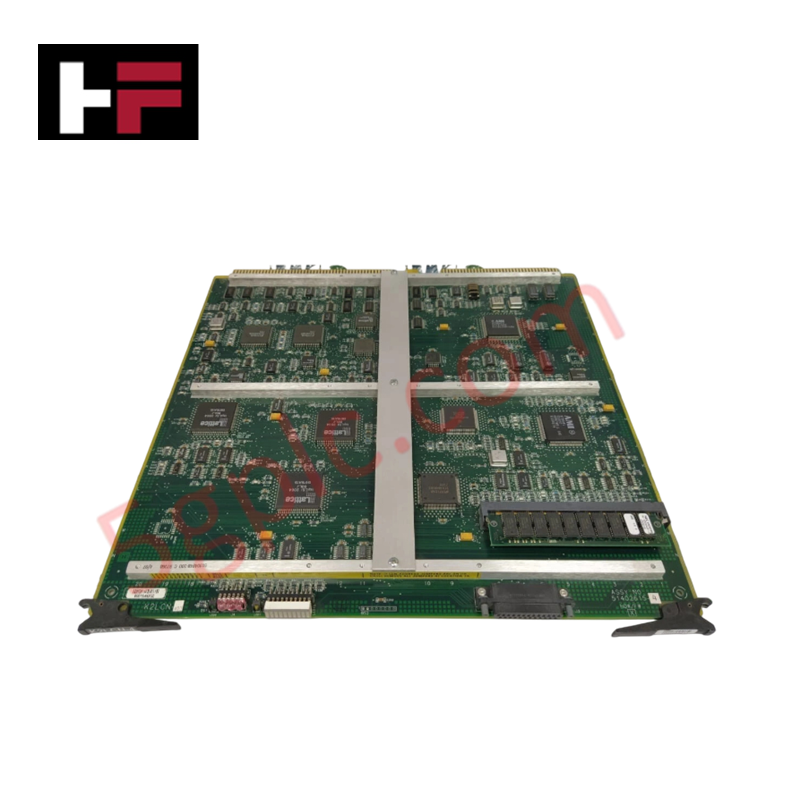
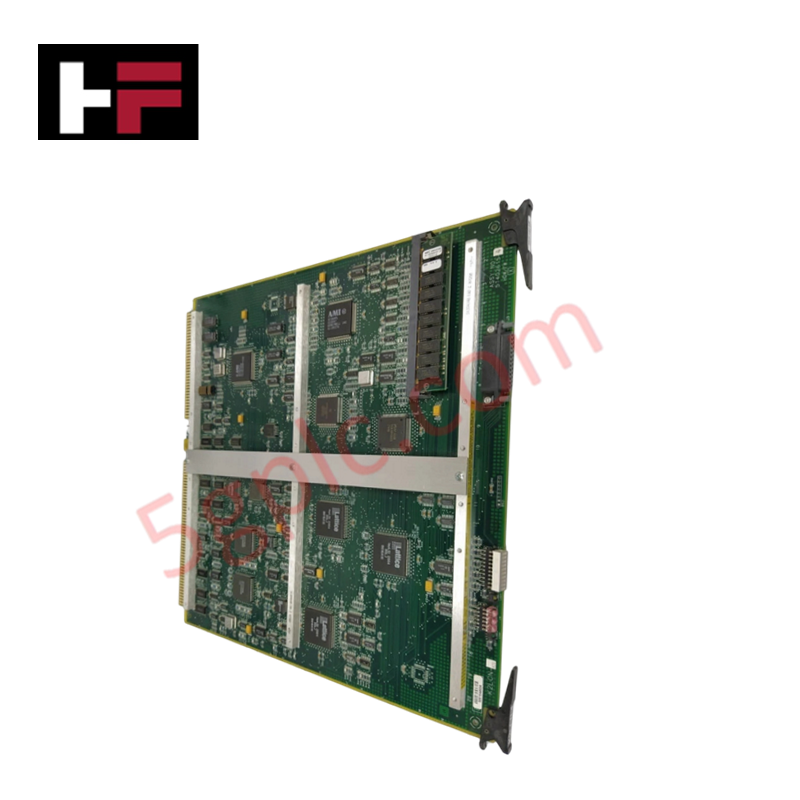
The Allen-Bradley 1784-KTX serves as a high-performance communication link between industrial computers and Allen-Bradley networks. This 16-bit interface card enables direct connectivity to DH+ (Data Highway Plus), DH-485, and Remote I/O (RIO) scanners. We provide this module as 100% Brand New original stock, ensuring peak signal integrity for legacy PLC-5, PLC-2, and PLC-3 architectures. By utilizing advanced CMOS technology, the 1784-KTX minimizes power consumption while maximizing data throughput across critical manufacturing floor networks.
Technical Specifications
| Feature | Specification |
| Manufacturer | Allen-Bradley / Rockwell Automation |
| Product Line | PLC-5 / SLC 500 |
| Slot Compatibility | 16-bit ISA / EISA |
| Channels | 1 Independent Channel |
| Network Protocols | DH+, DH-485, Remote I/O (Scanner) |
| Controller Support | PLC-2, PLC-3, PLC-5 |
| Weight | 0.31 lbs (0.14 kg) |
| Circuitry | ESD-Sensitive CMOS |
Engineering Advantages
-
Seamless Legacy Integration: This card eliminates the need for complex gateways by providing a direct hardware bridge to PLC-2 and PLC-3 systems. It allows modern industrial PCs to monitor and program older controller generations without protocol conversion lag.
-
Multi-Protocol Versatility: The 1784-KTX functions as a Remote I/O scanner or a DH+/DH-485 node. Engineers can reconfigure the card’s role via software, reducing the spare parts inventory required for diverse plant environments.
-
Compact Footprint: The lightweight 0.14 kg design fits easily into standard 16-bit ISA or EISA slots. Its low-profile CMOS architecture prevents overheating in dense industrial enclosures where airflow is restricted.
-
High Signal Reliability: The 1784-KTX maintains stable data packets in high-interference environments. It handles the rigorous timing requirements of Remote I/O scanning, ensuring real-time response for connected field devices.
FAQs
-
Does this card support 8-bit ISA slots?
No. The 1784-KTX requires a 16-bit ISA or EISA slot to function. Using an 8-bit slot will prevent the system from recognizing the hardware.
-
What precautions should I take during installation?
The card uses ESD-sensitive CMOS technology. Always wear a grounded wrist strap and handle the board by the edges to prevent static discharge from damaging the internal circuitry.
-
Can the 1784-KTX replace the older 1784-KT card?
Yes. The 1784-KTX offers expanded functionality, including DH-485 support and Remote I/O scanning capabilities that the original KT card lacks.
-
Is this a refurbished unit?
No. We supply this product as 100% Brand New in original factory packaging to ensure maximum lifespan and compliance with industrial safety standards.
Additional Information
- 100% Genuine Parts: All products are original and authentic, ensuring reliable industrial performance.
- 30-Day Refund Guarantee: Return any in-stock item within 30 days in original, unopened packaging for a full refund (excluding shipping and fees).
- 12-Month Warranty: Covers defects in materials or workmanship; excludes misuse, normal wear, or unauthorized modifications.
- Worldwide Shipping: We ship via USPS, UPS, FedEx, and DHL. Delivery times vary by country and may be subject to customs or import fees.
- Support & Contact: Technical and warranty assistance is available anytime. Contact us here: Contact.
- Purchase Guidance: Check product specifications and compatibility carefully before ordering to ensure proper application.






Tech & Buying Guide

Understanding Marshalling Cabinets in Industrial Control Systems Architecture
Industrial control system deployments rely on structured signal distribution to bridge field instrumentation with central processing hardware. A marshalling cabinet serves as the vital intermediate connection point between heavy field home-run multi-pair cables and delicate input/output (I/O) modules housed inside Programmable Logic Controller (PLC) or Distributed Control System (DCS) enclosures. By segregating field cable terminations from control hardware, engineers maintain system flexibility, safeguard controller components, and streamline commissioning workflows.

FAT vs SAT in Industrial Control Systems: Key Differences and Execution Guide
Industrial control system deployment relies on strict verification protocols to guarantee operational safety, system stability, and regulatory compliance. Commissioning complex Programmable Logic Controller (PLC) racks, Distributed Control Systems (DCS), and Safety Instrumented Systems (SIS) requires two critical milestones: the Factory Acceptance Test (FAT) and the Site Acceptance Test (SAT). Both procedures validate that system automation meets design specifications, but they occur at different stages of project execution and target distinct operational risks.

Hub vs Switch vs Router in Industrial Automation Architecture
Modern factory automation relies on reliable industrial networking infrastructure to exchange real-time field data across operational technology systems. Engineers often encounter networking hardware like hubs, switches, and routers when integrating Programmable Logic Controllers, Distributed Control Systems, and SCADA monitoring nodes. Although these devices share physical ports, they operate at different layers of the Open Systems Interconnection reference model and deliver distinct traffic management capabilities.