












Product Details
Product Overview
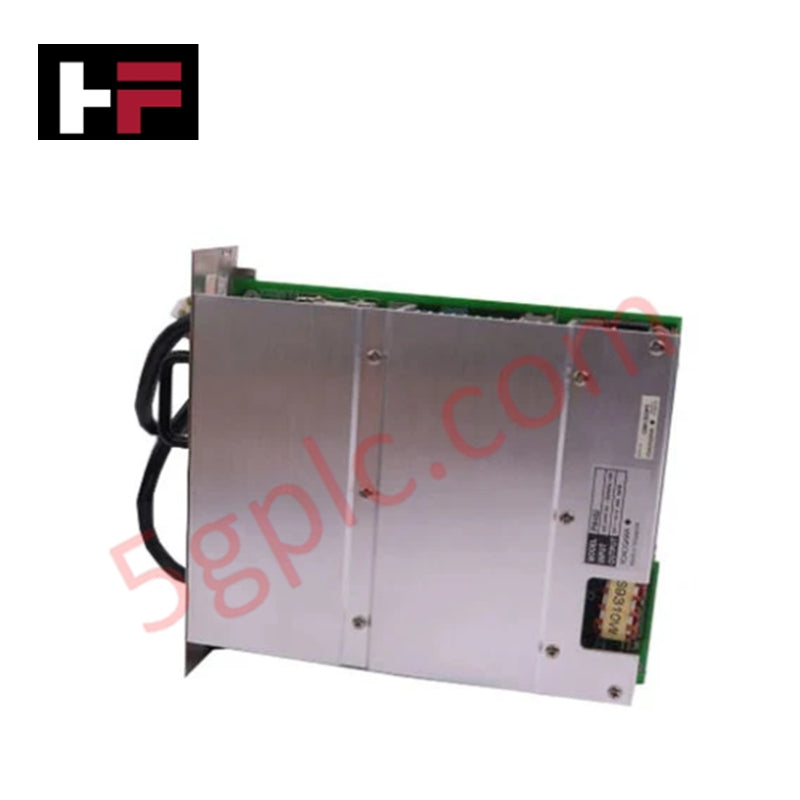
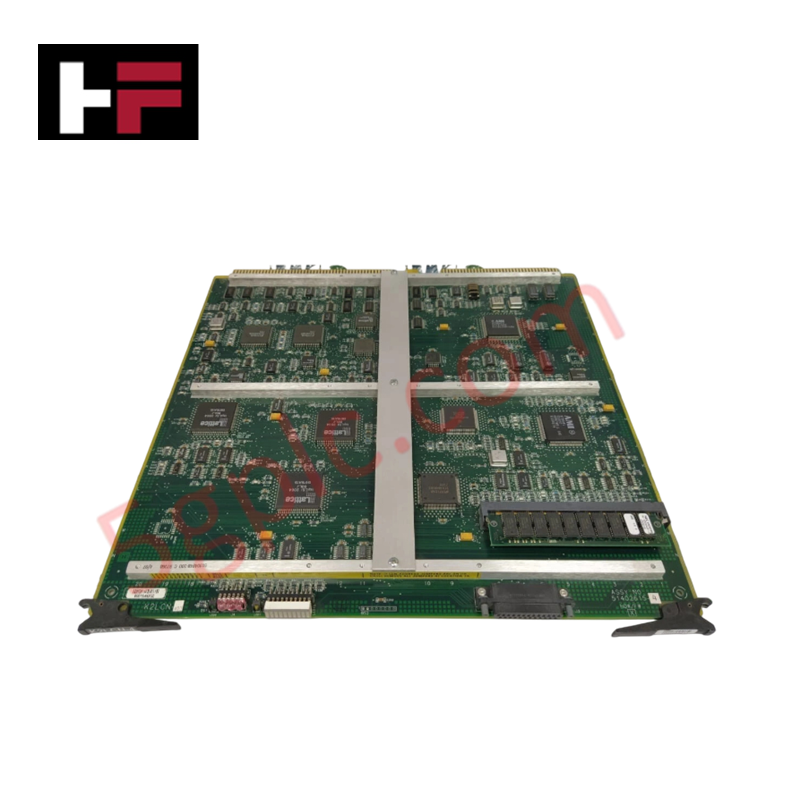
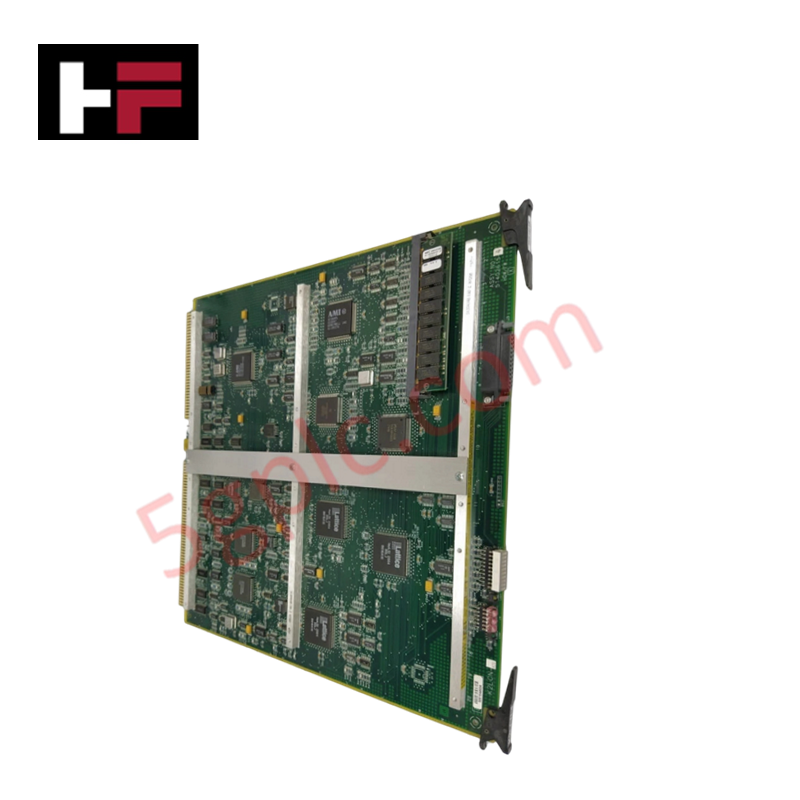
The Yokogawa ACM12 serves as a specialized serial communication interface within the FA-M3 range-free multi-controller platform. This module enables high-speed data exchange between the PLC rack and external peripheral devices via industrial-standard serial protocols. Although the manufacturer has officially discontinued this series, we supply this unit as 100% Brand New and Original factory-sealed stock, providing a critical replacement path for maintaining legacy automation infrastructure.
Technical Specifications
The ACM12 integrates seamlessly into standard FA-M3 racks to provide robust differential signaling capabilities.
| Attribute | Specification Details |
| Module Type | Serial Communication Module |
| Supported Protocols | RS-422 / RS-485 |
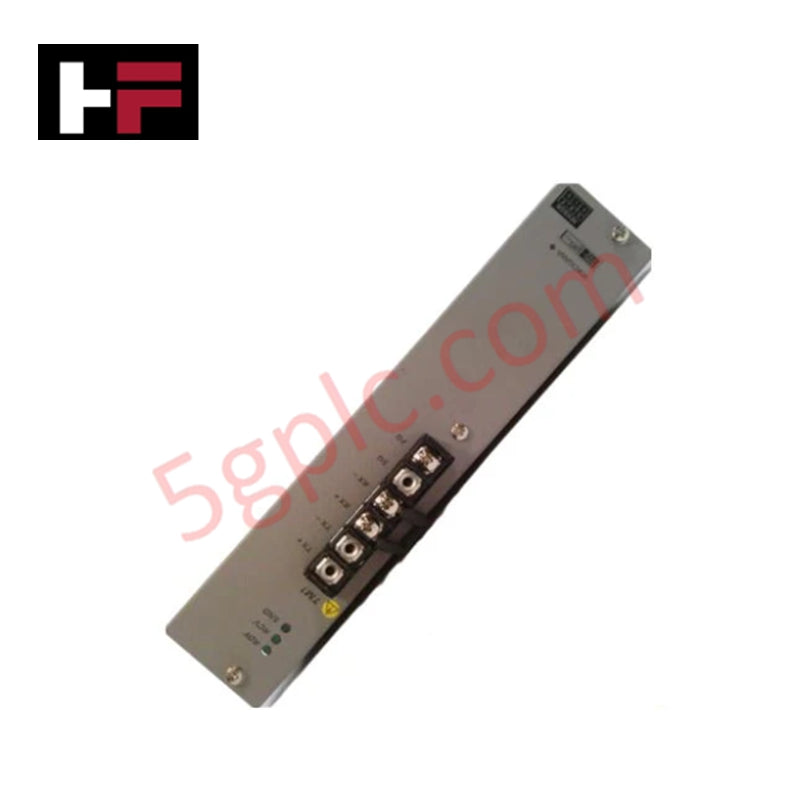
| Connection Method | Industrial Screw Terminals |
| Mounting Style | Rack Mount |
| Diagnostic Interface | Integrated Status LED Indicators |
| Dimensions | 17.8 cm x 22.9 cm x 5.1 cm (7.0" x 9.0" x 2.0") |
| Weight | 0.8 kg (1 lbs 13.0 oz) |
| Condition | 100% Brand New Original |
Engineering Advantages
-
Optimized Serial Connectivity: The ACM12 supports both RS-422 and RS-485 protocols. This flexibility allows engineers to establish point-to-point or multi-drop network topologies, facilitating communication with varied hardware such as HMI panels, variable frequency drives (VFDs), and analytical instruments.
-
Robust Signal Integrity: The module utilizes a differential signaling architecture to reject common-mode noise. This ensures reliable data transmission even in environments with heavy electromagnetic interference (EMI) from large motors or high-voltage switchgear.
-
Instant Diagnostic Feedback: Front-facing Status LED Indicators provide real-time visibility into module health and data traffic. Maintenance teams can instantly identify communication faults or power issues without connecting external diagnostic software, significantly reducing downtime.
-
Secure Mechanical Termination: The module features rugged screw terminals for field wiring. These connectors provide high vibration resistance and ensure low-contact resistance for long-term operational stability in harsh industrial settings.
FAQs
Is the ACM12 compatible with modern FA-M3 backplanes?
Yes. The ACM12 follows the standard FA-M3 rack-mount form factor. It installs directly into any compatible I/O slot, allowing you to maintain or expand existing systems without upgrading the entire controller architecture.
How do I switch between RS-422 and RS-485 modes?
Mode selection typically occurs through internal hardware jumper settings or specific software configuration parameters within the PLC project. Refer to the FA-M3 communication manual for exact pinout requirements for 2-wire vs. 4-wire configurations.
Can I still obtain a new unit if the manufacturer has discontinued the model?
Absolutely. While Yokogawa has moved to newer generations, we specialize in providing 100% Brand New original "new-old-stock" (NOS) units. These modules remain in their original factory packaging to guarantee they have never seen field service.
What is the maximum cable distance supported by the ACM12?
Using high-quality shielded twisted-pair (STP) cable, the RS-422/485 interface on the ACM12 typically supports distances up to 1,200 meters. For longer runs or extremely noisy paths, we recommend utilizing dedicated signal repeaters or optical isolators.
Additional Information
- 100% Genuine Parts: All products are original and authentic, ensuring reliable industrial performance.
- 30-Day Refund Guarantee: Return any in-stock item within 30 days in original, unopened packaging for a full refund (excluding shipping and fees).
- 12-Month Warranty: Covers defects in materials or workmanship; excludes misuse, normal wear, or unauthorized modifications.
- Worldwide Shipping: We ship via USPS, UPS, FedEx, and DHL. Delivery times vary by country and may be subject to customs or import fees.
- Support & Contact: Technical and warranty assistance is available anytime. Contact us here: Contact.
- Purchase Guidance: Check product specifications and compatibility carefully before ordering to ensure proper application.






Tech & Buying Guide

Understanding Marshalling Cabinets in Industrial Control Systems Architecture
Industrial control system deployments rely on structured signal distribution to bridge field instrumentation with central processing hardware. A marshalling cabinet serves as the vital intermediate connection point between heavy field home-run multi-pair cables and delicate input/output (I/O) modules housed inside Programmable Logic Controller (PLC) or Distributed Control System (DCS) enclosures. By segregating field cable terminations from control hardware, engineers maintain system flexibility, safeguard controller components, and streamline commissioning workflows.

FAT vs SAT in Industrial Control Systems: Key Differences and Execution Guide
Industrial control system deployment relies on strict verification protocols to guarantee operational safety, system stability, and regulatory compliance. Commissioning complex Programmable Logic Controller (PLC) racks, Distributed Control Systems (DCS), and Safety Instrumented Systems (SIS) requires two critical milestones: the Factory Acceptance Test (FAT) and the Site Acceptance Test (SAT). Both procedures validate that system automation meets design specifications, but they occur at different stages of project execution and target distinct operational risks.

Hub vs Switch vs Router in Industrial Automation Architecture
Modern factory automation relies on reliable industrial networking infrastructure to exchange real-time field data across operational technology systems. Engineers often encounter networking hardware like hubs, switches, and routers when integrating Programmable Logic Controllers, Distributed Control Systems, and SCADA monitoring nodes. Although these devices share physical ports, they operate at different layers of the Open Systems Interconnection reference model and deliver distinct traffic management capabilities.