










Product Details
Product Overview
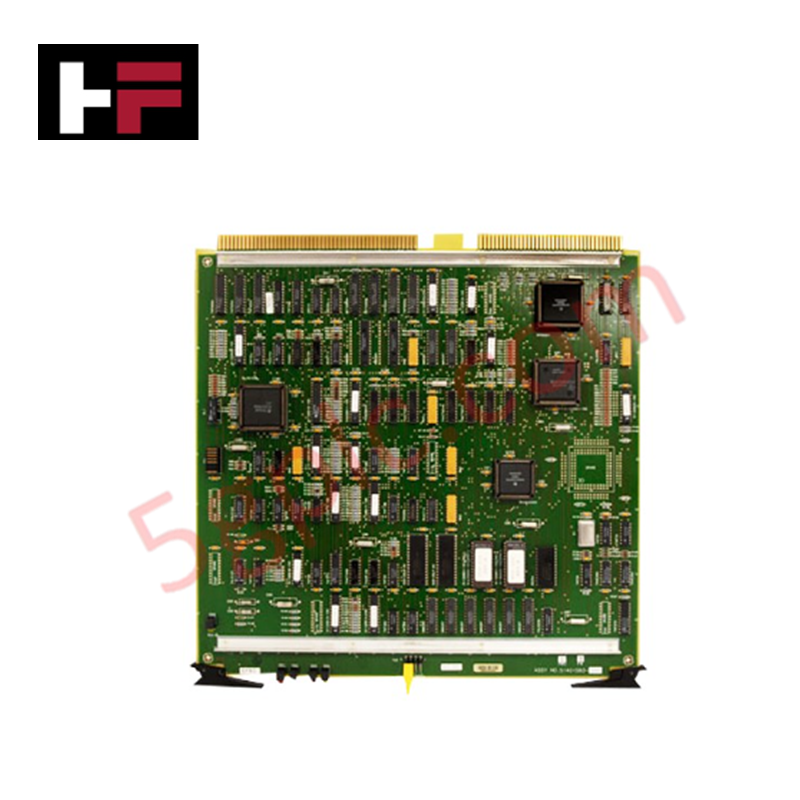
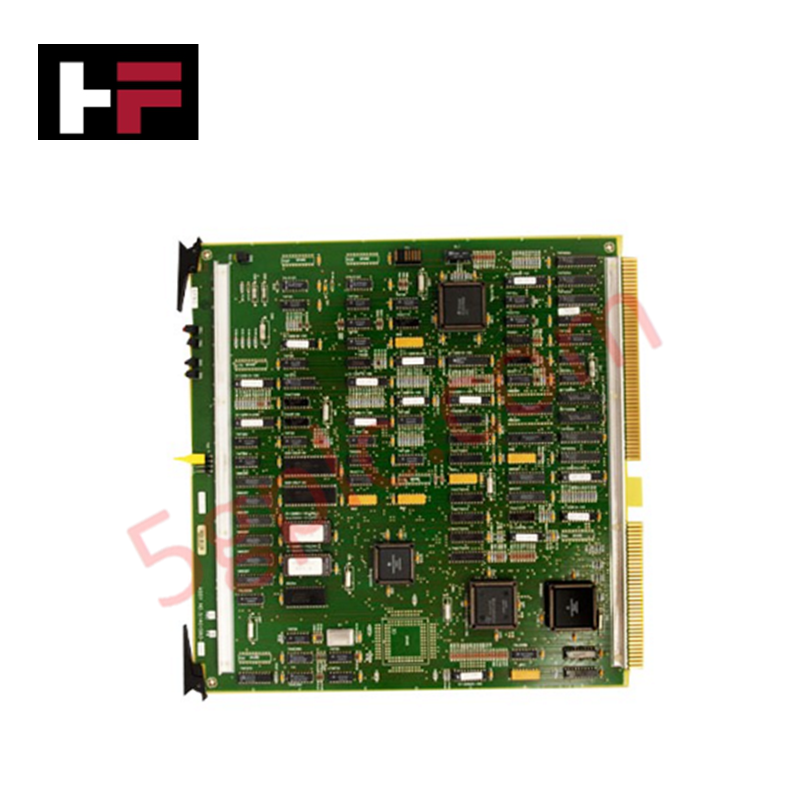
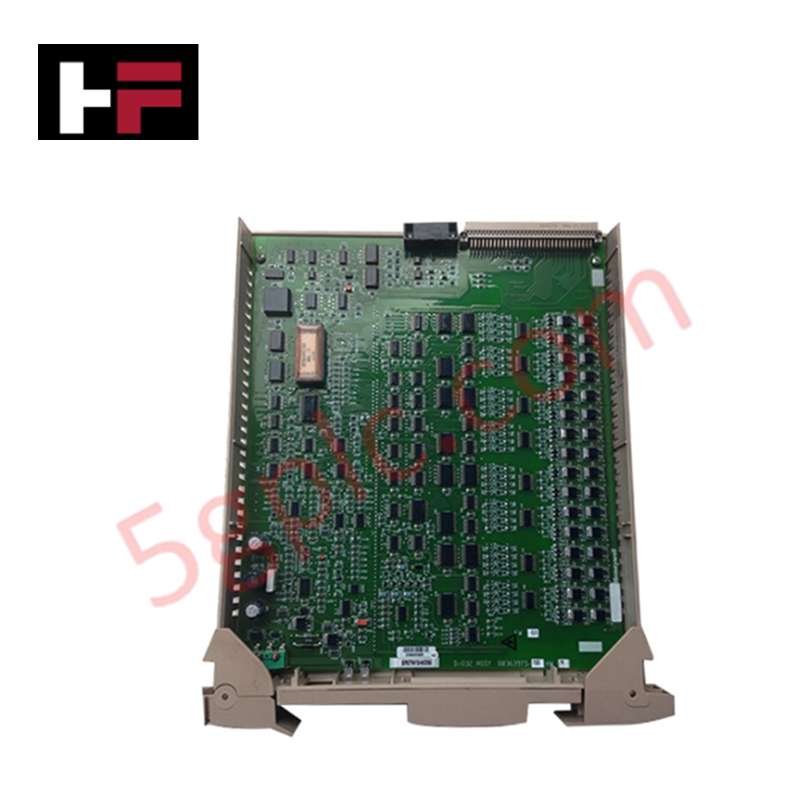
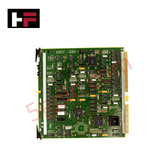
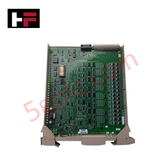
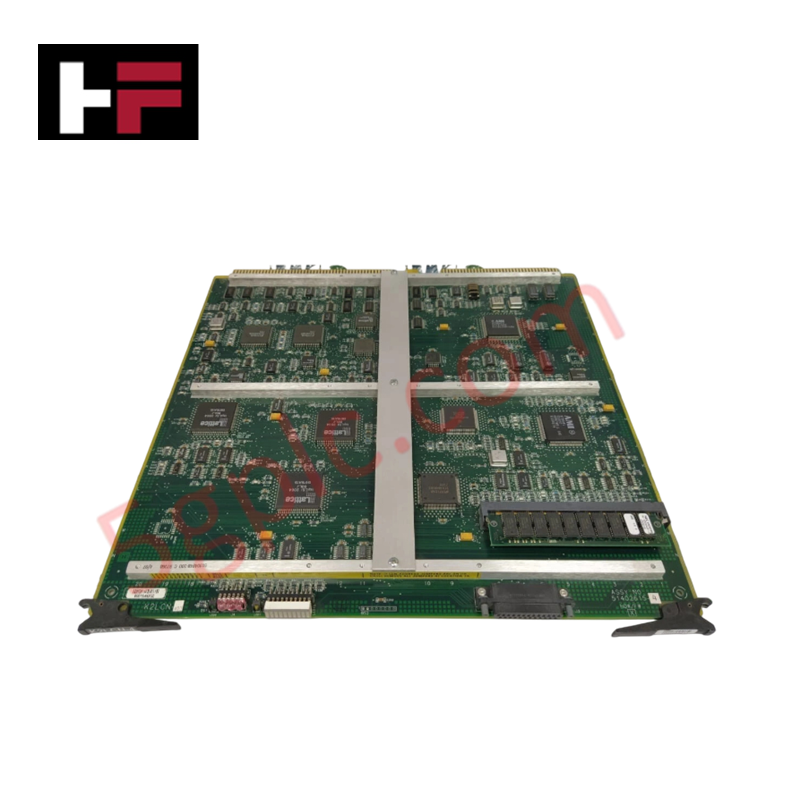
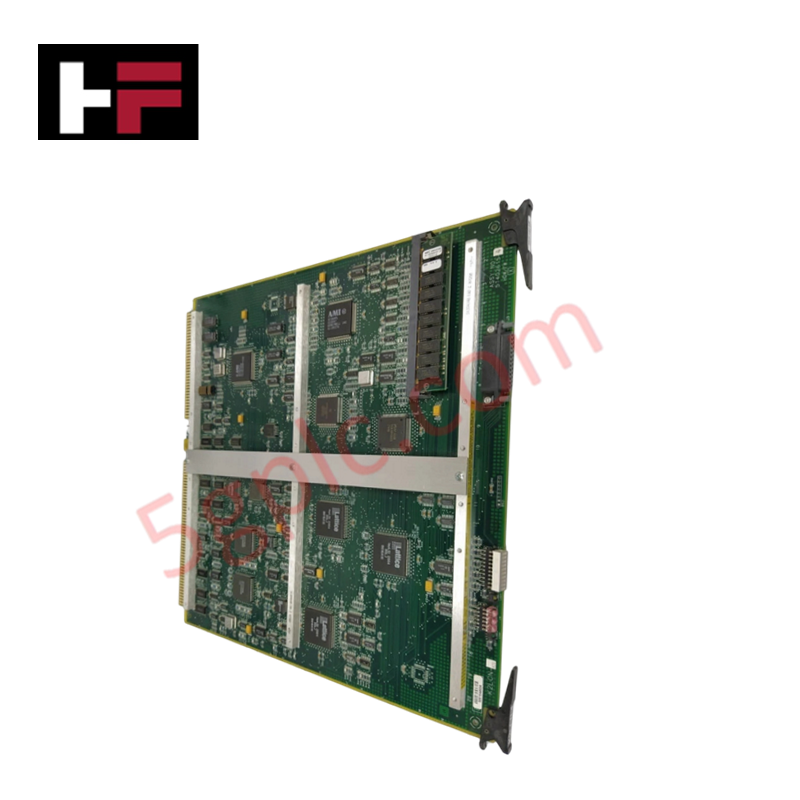
The Honeywell 51401583-100 functions as a dedicated EPNI Card-NIM (Network Interface Module) built exclusively for the Honeywell TDC 3000 Distributed Control System (DCS) ecosystem. This module manages critical data exchange and bridges communication pathways between local processing nodes and the broader control network. We supply this component in 100% Brand New, original factory condition to eliminate packet loss, resolve network latency, and ensure continuous data synchronization across your automation plant.
Technical Specifications
| Parameter | Operational Specification |
| Model Number | 51401583-100 |
| Brand | Honeywell |
| Module Type | EPNI Card-NIM (Network Interface Module) |
| System Compatibility | Honeywell TDC 3000 Control Systems |
| Power Consumption | 6.0 W |
| Dimensions (H x W x D) | 12.7 x 7.6 x 3.8 cm (5.0 x 3.0 x 1.5 in) |
| Weight | 0.2 kg (0.5 lb) |
| Form Factor | Slot-In Chassis Mounted |
| Condition | 100% Brand New Original |
Engineering Advantages
-
Minimizes Enclosure Thermal Load: The card draws only 6.0 Watts of power during full-capacity network operations. This low power consumption drastically reduces local heat dissipation inside sealed cabinets, protecting surrounding communication modules from thermal drift and failure.
-
Fits Ultra-Narrow Slots: The compact footprint (12.7 x 7.6 x 3.8 cm) slides easily into dense, space-restricted chassis arrays. This small mechanical profile allows engineers to expand network node capacities without upgrading to larger, more expensive control enclosures.
-
Repels Electromagnetic Interference: Built-in transceiver shielding blocks high-frequency RF noise and electromagnetic interference (EMI) typical of heavy factory floors. This suppression hardware maintains clean, bit-perfect data transmission even when routed near variable frequency drives (VFDs).
-
Simplifies Drop-In Maintenance: Standardized slide-in guide rails permit rapid slot alignment. Technicians insert the 0.2 kg card directly into the backplane, where integrated heavy-duty gold pin connectors establish immediate power and data continuity without field wiring.
FAQs
-
Does this 51401583-100 EPNI card require manual jumper settings during installation?
The card utilizes the native auto-addressing protocols of the Honeywell TDC 3000 system. However, technicians must verify the specific node configuration parameters inside the system software before deployment to ensure seamless integration into the active Network Interface Module (NIM) cluster.
-
Can this low-power NIM card replace older, high-draw communication cards?
Yes. This modern iteration directly drops into compatible TDC 3000 slots to replace vintage variants. It provides identical network logic while reducing power consumption, thereby lowering total cabinet thermal output.
-
What electrostatic precautions should technicians take during installation?
Technicians must maintain strict ESD control. Always wear a grounded electrostatic discharge (ESD) wrist strap and handle the card strictly by its plastic edges or faceplate. Do not touch the surface-mount components or the backplane gold pins to prevent static puncture.
Additional Information
- 100% Genuine Parts: All products are original and authentic, ensuring reliable industrial performance.
- 30-Day Refund Guarantee: Return any in-stock item within 30 days in original, unopened packaging for a full refund (excluding shipping and fees).
- 12-Month Warranty: Covers defects in materials or workmanship; excludes misuse, normal wear, or unauthorized modifications.
- Worldwide Shipping: We ship via USPS, UPS, FedEx, and DHL. Delivery times vary by country and may be subject to customs or import fees.
- Support & Contact: Technical and warranty assistance is available anytime. Contact us here: Contact.
- Purchase Guidance: Check product specifications and compatibility carefully before ordering to ensure proper application.






Tech & Buying Guide

Understanding Marshalling Cabinets in Industrial Control Systems Architecture
Industrial control system deployments rely on structured signal distribution to bridge field instrumentation with central processing hardware. A marshalling cabinet serves as the vital intermediate connection point between heavy field home-run multi-pair cables and delicate input/output (I/O) modules housed inside Programmable Logic Controller (PLC) or Distributed Control System (DCS) enclosures. By segregating field cable terminations from control hardware, engineers maintain system flexibility, safeguard controller components, and streamline commissioning workflows.

FAT vs SAT in Industrial Control Systems: Key Differences and Execution Guide
Industrial control system deployment relies on strict verification protocols to guarantee operational safety, system stability, and regulatory compliance. Commissioning complex Programmable Logic Controller (PLC) racks, Distributed Control Systems (DCS), and Safety Instrumented Systems (SIS) requires two critical milestones: the Factory Acceptance Test (FAT) and the Site Acceptance Test (SAT). Both procedures validate that system automation meets design specifications, but they occur at different stages of project execution and target distinct operational risks.

Hub vs Switch vs Router in Industrial Automation Architecture
Modern factory automation relies on reliable industrial networking infrastructure to exchange real-time field data across operational technology systems. Engineers often encounter networking hardware like hubs, switches, and routers when integrating Programmable Logic Controllers, Distributed Control Systems, and SCADA monitoring nodes. Although these devices share physical ports, they operate at different layers of the Open Systems Interconnection reference model and deliver distinct traffic management capabilities.