
Product Details
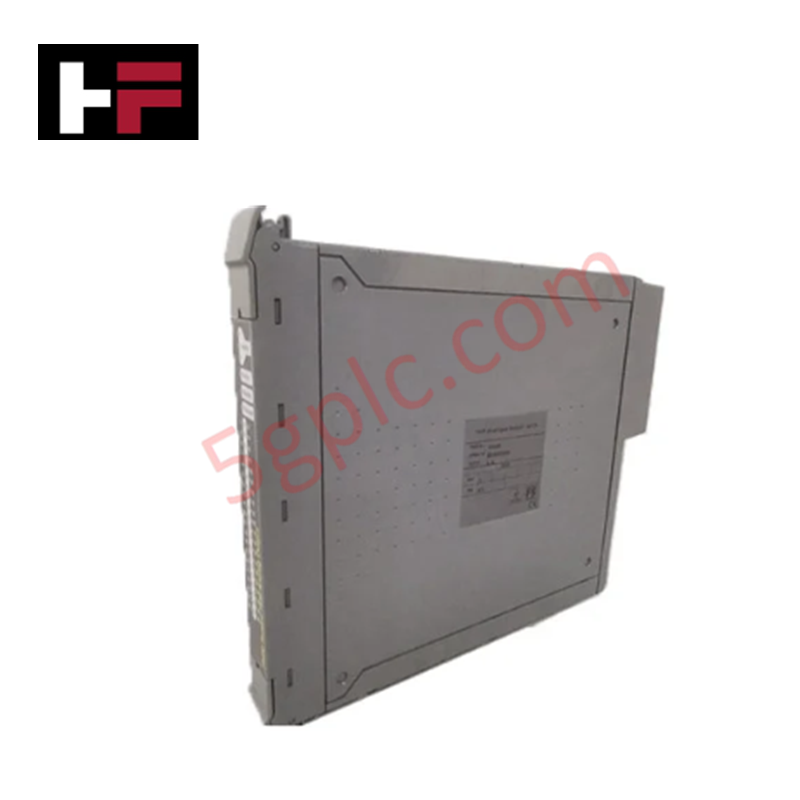
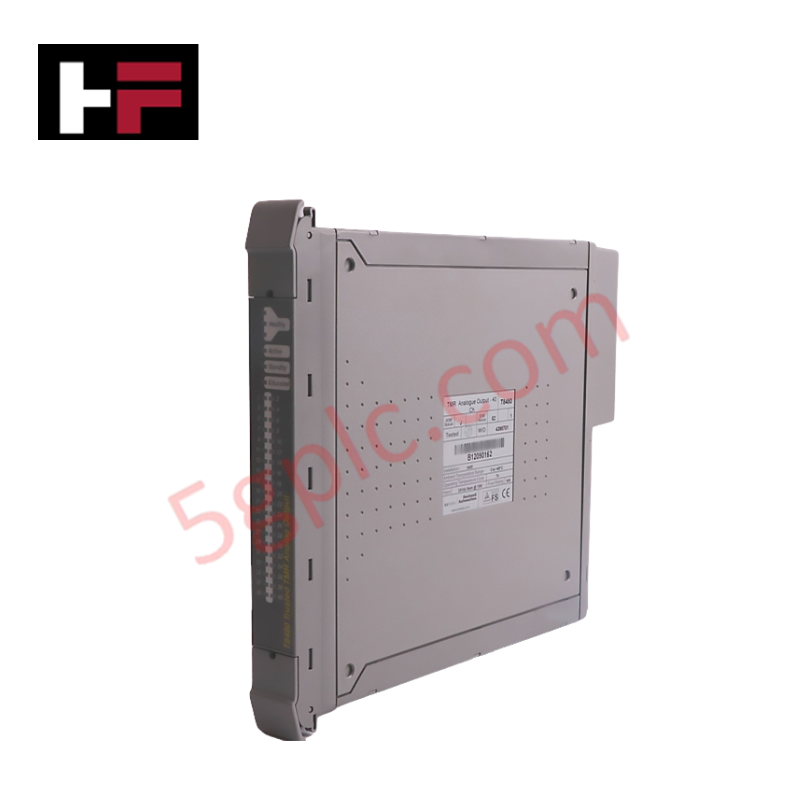
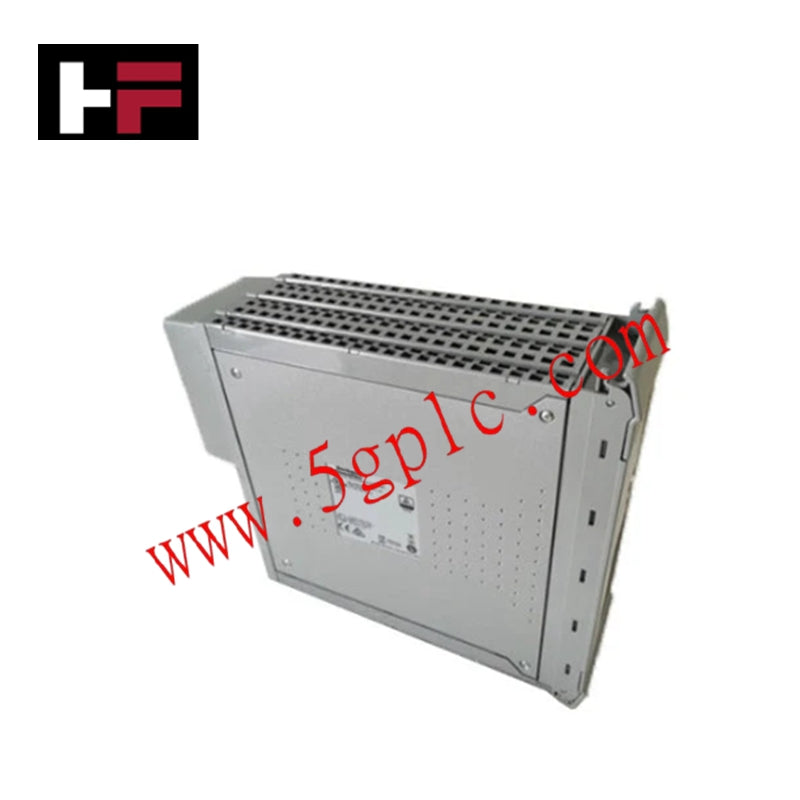
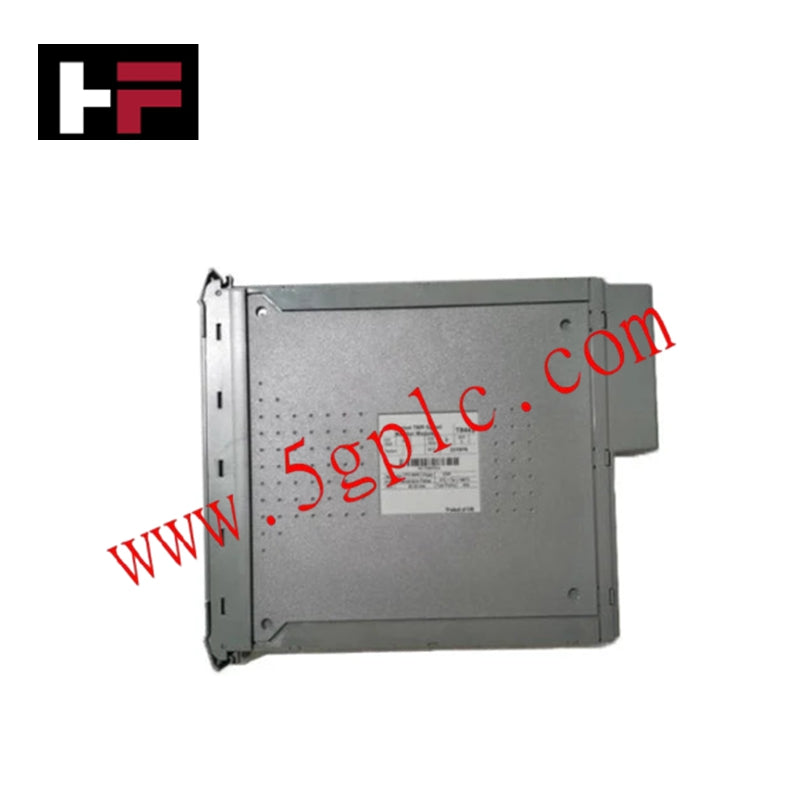
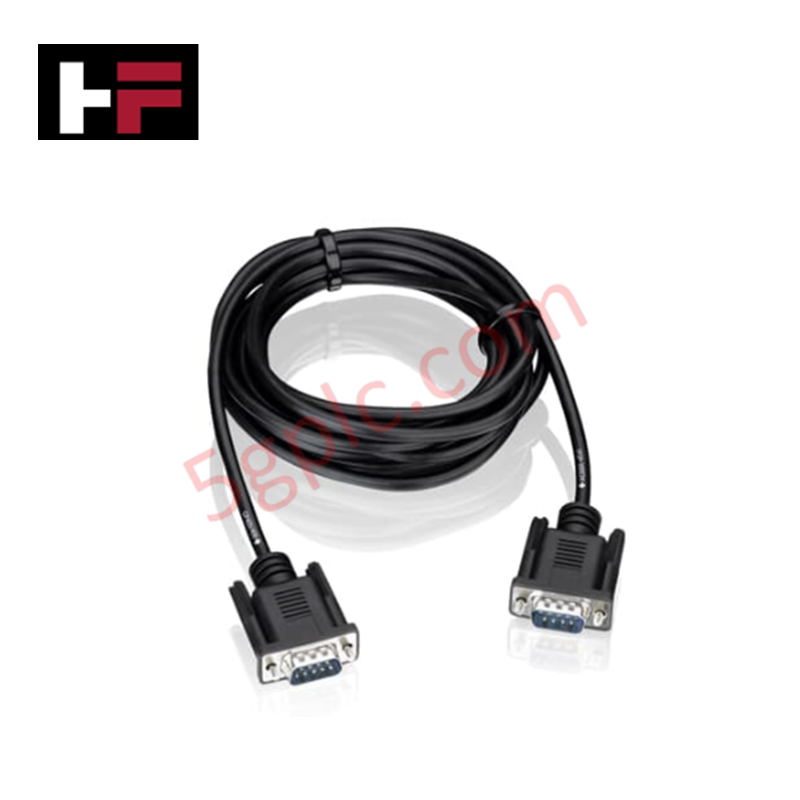
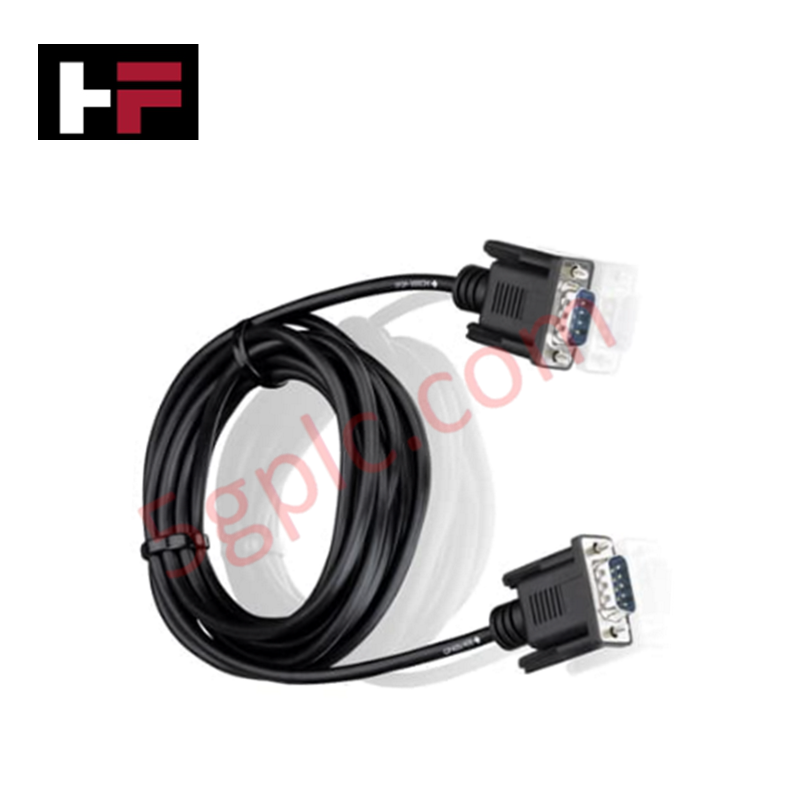
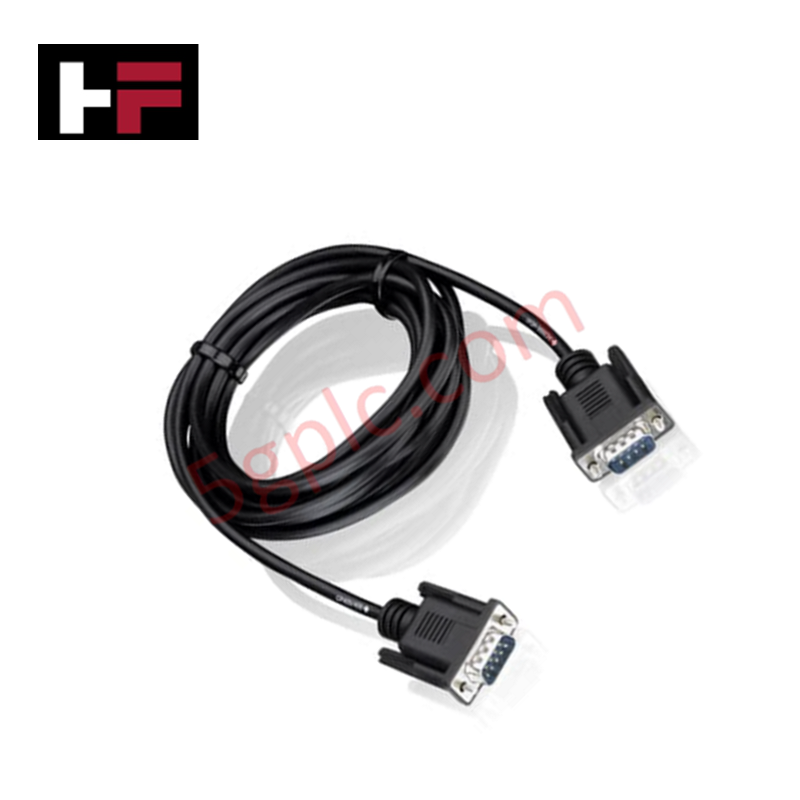
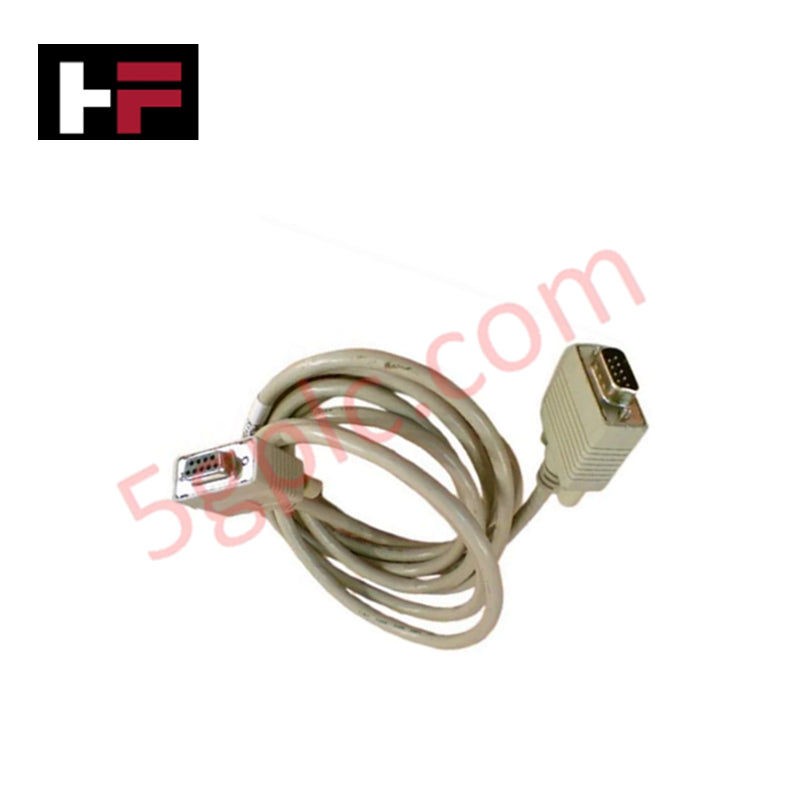
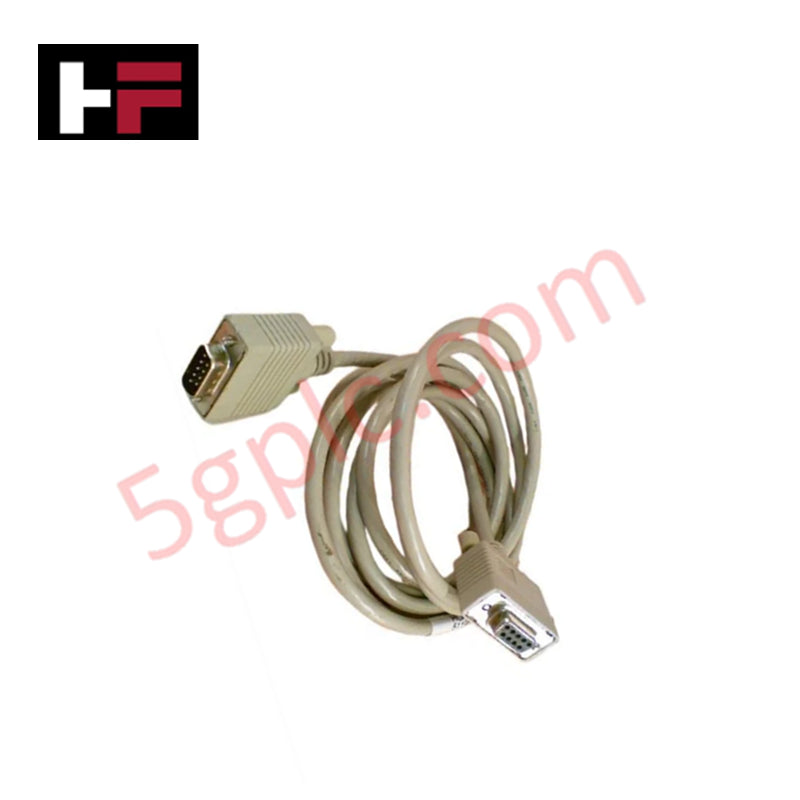
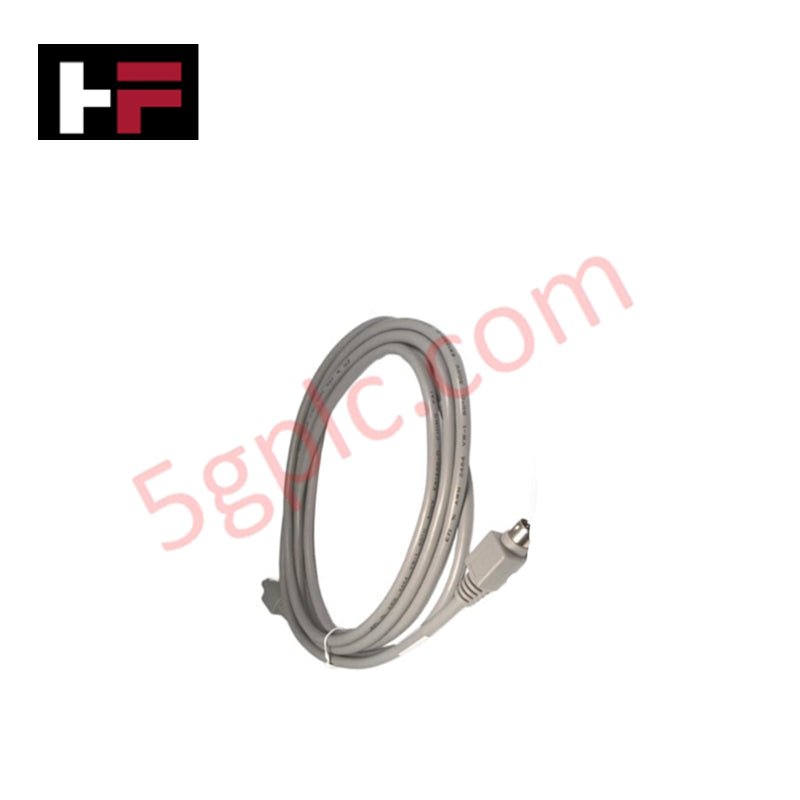
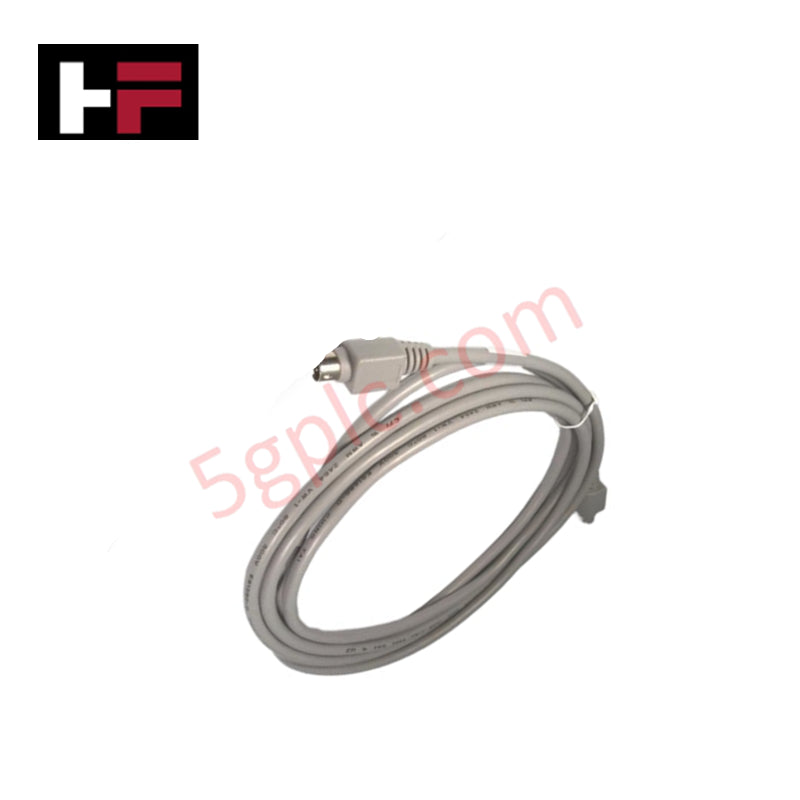
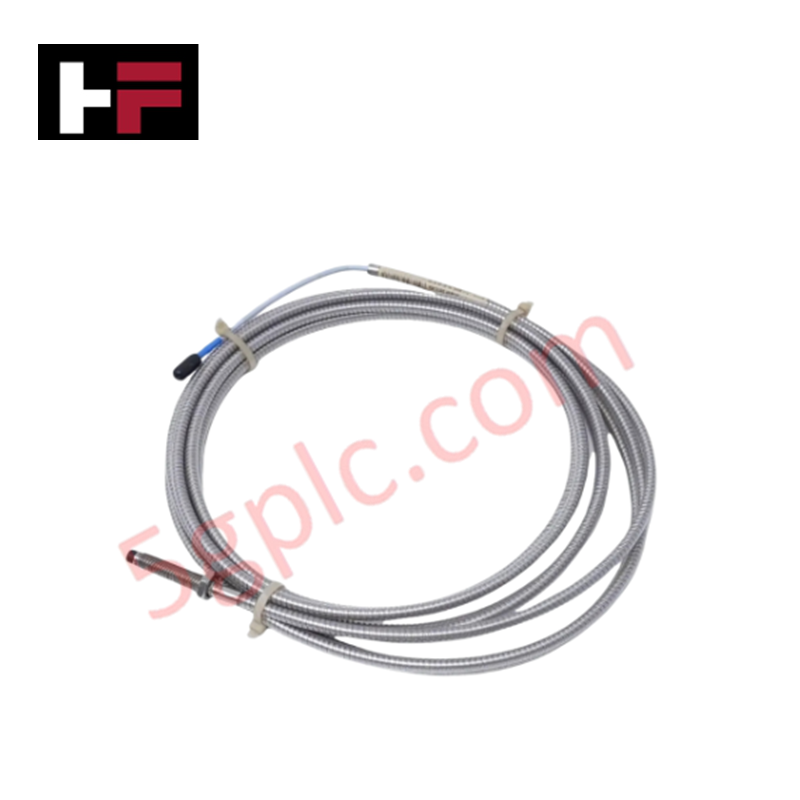
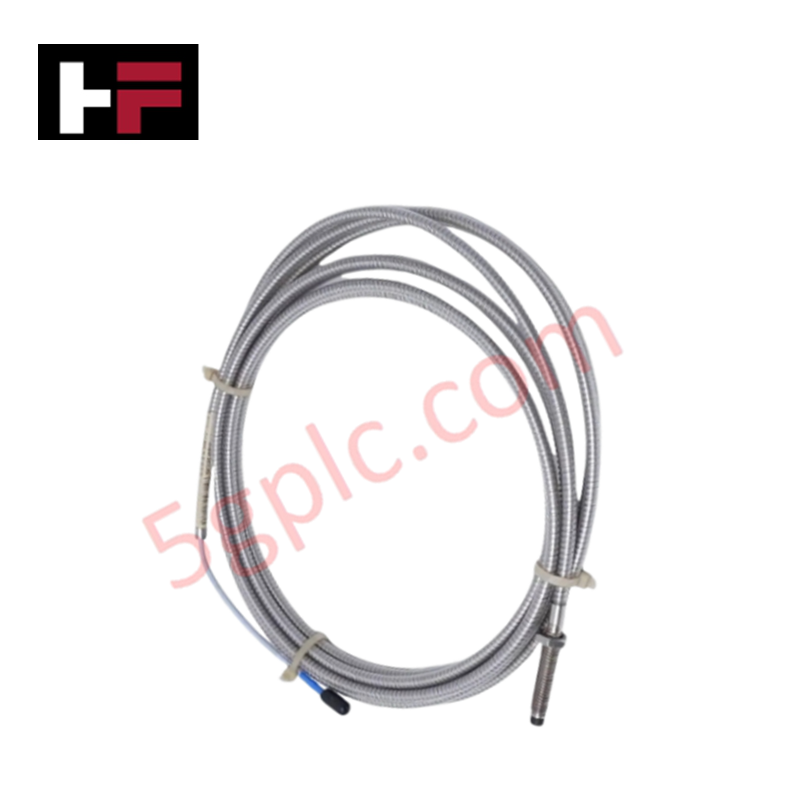
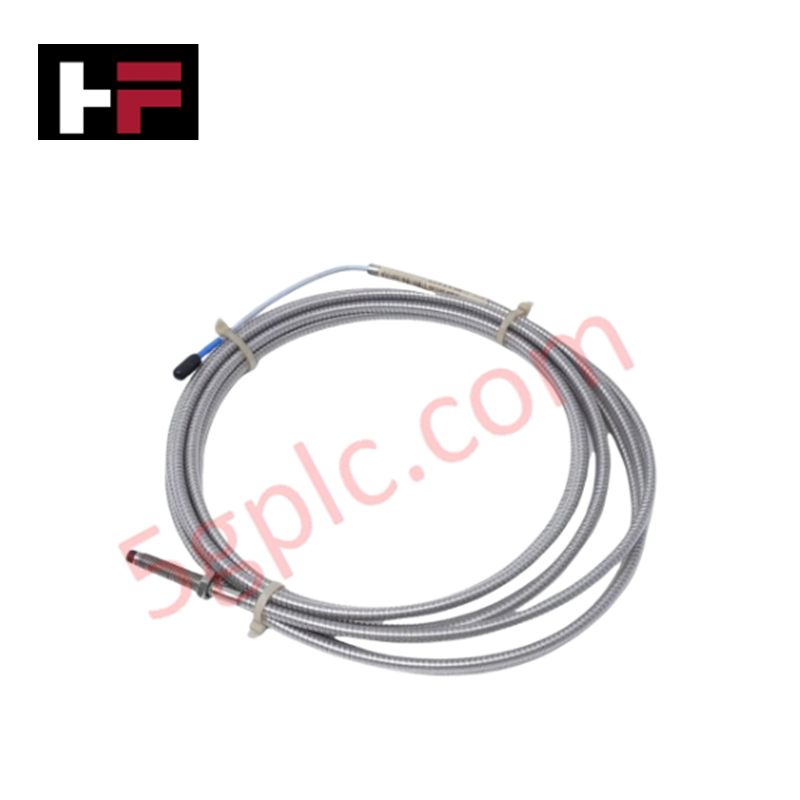
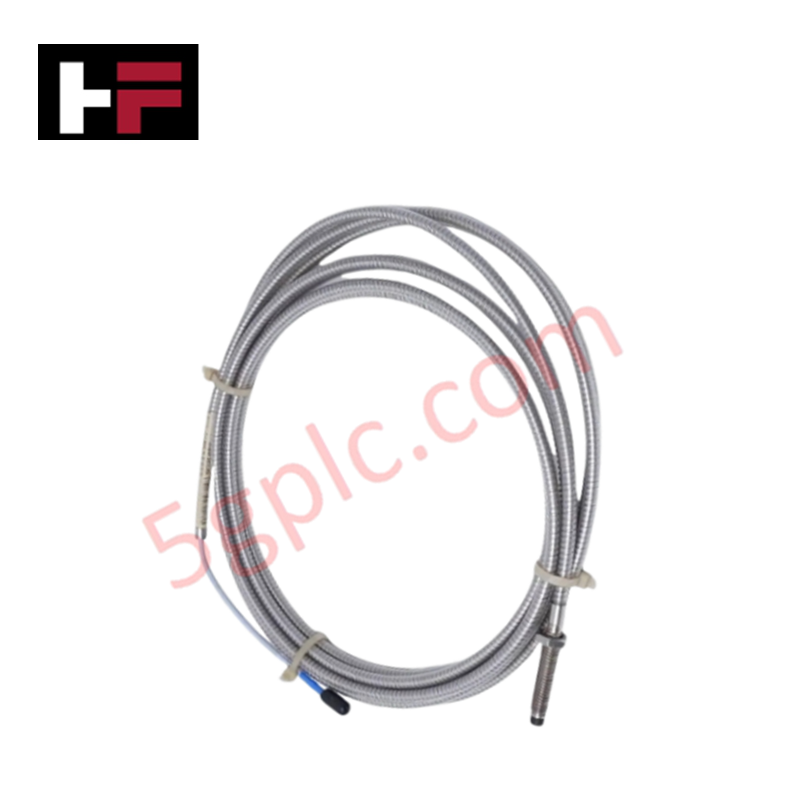
The ABB NKSD01-L9, also cataloged as the NKSD01-L9 Digital Input Module Cable, operates as a dedicated hardware component for Sequence of Events (SOE) discrete signal routing between SED modules and NTDI termination units within ABB Symphony Harmony INFI 90 systems.
Hardware Specifications
| Parameter | Specification |
|---|---|
| Model | NKSD01-L9 |
| Brand | ABB |
| Origin | USA / Sweden |
| Dimensions | 7.6 mm cable diameter profile |
| Operating Temp | -20 deg C to +70 deg C |
| Power Consumption | Passive cable assembly (no power draw) |
| Cable Length | 9 m (approx. 29.5 ft) |
| Cable Diameter | 7.6 mm |
| Insulation Material | Industrial PVC insulation |
| Voltage Rating | Less than or equal to 1,000 V |
| Connector Type | Pre-fitted end connectors |
Deterministic Network Backplane and System Signal Integrity
The NKSD01-L9 cable assembly facilitates direct point-to-point discrete signal coupling between the SED module and NTDI termination unit. Low internal conductor resistance preserves edge transition sharpness during high-speed contact changes, ensuring backplane bus communication velocity and millisecond-level SOE event timestamp accuracy.
Passive pin assignments maintain full firmware flash compatibility across connected Symphony Harmony racks. The 7.6 mm PVC insulation jacket provides mechanical protection and electrostatic noise shielding across industrial signal routing channels.
Frequently Asked Questions
Q: Does the NKSD01-L9 cable require an external power supply to operate?
A: No, the NKSD01-L9 is a passive prefabricated cable assembly that routes digital signals without drawing power from the backplane.
Q: What is the maximum rated voltage for the cable insulation?
A: The PVC insulation jacket and internal conductors are rated for industrial operating environments up to 1,000 V.
Q: Can the cable be disconnected while active discrete loops are powered?
A: Field digital input circuits connected to the NTDI termination unit should be de-energized prior to cable disconnection to prevent transient contact chatter or false SOE alarm generation.
Field Installation Guidelines
- Isolate all associated digital input field loops and power feeds before attaching or removing the cable connectors.
- Wear a grounded anti-static wrist strap during connector mating to prevent electrostatic discharge to adjacent SED module logic.
- Route the 9 m cable through designated cable ducts, maintaining proper bending radius tolerances to prevent internal wire stress.
- Align pre-fitted connectors carefully with the module and NTDI termination unit pins, pushing straight until retention latches engage.
- Secure cable strain relief clamps inside the cabinet to prevent vibration-induced mechanical tension on the connector housing.
Additional Information
- 100% Genuine Parts: All products are original and authentic, ensuring reliable industrial performance.
- 30-Day Refund Guarantee: Return any in-stock item within 30 days in original, unopened packaging for a full refund (excluding shipping and fees).
- 12-Month Warranty: Covers defects in materials or workmanship; excludes misuse, normal wear, or unauthorized modifications.
- Worldwide Shipping: We ship via USPS, UPS, FedEx, and DHL. Delivery times vary by country and may be subject to customs or import fees.
- Support & Contact: Technical and warranty assistance is available anytime. Contact us here: Contact.
- Purchase Guidance: Check product specifications and compatibility carefully before ordering to ensure proper application.


Tech & Buying Guide
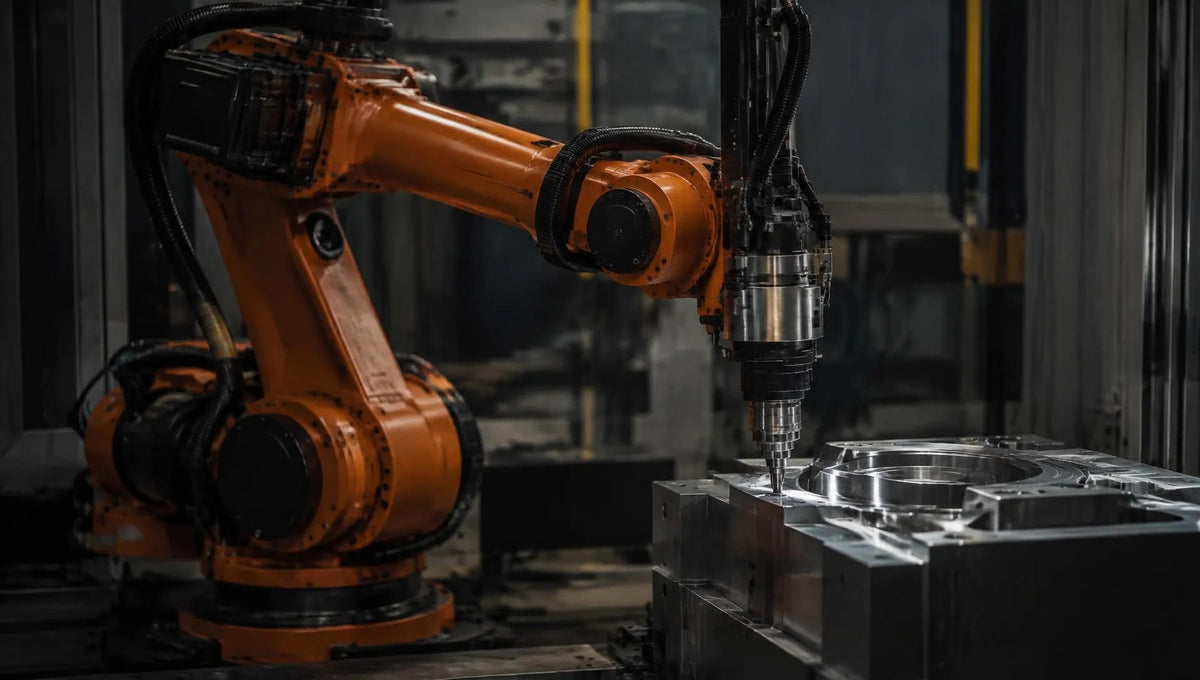
Understanding Instrumentation Control Systems in Modern Industrial Automation
An instrumentation control system (ICS) serves as the central nervous system of modern manufacturing plants and processing facilities. Engineers classify these setups as Electrical, Electronic, or Programmable Electronic Systems (E/E/PES). In practice, an ICS bridges the physical world of industrial machinery with digital decision-making tools. Therefore, understanding its architecture is essential for anyone working in factory automation, process control, or plant safety.

Mastering Electrical Grounding Fundamentals in Industrial Automation and Control Systems
Electrical grounding is a complex engineering discipline. It requires deep knowledge of soil composition and conductor materials. National Electrical Code (NEC) Article 250 outlines these requirements clearly. Many engineers confuse grounding, earthing, and bonding. Grounding connects circuits to a common reference point. Earthing specifically links equipment directly to the planet. Bonding permanently joins metallic parts to ensure electrical continuity.

Architectural Blueprint of Industrial Automation and Control Systems (IACS): Standards, Safety, and Remote Operations
According to IEC 62443, Industrial Automation and Control Systems (IACS) integrate personnel, hardware, and software. These components collectively influence the safety and reliability of any industrial process. Modern control systems allow extensive remote monitoring and operation. However, enabling remote capabilities introduces complex cybersecurity challenges. Therefore, facility operators must evaluate system functions carefully before expanding connectivity.