





Product Details
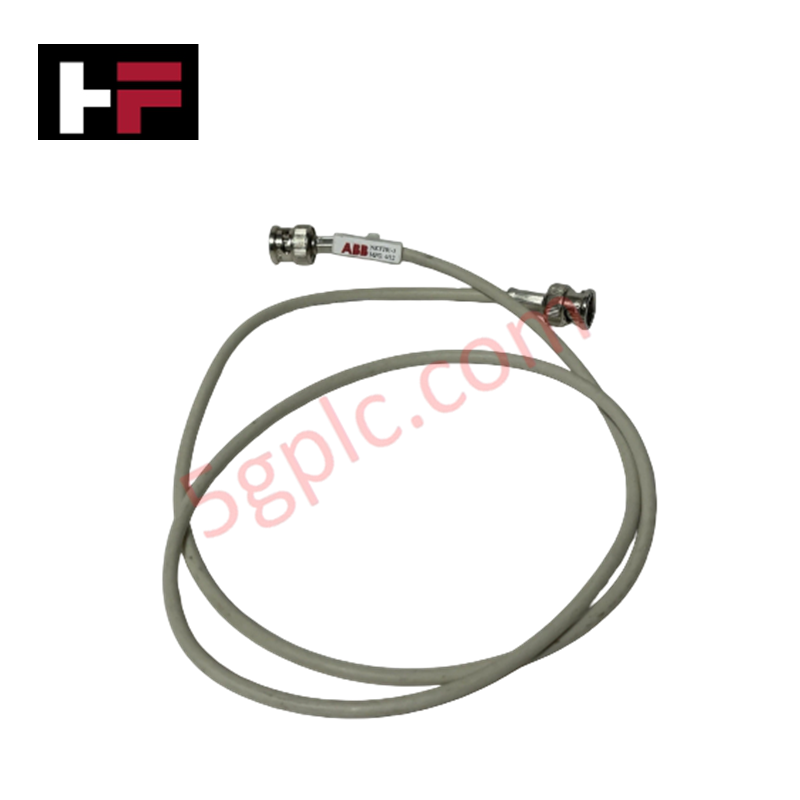
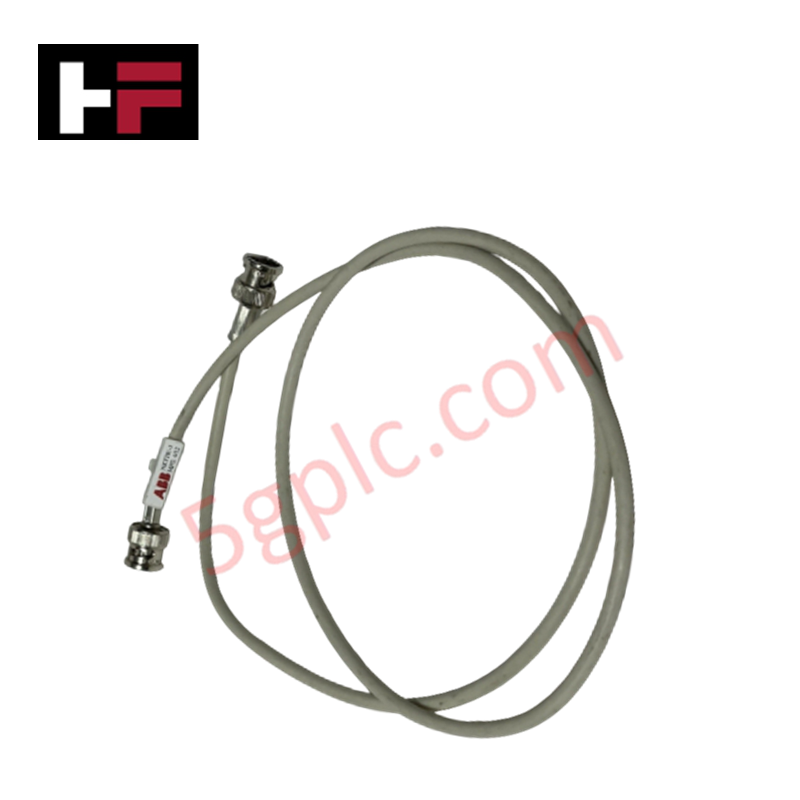
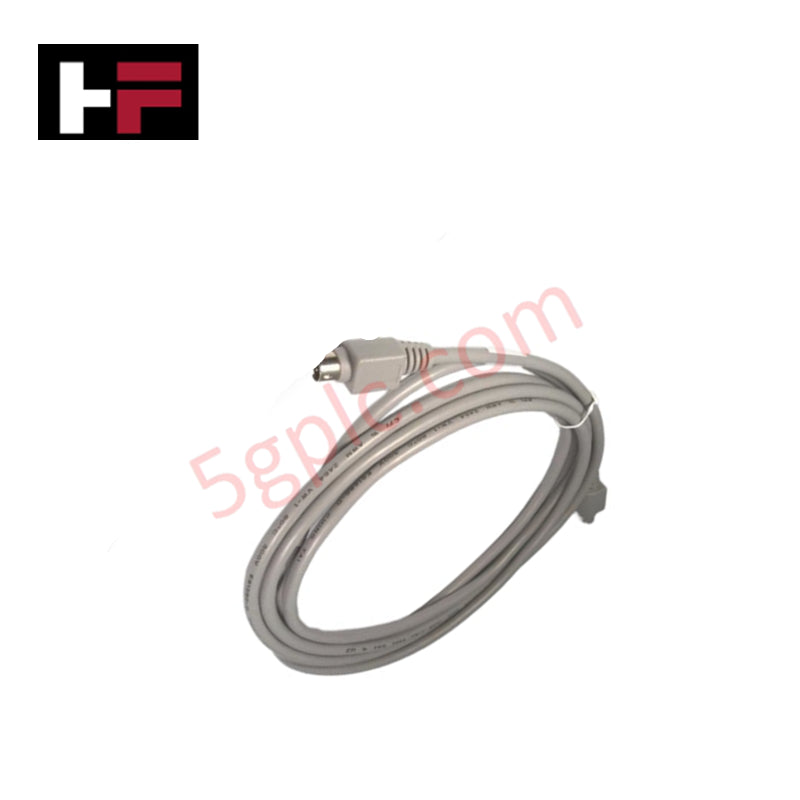
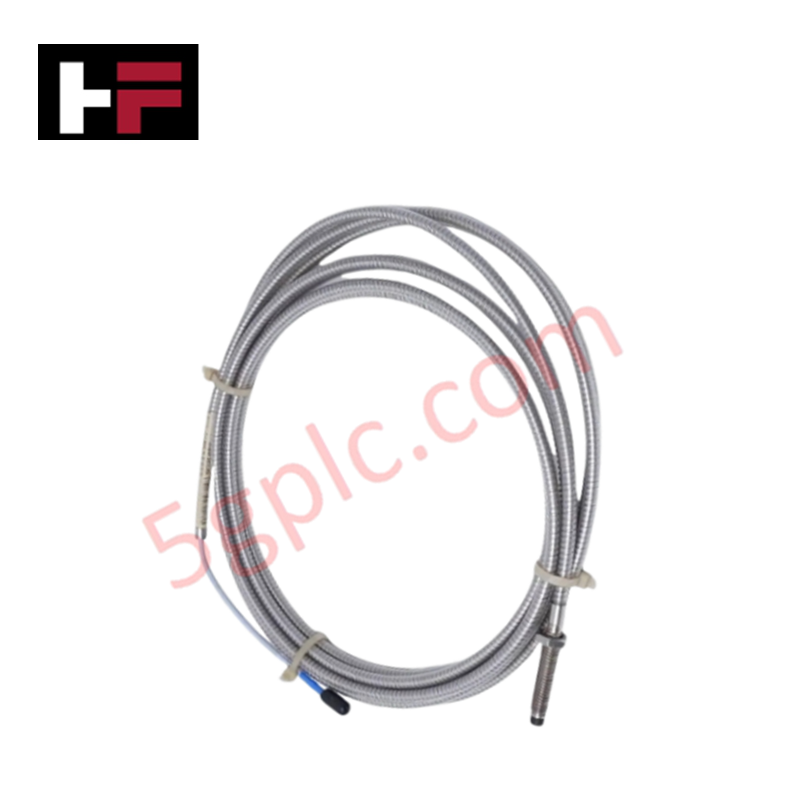
Configured for direct point-to-point interface connectivity between NTCL units in control system cabinets, the ABB NKTT01-3 (NKTT01-3 Termination Cable) provides direct physical/electrical execution.
Hardware Specifications
| Parameter | Specification |
|---|---|
| Model | NKTT01-3 |
| Brand | ABB |
| Dimensions | Cable Length: 12.7 m, Outer Diameter: 0.914 mm |
| Operating Temp | -20 to 70 deg C |
| Power Consumption | Passive component (0 W) |
| Cable Type | Prefabricated Termination Cable |
| Primary Application | Direct connection between NTCL modules |
| WEEE Category | Product Not in WEEE Scope |
Backplane Bus Communication Velocity and I/O Density Scaling
The NKTT01-3 prefabricated termination cable maintains signal integrity across high-speed bus interfaces without causing attenuation that compromises backplane bus communication velocity. Its factory-terminated conductors eliminate manual point-to-point wiring errors, supporting high I/O density scaling inside control enclosures. Standardized pinouts ensure full compatibility across connected rack assemblies while preserving low propagation delay during deterministic communication cycles.
Frequently Asked Questions
Q: What is the primary functional purpose of the NKTT01-3 termination cable?
A: The NKTT01-3 is a prefabricated cable engineered to establish a direct point-to-point signal link between NTCL termination units.
Q: Does the NKTT01-3 cable require external electrical power for operation?
A: No, the cable is a passive physical interconnection assembly and draws zero operational power.
Q: What physical precautions should be taken regarding the cable bend radius during panel installation?
A: Maintain a minimum static bend radius of 10 times the cable outer diameter to prevent internal conductor strain or signal degradation.
Field Installation Guidelines
- De-energize control power to the cabinet racks containing the target NTCL modules prior to cable routing.
- Inspect the pre-molded connectors at both ends of the NKTT01-3 cable for pin alignment and mechanical integrity.
- Route the cable through dedicated low-voltage wiring troughs, separating it from high-voltage AC power lines.
- Align and insert the connector housing into the first NTCL module port until the retention latch engages completely.
- Connect the opposing end to the secondary NTCL module port and secure any strain-relief hardware along the cable path.
Additional Information
- 100% Genuine Parts: All products are original and authentic, ensuring reliable industrial performance.
- 30-Day Refund Guarantee: Return any in-stock item within 30 days in original, unopened packaging for a full refund (excluding shipping and fees).
- 12-Month Warranty: Covers defects in materials or workmanship; excludes misuse, normal wear, or unauthorized modifications.
- Worldwide Shipping: We ship via USPS, UPS, FedEx, and DHL. Delivery times vary by country and may be subject to customs or import fees.
- Support & Contact: Technical and warranty assistance is available anytime. Contact us here: Contact.
- Purchase Guidance: Check product specifications and compatibility carefully before ordering to ensure proper application.




Tech & Buying Guide

Understanding Instrumentation Control Systems in Modern Industrial Automation
An instrumentation control system (ICS) serves as the central nervous system of modern manufacturing plants and processing facilities. Engineers classify these setups as Electrical, Electronic, or Programmable Electronic Systems (E/E/PES). In practice, an ICS bridges the physical world of industrial machinery with digital decision-making tools. Therefore, understanding its architecture is essential for anyone working in factory automation, process control, or plant safety.

Mastering Electrical Grounding Fundamentals in Industrial Automation and Control Systems
Electrical grounding is a complex engineering discipline. It requires deep knowledge of soil composition and conductor materials. National Electrical Code (NEC) Article 250 outlines these requirements clearly. Many engineers confuse grounding, earthing, and bonding. Grounding connects circuits to a common reference point. Earthing specifically links equipment directly to the planet. Bonding permanently joins metallic parts to ensure electrical continuity.

Architectural Blueprint of Industrial Automation and Control Systems (IACS): Standards, Safety, and Remote Operations
According to IEC 62443, Industrial Automation and Control Systems (IACS) integrate personnel, hardware, and software. These components collectively influence the safety and reliability of any industrial process. Modern control systems allow extensive remote monitoring and operation. However, enabling remote capabilities introduces complex cybersecurity challenges. Therefore, facility operators must evaluate system functions carefully before expanding connectivity.