



Product Details
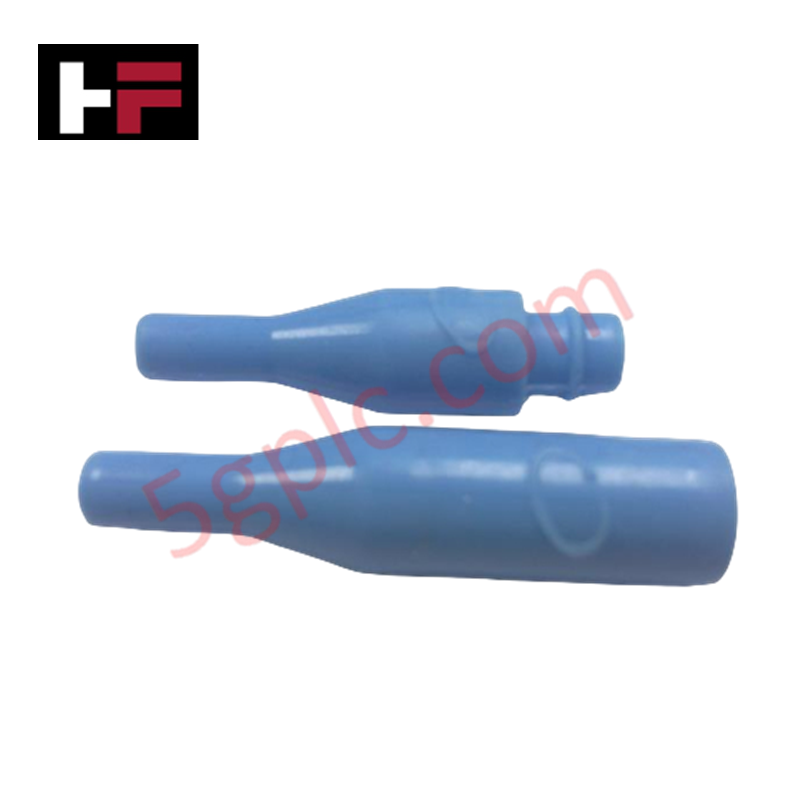
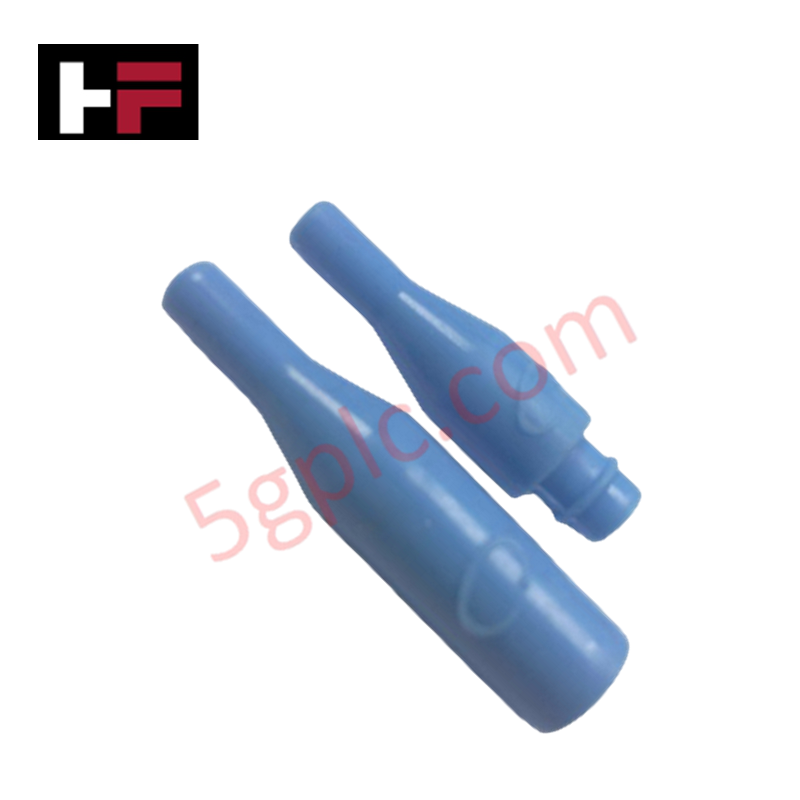
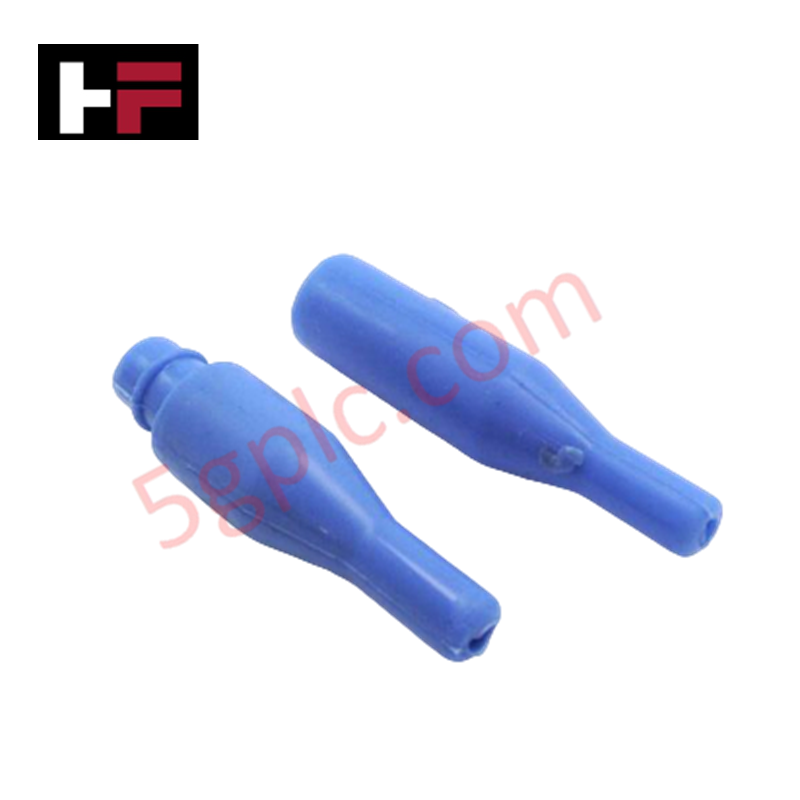
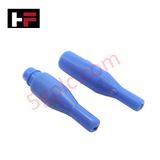
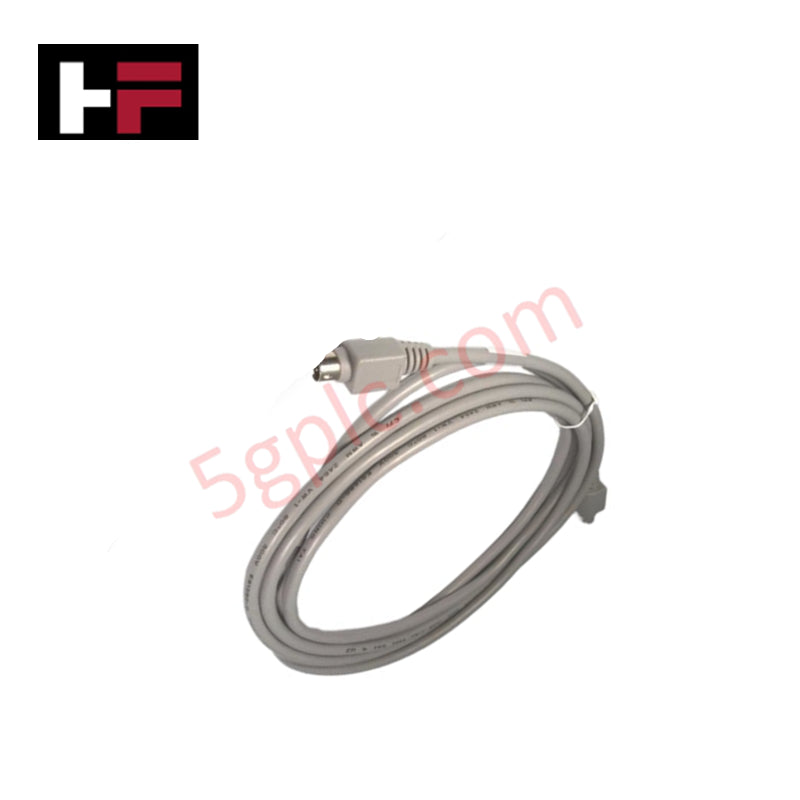
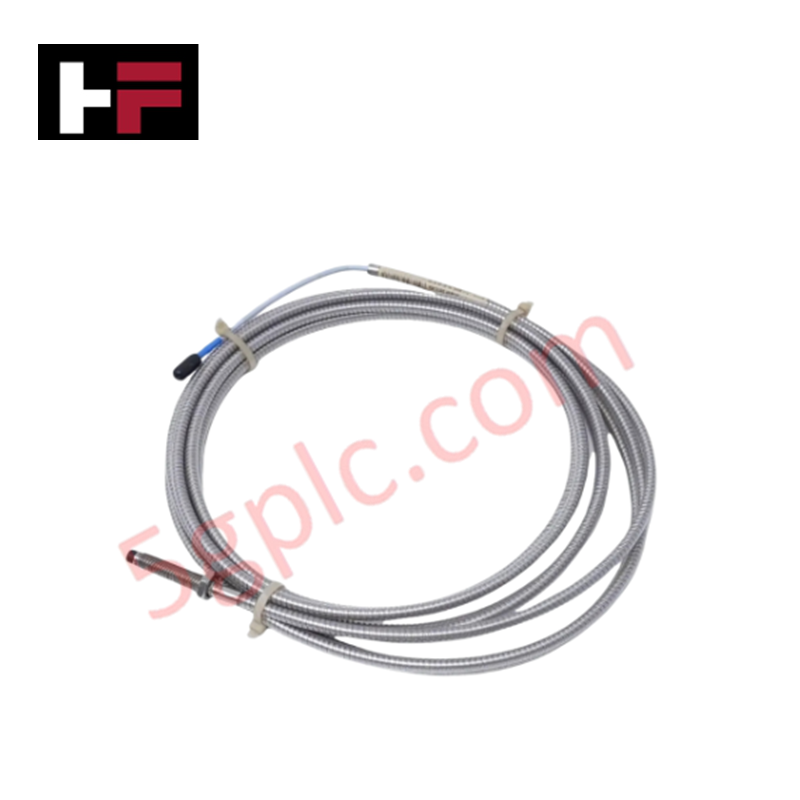
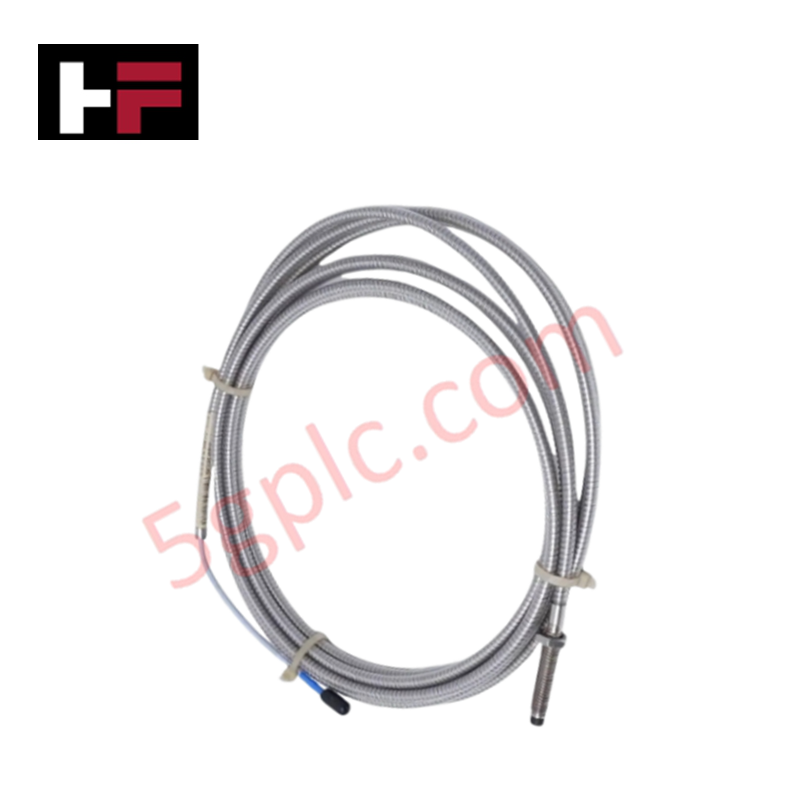
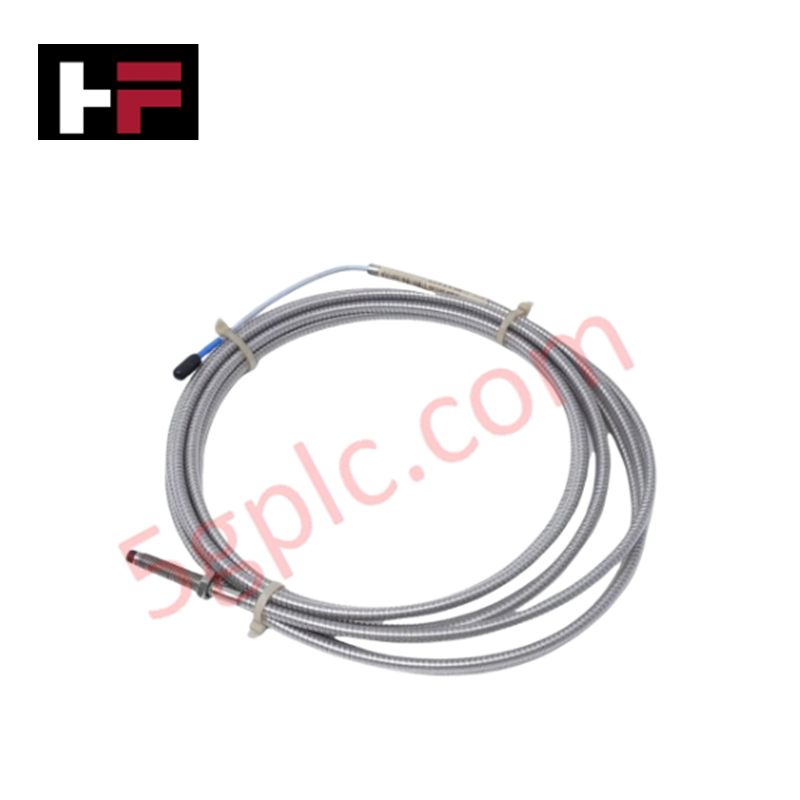
The Bently Nevada 40180-02, also cataloged as the 40180 Sensor Accessory, operates as a dedicated hardware component for physical sealing and environmental isolation of proximity probe connections within Bently Nevada machinery protection networks. It fits male and female coaxial cable interconnects to protect low-level RF impedance signals from ambient moisture, oil ingress, and airborne contaminants.
Hardware Specifications
| Parameter | Specification |
|---|---|
| Model | 40180-02 |
| Brand | Bently Nevada |
| Origin | USA |
| Weight | 0.45 lbs (Approx. 0.20 kg per package) |
| Power Consumption | Passive mechanical accessory (0 W) |
| Interface Type | Compatible with male / female proximity probe connectors |
| Package Quantity | 10 pairs per package |
| Component Type | Cable connector protector / sealing boot |
Eddy-Current Probe Scaling and Gap Voltage Validation
The Bently Nevada 40180-02 connector protector isolates the sensitive electrical junction between proximity transducers and extension cables. Coaxial connection degradation directly alters total loop capacitance and inductance, leading to errors in eddy-current probe scaling and shifting calibration parameters. Installing this passive insulator ensures that static gap voltage validation (-10 VDC targets) remains stable over extended operational cycles by eliminating moisture-induced leakage currents that distort rotor dynamics measurement.
Frequently Asked Questions
Q: How does the 40180-02 impact the electrical performance of proximity transducer loops?
A: As a passive elastomeric insulation accessory, the 40180-02 introduces no electrical resistance, capacitance, or attenuation to the high-frequency RF signal path.
Q: Can the 40180-02 connector protector be reused during field probe replacement?
A: Reuse is permissible if the boot material shows no signs of hardening, tearing, or chemical degradation that would compromise its environmental sealing capabilities.
Q: Which connector geometries are compatible with the 40180-02 kit?
A: The protector features molded mating profiles designed specifically to fit standard male and female miniature coaxial connectors used across Bently Nevada proximity probe extension cables.
Field Installation Guidelines
- Clean all male and female coaxial connector surfaces thoroughly using an approved electrical contact cleaner before joining the cable ends.
- Slide the 40180-02 protector sleeves over the cable leads prior to mating the threaded or push-on coaxial connection.
- Fully seat and secure the coaxial electrical connection, then slide the protective boots over the joined interface until completely encapsulated.
- Ensure cable runs are supported with appropriate mounting clamps to prevent physical strain or excessive pull forces on the protected connection point.
Additional Information
- 100% Genuine Parts: All products are original and authentic, ensuring reliable industrial performance.
- 30-Day Refund Guarantee: Return any in-stock item within 30 days in original, unopened packaging for a full refund (excluding shipping and fees).
- 12-Month Warranty: Covers defects in materials or workmanship; excludes misuse, normal wear, or unauthorized modifications.
- Worldwide Shipping: We ship via USPS, UPS, FedEx, and DHL. Delivery times vary by country and may be subject to customs or import fees.
- Support & Contact: Technical and warranty assistance is available anytime. Contact us here: Contact.
- Purchase Guidance: Check product specifications and compatibility carefully before ordering to ensure proper application.


Tech & Buying Guide

Understanding Instrumentation Control Systems in Modern Industrial Automation
An instrumentation control system (ICS) serves as the central nervous system of modern manufacturing plants and processing facilities. Engineers classify these setups as Electrical, Electronic, or Programmable Electronic Systems (E/E/PES). In practice, an ICS bridges the physical world of industrial machinery with digital decision-making tools. Therefore, understanding its architecture is essential for anyone working in factory automation, process control, or plant safety.

Mastering Electrical Grounding Fundamentals in Industrial Automation and Control Systems
Electrical grounding is a complex engineering discipline. It requires deep knowledge of soil composition and conductor materials. National Electrical Code (NEC) Article 250 outlines these requirements clearly. Many engineers confuse grounding, earthing, and bonding. Grounding connects circuits to a common reference point. Earthing specifically links equipment directly to the planet. Bonding permanently joins metallic parts to ensure electrical continuity.

Architectural Blueprint of Industrial Automation and Control Systems (IACS): Standards, Safety, and Remote Operations
According to IEC 62443, Industrial Automation and Control Systems (IACS) integrate personnel, hardware, and software. These components collectively influence the safety and reliability of any industrial process. Modern control systems allow extensive remote monitoring and operation. However, enabling remote capabilities introduces complex cybersecurity challenges. Therefore, facility operators must evaluate system functions carefully before expanding connectivity.