












Product Details
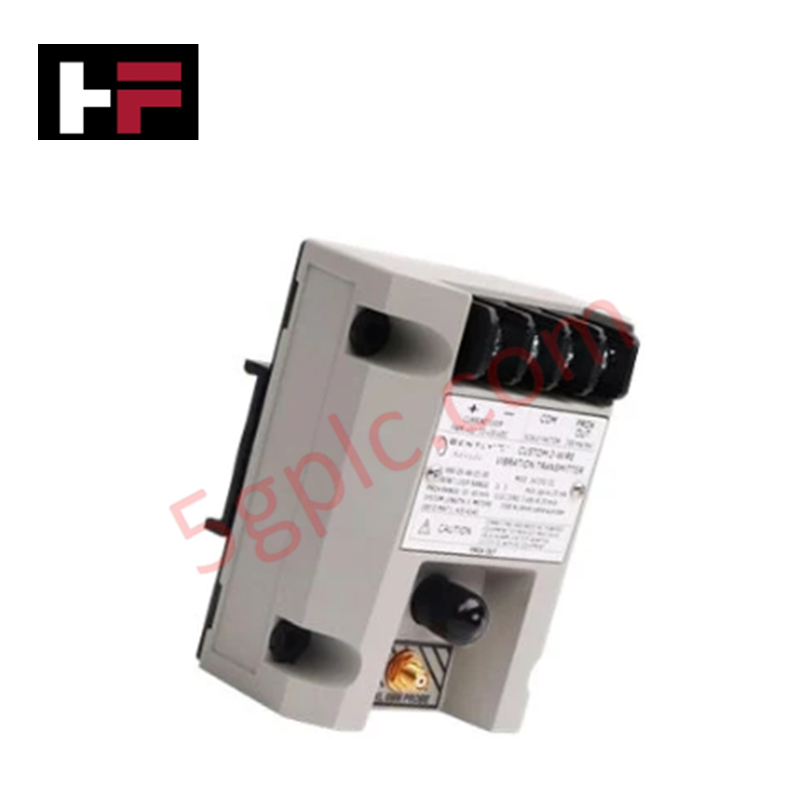
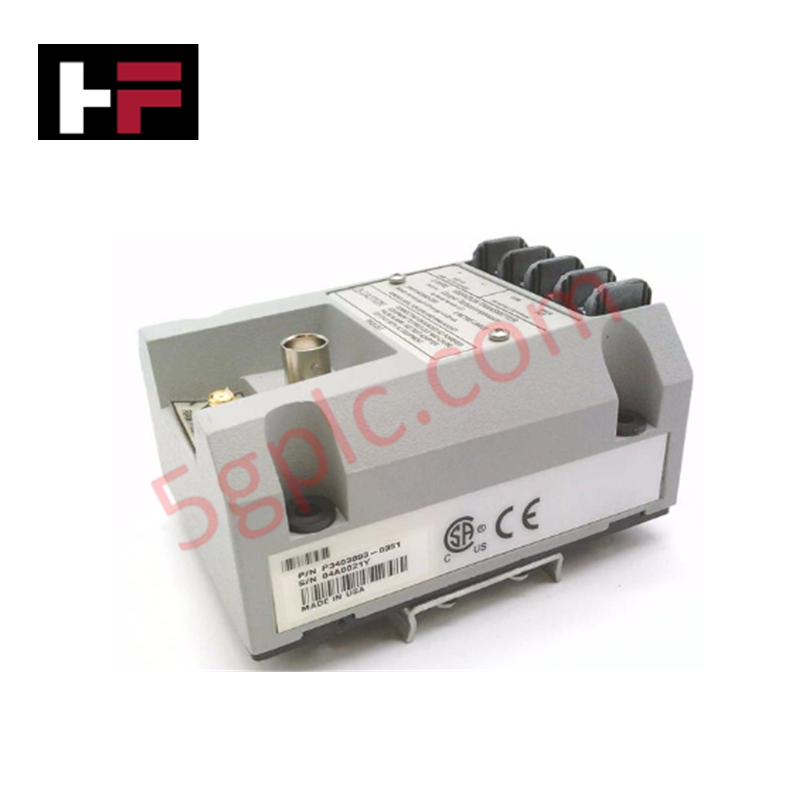
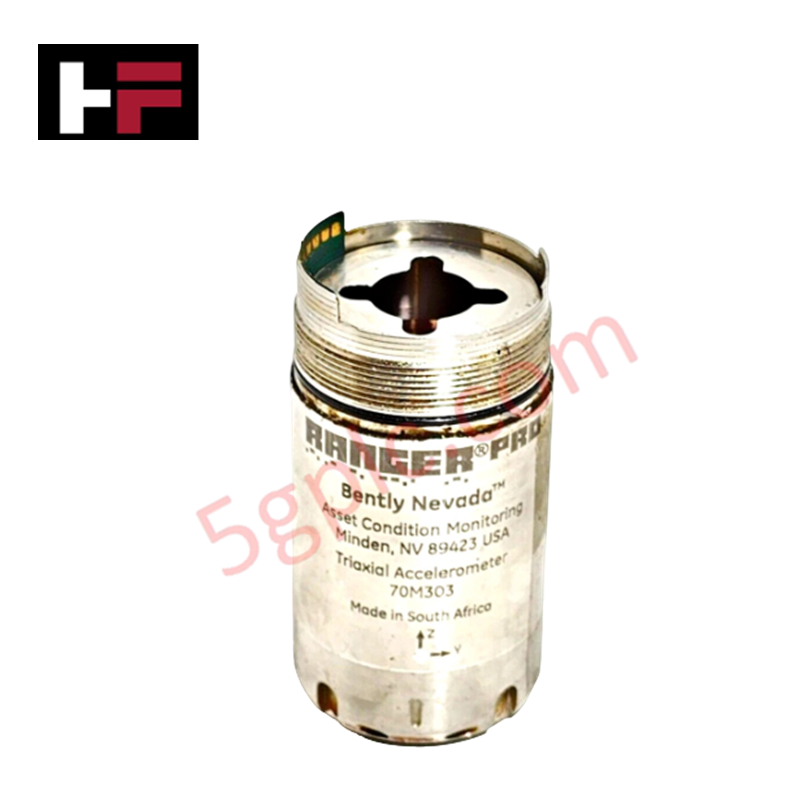
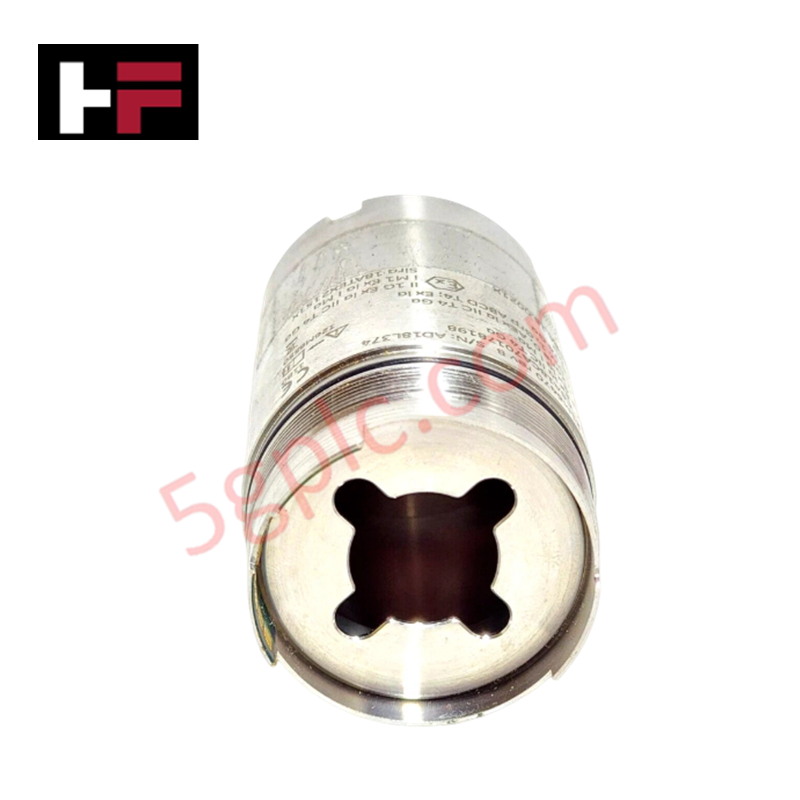
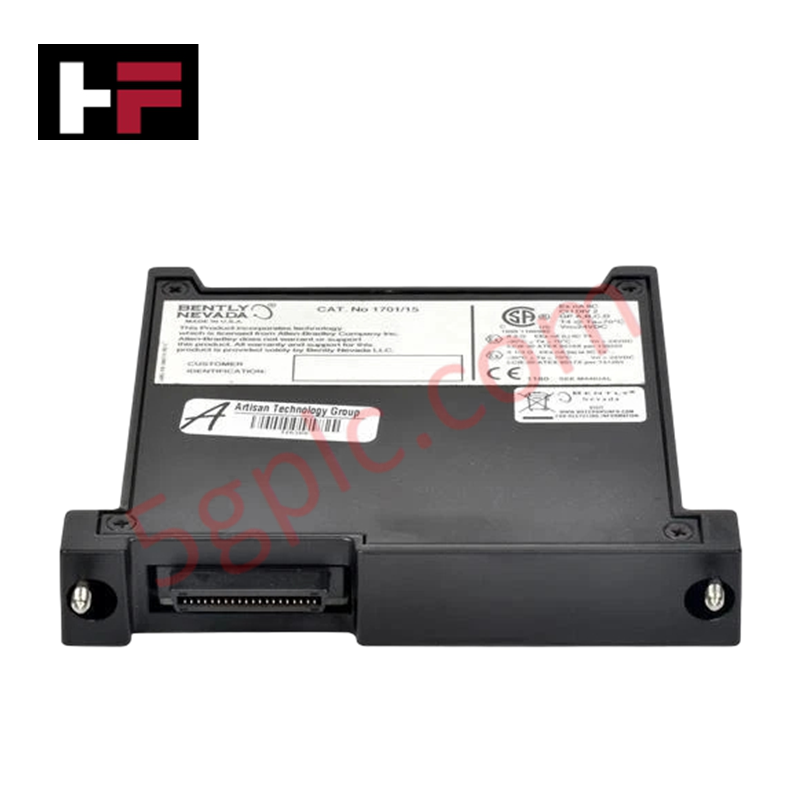
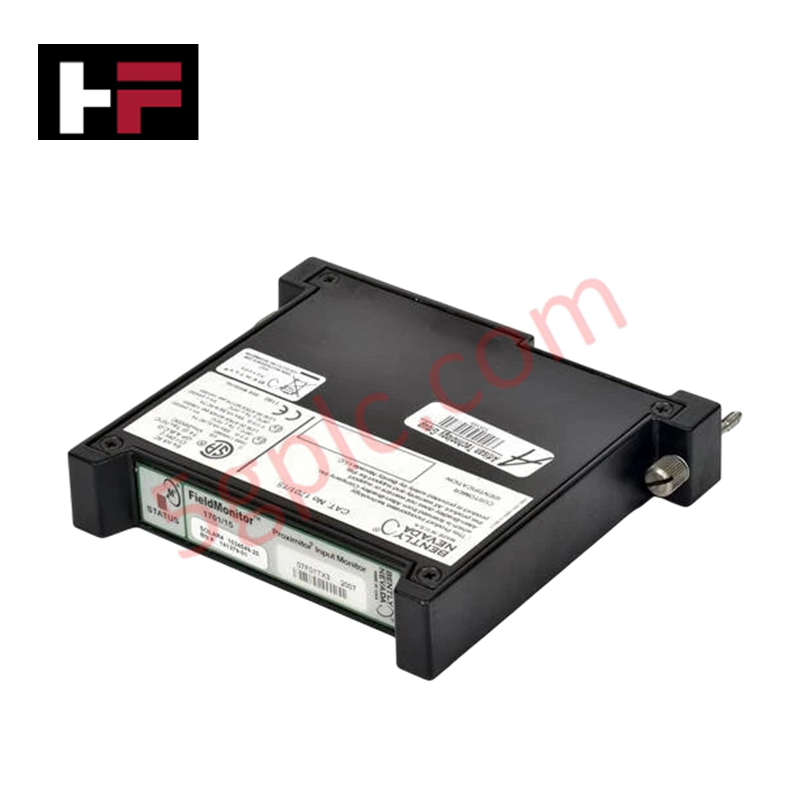
The Bently Nevada 170190-01, also cataloged as the 170190-01 Dual Galvanic Isolator, operates as a dedicated hardware component for intrinsically safe signal isolation and field transducer loop processing within Bently Nevada machinery monitoring platforms. The module prevents ground loops and voltage transients from reaching hazardous area field transducers while routing proximity sensor signals and environmental data back to the processing backplane.
Hardware Specifications
| Parameter | Specification |
|---|---|
| Model | 170190-01 |
| Brand | Bently Nevada |
| Origin | Global Manufacturing Facilities |
| Weight | Approximately 1.2 kg (2.6 lb) |
| Dimensions | Standard Rack Module Footprint |
| Operating Temp | -51 deg C to +105 deg C |
| Power Consumption | 36 W at +24 VDC typical (for complete system with 4 monitors, 5 isolators, 5 I/O modules) |
| Primary Power Input Range | +19 VDC to +33 VDC |
| Housing Material | Polyphenylene sulfide (PPS) with AISI 304 stainless steel sleeve |
| I/O Connectors | 16-pin Flexbus, 25-pin D-Sub, Euro terminal blocks |
| Hazardous Approvals | CSA Zone 2 IIC, Class 1 Division 2 (Groups A, B, C, D), CENELEC Zone 2 IIC |
Eddy-Current Probe Scaling & Rotor Dynamics Integrity
The 170190-01 dual galvanic isolator maintains linear eddy-current probe scaling across connected proximity transducer circuits without introducing signal phase shift. Built-in signal isolation circuits preserve target gap voltage validation near standard -10 VDC operational levels to enable accurate evaluation of critical rotor dynamics. Embedded real-time self-tests continuously assess internal channel integrity and transducer loop health, while cross-talk suppression circuitry minimizes inter-channel interference across adjacent monitoring paths.
Frequently Asked Questions
Q: Does the 170190-01 require an external intrinsically safe ground reference?
A: No. The internal galvanic isolation design eliminates the requirement for external safety barriers or dedicated intrinsically safe grounding connections.
Q: What physical connectors are used for field and backplane signals on the 170190-01?
A: Signal connections are established via 16-pin Flexbus connectors, 25-pin D-Sub connectors, and multi-point Euro terminal blocks.
Q: What hazardous area classification guidelines must be followed for module mounting?
A: The module must be installed in safe areas, CSA Zone 2 IIC / Class 1 Division 2 (Groups A, B, C, D), or CENELEC Zone 2 IIC locations in accordance with Control Drawing 141265.
Field Installation Guidelines
Follow these technical procedures during panel mounting and wiring:
- Hazardous Location Compliance: Verify that the enclosure installation location strictly conforms to CSA Zone 2 / Class 1 Division 2 or CENELEC Zone 2 requirements per Control Drawing 141265.
- Backplane Alignment: Slide the 170190-01 module into the rack chassis guide slot, pressing firmly to engage the 16-pin Flexbus and 25-pin D-Sub backplane headers.
- Transducer Shield Grounding: Connect incoming probe cable shield wires to the dedicated Euro terminal earthing points to suppress cross-talk and ambient RF interference.
- Terminal Torque & Fastening: Tighten all Euro terminal screw connections and secure the retaining chain and stainless steel sleeve to ensure mechanical integrity.
Additional Information
- 100% Genuine Parts: All products are original and authentic, ensuring reliable industrial performance.
- 30-Day Refund Guarantee: Return any in-stock item within 30 days in original, unopened packaging for a full refund (excluding shipping and fees).
- 12-Month Warranty: Covers defects in materials or workmanship; excludes misuse, normal wear, or unauthorized modifications.
- Worldwide Shipping: We ship via USPS, UPS, FedEx, and DHL. Delivery times vary by country and may be subject to customs or import fees.
- Support & Contact: Technical and warranty assistance is available anytime. Contact us here: Contact.
- Purchase Guidance: Check product specifications and compatibility carefully before ordering to ensure proper application.
Tech & Buying Guide

Top 5 Operational Advantages of HMIs in Modern Factory Automation

Importance of Safety Barriers in PLC and DCS Control Systems
