










Product Details
Product Overview
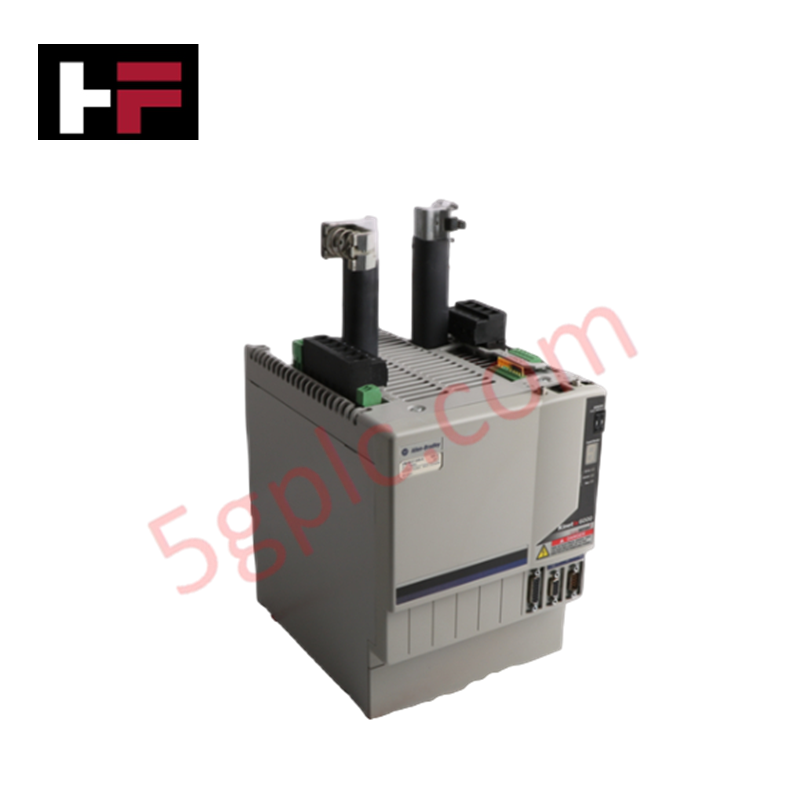
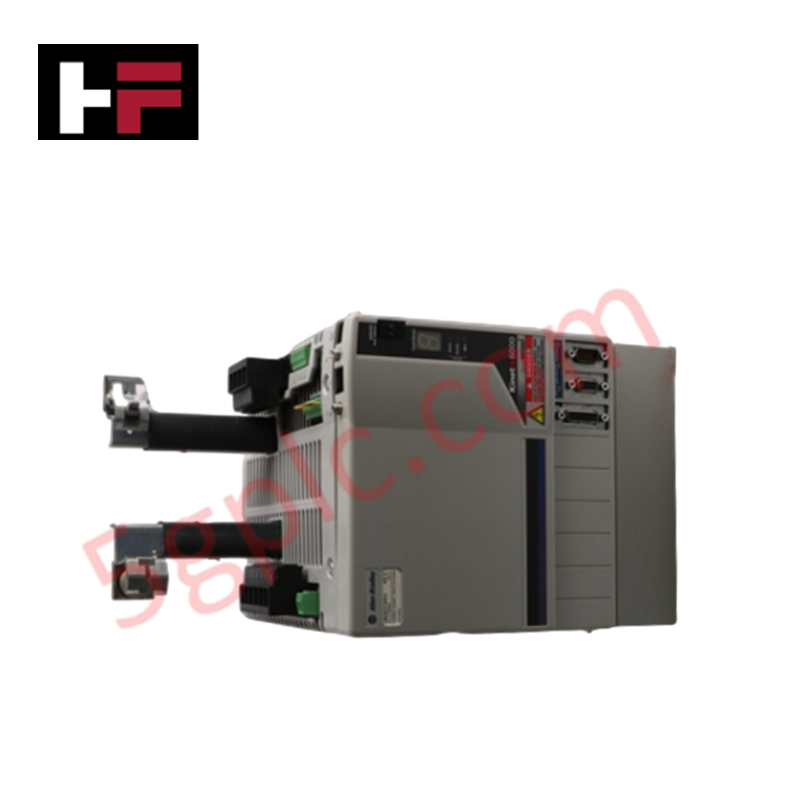
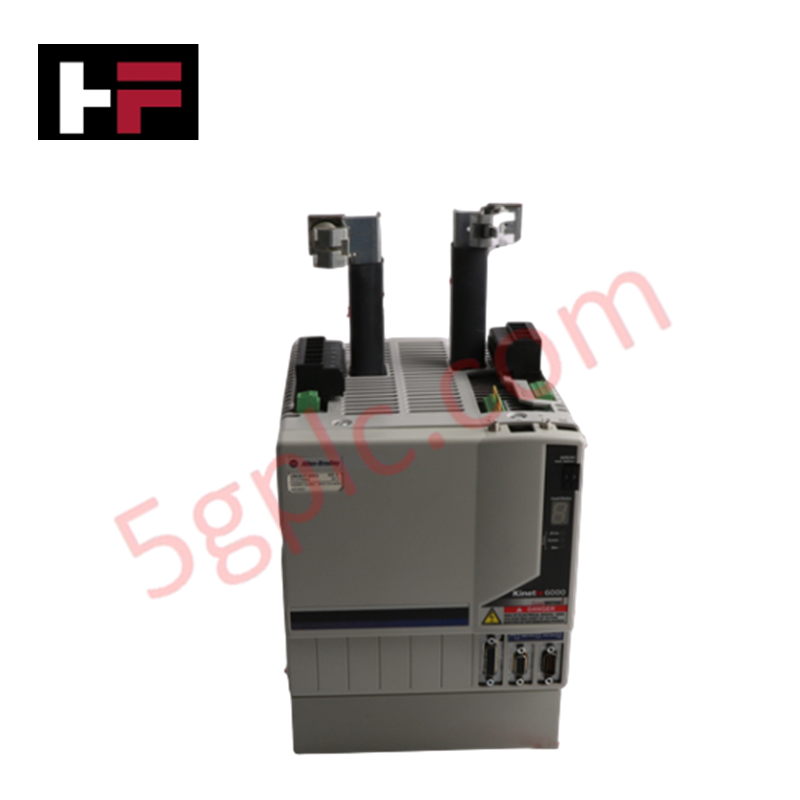
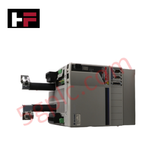
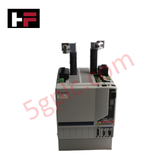
The Allen-Bradley 2094-BC07-M05-S acts as a high-performance Integrated Axis Module (IAM) within the Kinetix 6000 multi-axis servo drive system. Designed for complex motion control applications, this module combines a power converter and inverter into a single, compact chassis unit. It efficiently converts 3-phase AC input power into a regulated 650V DC common bus, which subsequently powers multiple inverter modules to drive servo motors with exceptional precision. We supply this item as a 100% Brand New, factory-sealed unit.
Technical Specifications
| Parameter | Specification |
|---|---|
| Manufacturer | Allen-Bradley (Rockwell Automation) |
| Product Line | Kinetix 6000 |
| Product Type | Integrated Axis Module (IAM) |
| Nominal Input Voltage | 380 - 480V AC (3-Phase) |
| Input Voltage Range | 324 - 528V AC (RMS, 3-Phase) |
| Input Frequency | 47 - 63 Hz |
| DC Bus Output Voltage | 650V DC (Nominal) |
| Common Bus Follower DC Input | 458 - 747V DC |
| Common Bus Follower DC Current | 67.7 Amps |
| Max Efficiency Rating | 97% |
| Short-Circuit Current | 200,000 Amps Symmetrical (RMS) |
| Bus Overvoltage Trip | 825V DC |
| Bus Undervoltage Trip | 275V DC |
| Weight | 20.31 lbs (9.21 kg) |
Engineering Advantages
High-Efficiency Common Bus Architecture
The 2094-BC07-M05-S leverages a shared DC bus topology to maximize energy efficiency in multi-axis systems. By converting 3-phase AC to a stable 650V DC bus, it allows multiple axes to share regenerative braking energy. When one axis decelerates, the regenerated power feeds directly back into the bus to accelerate another axis, reducing overall energy consumption and heat generation within the control cabinet.
Robust Power Conversion and Protection
Engineered for heavy industrial loads, this IAM module handles a wide 324-528V AC input range, making it adaptable to global power grids. It features integrated shunt regulation (Shunt On at 805V DC, Shunt Off at 755V DC) to safely dissipate excess regenerative energy. Additionally, its high short-circuit current rating of 200,000 Amps (RMS Symmetrical) ensures the drive withstands severe electrical faults without catastrophic failure.
Compact Multi-Axis Integration
This module significantly reduces the footprint of complex motion control systems. Instead of using individual single-axis drives, engineers can mount multiple inverter modules alongside this IAM converter in a single Kinetix 6000 chassis. This modular design simplifies wiring, minimizes spare parts inventory, and streamlines the installation of high-density servo systems used in packaging, converting, and material handling machinery.
FAQs
Q: What is the primary function of the 2094-BC07-M05-S module?
A: The 2094-BC07-M05-S serves as an Integrated Axis Module (IAM) that acts as the main power converter for the Kinetix 6000 system. It converts 3-phase AC line voltage into a regulated 650V DC common bus to power additional inverter modules and servo motors.
Q: What is the input voltage requirement for this IAM module?
A: This module requires a 3-phase AC input. It operates nominally at 380-480V AC but supports a wide operating range from 324V AC to 528V AC RMS, accommodating various industrial power supply conditions.
Q: How does the common bus architecture benefit my motion control system?
A: The common bus allows multiple servo axes to share energy. During deceleration, a motor acts as a generator and feeds energy back to the DC bus. Other axes can immediately use this energy for acceleration, which improves overall system efficiency and reduces the need for large external braking resistors.
Q: What is the DC bus output voltage of this module?
A: The 2094-BC07-M05-S generates a nominal DC bus output voltage of 650V DC. This bus powers the inverter sections of the Kinetix 6000 system that directly control the servo motors.
Additional Information
- 100% Genuine Parts: All products are original and authentic, ensuring reliable industrial performance.
- 30-Day Refund Guarantee: Return any in-stock item within 30 days in original, unopened packaging for a full refund (excluding shipping and fees).
- 12-Month Warranty: Covers defects in materials or workmanship; excludes misuse, normal wear, or unauthorized modifications.
- Worldwide Shipping: We ship via USPS, UPS, FedEx, and DHL. Delivery times vary by country and may be subject to customs or import fees.
- Support & Contact: Technical and warranty assistance is available anytime. Contact us here: Contact.
- Purchase Guidance: Check product specifications and compatibility carefully before ordering to ensure proper application.
Tech & Buying Guide

Understanding Marshalling Cabinets in Industrial Control Systems Architecture
Industrial control system deployments rely on structured signal distribution to bridge field instrumentation with central processing hardware. A marshalling cabinet serves as the vital intermediate connection point between heavy field home-run multi-pair cables and delicate input/output (I/O) modules housed inside Programmable Logic Controller (PLC) or Distributed Control System (DCS) enclosures. By segregating field cable terminations from control hardware, engineers maintain system flexibility, safeguard controller components, and streamline commissioning workflows.

FAT vs SAT in Industrial Control Systems: Key Differences and Execution Guide
Industrial control system deployment relies on strict verification protocols to guarantee operational safety, system stability, and regulatory compliance. Commissioning complex Programmable Logic Controller (PLC) racks, Distributed Control Systems (DCS), and Safety Instrumented Systems (SIS) requires two critical milestones: the Factory Acceptance Test (FAT) and the Site Acceptance Test (SAT). Both procedures validate that system automation meets design specifications, but they occur at different stages of project execution and target distinct operational risks.

Hub vs Switch vs Router in Industrial Automation Architecture
Modern factory automation relies on reliable industrial networking infrastructure to exchange real-time field data across operational technology systems. Engineers often encounter networking hardware like hubs, switches, and routers when integrating Programmable Logic Controllers, Distributed Control Systems, and SCADA monitoring nodes. Although these devices share physical ports, they operate at different layers of the Open Systems Interconnection reference model and deliver distinct traffic management capabilities.