










Product Details
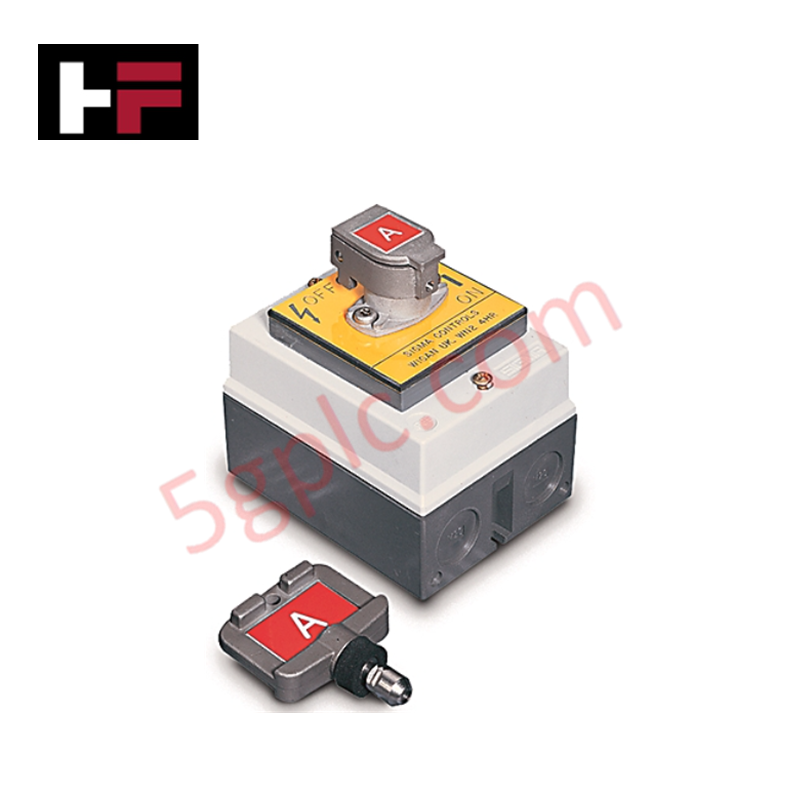
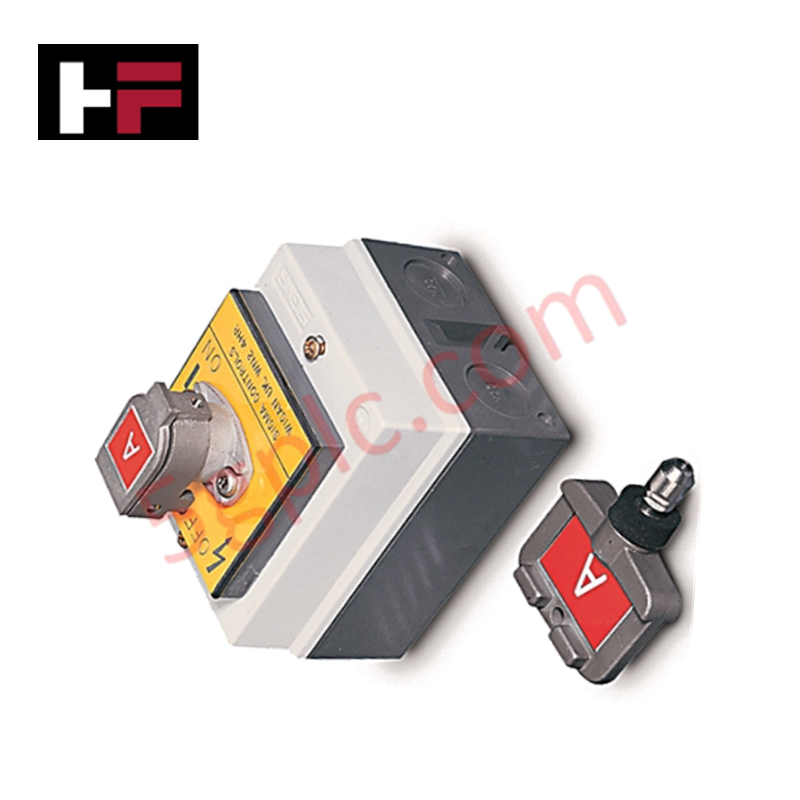
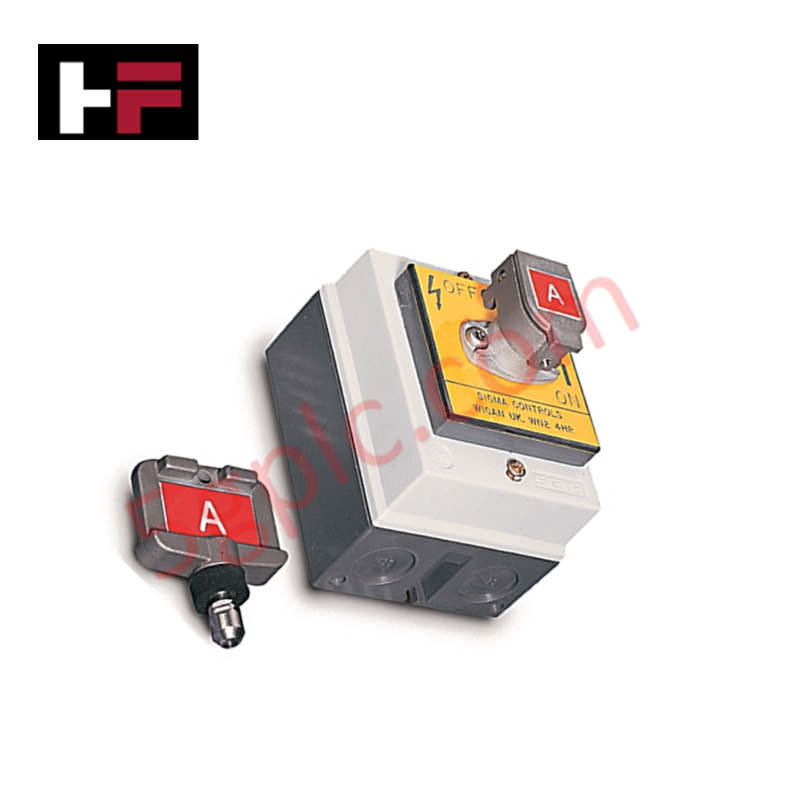
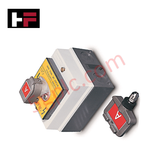
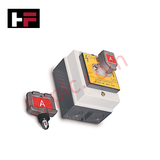
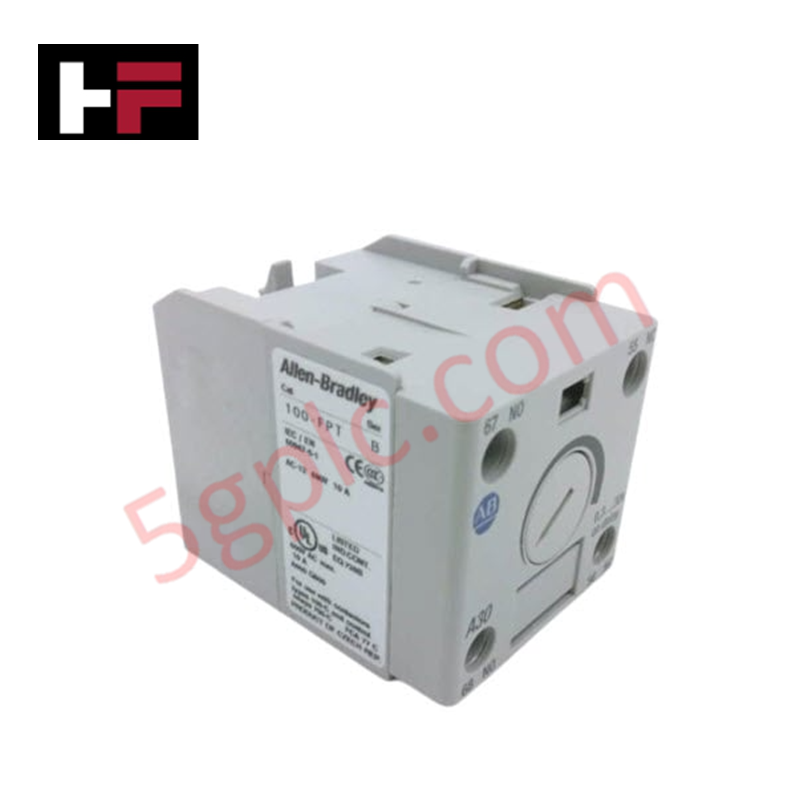
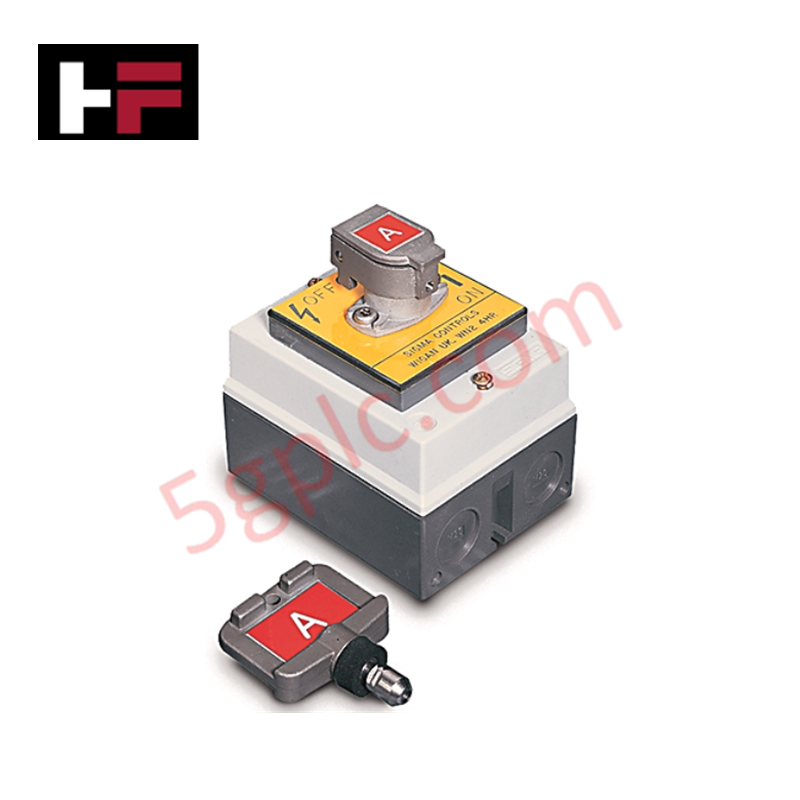
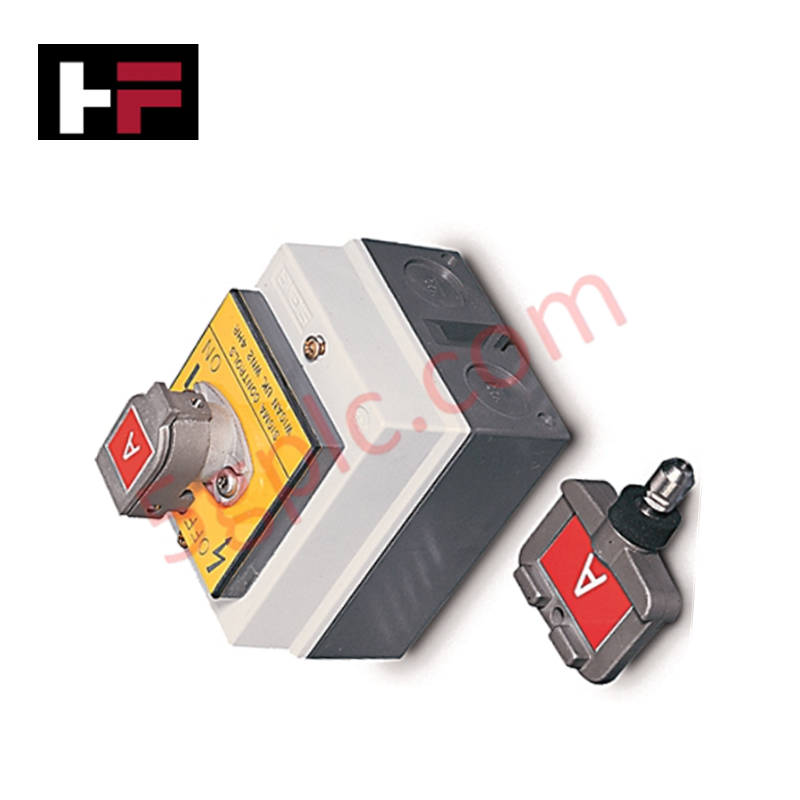
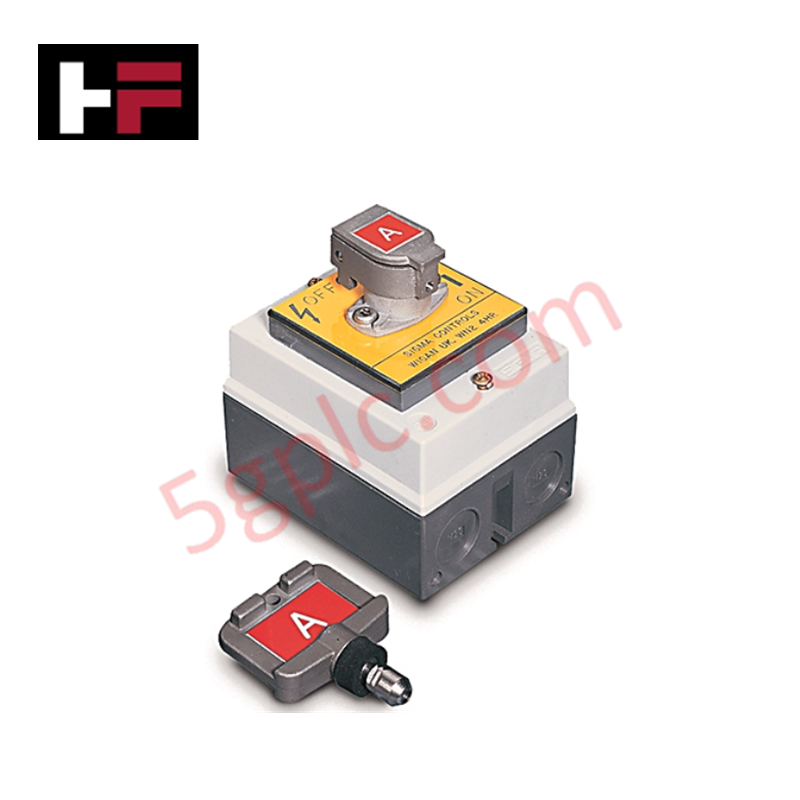
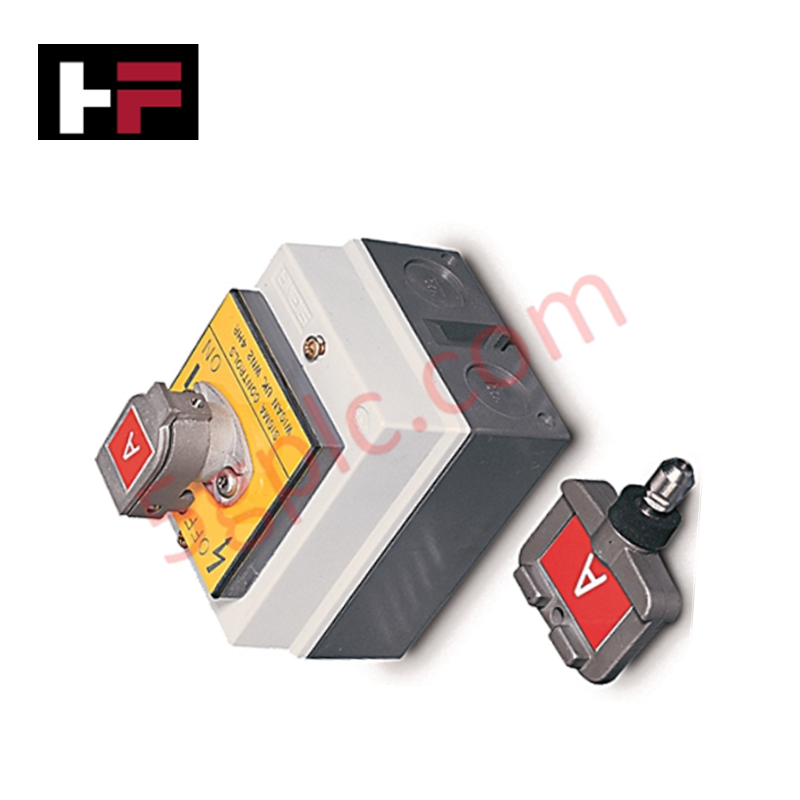
Configured for mechanical interlocking and machine safety access control in industrial networks, the Allen Bradley 440T-MRKSE11AC (440T-MRKSE11AC Trapped Key Interlock) provides direct physical execution of personnel access isolation via a rotary switch mechanism.
Hardware Specifications
| Parameter | Specification |
|---|---|
| Model | 440T-MRKSE11AC |
| Brand | Allen Bradley |
| Origin | Subject to factory shipping documents |
| Weight | 0.8 kg (estimated) |
| Dimensions | 80 mm x 80 mm x 120 mm (standard enclosure mount) |
| Operating Temp | -10 deg C to 60 deg C |
| Power Consumption | Passive mechanical device |
| Contact Configuration | 2 N.O. and 2 N.C. |
| Current Rating | 20 A |
| Mounting Type | Enclosure mounted |
Profinet / EtherNet/IP Deterministic Networks
The integration of mechanical interlocking components requires careful consideration of the upstream control system architecture. When utilizing the 440T series in automated environments, ensure that the mechanical state changes are monitored through safety-rated I/O modules compatible with Profinet or EtherNet/IP deterministic networks. The contact closure sequence is critical for verifying the safety state before allowing machine power-up or process resumption. System logic must account for mechanical actuation latencies when interpreting the contact status across the fieldbus interface.
Frequently Asked Questions
Q: Does the 440T-MRKSE11AC support hot-swapping or field adjustment of the key code?
A: No. Trapped key interlocks are factory-keyed to specific codes to prevent unauthorized operation. Field modification of the internal rotor or key barrel compromises the safety integrity and is not permitted.
Q: What are the wiring requirements for the 2 N.O. and 2 N.C. contacts?
A: Wiring must adhere to local electrical codes for safety circuits. Ensure cable entries are sealed to maintain the enclosure integrity rating, and provide strain relief to prevent mechanical stress on the contact block terminals.
Field Installation Guidelines
- Mounting: Secure the device to a rigid, flat surface on the enclosure door using M5 or equivalent industrial-grade fasteners. Ensure the enclosure substrate is capable of supporting the mechanical torque applied during key rotation.
- Alignment: Verify the rotary mechanism operates smoothly without binding. Mechanical misalignment can lead to premature wear of the internal cam assembly.
- Grounding: If the enclosure is metallic, ensure proper bonding to the protective earth (PE) terminal to maintain electromagnetic compatibility and safety compliance.
- Wiring: Connect the N.O./N.C. contacts to the safety controller according to the terminal marking labels. Use appropriate ferrule crimps for stranded conductors to ensure reliable termination under vibration.
- Validation: Perform a dry-run test of the trapped key sequence prior to integrating the module into the live safety loop to confirm positive contact operation in both the key-trapped and key-released positions.
Additional Information
- 100% Genuine Parts: All products are original and authentic, ensuring reliable industrial performance.
- 30-Day Refund Guarantee: Return any in-stock item within 30 days in original, unopened packaging for a full refund (excluding shipping and fees).
- 12-Month Warranty: Covers defects in materials or workmanship; excludes misuse, normal wear, or unauthorized modifications.
- Worldwide Shipping: We ship via USPS, UPS, FedEx, and DHL. Delivery times vary by country and may be subject to customs or import fees.
- Support & Contact: Technical and warranty assistance is available anytime. Contact us here: Contact.
- Purchase Guidance: Check product specifications and compatibility carefully before ordering to ensure proper application.
Tech & Buying Guide

Top 5 Operational Advantages of HMIs in Modern Factory Automation

Importance of Safety Barriers in PLC and DCS Control Systems
