










Product Details
Product Overview
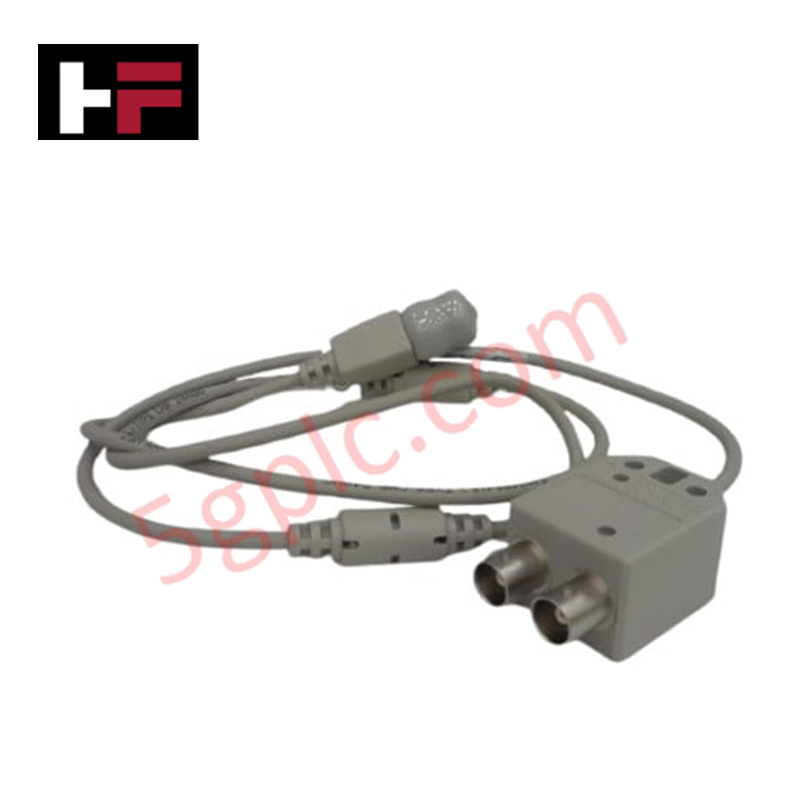
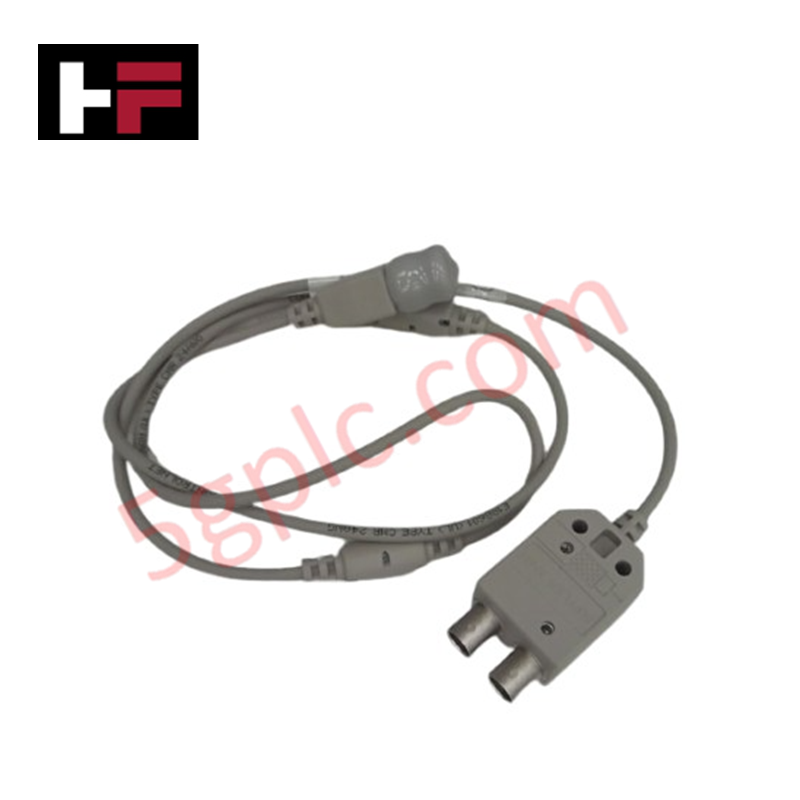
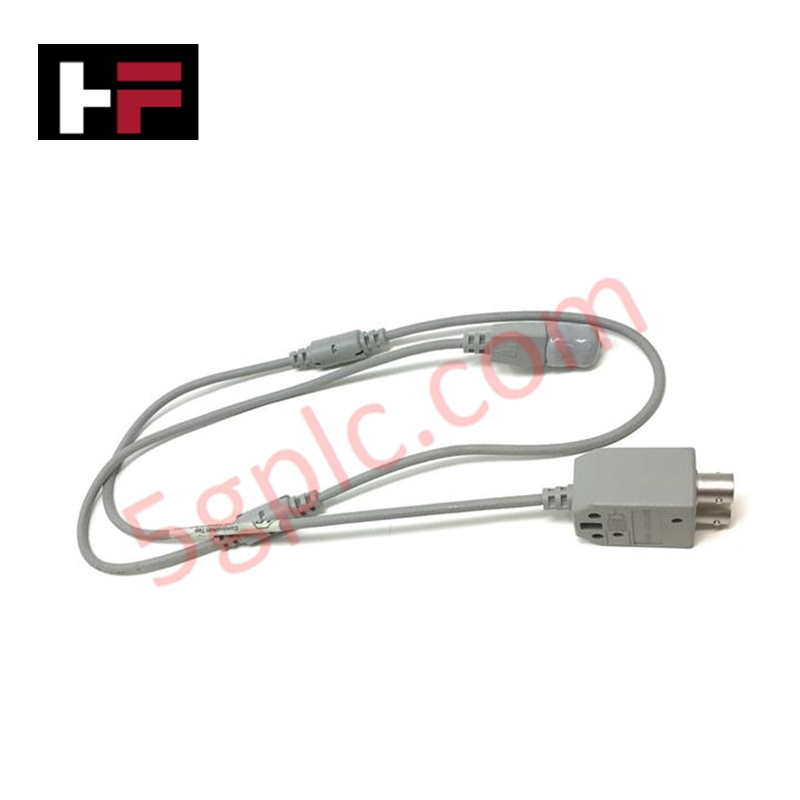
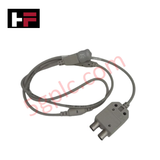
The Allen Bradley 1786-TPYS functions as a critical connection point within a ControlNet coaxial media system. This Y-Tap allows a node—such as a PLC, I/O chassis, or HMI—to connect to the trunk line without interrupting the signal flow to other devices. We offer this unit as 100% Brand New, ensuring factory-spec signal impedance and physical integrity for high-speed deterministic networks.
Technical Specifications
The 1786-TPYS integrates rugged industrial housing with precision-tuned internal circuitry to maintain network balance.
| Feature | Specification |
| Manufacturer | Allen Bradley (Rockwell Automation) |
| Part Number | 1786-TPYS |
| Network Type | ControlNet |
| Tap Style | Y-Tap (Straight) |
| Integrated Cable Length | 1 Meter (3.28 ft) |
| Connector Type | BNC (Coaxial) |
| Category | Machine Control / PLC Communication |
| Weight | 0.45 lbs (0.20 kg) |
| Housing | Industrial-grade polymer |
Engineering Advantages
-
Non-Intrusive Node Integration: The 1786-TPYS allows for the addition or removal of nodes from the ControlNet network without breaking the trunk line continuity. This design prevents system-wide downtime during hardware maintenance or expansion.
-
Optimized Signal Path: The "Straight" configuration and fixed 1-meter drop cable eliminate the guesswork of cable trimming. It provides a pre-measured, low-attenuation path that ensures your device meets the required signal-to-noise ratio for 5 Mbps data rates.
-
Passive Reliability: Because the Y-Tap operates as a passive component, it requires no external power. It maintains network impedance (75 Ω) through high-quality internal coupling, effectively preventing signal reflections that cause packet loss.
-
Rapid Deployment in Cabinets: The compact form factor excels in crowded PLC racks. The 1-meter pigtail provides sufficient reach to connect the trunk line mounted on the enclosure wall to a controller located in the center of the rack.
FAQs
-
What is the difference between a "Straight" Y-Tap and a "Right-Angle" Tap?
The 1786-TPYS features a straight cable exit, which suits deep enclosures where the cable can run directly outward from the tap. Right-angle versions (like the 1786-TPS) assist in shallow cabinets where bend radius constraints require the cable to exit parallel to the mounting surface.
-
Does the 1-meter cable length affect network distance calculations?
Yes. When calculating your total ControlNet segment length, you must include the 1-meter drop cable of each 1786-TPYS. Exceeding the maximum allowed segment length without a repeater can lead to timing errors.
-
Can I shorten the integrated 1-meter BNC cable?
We strongly advise against modifying the integrated drop cable. The factory-sealed BNC connection ensures electromagnetic shielding. Cutting or re-terminating the cable risks introducing impedance mismatches and EMI vulnerabilities.
-
How do I terminate the unused ports on a 1786-TPYS?
If you install a tap but do not yet have a node to connect, you must install a 75 Ω terminator (1786-XT) on the unused BNC port. This prevents signal reflections from crashing the entire network segment.
Additional Information
- 100% Genuine Parts: All products are original and authentic, ensuring reliable industrial performance.
- 30-Day Refund Guarantee: Return any in-stock item within 30 days in original, unopened packaging for a full refund (excluding shipping and fees).
- 12-Month Warranty: Covers defects in materials or workmanship; excludes misuse, normal wear, or unauthorized modifications.
- Worldwide Shipping: We ship via USPS, UPS, FedEx, and DHL. Delivery times vary by country and may be subject to customs or import fees.
- Support & Contact: Technical and warranty assistance is available anytime. Contact us here: Contact.
- Purchase Guidance: Check product specifications and compatibility carefully before ordering to ensure proper application.
Tech & Buying Guide

Understanding Marshalling Cabinets in Industrial Control Systems Architecture
Industrial control system deployments rely on structured signal distribution to bridge field instrumentation with central processing hardware. A marshalling cabinet serves as the vital intermediate connection point between heavy field home-run multi-pair cables and delicate input/output (I/O) modules housed inside Programmable Logic Controller (PLC) or Distributed Control System (DCS) enclosures. By segregating field cable terminations from control hardware, engineers maintain system flexibility, safeguard controller components, and streamline commissioning workflows.

FAT vs SAT in Industrial Control Systems: Key Differences and Execution Guide
Industrial control system deployment relies on strict verification protocols to guarantee operational safety, system stability, and regulatory compliance. Commissioning complex Programmable Logic Controller (PLC) racks, Distributed Control Systems (DCS), and Safety Instrumented Systems (SIS) requires two critical milestones: the Factory Acceptance Test (FAT) and the Site Acceptance Test (SAT). Both procedures validate that system automation meets design specifications, but they occur at different stages of project execution and target distinct operational risks.

Hub vs Switch vs Router in Industrial Automation Architecture
Modern factory automation relies on reliable industrial networking infrastructure to exchange real-time field data across operational technology systems. Engineers often encounter networking hardware like hubs, switches, and routers when integrating Programmable Logic Controllers, Distributed Control Systems, and SCADA monitoring nodes. Although these devices share physical ports, they operate at different layers of the Open Systems Interconnection reference model and deliver distinct traffic management capabilities.