










Product Details
Product Overview
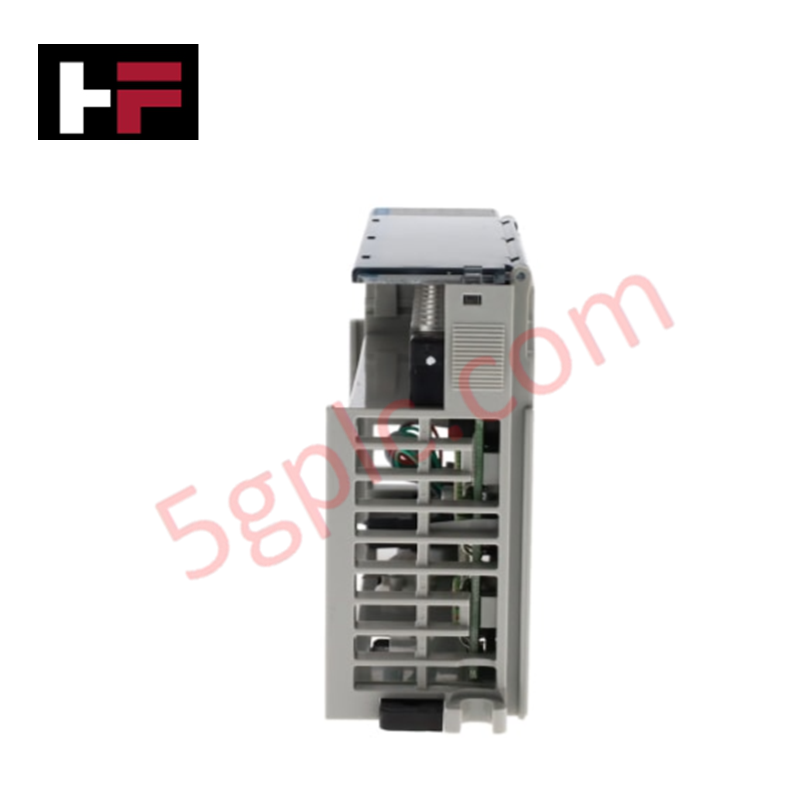
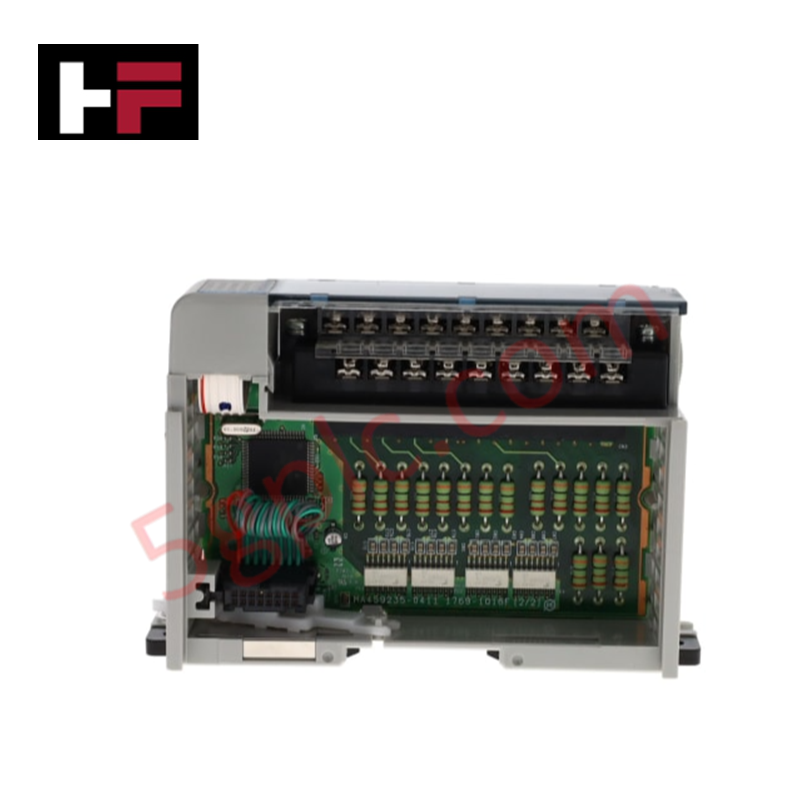
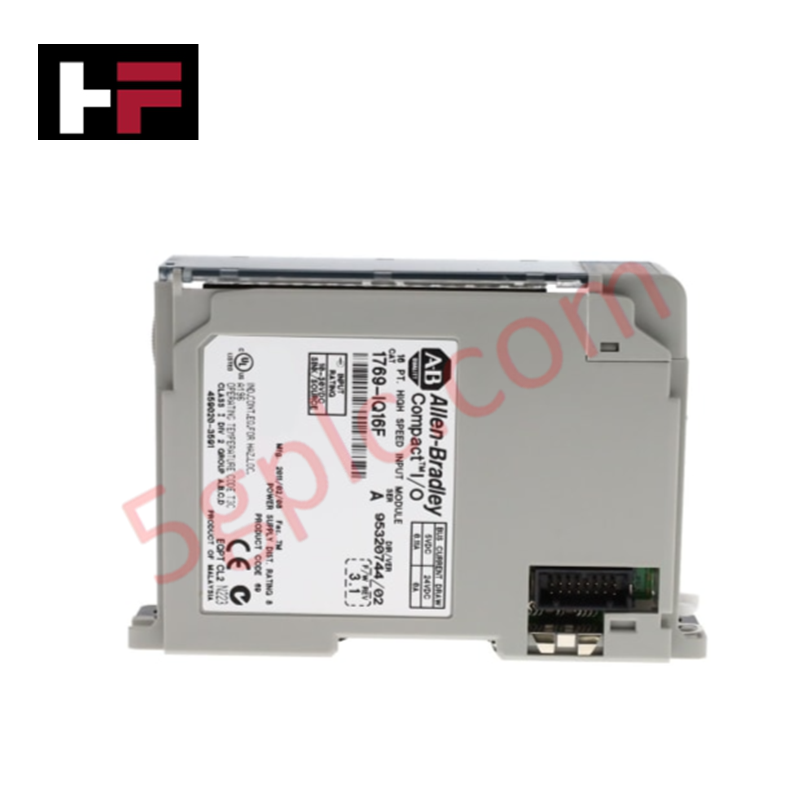
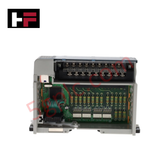
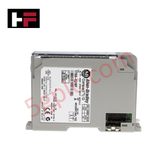
The Allen Bradley 1769-IQ16F functions as a high-speed discrete input interface for the CompactLogix platform. This module captures rapid digital signals from high-frequency sensors, encoders, and switches that standard input modules might miss. We supply this unit as 100% Brand New original stock, ensuring the timing accuracy and logic speeds required for sophisticated motion control and high-speed counting applications.
Technical Specifications
The 1769-IQ16F utilizes advanced filtering and high-speed circuitry to process 16 independent digital points.
| Feature | Specification |
| Manufacturer | Allen Bradley (Rockwell Automation) |
| Module Type | High-Speed Digital DC Input |
| Number of Inputs | 16 Points |
| Voltage Category | 24V DC Sink/Source |
| Operating Voltage Range | 10–30V DC / 0–30V AC |
| Hardware Series | Series A and B |
| Distance Rating | 8 Modules (Max from Power Supply) |
| Wire Type | Copper-90°C (194°F) |
| Wire Size (Solid) | 22–14 AWG |
| Replacement Terminal Block | 1769-RTBN18 |
| Weight | 0.44 lbs (0.20 kg) |
Engineering Advantages
-
High-Frequency Signal Capture: The "F" designation signifies "Fast." This module offers significantly shorter input delay times compared to standard DC modules. This capability allows the CompactLogix controller to respond nearly instantaneously to high-speed trigger events on the factory floor.
-
Flexible Wiring Architecture: The 1769-IQ16F supports both sink and source wiring configurations. This versatility simplifies hardware integration by allowing the module to interface with various sensor types (NPN or PNP) without requiring interposing relays or signal converters.
-
Simplified Maintenance: The 1769-RTBN18 removable terminal block allows technicians to replace the module without disconnecting individual field wires. This feature reduces Mean Time to Repair (MTTR) and prevents wiring errors during hardware swaps.
-
Power Distribution Efficiency: With a distance rating of 8 modules, the 1769-IQ16F offers flexibility in chassis layout. It maintains signal integrity even when positioned furthest from the system power supply, provided the total bus current remains within specified limits.
FAQs
-
What is the primary difference between the 1769-IQ16 and the 1769-IQ16F?
The 1769-IQ16F features specialized high-speed circuitry and significantly lower input filter times. While a standard IQ16 handles general-purpose switches, the IQ16F targets high-speed applications like product sensing on fast-moving conveyors or interface with high-frequency pulse outputs.
-
Which wire gauge should I use for field connections?
The 1769-RTBN18 terminal block accepts solid or stranded copper wire between 22 and 14 AWG. We recommend using 90°C rated copper wire to ensure thermal stability and long-term connection integrity within the control cabinet.
-
Can I use this module with 24V AC signals?
Yes. The technical specifications indicate a working voltage rating up to 30V AC. However, most high-speed applications utilize 24V DC to minimize signal latency and electrical noise.
-
Does the module require a separate power supply?
The module draws its operating power from the CompactLogix backplane. However, you must provide an external 24V DC power source to energize the field-side sensors and the input circuits connected to the 1769-IQ16F.
Additional Information
- 100% Genuine Parts: All products are original and authentic, ensuring reliable industrial performance.
- 30-Day Refund Guarantee: Return any in-stock item within 30 days in original, unopened packaging for a full refund (excluding shipping and fees).
- 12-Month Warranty: Covers defects in materials or workmanship; excludes misuse, normal wear, or unauthorized modifications.
- Worldwide Shipping: We ship via USPS, UPS, FedEx, and DHL. Delivery times vary by country and may be subject to customs or import fees.
- Support & Contact: Technical and warranty assistance is available anytime. Contact us here: Contact.
- Purchase Guidance: Check product specifications and compatibility carefully before ordering to ensure proper application.
Tech & Buying Guide

Understanding Marshalling Cabinets in Industrial Control Systems Architecture
Industrial control system deployments rely on structured signal distribution to bridge field instrumentation with central processing hardware. A marshalling cabinet serves as the vital intermediate connection point between heavy field home-run multi-pair cables and delicate input/output (I/O) modules housed inside Programmable Logic Controller (PLC) or Distributed Control System (DCS) enclosures. By segregating field cable terminations from control hardware, engineers maintain system flexibility, safeguard controller components, and streamline commissioning workflows.

FAT vs SAT in Industrial Control Systems: Key Differences and Execution Guide
Industrial control system deployment relies on strict verification protocols to guarantee operational safety, system stability, and regulatory compliance. Commissioning complex Programmable Logic Controller (PLC) racks, Distributed Control Systems (DCS), and Safety Instrumented Systems (SIS) requires two critical milestones: the Factory Acceptance Test (FAT) and the Site Acceptance Test (SAT). Both procedures validate that system automation meets design specifications, but they occur at different stages of project execution and target distinct operational risks.

Hub vs Switch vs Router in Industrial Automation Architecture
Modern factory automation relies on reliable industrial networking infrastructure to exchange real-time field data across operational technology systems. Engineers often encounter networking hardware like hubs, switches, and routers when integrating Programmable Logic Controllers, Distributed Control Systems, and SCADA monitoring nodes. Although these devices share physical ports, they operate at different layers of the Open Systems Interconnection reference model and deliver distinct traffic management capabilities.