










Product Details
Product Overview
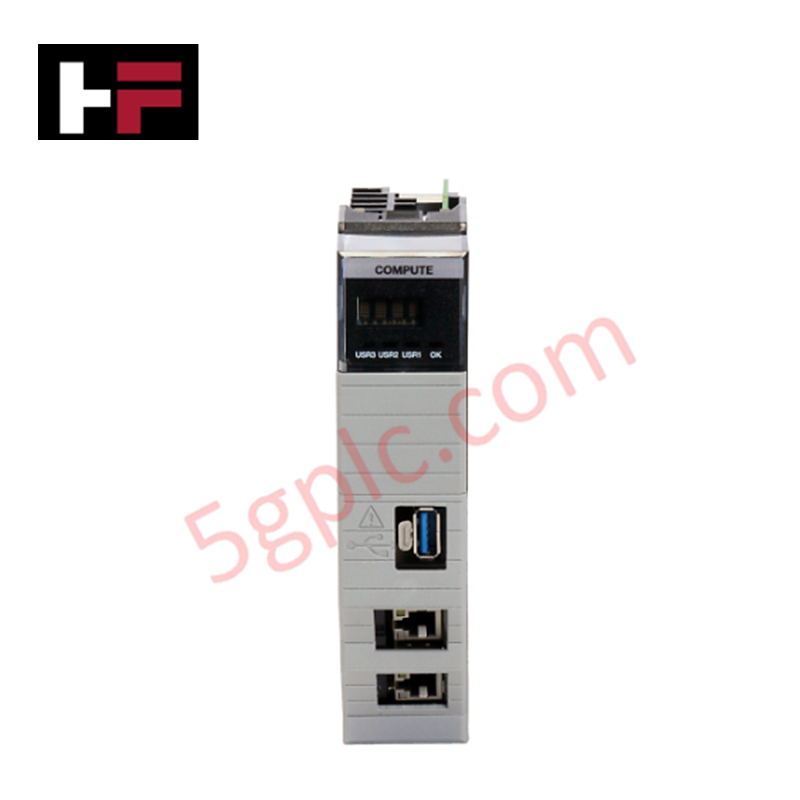
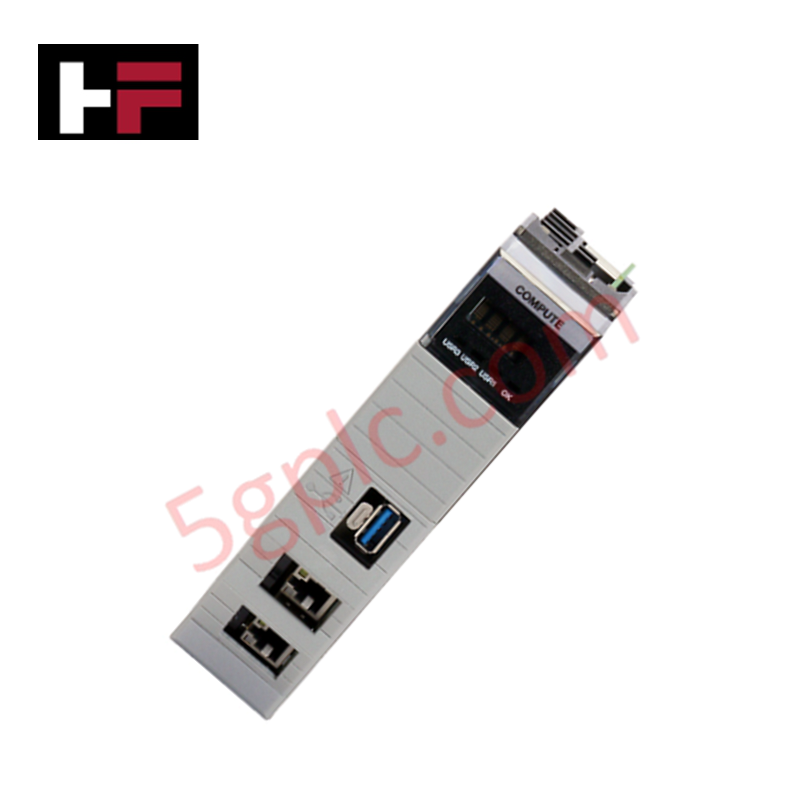
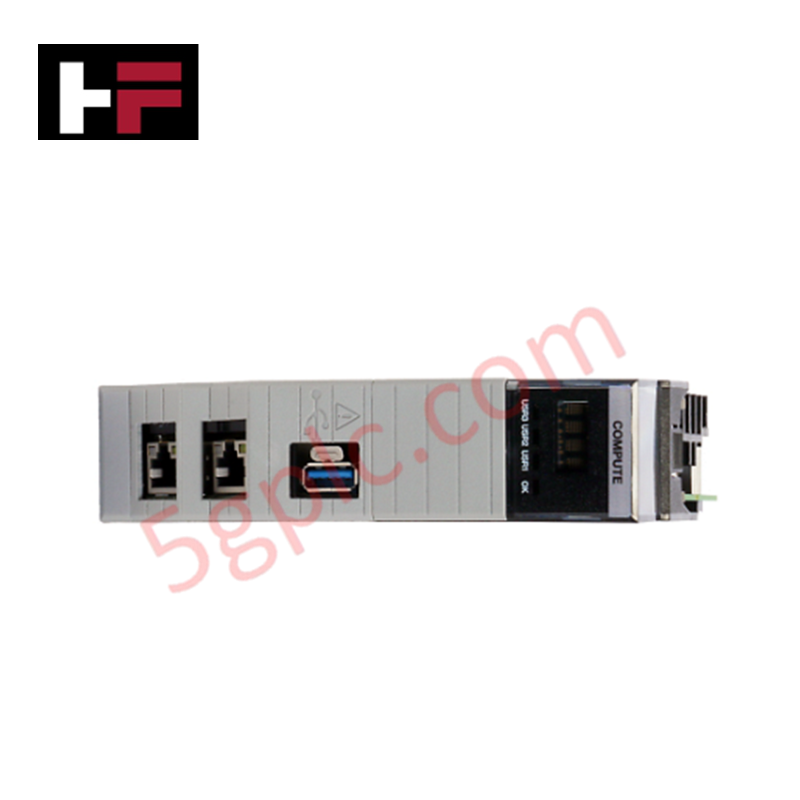
The 1756-CMS1C1 functions as a high-performance, slot-based industrial computer designed for the ControlLogix platform. This module integrates powerful computational capabilities directly into the 1756 chassis, allowing for edge computing, high-speed data analytics, and complex algorithm execution that exceeds the capabilities of standard PLC processors. By hosting a dedicated Linux environment, the module enables seamless integration between the factory floor and enterprise-level applications. We supply this unit as 100% Brand New and original, ensuring maximum processing stability for your critical infrastructure.
Technical Specifications
The 1756-CMS1C1 utilizes high-efficiency embedded architecture to deliver consistent performance in demanding environments.
| Feature | Specification |
| Processor | Intel Atom Dual Core CPU |
| Storage | 32 GB Solid State Drive (SSD) |
| Operating System | Linux 32-bit (Pre-installed) |
| Video Output | DisplayPort High-Definition Interface |
| USB Connectivity | High-speed USB 3.0 Ports |
| Form Factor | ControlLogix Slot-based (Occupies 1 slot) |
| Data Link | High-Speed Backplane Controller Interface |
| Weight | 5.00 lbs (2.27 kg) |
Engineering Advantages
-
Edge-to-Enterprise Integration: The 1756-CMS1C1 executes Linux-based custom code directly on the ControlLogix backplane. This proximity reduces latency when processing high-velocity data streams from I/O modules, enabling real-time decision-making without overloading the main PLC CPU.
-
Solid State Durability: The 32GB onboard SSD contains no moving parts. This design choice eliminates the mechanical failure risks associated with traditional hard drives, ensuring the system survives high-vibration industrial settings.
-
Direct Visualization: The DisplayPort connectivity allows engineers to plug a high-definition monitor directly into the chassis. This feature simplifies local diagnostics and HMI rendering without requiring a separate industrial PC workstation.
-
Efficient Thermal Footprint: The Atom Dual Core architecture balances processing power with low thermal dissipation. The module maintains peak performance within the 1756 rack environment without needing specialized external cooling solutions.
FAQs
-
Does the 1756-CMS1C1 require a separate power supply?
No. The module draws all required operating power directly from the 1756 ControlLogix backplane. Simply insert the module into any available slot in the chassis.
-
Can I run Windows applications on this module?
This specific model comes with a 32-bit Linux OS environment optimized for industrial stability. Running Windows applications would require a different hardware configuration or virtualization, which is not natively supported on the CMS1C1 factory image.
-
How does the module communicate with the PLC processor?
The module communicates across the ControlLogix backplane using high-speed data paths. It can act as a bridge, pulling data from the controller, processing it via the Linux environment, and pushing results back for logic execution.
-
Is this unit compatible with any ControlLogix chassis?
Yes, the 1756-CMS1C1 fits into standard 1756-A4, A7, A10, A13, and A17 chassis. Ensure your power supply has sufficient current headroom for the Atom processor's draw.
Additional Information
- 100% Genuine Parts: All products are original and authentic, ensuring reliable industrial performance.
- 30-Day Refund Guarantee: Return any in-stock item within 30 days in original, unopened packaging for a full refund (excluding shipping and fees).
- 12-Month Warranty: Covers defects in materials or workmanship; excludes misuse, normal wear, or unauthorized modifications.
- Worldwide Shipping: We ship via USPS, UPS, FedEx, and DHL. Delivery times vary by country and may be subject to customs or import fees.
- Support & Contact: Technical and warranty assistance is available anytime. Contact us here: Contact.
- Purchase Guidance: Check product specifications and compatibility carefully before ordering to ensure proper application.
Tech & Buying Guide

Understanding Marshalling Cabinets in Industrial Control Systems Architecture
Industrial control system deployments rely on structured signal distribution to bridge field instrumentation with central processing hardware. A marshalling cabinet serves as the vital intermediate connection point between heavy field home-run multi-pair cables and delicate input/output (I/O) modules housed inside Programmable Logic Controller (PLC) or Distributed Control System (DCS) enclosures. By segregating field cable terminations from control hardware, engineers maintain system flexibility, safeguard controller components, and streamline commissioning workflows.

FAT vs SAT in Industrial Control Systems: Key Differences and Execution Guide
Industrial control system deployment relies on strict verification protocols to guarantee operational safety, system stability, and regulatory compliance. Commissioning complex Programmable Logic Controller (PLC) racks, Distributed Control Systems (DCS), and Safety Instrumented Systems (SIS) requires two critical milestones: the Factory Acceptance Test (FAT) and the Site Acceptance Test (SAT). Both procedures validate that system automation meets design specifications, but they occur at different stages of project execution and target distinct operational risks.

Hub vs Switch vs Router in Industrial Automation Architecture
Modern factory automation relies on reliable industrial networking infrastructure to exchange real-time field data across operational technology systems. Engineers often encounter networking hardware like hubs, switches, and routers when integrating Programmable Logic Controllers, Distributed Control Systems, and SCADA monitoring nodes. Although these devices share physical ports, they operate at different layers of the Open Systems Interconnection reference model and deliver distinct traffic management capabilities.