










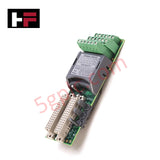
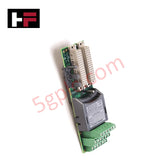
Product Details
Module Overview
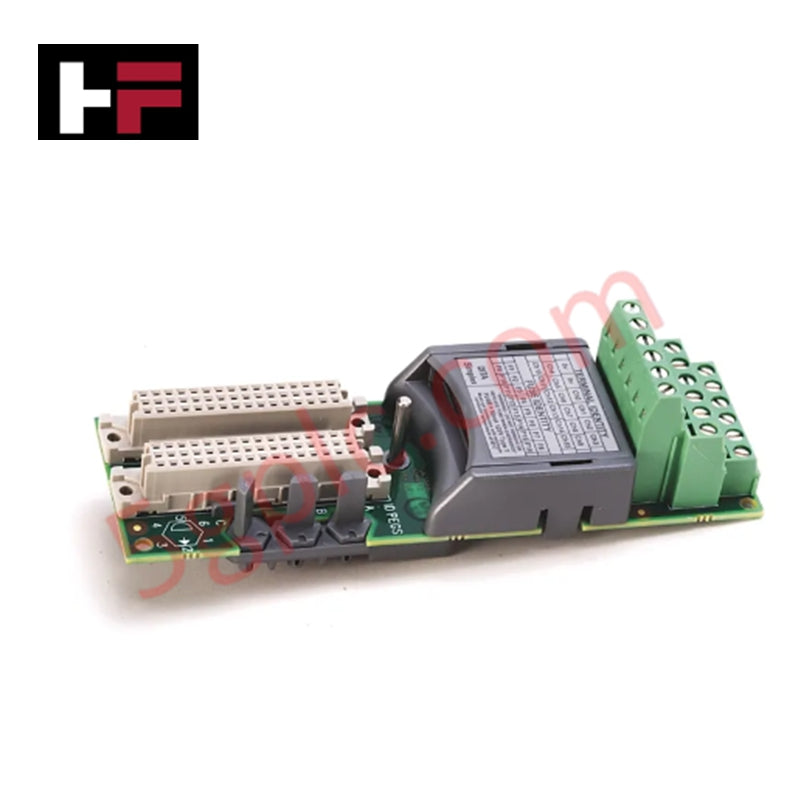
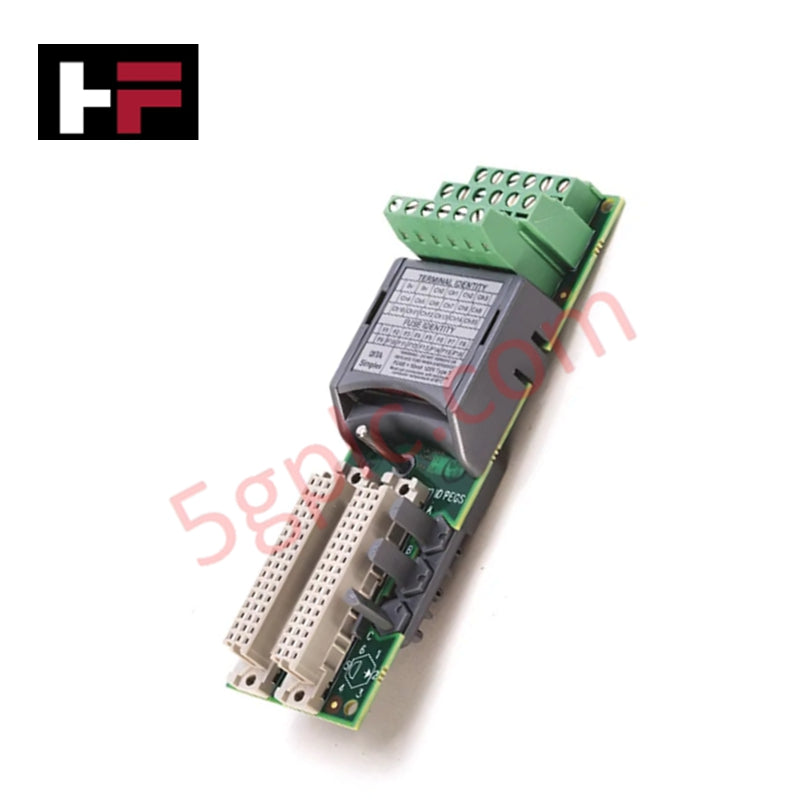
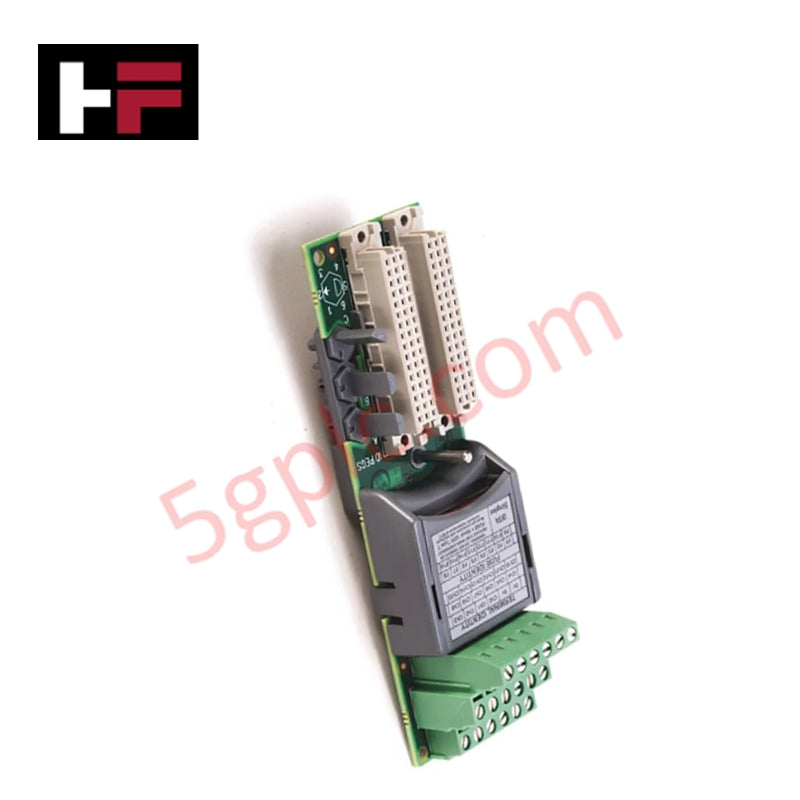
The 1715-TASIF16 is a high-reliability termination assembly (TA) designed for the Allen-Bradley 1715 Redundant I/O system. This assembly provides the physical connection interface for up to 16 simplex analog input signals, allowing them to communicate with 1715-IF16 analog input modules. Engineered for "Mission Critical" applications such as oil and gas processing, power generation, and chemical manufacturing, the 1715-TASIF16 facilitates a fault-tolerant architecture. While the assembly itself is "Simplex" (meaning it supports a single set of field wiring), it is designed to seat within a redundant I/O baseplate, ensuring that signal integrity is maintained even during module maintenance or partial system failures.
Detailed Engineering Specifications
The 1715-TASIF16 serves as the ruggedized bridge between field instrumentation and the high-speed redundant backplane.
-
Module Type: Analog Input Termination Assembly (TA)
-
Configuration: Simplex (Single field wiring path)
-
Number of Channels: 16 Channels
-
Signal Type: Analog Input (typically 4–20 mA or 0–10V DC)
-
Connectivity: Dual-port interface for module redundancy
-
System Compatibility: 1715 Redundant I/O System / 1715-IF16 Modules
-
Mounting: Plugs directly into the 1715-A3IO or 1715-A6IO baseplate
-
Field Termination: Screw-terminal or spring-clamp (depending on the RTB used)
-
Isolation: Galvanic isolation between field signals and the system backplane
-
Operating Temperature: -25°C to 70°C (-13°F to 158°F)
-
Storage Temperature: -40°C to 85°C (-40°F to 185°F)
-
Physical Weight: 0.45 lbs (0.20 kg)
Fault-Tolerant Architecture
A key design feature of the 1715-TASIF16 is its "Dual Port" capability. In a redundant configuration, two 1715-IF16 modules are plugged into the baseplate side-by-side. The termination assembly maps the 16 field signals to both modules simultaneously. If one module fails or is removed for calibration, the second module continues to process the analog data without interruption. This "Hot-Swap" capability ensures that the control loop remains closed and the process stays online, significantly reducing the risk of unplanned downtime.
Installation and Field Wiring
The 1715-TASIF16 is a passive component that contains no active electronics, which contributes to its high MTBF (Mean Time Between Failures). It is installed onto the 1715 baseplate by aligning the heavy-duty connectors and securing it with the integrated mounting screws. Field wiring for the 16 analog channels is then landed on the associated terminal block. To ensure the highest level of noise immunity, shielded twisted-pair cabling is recommended, with the shields properly landed on the assembly’s grounding bar.
Technical FAQ
What is the difference between a Simplex and a Duplex termination assembly?
The 1715-TASIF16 (Simplex) provides one set of terminals for 16 field devices. A Duplex TA would provide redundant terminal paths for each field device, typically used in SIL-3 safety applications where even a loose wire on a terminal block must be mitigated.
Does this assembly support HART communication?
Yes. When used with the 1715-IF16 module, the 1715-TASIF16 supports the pass-through of HART digital signals, allowing for remote asset management and device diagnostics via the EtherNet/IP network.
Is an external power supply required for the assembly?
The assembly itself is passive. However, the analog loops connected to it (such as 2-wire transmitters) will require a 24V DC loop power source, which can often be distributed through the 1715 system's power architecture.
Additional Information
- 100% Genuine Parts: All products are original and authentic, ensuring reliable industrial performance.
- 30-Day Refund Guarantee: Return any in-stock item within 30 days in original, unopened packaging for a full refund (excluding shipping and fees).
- 12-Month Warranty: Covers defects in materials or workmanship; excludes misuse, normal wear, or unauthorized modifications.
- Worldwide Shipping: We ship via USPS, UPS, FedEx, and DHL. Delivery times vary by country and may be subject to customs or import fees.
- Support & Contact: Technical and warranty assistance is available anytime. Contact us here: Contact.
- Purchase Guidance: Check product specifications and compatibility carefully before ordering to ensure proper application.
Tech & Buying Guide
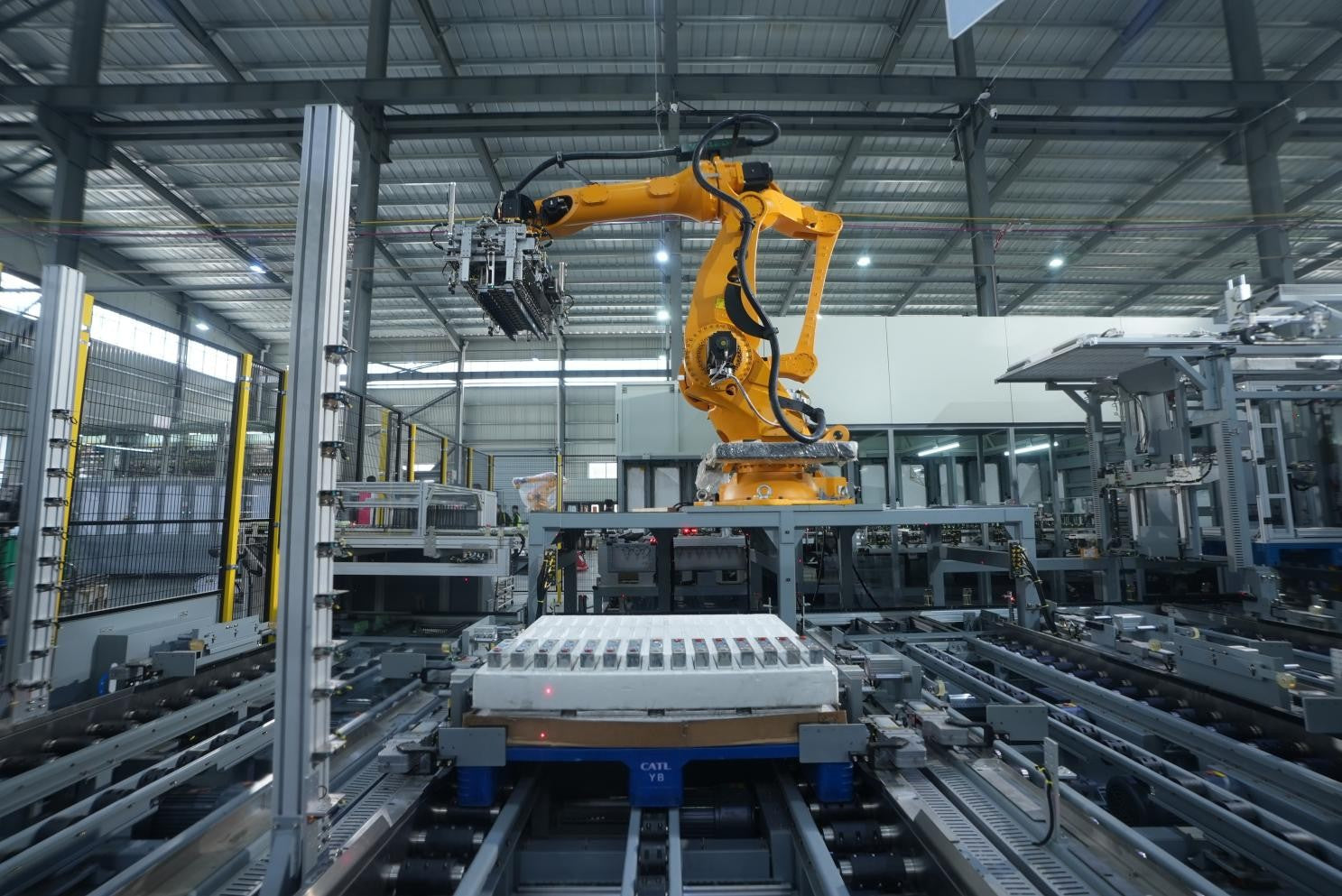
Strategic Selection: Choosing the Right SCADA Software for Your PLC Project
In industrial automation, the SCADA (Supervisory Control and Data Acquisition) system acts as the bridge between raw machine data and actionable human intelligence. Selecting the incorrect software platform can lead to integration bottlenecks, scalability issues, and excessive long-term maintenance costs. As an automation consultant with 15 years of experience, I have guided many projects through the selection process. Below are the essential criteria for choosing a platform that ensures both performance and longevity.

Ensuring Operational Continuity: The Strategic Value of Redundant Automation Systems
In modern industrial landscapes, unplanned downtime is the ultimate adversary. For sectors relying on complex PLC and DCS architectures, a single hardware failure can trigger catastrophic production losses. Therefore, implementing redundant automation systems is no longer a luxury; it is a fundamental requirement for mission-critical operations. In this article, I analyze why redundancy remains the backbone of reliable industrial infrastructure.
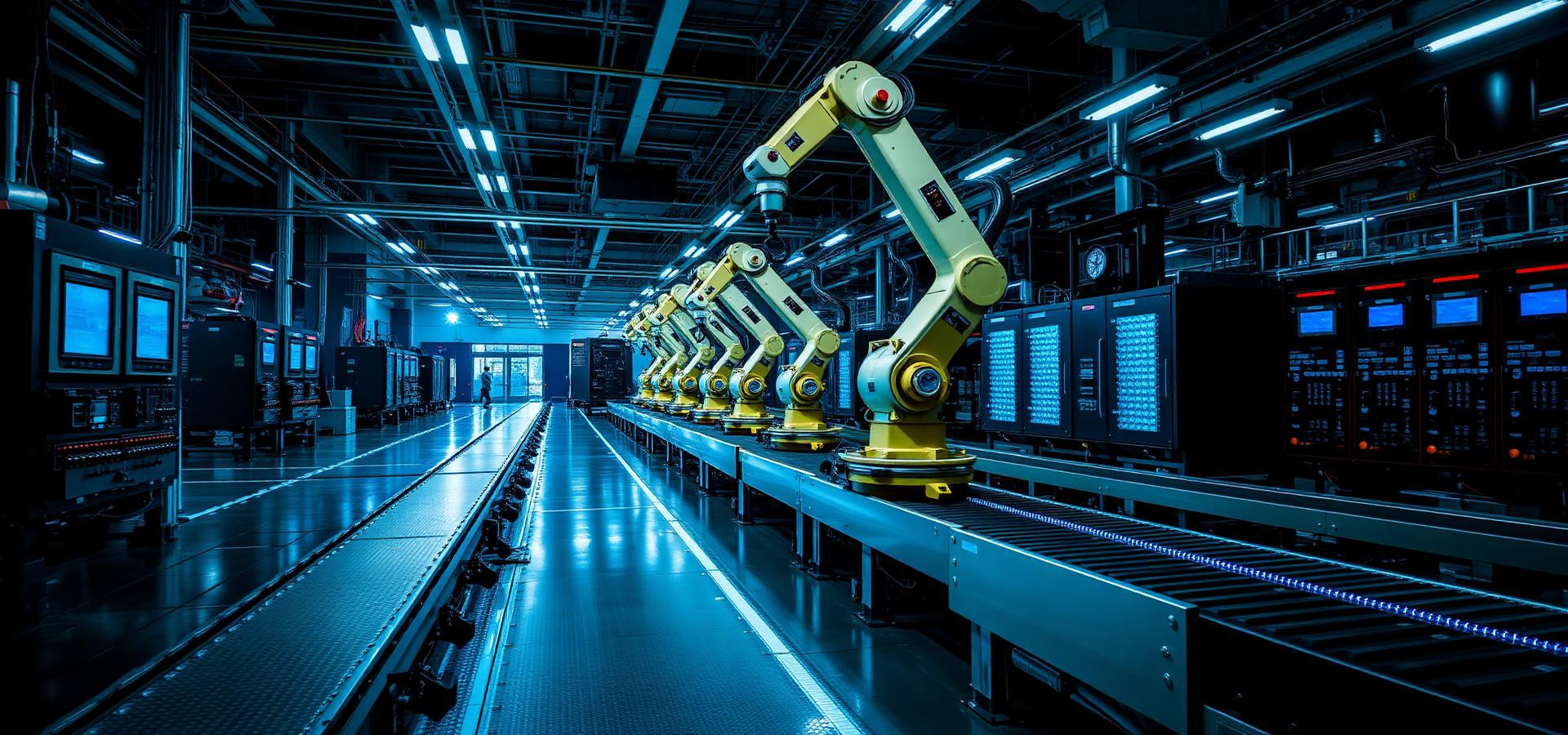
Selecting the Right Cables for Industrial Automation: A Comprehensive Guide
Selecting the appropriate cabling infrastructure is critical for the success of any industrial automation project. Improper cable selection often leads to signal degradation, system instability, and costly downtime. As an automation engineer, I frequently see projects compromised by poor cabling choices in harsh industrial environments. This guide simplifies the complex landscape of cabling to help you make informed decisions for your PLC, DCS, and control systems.