










Product Details
Product Overview
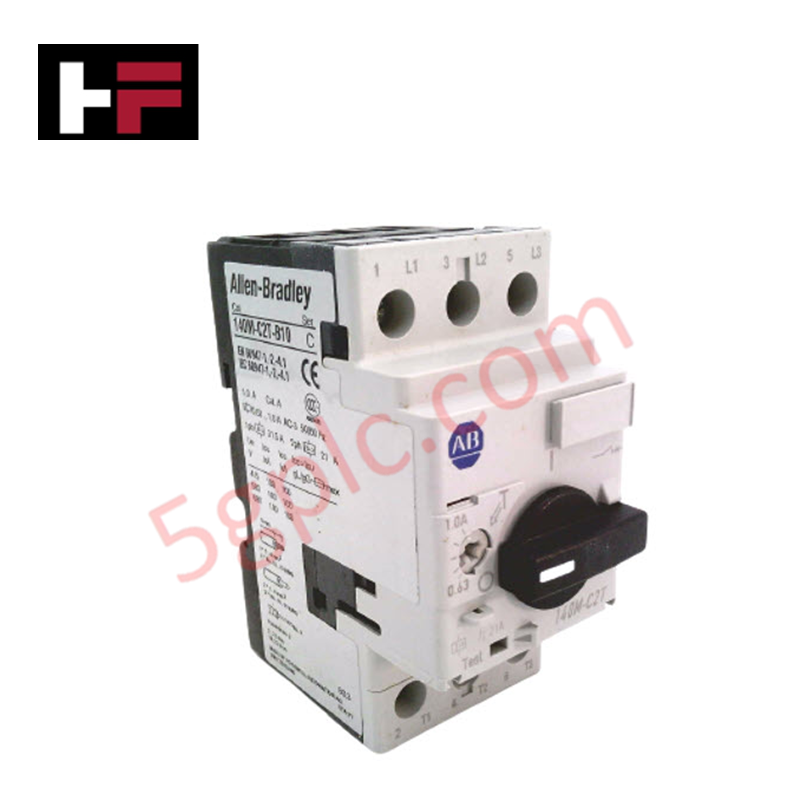
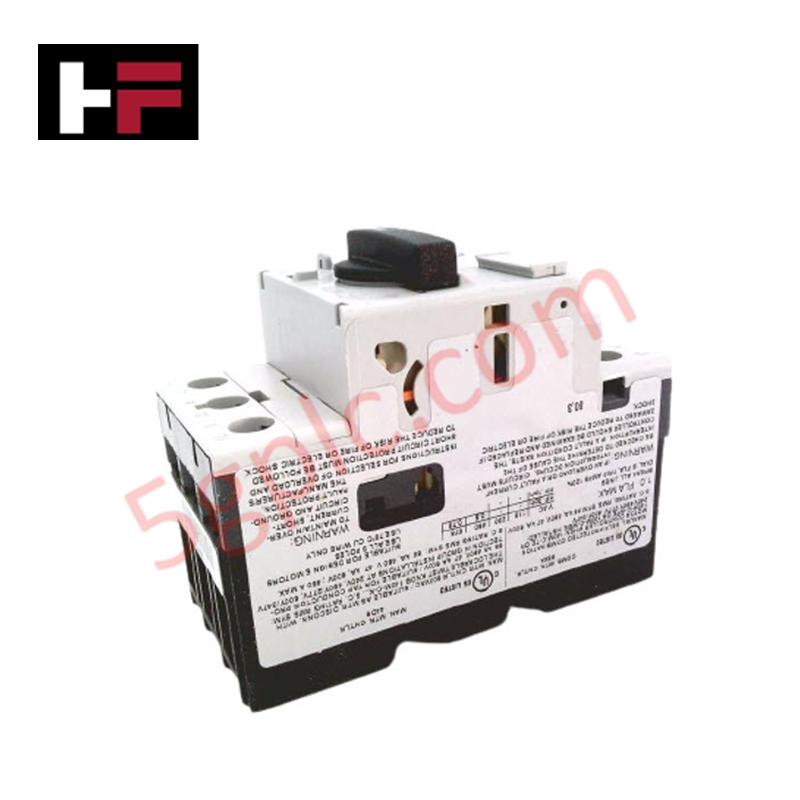
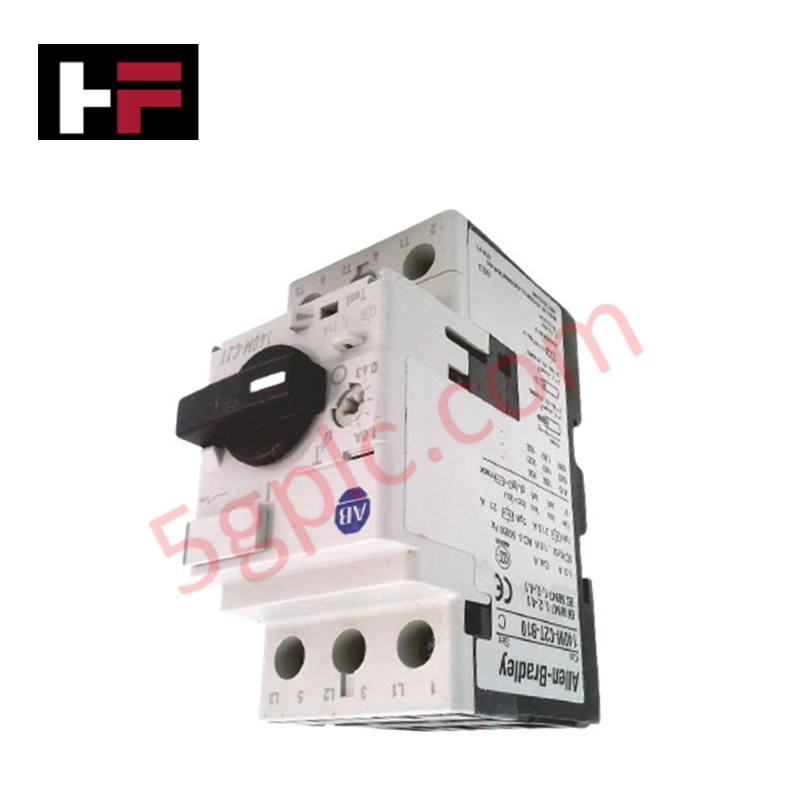
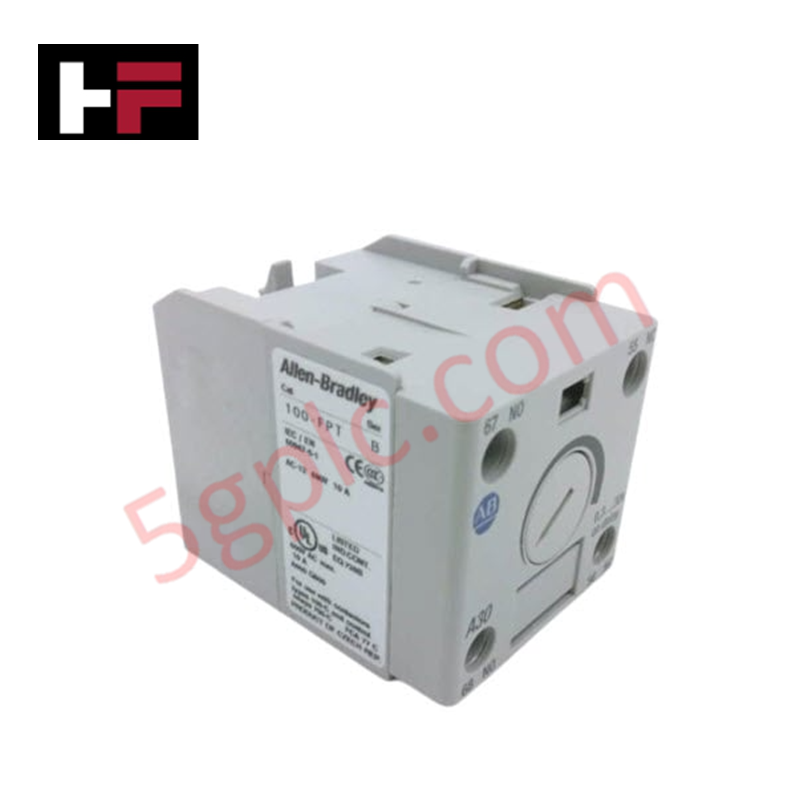
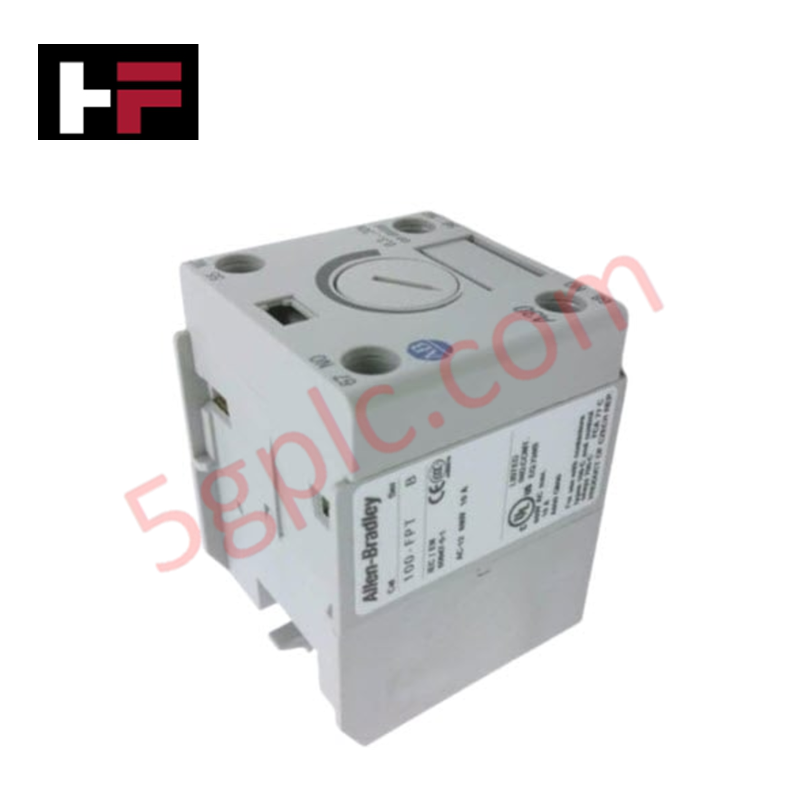
The Allen-Bradley 140M-C2T-B10 serves as a high-precision, Frame C Motor Protection Circuit Breaker (MPCB) within the industry-standard Bulletin 140M family. This molded case control component provides isolated, standalone defense for fractional-horsepower industrial motors against thermal overloads and instantaneous short circuits.
We supply this component strictly as a 100% brand new, original factory-sealed unit to ensure uncompromised factory calibration, clean internal switching mechanism linkages, and pristine contact surfaces for safety-critical branch circuit deployments.
Technical Specifications
The table below logs the precise structural design parameters, electrical frame capacities, and trip envelopes of the device:
| Parameter | Performance & Structural Specifications |
| Manufacturer | Allen-Bradley / Rockwell Automation |
| Part Number | 140M-C2T-B10 |
| Product Line / Series | Bulletin 140M Motor Protectors |
| Product Type | Molded Case Motor Protection Circuit Breaker |
| Frame Dimensions Class | Frame C Size |
| Maximum Frame Current Rating | 32 Amperes |
| Thermal Protection Setting Range | 0.63 to 1.0 Ampere |
| Trip Unit Technology | Adjustable Thermal / Fixed Magnetic |
| Interrupt Capacity Rating Profile | Normal Break |
| Net Weight | 0.75 lbs (0.34 kg) |
Engineering Advantages
-
Safeguards Sensitive Low-Current Windings: The highly specialized 0.63A to 1.0A thermal adjustment envelope protects fractional motors that typically suffer rapid burnout during minor overload conditions. The responsive bi-metal design senses minute current elevations, separating the contacts before the thermal energy warps the motor's internal winding insulation.
-
Consolidates Control Panel Footprint: This single Frame C unit combines the functional roles of a discrete disconnect switch, a short-circuit magnetic limiter, and an overload relay into one micro-enclosure. This integration reduces vertical DIN rail utilization, allowing panel builders to deploy dense rows of motor starters inside shallow, space-constrained terminal boxes.
-
Suppresses Vibration-Induced Nuisance Tripping: High-retention internal latching mechanics hold the internal spring assemblies rigidly in place. This heavy-duty frame design isolates the internal trip elements from the continuous shocks and structural micro-vibrations generated by adjacent high-power contactors and heavy machinery frames.
FAQs
-
How do technicians properly calibrate the adjustable thermal range dial on the front of the breaker?
Technicians must align the front-facing adjustment screw to match the exact Full Load Amps (FLA) rating stamped on the target motor's factory nameplate. Do not set the dial higher than the motor's nameplate FLA to eliminate nuisance trips, as this practice bypasses the tight thermal boundaries required to prevent stator core damage.
-
What are the specific installation requirements for integrating this Frame C breaker onto a standard DIN rail?
The breaker snaps directly onto standard 35mm top-hat DIN rails without requiring auxiliary tools. To ensure optimal natural convection cooling through the top and bottom ventilation slots, engineers must maintain a minimum vertical clearance of 50mm above and below the breaker body inside the enclosure.
-
Does this breaker handle single-phase fractional motor loops as well as three-phase loads?
Yes. While engineered primarily for three-phase circuits, this MPCB protects single-phase loads perfectly. However, to prevent the differential phase-loss logic from causing a premature trip, technicians must wire the single-phase circuit in series through all three pole paths of the breaker.
Additional Information
- 100% Genuine Parts: All products are original and authentic, ensuring reliable industrial performance.
- 30-Day Refund Guarantee: Return any in-stock item within 30 days in original, unopened packaging for a full refund (excluding shipping and fees).
- 12-Month Warranty: Covers defects in materials or workmanship; excludes misuse, normal wear, or unauthorized modifications.
- Worldwide Shipping: We ship via USPS, UPS, FedEx, and DHL. Delivery times vary by country and may be subject to customs or import fees.
- Support & Contact: Technical and warranty assistance is available anytime. Contact us here: Contact.
- Purchase Guidance: Check product specifications and compatibility carefully before ordering to ensure proper application.
Tech & Buying Guide

Understanding Marshalling Cabinets in Industrial Control Systems Architecture
Industrial control system deployments rely on structured signal distribution to bridge field instrumentation with central processing hardware. A marshalling cabinet serves as the vital intermediate connection point between heavy field home-run multi-pair cables and delicate input/output (I/O) modules housed inside Programmable Logic Controller (PLC) or Distributed Control System (DCS) enclosures. By segregating field cable terminations from control hardware, engineers maintain system flexibility, safeguard controller components, and streamline commissioning workflows.

FAT vs SAT in Industrial Control Systems: Key Differences and Execution Guide
Industrial control system deployment relies on strict verification protocols to guarantee operational safety, system stability, and regulatory compliance. Commissioning complex Programmable Logic Controller (PLC) racks, Distributed Control Systems (DCS), and Safety Instrumented Systems (SIS) requires two critical milestones: the Factory Acceptance Test (FAT) and the Site Acceptance Test (SAT). Both procedures validate that system automation meets design specifications, but they occur at different stages of project execution and target distinct operational risks.

Hub vs Switch vs Router in Industrial Automation Architecture
Modern factory automation relies on reliable industrial networking infrastructure to exchange real-time field data across operational technology systems. Engineers often encounter networking hardware like hubs, switches, and routers when integrating Programmable Logic Controllers, Distributed Control Systems, and SCADA monitoring nodes. Although these devices share physical ports, they operate at different layers of the Open Systems Interconnection reference model and deliver distinct traffic management capabilities.