











Product Details
Product Overview
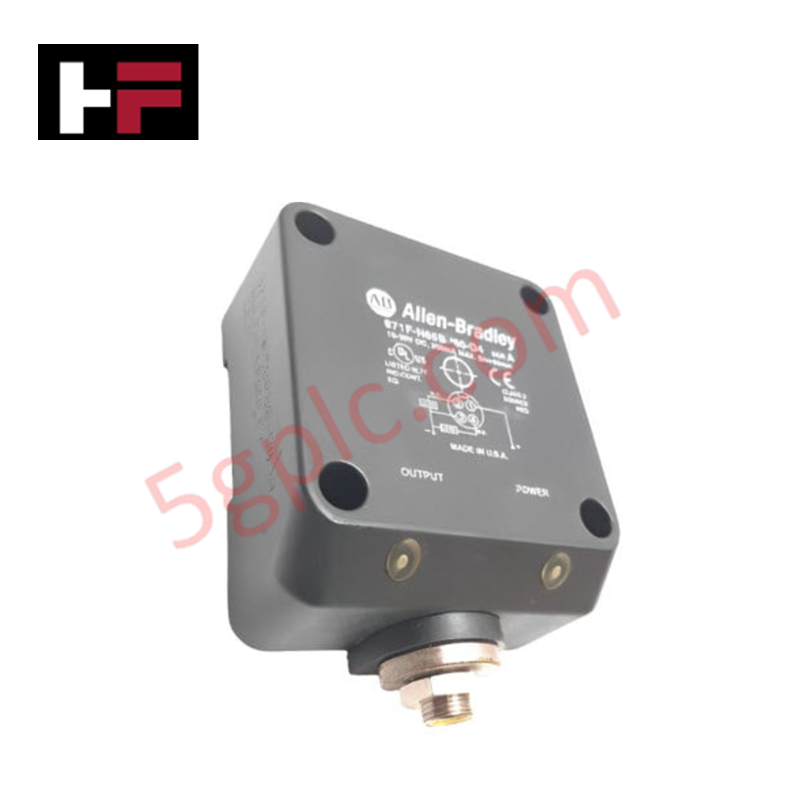
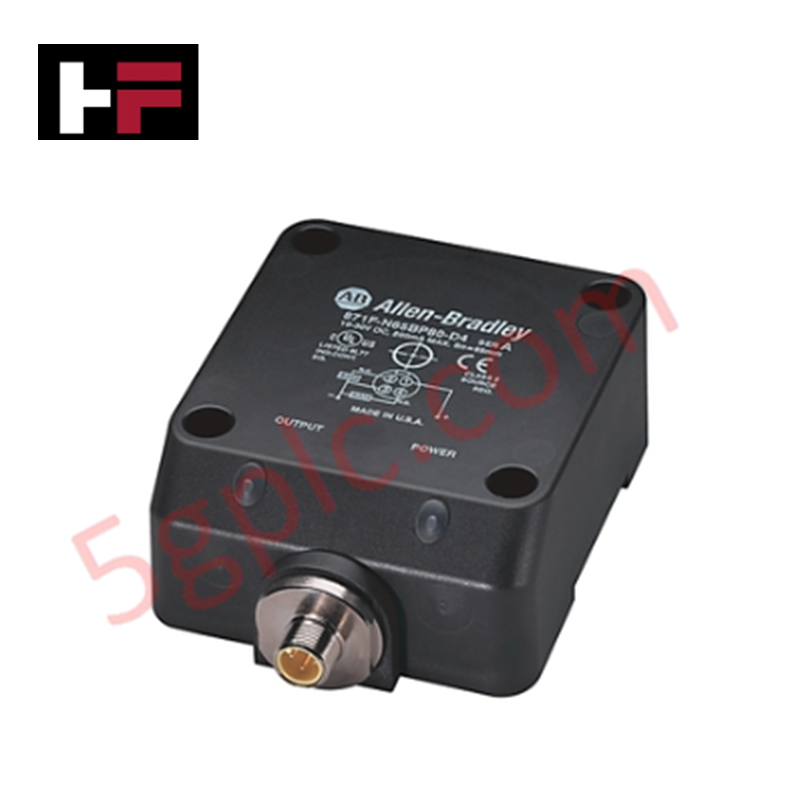
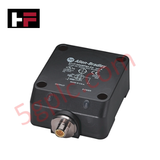
The Allen-Bradley 871F-N65BP80-D4 delivers exceptional long-range metal detection for demanding industrial automation applications. This 4-wire DC extended range inductive proximity sensor features a nominal sensing distance of 65mm, allowing it to detect targets from a safe distance. It provides complementary PNP outputs (both Normally Open and Normally Closed) and operates on a standard 10-30 V DC power supply. We supply this item as a 100% Brand New, factory-sealed unit.
Technical Specifications
| Parameter | Specification |
|---|---|
| Manufacturer | Allen-Bradley (Rockwell Automation) |
| Product Type | Inductive Proximity Sensor |
| Sensor Category | 4-Wire DC Extended Range |
| Nominal Sensing Distance | 65mm |
| Head Size | 83mm |
| Output Configuration | N.O. and N.C., Source (PNP) |
| Voltage Rating | 10 - 30 V DC |
| Connection Type | Micro Quick-Disconnect (DC) |
Engineering Advantages
Extended Range Detection Capability
With an impressive 65mm nominal sensing distance, the 871F-N65BP80-D4 allows engineers to mount the sensor safely away from moving machinery, high temperatures, or hazardous zones. This extended reach eliminates the need for complex mechanical levers or linkages, simplifying machine design and reducing maintenance requirements in heavy-duty manufacturing environments.
Flexible Dual-Output Logic
The sensor features a 4-wire complementary output configuration, providing both Normally Open (N.O.) and Normally Closed (N.C.) PNP signals simultaneously. This dual-functionality gives automation specialists maximum flexibility to interface with various PLC input cards, safety relays, or alarm systems without requiring additional signal inverters or interface modules.
Rapid Installation and Maintenance
Designed for efficiency, the unit utilizes a standard Micro Quick-Disconnect (DC) connection. This allows technicians to replace a faulty sensor in seconds without cutting or re-striping wires, drastically reducing machine downtime. The robust 83mm head size ensures stable mounting and precise target alignment even in high-vibration applications.
FAQs
Q: What is the sensing range of the 871F-N65BP80-D4?
A: This extended range inductive proximity sensor offers a nominal sensing distance of 65mm, making it ideal for applications requiring detection from a significant standoff distance.
Q: What type of electrical output does this sensor provide?
A: It features a 4-wire complementary output configuration. This means it provides both a Normally Open (N.O.) and a Normally Closed (N.C.) output, both utilizing Source (PNP) logic.
Q: What is the required power supply for this sensor?
A: The sensor operates on a standard industrial DC voltage range of 10 to 30 Volts, ensuring compatibility with most factory control systems and PLC power supplies.
Q: How does this sensor connect to the control system wiring?
A: The 871F-N65BP80-D4 uses a Micro Quick-Disconnect (DC) interface. You simply need a compatible mating cordset to establish a secure and vibration-resistant electrical connection.
Additional Information
- 100% Genuine Parts: All products are original and authentic, ensuring reliable industrial performance.
- 30-Day Refund Guarantee: Return any in-stock item within 30 days in original, unopened packaging for a full refund (excluding shipping and fees).
- 12-Month Warranty: Covers defects in materials or workmanship; excludes misuse, normal wear, or unauthorized modifications.
- Worldwide Shipping: We ship via USPS, UPS, FedEx, and DHL. Delivery times vary by country and may be subject to customs or import fees.
- Support & Contact: Technical and warranty assistance is available anytime. Contact us here: Contact.
- Purchase Guidance: Check product specifications and compatibility carefully before ordering to ensure proper application.
Tech & Buying Guide

Understanding Marshalling Cabinets in Industrial Control Systems Architecture
Industrial control system deployments rely on structured signal distribution to bridge field instrumentation with central processing hardware. A marshalling cabinet serves as the vital intermediate connection point between heavy field home-run multi-pair cables and delicate input/output (I/O) modules housed inside Programmable Logic Controller (PLC) or Distributed Control System (DCS) enclosures. By segregating field cable terminations from control hardware, engineers maintain system flexibility, safeguard controller components, and streamline commissioning workflows.

FAT vs SAT in Industrial Control Systems: Key Differences and Execution Guide
Industrial control system deployment relies on strict verification protocols to guarantee operational safety, system stability, and regulatory compliance. Commissioning complex Programmable Logic Controller (PLC) racks, Distributed Control Systems (DCS), and Safety Instrumented Systems (SIS) requires two critical milestones: the Factory Acceptance Test (FAT) and the Site Acceptance Test (SAT). Both procedures validate that system automation meets design specifications, but they occur at different stages of project execution and target distinct operational risks.

Hub vs Switch vs Router in Industrial Automation Architecture
Modern factory automation relies on reliable industrial networking infrastructure to exchange real-time field data across operational technology systems. Engineers often encounter networking hardware like hubs, switches, and routers when integrating Programmable Logic Controllers, Distributed Control Systems, and SCADA monitoring nodes. Although these devices share physical ports, they operate at different layers of the Open Systems Interconnection reference model and deliver distinct traffic management capabilities.