












Product Details
Product Overview
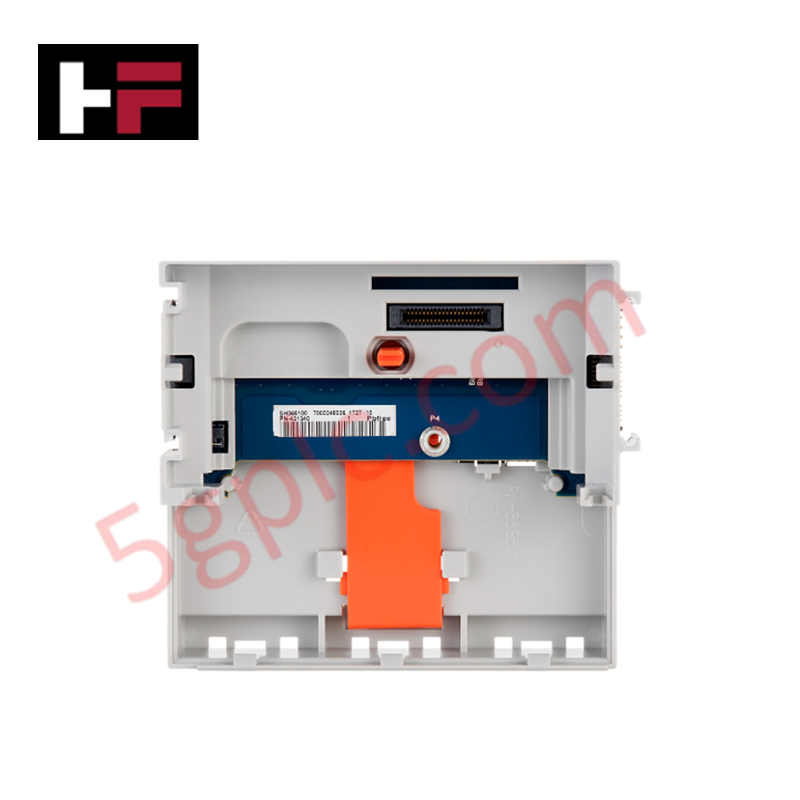
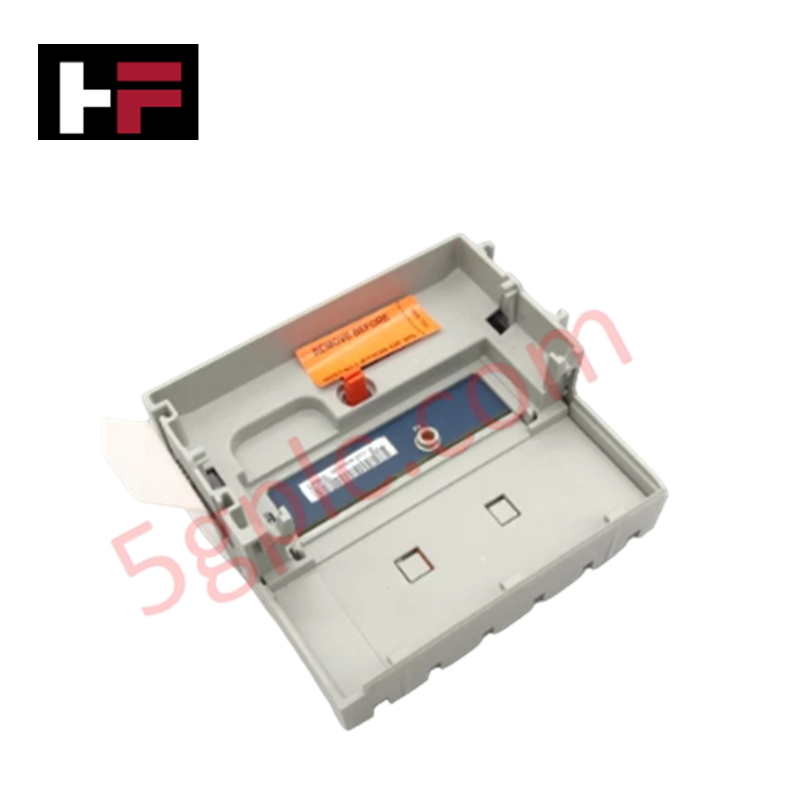
The Allen Bradley 5094-MB serves as the foundational structural component for the FLEX 5000 I/O system. This mounting base provides the essential physical and electrical interface between the I/O modules and the backplane. Engineers utilize the 5094-MB to streamline high-speed data transfer and power distribution within modular automation architectures. It ensures a rigid, vibration-resistant connection point for critical control hardware in demanding industrial environments.
Technical Specifications
| Feature | Specification |
| Manufacturer | Allen Bradley / Rockwell Automation |
| Product Line | FLEX 5000 |
| Condition | 100% Brand New Original |
| Current Consumption | 15 mA @ 3.3V DC / 100 mA @ 5.5V DC |
| Isolation Voltage | 250V AC (Continuous) |
| Operating Temperature | -40°C to 70°C (-40°F to 158°F) |
| Shock Resistance | 30 G (Operating and Non-operating) |
| Vibration Resistance | 5 G @ 10 to 500 Hz |
| Mounting | Zinc-plated, chromate-passivated steel DIN rail |
| Enclosure Type | Open-type |
Engineering Advantages
-
Extreme Thermal Resilience: The 5094-MB operates reliably in temperatures ranging from -40°C to 70°C. This wide range allows you to deploy the FLEX 5000 system in unconditioned outdoor cabinets or high-heat manufacturing zones without risking hardware failure.
-
High-Integrity Signal Isolation: The unit provides 250V AC continuous isolation. This safeguards your control logic from voltage surges and ground loops, ensuring signal integrity across the backplane.
-
Rapid Modular Assembly: The design incorporates a Removable Terminal Block (RTB) connection strategy. This allows technicians to wire the system before installing the base, significantly reducing commissioning time and simplifying maintenance during module swaps.
-
Rugged Mechanical Stability: With a 30 G shock rating and 5 G vibration resistance, this mounting base maintains secure electrical contact even in heavy machinery applications or high-vibration processing plants.
FAQs
Q: Does the 5094-MB support hot-swapping of I/O modules?
A: Yes. The FLEX 5000 architecture, supported by the 5094-MB base, allows Removal and Insertion Under Power (RIUP). You can replace modules without cycling power to the rest of the system, minimizing downtime.
Q: What type of DIN rail provides the best mechanical grounding for this unit?
A: Use a zinc-plated, chromate-passivated steel DIN rail. This ensures optimal electromagnetic compatibility (EMC) and provides a low-impedance path to ground, which is critical for the 5094-MB’s performance in electrically noisy environments.
Q: Is this product shipped in original factory packaging?
A: We supply the 5094-MB as 100% Brand New in its original Allen Bradley factory sealed packaging, complete with all original documentation and labels.
Additional Information
- 100% Genuine Parts: All products are original and authentic, ensuring reliable industrial performance.
- 30-Day Refund Guarantee: Return any in-stock item within 30 days in original, unopened packaging for a full refund (excluding shipping and fees).
- 12-Month Warranty: Covers defects in materials or workmanship; excludes misuse, normal wear, or unauthorized modifications.
- Worldwide Shipping: We ship via USPS, UPS, FedEx, and DHL. Delivery times vary by country and may be subject to customs or import fees.
- Support & Contact: Technical and warranty assistance is available anytime. Contact us here: Contact.
- Purchase Guidance: Check product specifications and compatibility carefully before ordering to ensure proper application.
Tech & Buying Guide

Understanding Marshalling Cabinets in Industrial Control Systems Architecture
Industrial control system deployments rely on structured signal distribution to bridge field instrumentation with central processing hardware. A marshalling cabinet serves as the vital intermediate connection point between heavy field home-run multi-pair cables and delicate input/output (I/O) modules housed inside Programmable Logic Controller (PLC) or Distributed Control System (DCS) enclosures. By segregating field cable terminations from control hardware, engineers maintain system flexibility, safeguard controller components, and streamline commissioning workflows.

FAT vs SAT in Industrial Control Systems: Key Differences and Execution Guide
Industrial control system deployment relies on strict verification protocols to guarantee operational safety, system stability, and regulatory compliance. Commissioning complex Programmable Logic Controller (PLC) racks, Distributed Control Systems (DCS), and Safety Instrumented Systems (SIS) requires two critical milestones: the Factory Acceptance Test (FAT) and the Site Acceptance Test (SAT). Both procedures validate that system automation meets design specifications, but they occur at different stages of project execution and target distinct operational risks.

Hub vs Switch vs Router in Industrial Automation Architecture
Modern factory automation relies on reliable industrial networking infrastructure to exchange real-time field data across operational technology systems. Engineers often encounter networking hardware like hubs, switches, and routers when integrating Programmable Logic Controllers, Distributed Control Systems, and SCADA monitoring nodes. Although these devices share physical ports, they operate at different layers of the Open Systems Interconnection reference model and deliver distinct traffic management capabilities.