












Product Details
Module Overview
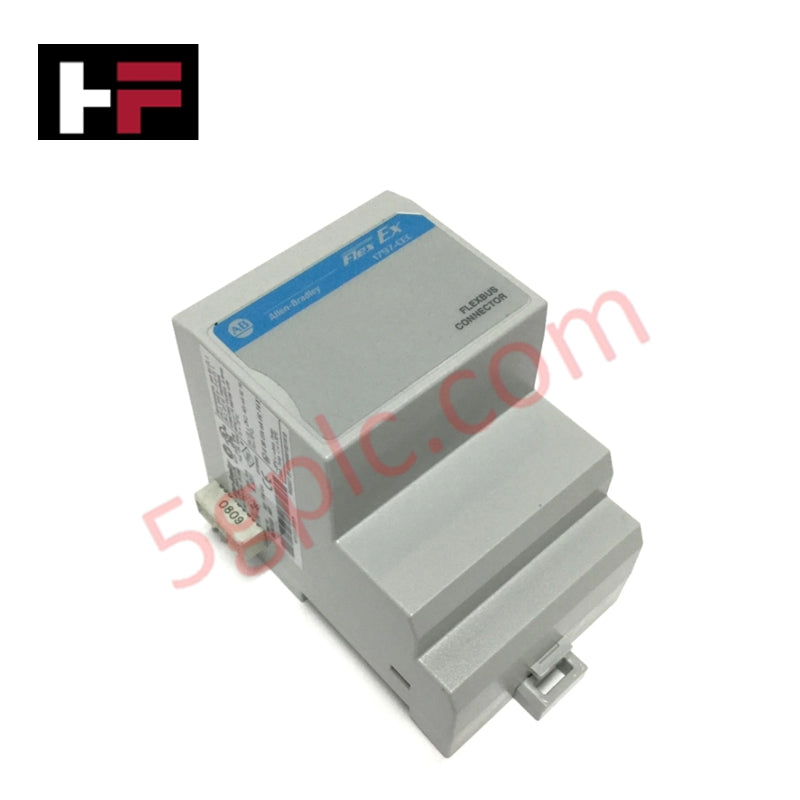
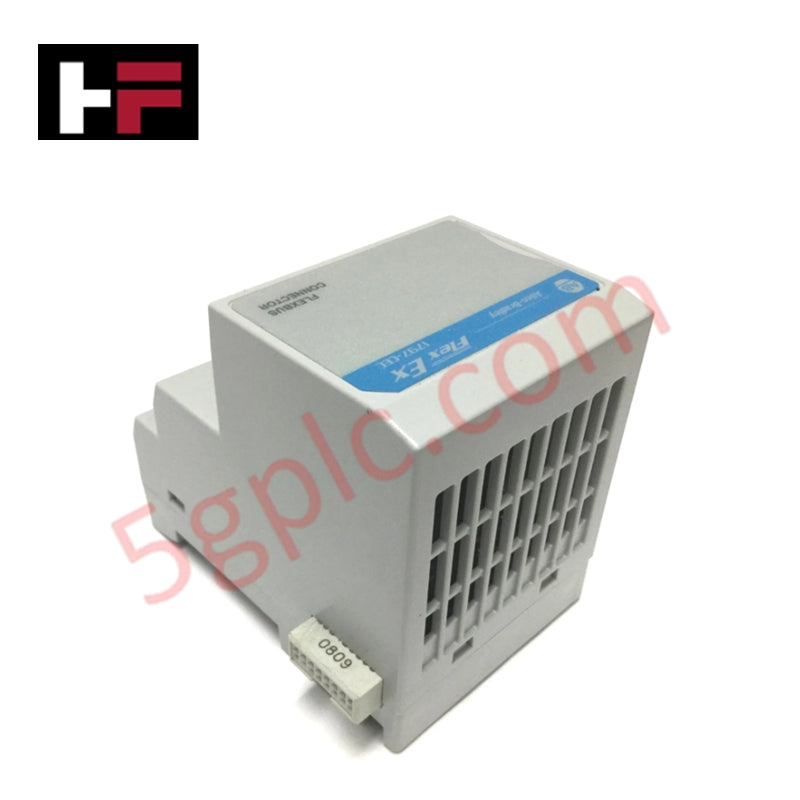
The 1797-CEC is a specialized backplane extension and bus connector module within the Allen-Bradley FLEX Ex I/O family. Its primary function is to provide an intrinsically safe (IS) compatible mechanism to connect the internal communication bus (FlexBus) across different sections of a DIN rail. This module is essential for "intermixed" systems where a designer needs to combine standard FLEX I/O modules and intrinsically safe FLEX Ex modules on the same adapter group. It effectively acts as a bridge that maintains the integrity of the IS backplane while allowing the system to scale up to its maximum capacity of eight I/O modules.
Detailed Engineering Specifications
The 1797-CEC is a passive mechanical and electrical interface designed for hazardous area backplane continuity.
-
Product Type: FlexBus Connector / Bus Isolator Extension
-
Product Line: FLEX Ex 1797
-
I/O Module Capacity: Supports up to 8 I/O modules on the "slave" side
-
Function: Connects standard FLEX I/O adapters/modules to FLEX Ex modules
-
Mounting: 35mm x 7.5mm DIN Rail (Zinc-plated yellow-chromate steel recommended)
-
Protection Factor: IP20 (Open-style equipment)
-
Operational Temperature: -20°C to 70°C (-4°F to 158°F)
-
Storage Temperature: -40°C to 85°C (-40°F to 185°F)
-
Relative Humidity: 5% to 95% (Non-condensing)
-
Operating Shock: 30g peak acceleration
-
Physical Weight: 1.17 lbs (0.53 kg)
-
Hazardous Location Rating: II 3G Ex nA IIC (ATEX compliant for Zone 2)
System Architecture and Intermixing
The 1797-CEC is typically used in conjunction with the 1797-BIC (Bus Isolator Module). In an intermixed system, standard FLEX I/O modules are mounted to the left of the 1797-CEC, while the intrinsically safe FLEX Ex modules are mounted to the right. This physical separation is critical for:
-
Power Conversion: Helping convert hazardous power to IS-safe power for the bus receiver circuitry.
-
Signal Isolation: Ensuring that non-IS signals cannot propagate into the IS-protected portion of the backplane.
-
Grounding: Maintaining a consistent ground path across the DIN rail through the use of high-conductivity rail materials.
Installation Guidelines
To install the 1797-CEC, follow these critical steps to ensure backplane alignment:
-
Remove Cover Plugs: Clear any protective plugs from the male FlexBus connector of the adjacent module.
-
DIN Rail Alignment: Hook the top of the module onto the DIN rail and rotate it downward until the locking tab snaps into place.
-
Horizontal Connection: Firmly push the module to the left into the adjacent adapter or terminal base until the units interconnect.
-
Locking: Use DIN rail locks (like the 1492-EA35) to prevent accidental separation, especially in high-vibration environments.
Technical FAQ
Can I place the 1797-CEC between two standard FLEX I/O modules?
No. The 1797-CEC must be positioned to the right of standard FLEX I/O modules. It serves as the transition point into the FLEX Ex (intrinsically safe) portion of the rack.
Does this module require its own power supply?
The 1797-CEC itself is a connector and isolator interface; however, the FLEX Ex modules connected to its "slave" side must be powered by a 1797-PS series intrinsically safe power supply to maintain the IS rating of the system.
Is this module still being manufactured?
The 1797-CEC has been discontinued by Rockwell Automation. It is primarily available through specialized industrial surplus and repair vendors. When sourcing a replacement, ensure the unit carries the appropriate ATEX or UL/FM markings required for your specific hazardous zone.
Additional Information
- 100% Genuine Parts: All products are original and authentic, ensuring reliable industrial performance.
- 30-Day Refund Guarantee: Return any in-stock item within 30 days in original, unopened packaging for a full refund (excluding shipping and fees).
- 12-Month Warranty: Covers defects in materials or workmanship; excludes misuse, normal wear, or unauthorized modifications.
- Worldwide Shipping: We ship via USPS, UPS, FedEx, and DHL. Delivery times vary by country and may be subject to customs or import fees.
- Support & Contact: Technical and warranty assistance is available anytime. Contact us here: Contact.
- Purchase Guidance: Check product specifications and compatibility carefully before ordering to ensure proper application.
Tech & Buying Guide
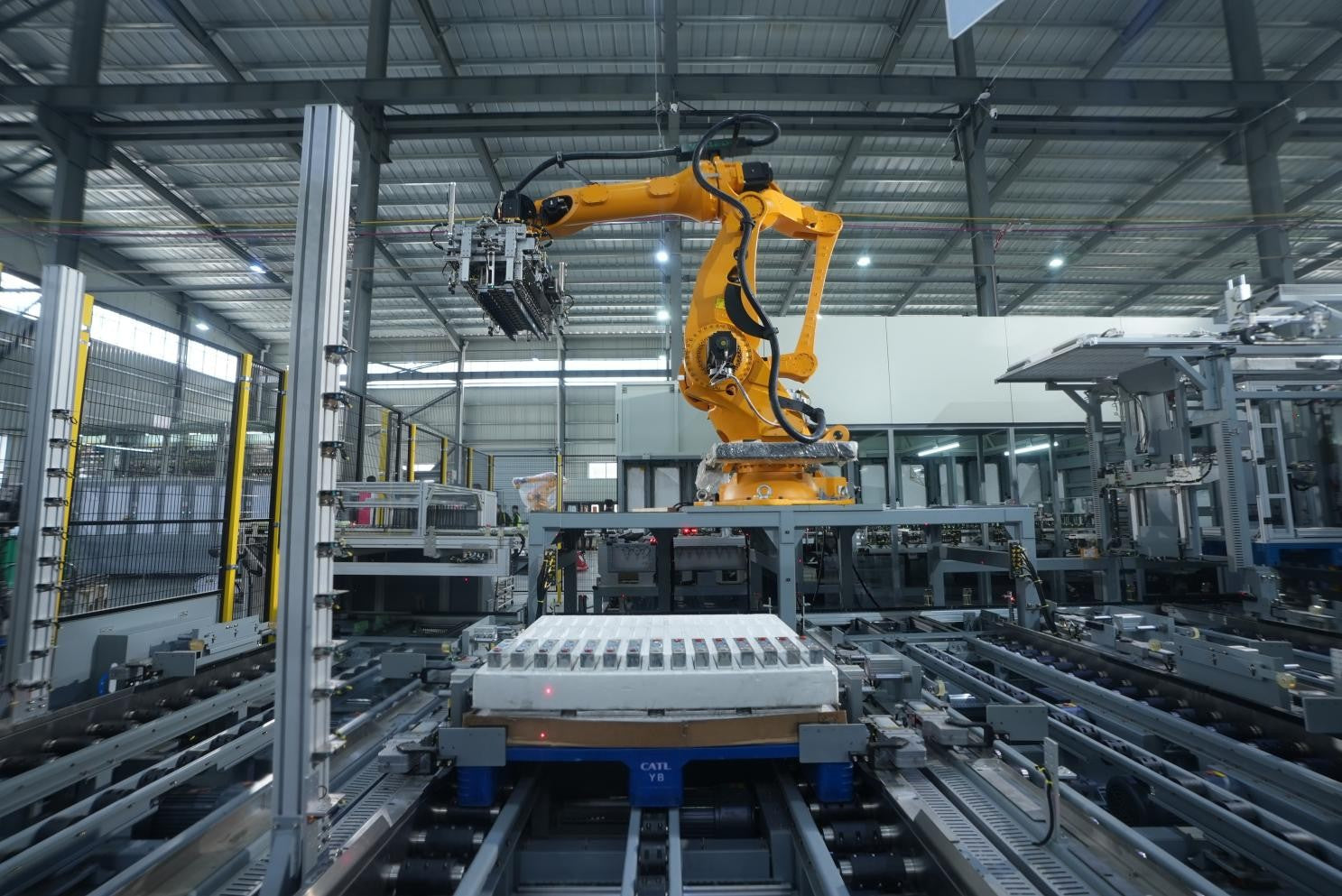
Strategic Selection: Choosing the Right SCADA Software for Your PLC Project
In industrial automation, the SCADA (Supervisory Control and Data Acquisition) system acts as the bridge between raw machine data and actionable human intelligence. Selecting the incorrect software platform can lead to integration bottlenecks, scalability issues, and excessive long-term maintenance costs. As an automation consultant with 15 years of experience, I have guided many projects through the selection process. Below are the essential criteria for choosing a platform that ensures both performance and longevity.

Ensuring Operational Continuity: The Strategic Value of Redundant Automation Systems
In modern industrial landscapes, unplanned downtime is the ultimate adversary. For sectors relying on complex PLC and DCS architectures, a single hardware failure can trigger catastrophic production losses. Therefore, implementing redundant automation systems is no longer a luxury; it is a fundamental requirement for mission-critical operations. In this article, I analyze why redundancy remains the backbone of reliable industrial infrastructure.
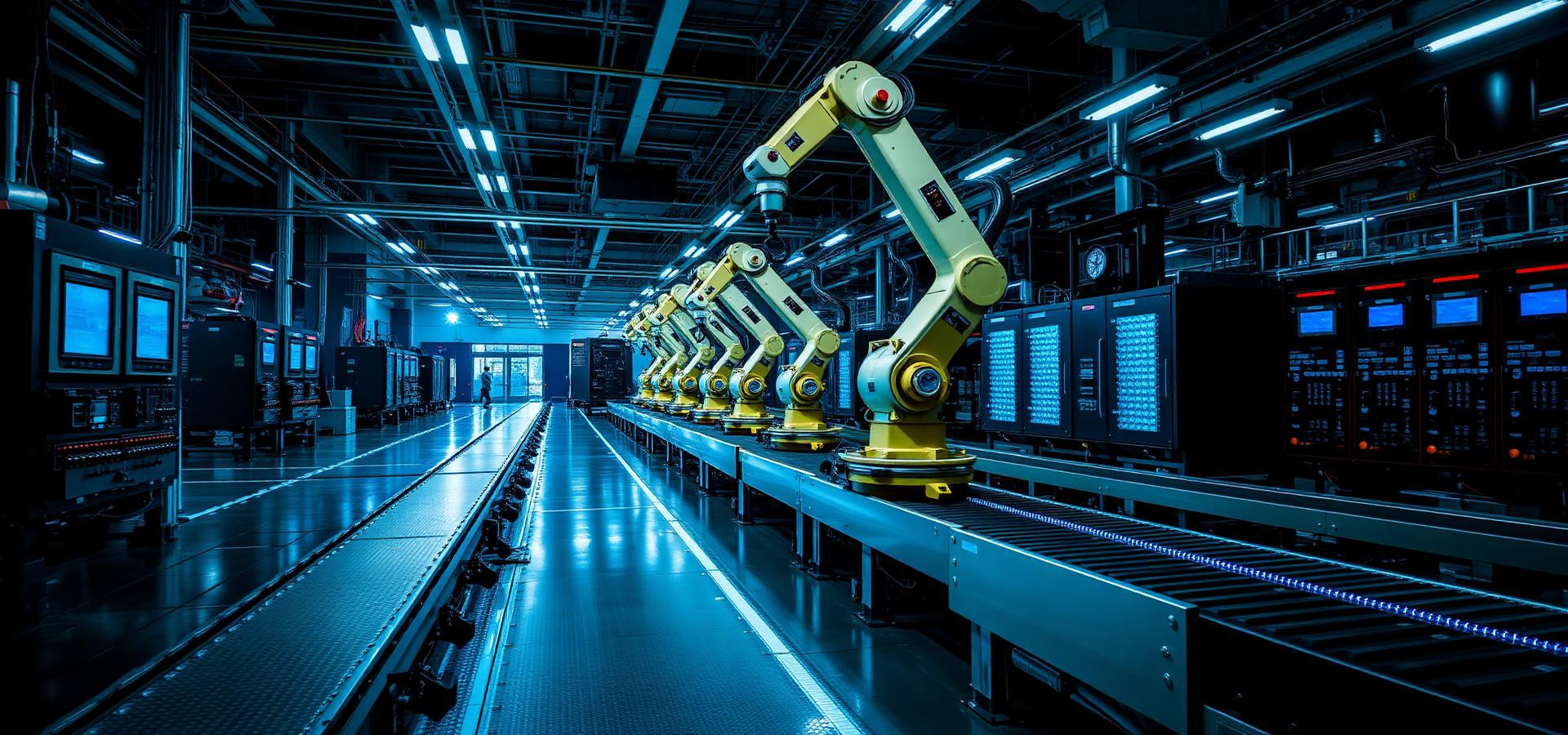
Selecting the Right Cables for Industrial Automation: A Comprehensive Guide
Selecting the appropriate cabling infrastructure is critical for the success of any industrial automation project. Improper cable selection often leads to signal degradation, system instability, and costly downtime. As an automation engineer, I frequently see projects compromised by poor cabling choices in harsh industrial environments. This guide simplifies the complex landscape of cabling to help you make informed decisions for your PLC, DCS, and control systems.