












Product Details
Product Overview
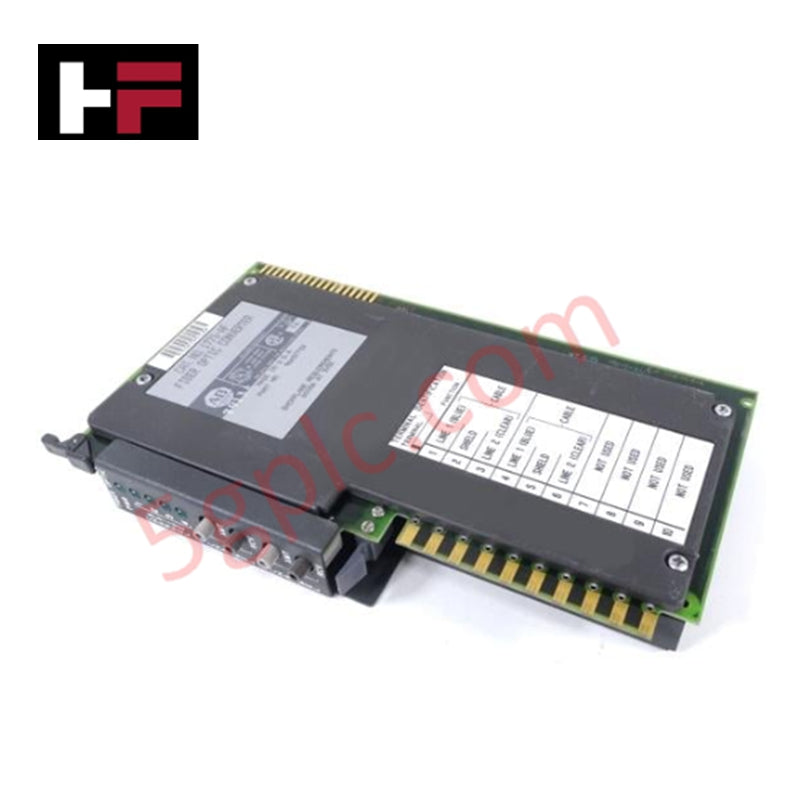
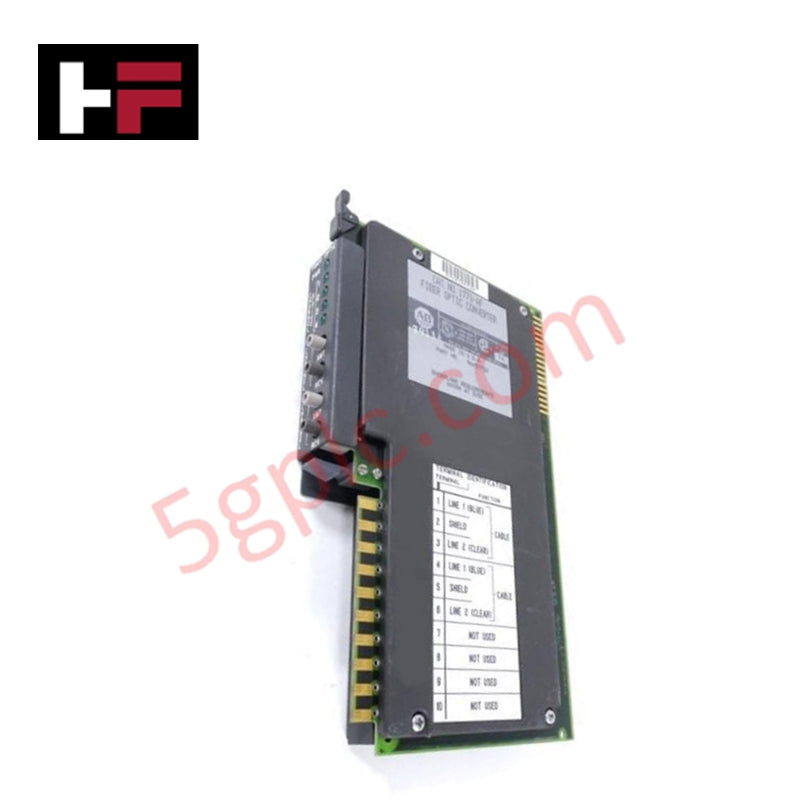
The 1771-AF is a high-performance communication interface within the Allen-Bradley PLC 5 ecosystem, designed to bridge coaxial and fiber-optic media. This module allows industrial networks to overcome distance limitations and electrical interference by converting standard coaxial signals into optical pulses. By utilizing the 1771-AF (PN: 1771-AF), engineers can extend the reach of Remote I/O (RIO) or Data Highway Plus (DH+) links while ensuring complete galvanic isolation between segments.
Technical Specifications
-
Manufacturer Allen-Bradley / Rockwell Automation
-
Product Line PLC 5 / 1771 Universal I/O
-
Model Number 1771-AF
-
Module Type Fiber-Optic Converter
-
Communication Rates 57.6 kbit/s and 115.2 kbit/s
-
Backplane Current (5V DC) 1.0 Ampere
-
Current Load (Total) 600 mA
-
Power Dissipation 5 Watts
-
Thermal Dissipation 17.06 BTU/hr
-
Slot Requirement Single (1) slot in any 1771 I/O Chassis
-
Coaxial Media Compatibility Quad-Shield RG-6 Cable
-
Upper Connector Keying Between pins 54 and 56
-
Lower Connector Keying Between pins 16 and 18
-
Shipping Weight 1.25 lbs (0.57 kg)
Network Integration and Configuration
The 1771-AF acts as a transparent media converter, meaning it does not require complex software configuration to operate. It is typically deployed in pairs to create a fiber-optic backbone between two coaxial segments. This setup is particularly effective in environments with high electromagnetic interference (EMI) or where the distance between chassis exceeds the limits of standard copper cabling.
Installation and Keying
To ensure proper hardware alignment and prevent accidental damage, the 1771-AF utilizes specific plastic keying bands on the backplane connector.
-
The upper keying position is set at 54-56.
-
The lower keying position is set at 16-18.
The module is designed for hot-swapping in many 1771 chassis, though it is best practice to verify system state before removal to avoid disrupting active network traffic.
Frequently Asked Questions
-
Does the 1771-AF support 230.4 kbit/s communication?
Based on original specifications, this module is optimized for 57.6k and 115.2k baud rates. For higher speeds or ControlNet applications, specialized 1771-series fiber adapters may be required.
-
Can I mix fiber-optic and coaxial devices on the same segment?
The 1771-AF is designed precisely for this purpose. It allows you to run fiber between buildings or through noisy areas and then transition back to coaxial cable for local chassis connections.
-
What type of fiber cable should be used?
The module is typically used with glass fiber-optic cable. Ensure that the fiber core diameter and connector types match the specifications of the optical ports on the front of the module.
Additional Information
- 100% Genuine Parts: All products are original and authentic, ensuring reliable industrial performance.
- 30-Day Refund Guarantee: Return any in-stock item within 30 days in original, unopened packaging for a full refund (excluding shipping and fees).
- 12-Month Warranty: Covers defects in materials or workmanship; excludes misuse, normal wear, or unauthorized modifications.
- Worldwide Shipping: We ship via USPS, UPS, FedEx, and DHL. Delivery times vary by country and may be subject to customs or import fees.
- Support & Contact: Technical and warranty assistance is available anytime. Contact us here: Contact.
- Purchase Guidance: Check product specifications and compatibility carefully before ordering to ensure proper application.
Tech & Buying Guide
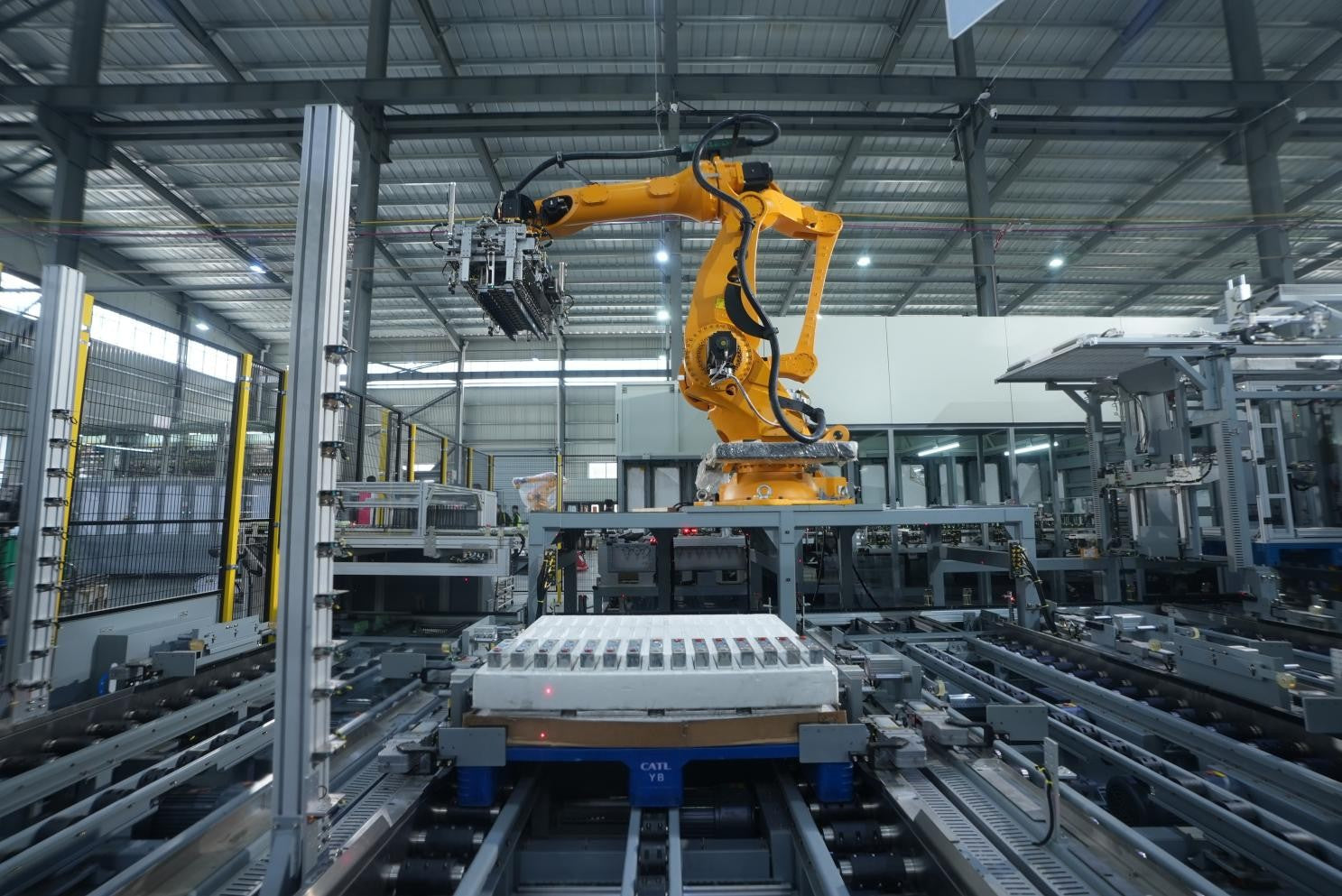
Strategic Selection: Choosing the Right SCADA Software for Your PLC Project
In industrial automation, the SCADA (Supervisory Control and Data Acquisition) system acts as the bridge between raw machine data and actionable human intelligence. Selecting the incorrect software platform can lead to integration bottlenecks, scalability issues, and excessive long-term maintenance costs. As an automation consultant with 15 years of experience, I have guided many projects through the selection process. Below are the essential criteria for choosing a platform that ensures both performance and longevity.

Ensuring Operational Continuity: The Strategic Value of Redundant Automation Systems
In modern industrial landscapes, unplanned downtime is the ultimate adversary. For sectors relying on complex PLC and DCS architectures, a single hardware failure can trigger catastrophic production losses. Therefore, implementing redundant automation systems is no longer a luxury; it is a fundamental requirement for mission-critical operations. In this article, I analyze why redundancy remains the backbone of reliable industrial infrastructure.
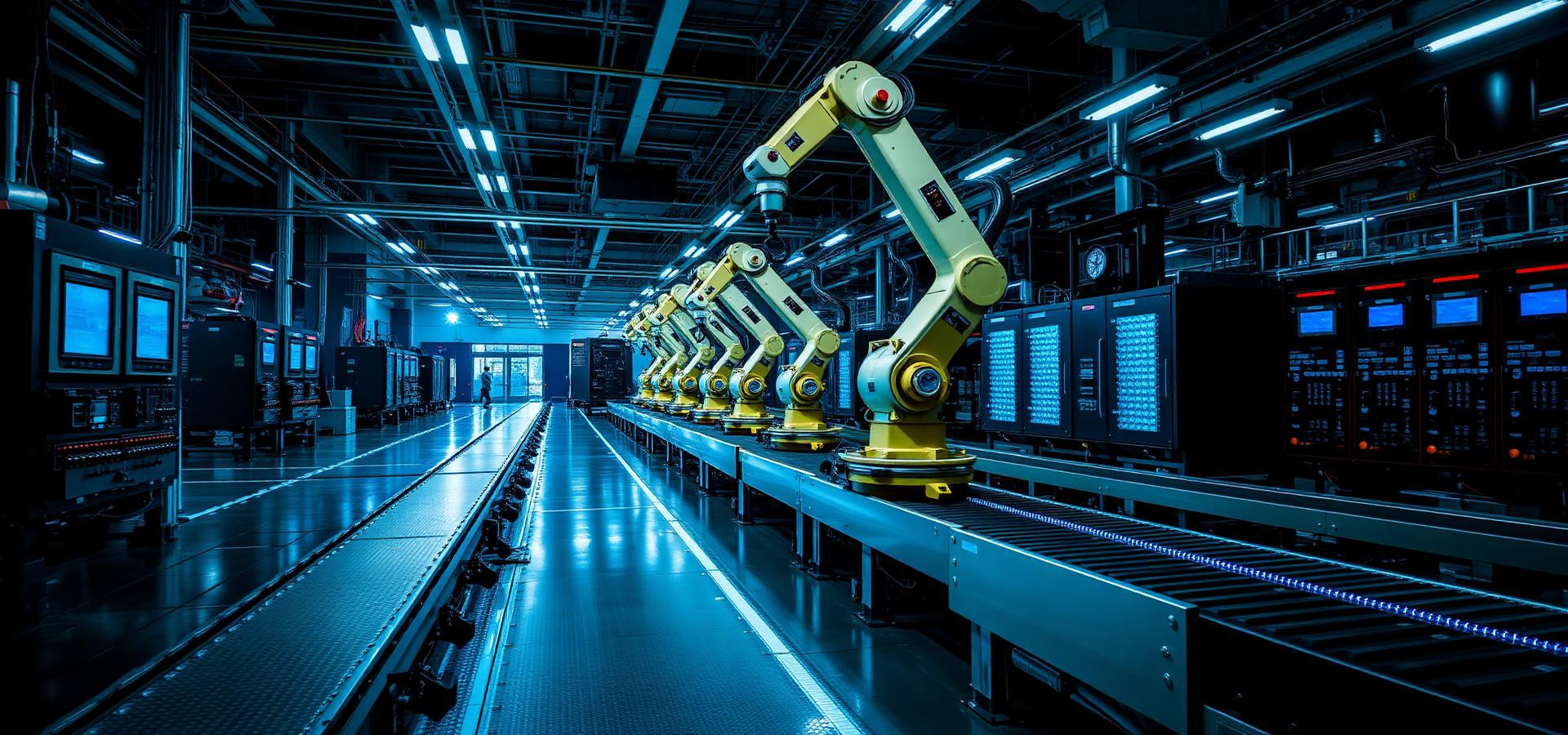
Selecting the Right Cables for Industrial Automation: A Comprehensive Guide
Selecting the appropriate cabling infrastructure is critical for the success of any industrial automation project. Improper cable selection often leads to signal degradation, system instability, and costly downtime. As an automation engineer, I frequently see projects compromised by poor cabling choices in harsh industrial environments. This guide simplifies the complex landscape of cabling to help you make informed decisions for your PLC, DCS, and control systems.