










Product Details
Product Overview
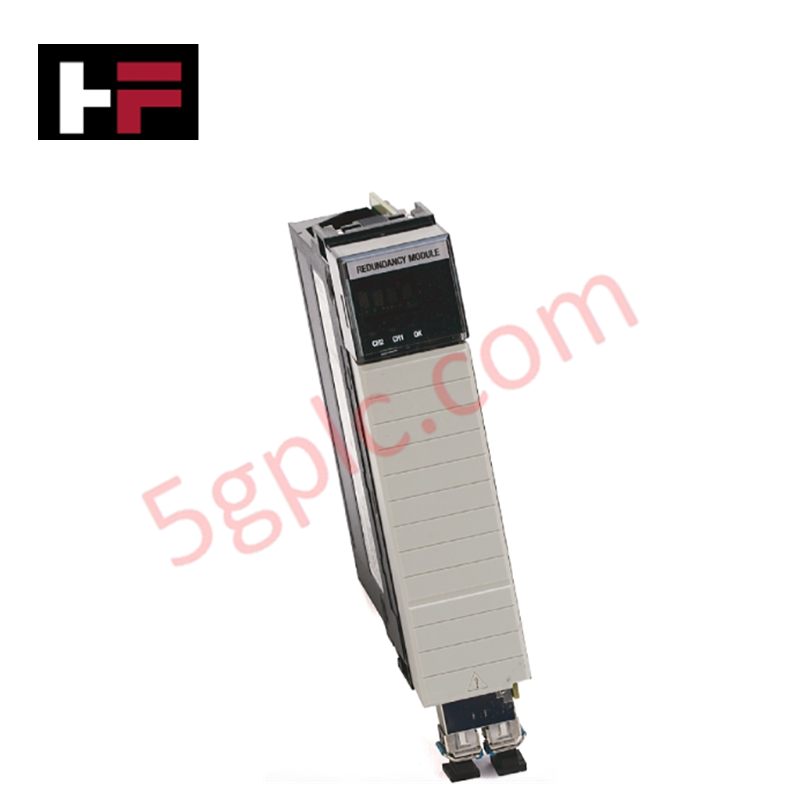
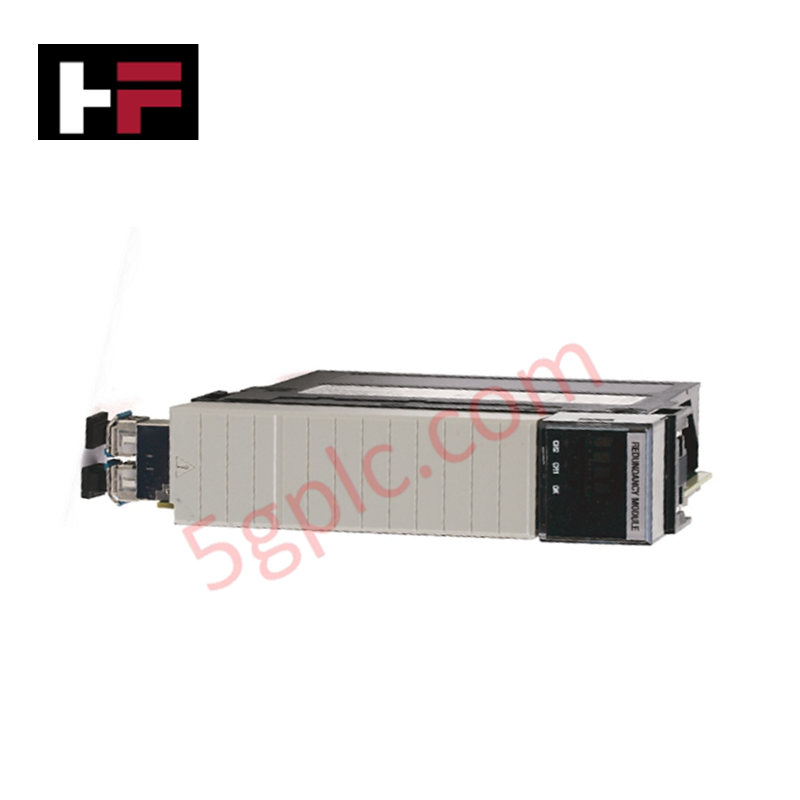
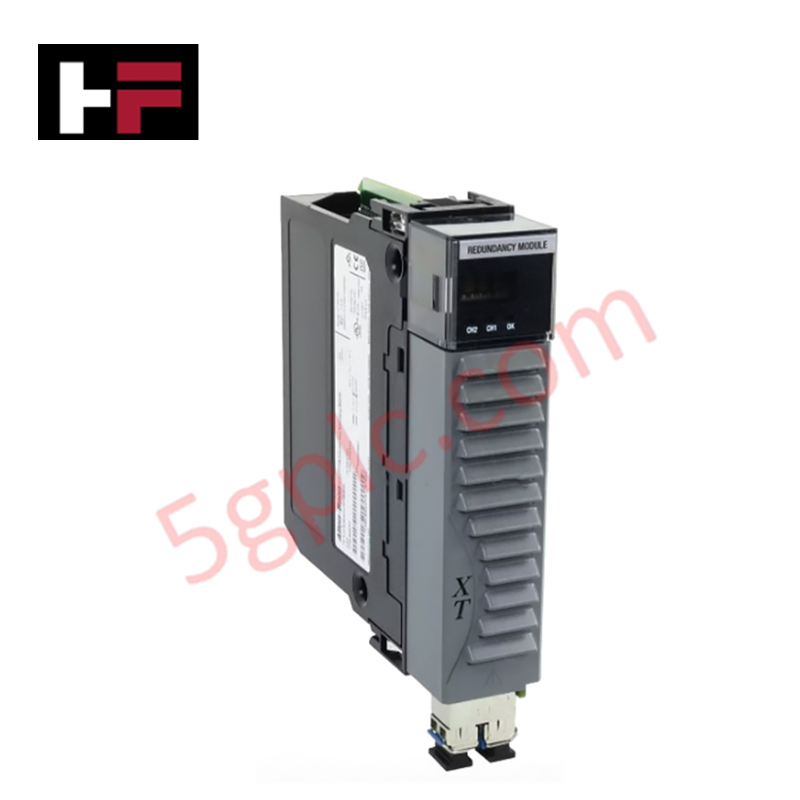
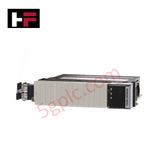
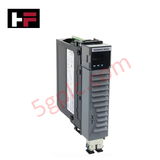
The 1756-RM2XT provides high-speed data synchronization between primary and secondary chassis in a ControlLogix redundancy system. As an "XT" (Extended Temperature) module, it features specialized components to withstand harsher environmental conditions than standard automation hardware. This module ensures bumpless switchover during a controller or chassis failure, maintaining continuous process operation in mission-critical applications. We supply this unit as 100% Brand New original hardware, ensuring your high-availability architecture operates with factory-certified precision and thermal resilience.
Technical Specifications
The 1756-RM2XT utilizes advanced fiber optic technology to maintain real-time chassis synchronization:
| Parameter | Specification |
| Manufacturer | Allen-Bradley / Rockwell Automation |
| Module Type | Enhanced Redundancy Module (XT Series) |
| Fiber Optic Support | Single-channel (1) |
| Max Cable Length | 4 Kilometers |
| Wavelength | 1300 nm |
| Transmission Speed | 1000 Mbps (1 Gbps) |
| Operating Temp | -25°C to +70°C (-13°F to +158°F)* |
| Dimensions | 5.51 x 4.41 x 5.71 inches |
| Weight | 0.29 kg (0.64 lb) |
| Wire Size | 20 AWG (for grounding) |
Note: While standard specs list 0-60°C, the XT designation officially supports expanded ranges up to 70°C when installed in appropriate XT chassis.
Engineering Advantages
-
Long-Distance Synchronization: The 1300 nm fiber optic interface supports cable runs up to 4 kilometers. This allows engineers to physically separate redundant chassis in different fire zones or remote control rooms to protect against localized disasters.
-
Bumpless Switchover Performance: The 1000 Mbps (1 Gbps) transmission speed ensures near-instantaneous data mirroring. During a fault, the 1756-RM2XT facilitates a switchover so fast that the field actuators and remote I/O perceive no interruption in the control logic.
-
Extended Thermal Durability: The XT-series construction utilizes robust internal components and superior heat dissipation designs. This solves the pain point of hardware failure in non-climate-controlled cabinets or extreme outdoor environments.
-
Fiber Optic Isolation: By using fiber optics for chassis synchronization, the module provides total electrical isolation between redundant pairs. This eliminates ground loops and protects the control system from high-voltage surges or electromagnetic interference (EMI).
-
Simplified Redundancy Setup: The module handles complex synchronization tasks automatically. Once connected via fiber, it manages the scan list and data table mirroring without requiring manual code-heavy synchronization routines from the programmer.
FAQs
Q: Can I use the 1756-RM2XT with a standard 1756-RM2 module?
A: No. For a redundant pair to function correctly, both modules must share the same hardware series and firmware revision. We recommend using two 1756-RM2XT modules to ensure consistent thermal performance and synchronization timing.
Q: What type of fiber optic cable does this module require?
A: The 1756-RM2XT requires 62.5/125 micron multi-mode fiber optic cable. Ensure you use high-quality LC-style connectors to maintain the 1000 Mbps transmission integrity over long distances.
Q: Does this module require a separate power supply?
A: No. The 1756-RM2XT draws its power directly from the ControlLogix backplane. However, you must ensure the chassis power supply (such as a 1756-PA75R) provides sufficient current for the entire redundancy set.
Q: Why should I choose the "XT" version over the standard 1756-RM2?
A: Choose the 1756-RM2XT if your installation site experiences temperatures outside the standard 0-60°C range. The XT version specifically targets applications in oil and gas, mining, and remote pumping stations where environmental control is limited.
Additional Information
- 100% Genuine Parts: All products are original and authentic, ensuring reliable industrial performance.
- 30-Day Refund Guarantee: Return any in-stock item within 30 days in original, unopened packaging for a full refund (excluding shipping and fees).
- 12-Month Warranty: Covers defects in materials or workmanship; excludes misuse, normal wear, or unauthorized modifications.
- Worldwide Shipping: We ship via USPS, UPS, FedEx, and DHL. Delivery times vary by country and may be subject to customs or import fees.
- Support & Contact: Technical and warranty assistance is available anytime. Contact us here: Contact.
- Purchase Guidance: Check product specifications and compatibility carefully before ordering to ensure proper application.
Tech & Buying Guide

Understanding Marshalling Cabinets in Industrial Control Systems Architecture
Industrial control system deployments rely on structured signal distribution to bridge field instrumentation with central processing hardware. A marshalling cabinet serves as the vital intermediate connection point between heavy field home-run multi-pair cables and delicate input/output (I/O) modules housed inside Programmable Logic Controller (PLC) or Distributed Control System (DCS) enclosures. By segregating field cable terminations from control hardware, engineers maintain system flexibility, safeguard controller components, and streamline commissioning workflows.

FAT vs SAT in Industrial Control Systems: Key Differences and Execution Guide
Industrial control system deployment relies on strict verification protocols to guarantee operational safety, system stability, and regulatory compliance. Commissioning complex Programmable Logic Controller (PLC) racks, Distributed Control Systems (DCS), and Safety Instrumented Systems (SIS) requires two critical milestones: the Factory Acceptance Test (FAT) and the Site Acceptance Test (SAT). Both procedures validate that system automation meets design specifications, but they occur at different stages of project execution and target distinct operational risks.

Hub vs Switch vs Router in Industrial Automation Architecture
Modern factory automation relies on reliable industrial networking infrastructure to exchange real-time field data across operational technology systems. Engineers often encounter networking hardware like hubs, switches, and routers when integrating Programmable Logic Controllers, Distributed Control Systems, and SCADA monitoring nodes. Although these devices share physical ports, they operate at different layers of the Open Systems Interconnection reference model and deliver distinct traffic management capabilities.