












Product Details
Product Description
The 1756-M16SE is a high-performance motion control module designed for the Allen-Bradley ControlLogix platform, providing a specialized interface for SERCOS (Serial Real-time Communication System) fiber-optic networks. This module serves as a centralized controller for high-speed, synchronized motion, capable of managing up to 16 axes of independent or coordinated motion per module. By utilizing digital fiber-optic rings, it eliminates traditional analog noise issues and significantly simplifies field wiring to Kinetix or other SERCOS-enabled drives.
As a core component of high-order motion architectures, the 1756-M16SE (Part Number: 1756-M16SE) supports data rates of 4 or 8 Mbps, ensuring precise closed-loop control. It is designed for seamless integration into 1756 ControlLogix chassis, drawing power directly from the backplane while maintaining continuous 50V isolation to protect the logic circuitry from external electrical noise.
Technical Specifications
-
Brand: Allen-Bradley
-
Model Designation: 1756-M16SE
-
Module Type: SERCOS interface motion module
-
Axis Capacity: 16 axes per module (System supports up to 32 axes per controller)
-
Communication Media: Plastic fiber-optic cable (2090-SCEP, 2090-SCVP, or 2090-SCNP)
-
Data Transfer Rates: 4 Mbps or 8 Mbps
-
Backplane Power Consumption: 760 mA @ 5.1V DC; 2.5 mA @ 24V DC
-
Power Dissipation: 6.2 Watts
-
Thermal Output: 21.2 BTU per hour
-
Continuous Isolation Voltage: 50 Volts
-
Chassis Compatibility: 1756-A4, 1756-A7, 1756-A10, 1756-A13, 1756-A17
-
Standard Power Supplies: 1756-PA72, 1756-PA75, 1756-PB72, 1756-PB75
-
Redundant Power Supplies: 1756-PA75R, 1756-PB75R, 1756-PSCA2
Applications and Motion Performance
This module is ideally suited for complex packaging machinery, robotic assembly cells, and high-speed material handling systems where precise synchronization between multiple axes is paramount. The SERCOS digital interface ensures that drive parameters can be configured and monitored directly through Studio 5000 Logix Designer software, reducing commissioning time and improving diagnostic visibility.
Engineering FAQ
What fiber-optic cables are recommended for the 1756-M16SE?The module is compatible with 2090-series plastic fiber-optic cables. For standard environments, the 2090-SCVP standard jacket is sufficient, while the 2090-SCNP nylon jacket is recommended for applications requiring higher chemical or abrasion resistance.
Can the 1756-M16SE be used in a remote I/O chassis?No, motion modules must reside in the local chassis with the Logix controller to maintain the high-speed timing required for motion group synchronization and task execution.
Additional Information
- 100% Genuine Parts: All products are original and authentic, ensuring reliable industrial performance.
- 30-Day Refund Guarantee: Return any in-stock item within 30 days in original, unopened packaging for a full refund (excluding shipping and fees).
- 12-Month Warranty: Covers defects in materials or workmanship; excludes misuse, normal wear, or unauthorized modifications.
- Worldwide Shipping: We ship via USPS, UPS, FedEx, and DHL. Delivery times vary by country and may be subject to customs or import fees.
- Support & Contact: Technical and warranty assistance is available anytime. Contact us here: Contact.
- Purchase Guidance: Check product specifications and compatibility carefully before ordering to ensure proper application.
Tech & Buying Guide
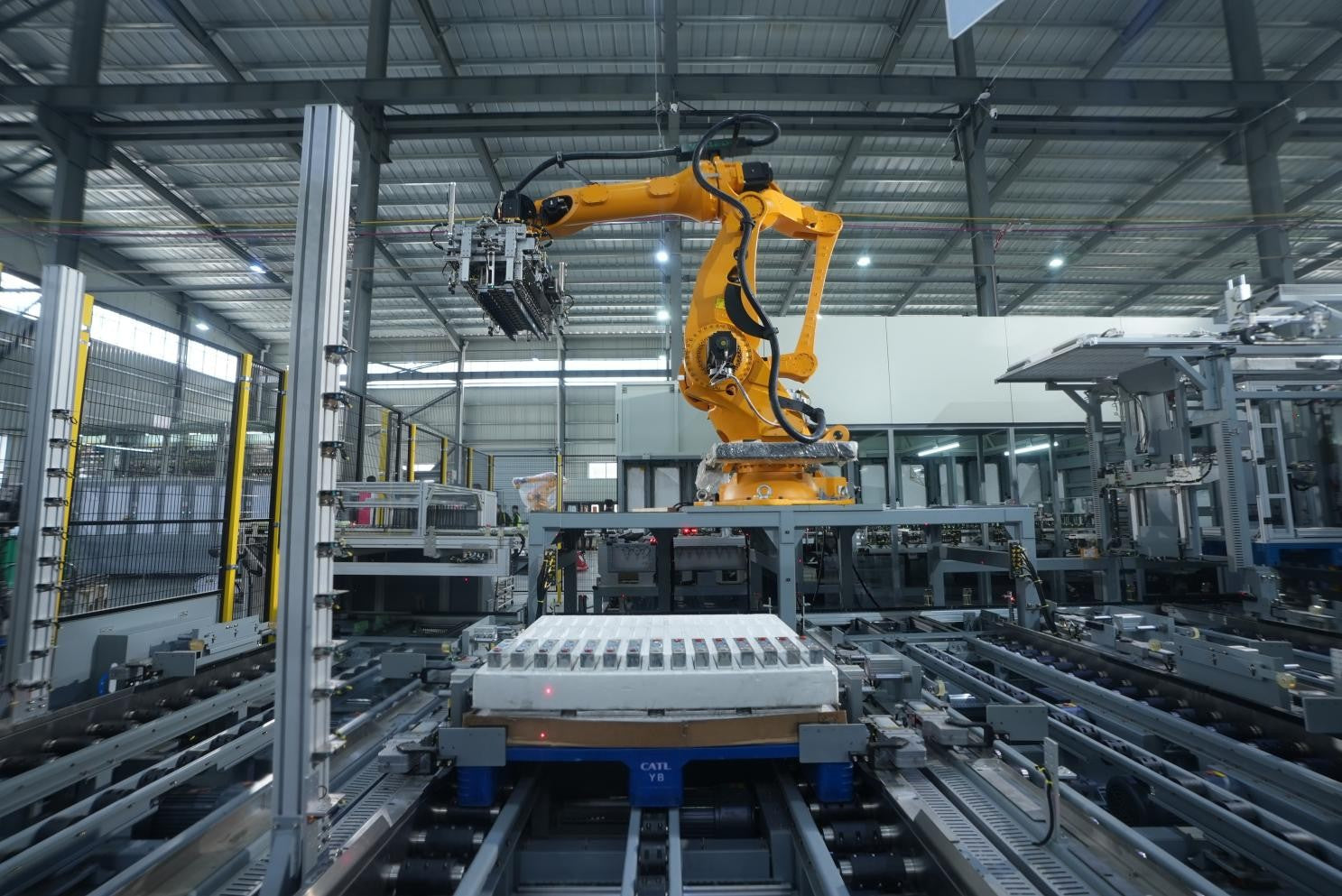
Strategic Selection: Choosing the Right SCADA Software for Your PLC Project
In industrial automation, the SCADA (Supervisory Control and Data Acquisition) system acts as the bridge between raw machine data and actionable human intelligence. Selecting the incorrect software platform can lead to integration bottlenecks, scalability issues, and excessive long-term maintenance costs. As an automation consultant with 15 years of experience, I have guided many projects through the selection process. Below are the essential criteria for choosing a platform that ensures both performance and longevity.

Ensuring Operational Continuity: The Strategic Value of Redundant Automation Systems
In modern industrial landscapes, unplanned downtime is the ultimate adversary. For sectors relying on complex PLC and DCS architectures, a single hardware failure can trigger catastrophic production losses. Therefore, implementing redundant automation systems is no longer a luxury; it is a fundamental requirement for mission-critical operations. In this article, I analyze why redundancy remains the backbone of reliable industrial infrastructure.
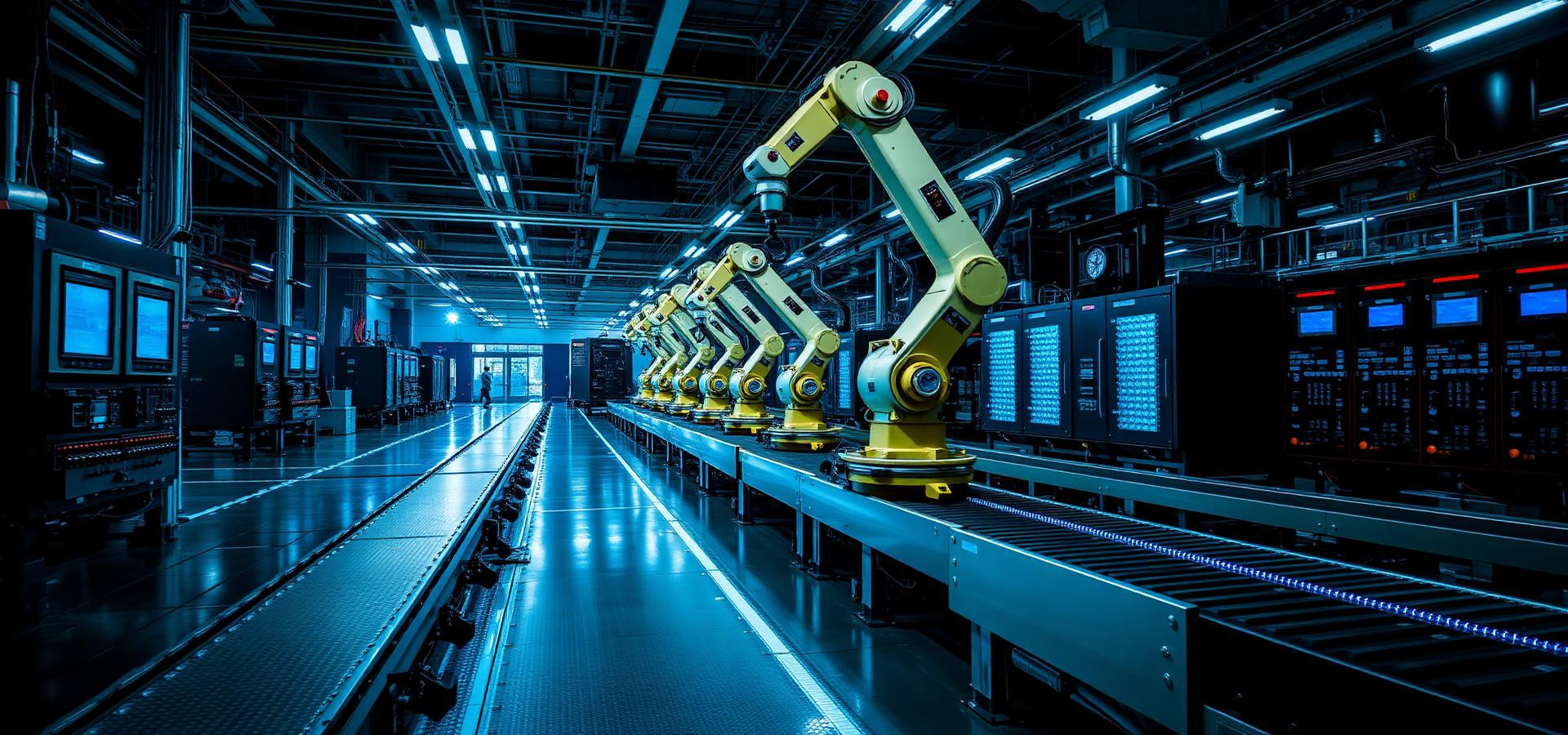
Selecting the Right Cables for Industrial Automation: A Comprehensive Guide
Selecting the appropriate cabling infrastructure is critical for the success of any industrial automation project. Improper cable selection often leads to signal degradation, system instability, and costly downtime. As an automation engineer, I frequently see projects compromised by poor cabling choices in harsh industrial environments. This guide simplifies the complex landscape of cabling to help you make informed decisions for your PLC, DCS, and control systems.