













Product Details
Product Description
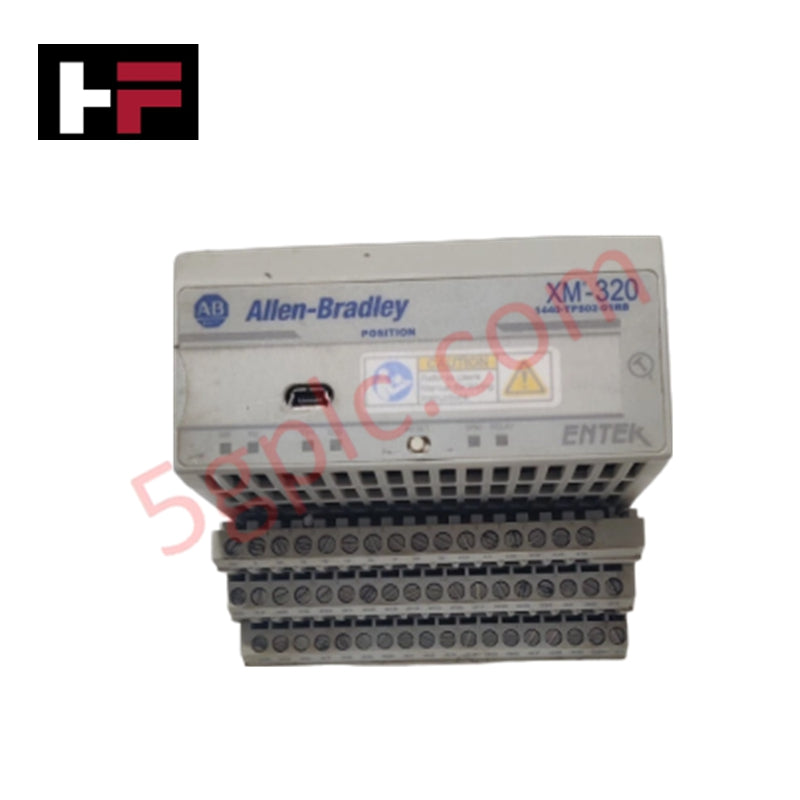
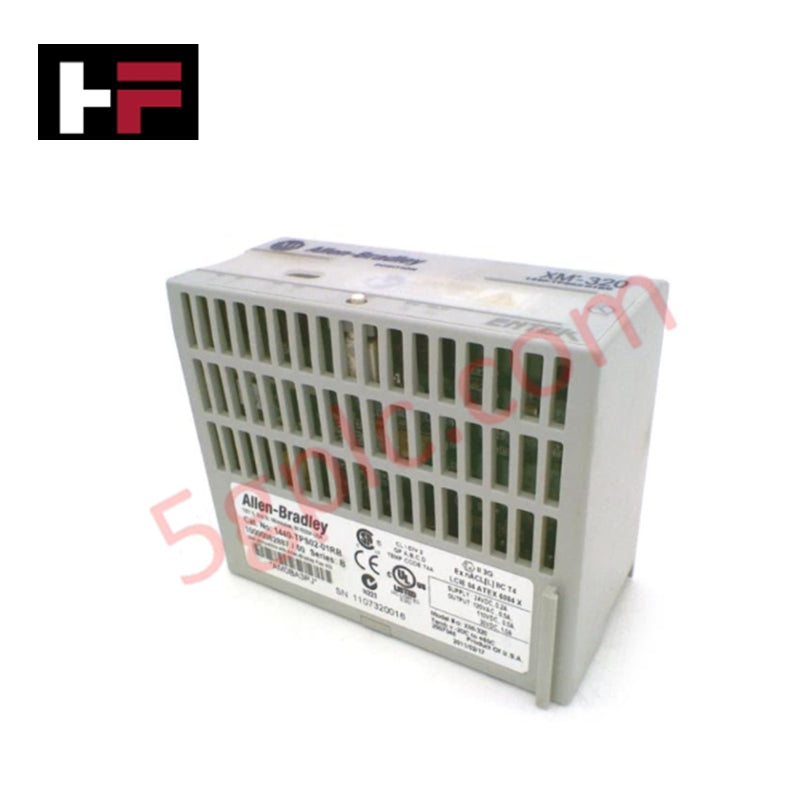
The Allen-Bradley XM-320 (1440-TPS02-01RB) is a precision position module for turbine supervisory systems, capable of monitoring axial thrust, valve position, differential expansion, and case expansion. It features dual-channel inputs for eddy current transducers, LVDTs, or standard voltage sensors, with isolated 24V power and configurable software settings for sensitivity and voltage range. Outputs include two isolated 4–20 mA channels with buffered signal options. The module supports both DeviceNet and RS-232 communication, providing versatile integration into industrial control networks.
Technical Specifications
-
Manufacturer: Allen-Bradley
-
Model Number: 1440-TPS02-01RB
-
Product Type: Position Measurement Module
-
Input Channels: 2
-
Signal Types: Eddy current, LVDT, voltage inputs from position sensors
-
Transducer Power: Isolated 24V, configurable for ±24V
-
Input Impedance: >100 kΩ
-
4–20 mA Outputs: 2 isolated, max load 600 Ω, buffered
-
Indicators: Module status, network status, channel status, setpoint multiplier, relay status
-
Communication: DeviceNet (125/250/500 Kbps), RS-232 (19.2 Kbps), EDS support
-
Measurement Modes: Normal, Head-to-Head, Radial Cancel, Delta Time Buffer
-
Number of Records: 2048
-
Trigger Modes: Relay activation or DeviceNet command
-
Alarms: Two alarm/danger pairs with configurable operators and hysteresis
-
Relays: 1 onboard DPDT relay, optional XM-441 expansion relays, virtual relays supported
-
Relay Ratings: Max 125V DC/AC, 3.5A (derated to 2A at 65°C), max power 60W DC / 62.5 VA AC
-
Failsafe Options: Normally energized or de-energized, latching/non-latching, adjustable time delay 0–25.5 s
-
Configuration: Non-volatile, editable via DeviceNet or serial interface
-
Module Power: 24V DC, typical 165 mA, max 200 mA
-
Heat Production: Typical 3.96 W, max 5.28 W
-
Physical Dimensions: 97 × 94 × 94 mm (3.8 × 3.7 × 3.7 in)
-
Terminal Base: 1440-TB-B
Key Features
-
Dual-channel inputs with configurable sensitivity and signal type
-
Supports eddy current transducers, LVDTs, and standard voltage sensors
-
Flexible communication via DeviceNet or RS-232
-
Multiple relay options with failsafe and latching modes
-
Non-volatile configuration preserves settings across power cycles
Application Scenarios
-
Turbine supervisory position monitoring
-
Valve and thrust position measurement in industrial machinery
-
Integration into DeviceNet-based process control systems
-
Expansion with additional relay modules for complex alarm logic
FAQ
Q1: How many channels can the XM-320 monitor?
It supports two independent measurement channels.
Q2: Can this module work with standard voltage sensors?
Yes, it accepts voltage inputs from any compatible position measurement device.
Q3: What communication protocols are supported?
DeviceNet and RS-232, with automatic DeviceNet baud rate selection and EDS file support.
Additional Information
- 100% Genuine Parts: All products are original and authentic, ensuring reliable industrial performance.
- 30-Day Refund Guarantee: Return any in-stock item within 30 days in original, unopened packaging for a full refund (excluding shipping and fees).
- 12-Month Warranty: Covers defects in materials or workmanship; excludes misuse, normal wear, or unauthorized modifications.
- Worldwide Shipping: We ship via USPS, UPS, FedEx, and DHL. Delivery times vary by country and may be subject to customs or import fees.
- Support & Contact: Technical and warranty assistance is available anytime. Contact us here: Contact.
- Purchase Guidance: Check product specifications and compatibility carefully before ordering to ensure proper application.
Tech & Buying Guide
Strategic Selection: Choosing the Right SCADA Software for Your PLC Project
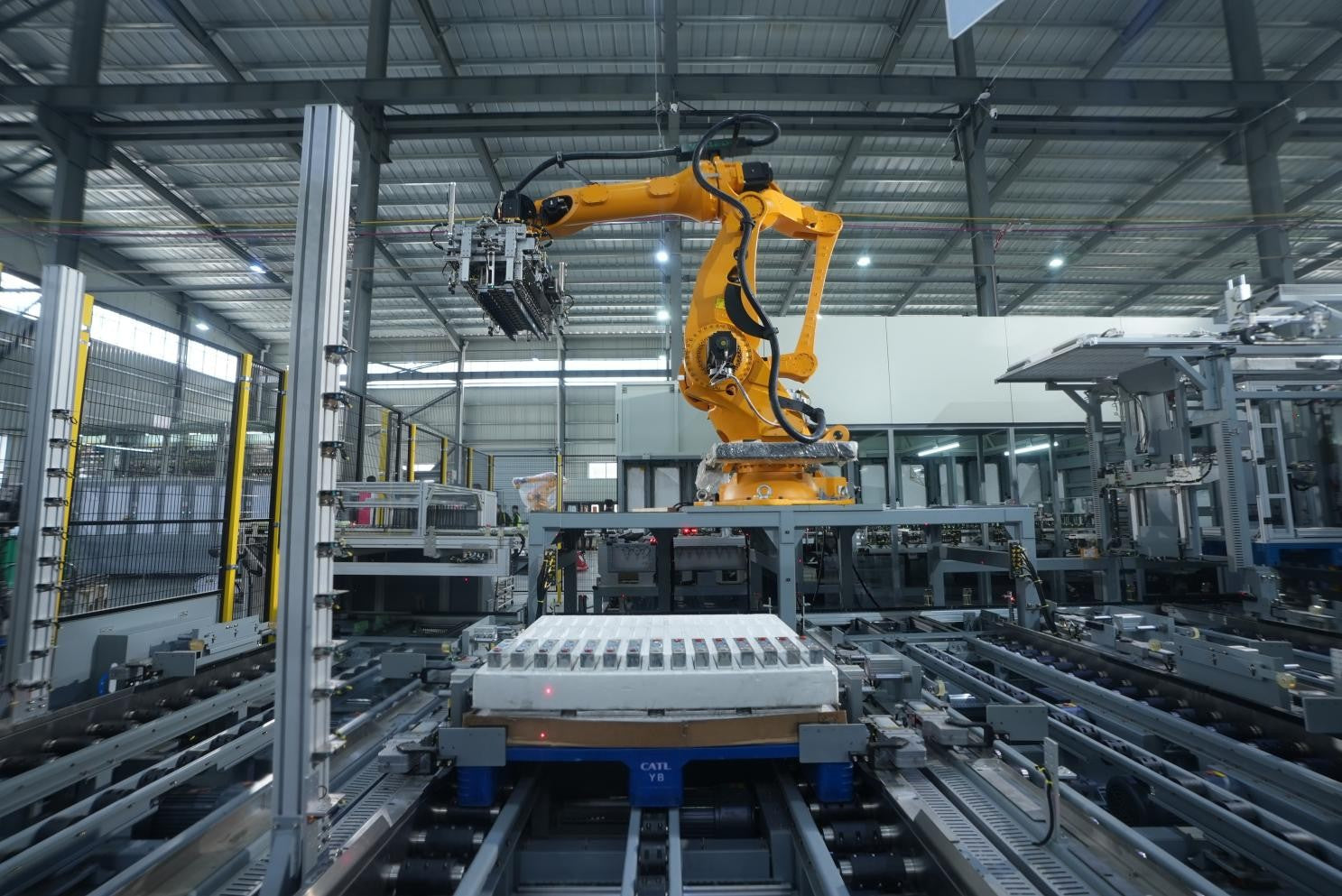
In industrial automation, the SCADA (Supervisory Control and Data Acquisition) system acts as the bridge between raw machine data and actionable human intelligence. Selecting the incorrect software platform can lead to integration bottlenecks, scalability issues, and excessive long-term maintenance costs. As an automation consultant with 15 years of experience, I have guided many projects through the selection process. Below are the essential criteria for choosing a platform that ensures both performance and longevity.

Ensuring Operational Continuity: The Strategic Value of Redundant Automation Systems
In modern industrial landscapes, unplanned downtime is the ultimate adversary. For sectors relying on complex PLC and DCS architectures, a single hardware failure can trigger catastrophic production losses. Therefore, implementing redundant automation systems is no longer a luxury; it is a fundamental requirement for mission-critical operations. In this article, I analyze why redundancy remains the backbone of reliable industrial infrastructure.

Selecting the Right Cables for Industrial Automation: A Comprehensive Guide
Selecting the appropriate cabling infrastructure is critical for the success of any industrial automation project. Improper cable selection often leads to signal degradation, system instability, and costly downtime. As an automation engineer, I frequently see projects compromised by poor cabling choices in harsh industrial environments. This guide simplifies the complex landscape of cabling to help you make informed decisions for your PLC, DCS, and control systems.