










Product Details
Product Overview
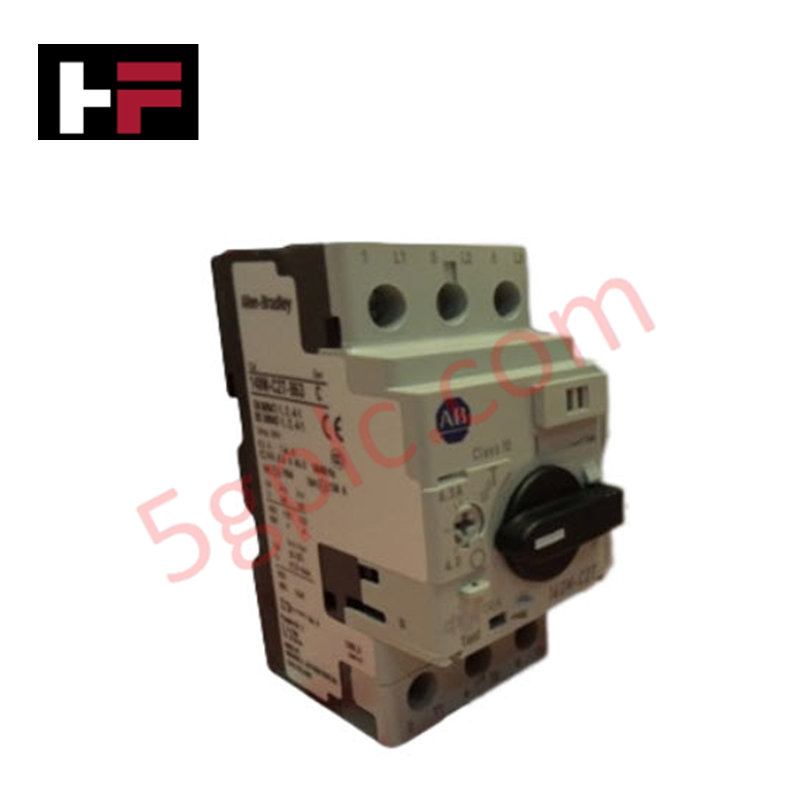
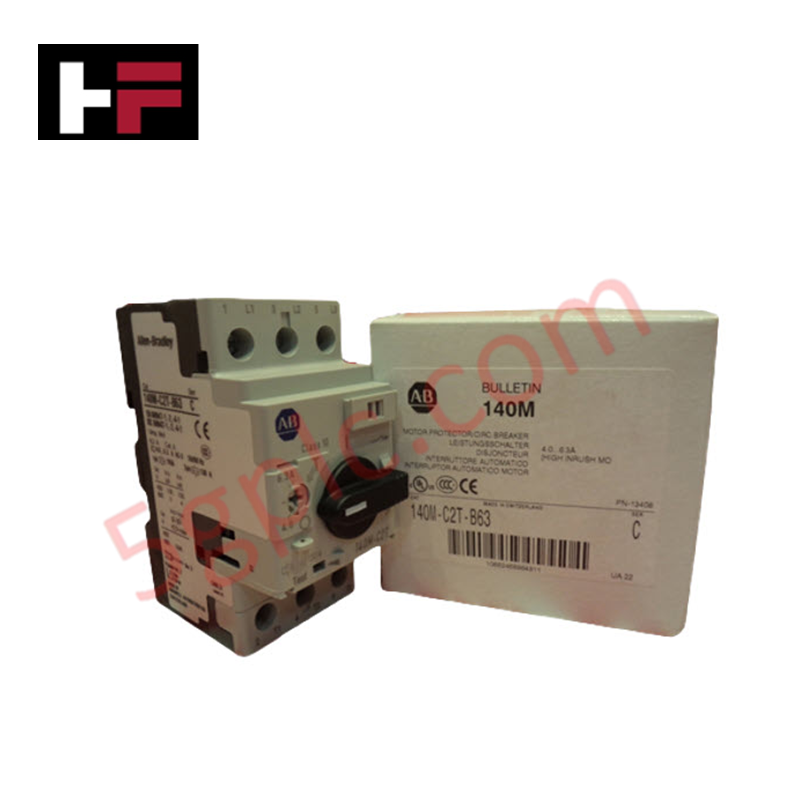
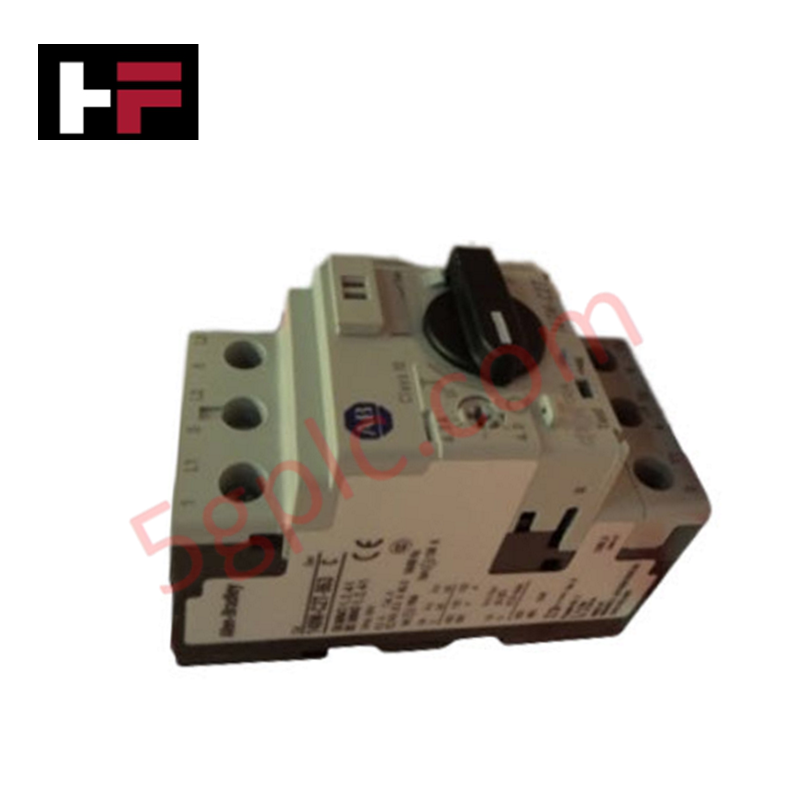
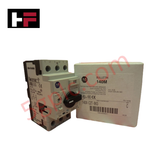
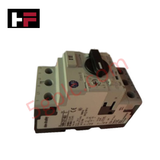
The Allen-Bradley 140M-C2T-B63 acts as a specialized, Frame C Motor Protection Circuit Breaker (MPCB) within the Bulletin 140M family. This molded case hardware component provides localized, downstream isolation and defense for single-phase or three-phase industrial motors against damaging overloads and high-current short circuits.
While the original manufacturer has discontinued this specific series, we supply this essential component strictly as a 100% brand new, original factory-sealed unit. This ensures clean, unpitted physical contacts and intact factory calibration for plant operators seeking direct, drop-in replacements for obsolete control loops.
Technical Specifications
The table below maps out the precise trip ratings, frame classification, and physical profile of this motor protector:
| Parameter | Performance & Structural Specifications |
| Manufacturer | Allen-Bradley / Rockwell Automation |
| Part Number | 140M-C2T-B63 |
| Product Line / Series | Bulletin 140M Motor Protectors |
| Product Type | Molded Case Motor Protection Circuit Breaker |
| Frame Dimensions Class | Frame C Size |
| Maximum Frame Rating | 32 Amperes |
| Thermal Current Adjustment Range | 4.0 to 6.3 Amperes |
| Trip Mechanism Technology | Adjustable Thermal / Fixed Magnetic |
| Interruption Capacity Profile | Normal Break |
| Net Weight | 0.64 lbs (0.29 kg) |
Engineering Advantages
-
Combines Dual Protection in One Housing: The integrated thermal-magnetic architecture combines two vital safety behaviors. The adjustable bi-metal strip tracks winding heat to deflect during persistent low-level overloads, while the fixed magnetic coil triggers instantaneous tripping during high-current phase-to-phase shorts, saving valuable DIN rail space.
-
Allows Precision Overcurrent Tuning: An integrated front-facing dial adjusts the thermal trip threshold between 4.0 A and 6.3 A. Engineers calibrate this dial to mirror the exact Full Load Amps (FLA) printed on the target motor's nameplate, preventing nuisance trips during startup while providing tight thermal boundaries under full factory load.
-
Simplifies Legacy Panel Drop-In Upgrades: The standard Frame C layout mounts directly onto 35mm top-hat DIN rails or pairs with legacy 140M line-side terminal adaptors. This eliminates the need to re-drill backplanes, modify copper bus bars, or alter existing motor starter wiring schemes when substituting a damaged old-generation breaker.
FAQs
-
Can I use this discontinued 140M-C2T-B63 breaker to replace newer Allen-Bradley 140G or 140MT models?
This brand new 140M-C2T-B63 serves as a direct drop-in replacement for existing Bulletin 140M control arrays. Newer 140MT series lines feature updated spacing and terminal positions. To avoid modifying your existing bus bars or supply spacers, stick with this original 140M unit if your cabinet uses legacy Frame C spacing.
-
What are the proper wire preparation steps to ensure reliable power connections at the terminals?
Strip your motor power wires to the factory-specified length, avoiding nicked strands. Insert the bare copper fully into the pressure box terminals, ensuring no insulation gets trapped beneath the clamp screw. Torque the terminal screws to the recommended value to prevent high-resistance micro-arcing under high motor startup current draws.
-
Does this unit protect three-phase motors against phase loss conditions?
Yes. The internal differential trip mechanism senses asymmetrical current draws. If one phase drops out completely due to an upstream fuse blow, the internal link bars unlatch the mechanism faster than a standard single-phase overload block, separating the contacts before unbalanced currents overheat the motor windings.
Additional Information
- 100% Genuine Parts: All products are original and authentic, ensuring reliable industrial performance.
- 30-Day Refund Guarantee: Return any in-stock item within 30 days in original, unopened packaging for a full refund (excluding shipping and fees).
- 12-Month Warranty: Covers defects in materials or workmanship; excludes misuse, normal wear, or unauthorized modifications.
- Worldwide Shipping: We ship via USPS, UPS, FedEx, and DHL. Delivery times vary by country and may be subject to customs or import fees.
- Support & Contact: Technical and warranty assistance is available anytime. Contact us here: Contact.
- Purchase Guidance: Check product specifications and compatibility carefully before ordering to ensure proper application.
Tech & Buying Guide

Understanding Marshalling Cabinets in Industrial Control Systems Architecture
Industrial control system deployments rely on structured signal distribution to bridge field instrumentation with central processing hardware. A marshalling cabinet serves as the vital intermediate connection point between heavy field home-run multi-pair cables and delicate input/output (I/O) modules housed inside Programmable Logic Controller (PLC) or Distributed Control System (DCS) enclosures. By segregating field cable terminations from control hardware, engineers maintain system flexibility, safeguard controller components, and streamline commissioning workflows.

FAT vs SAT in Industrial Control Systems: Key Differences and Execution Guide
Industrial control system deployment relies on strict verification protocols to guarantee operational safety, system stability, and regulatory compliance. Commissioning complex Programmable Logic Controller (PLC) racks, Distributed Control Systems (DCS), and Safety Instrumented Systems (SIS) requires two critical milestones: the Factory Acceptance Test (FAT) and the Site Acceptance Test (SAT). Both procedures validate that system automation meets design specifications, but they occur at different stages of project execution and target distinct operational risks.

Hub vs Switch vs Router in Industrial Automation Architecture
Modern factory automation relies on reliable industrial networking infrastructure to exchange real-time field data across operational technology systems. Engineers often encounter networking hardware like hubs, switches, and routers when integrating Programmable Logic Controllers, Distributed Control Systems, and SCADA monitoring nodes. Although these devices share physical ports, they operate at different layers of the Open Systems Interconnection reference model and deliver distinct traffic management capabilities.