












Product Details
Product Overview
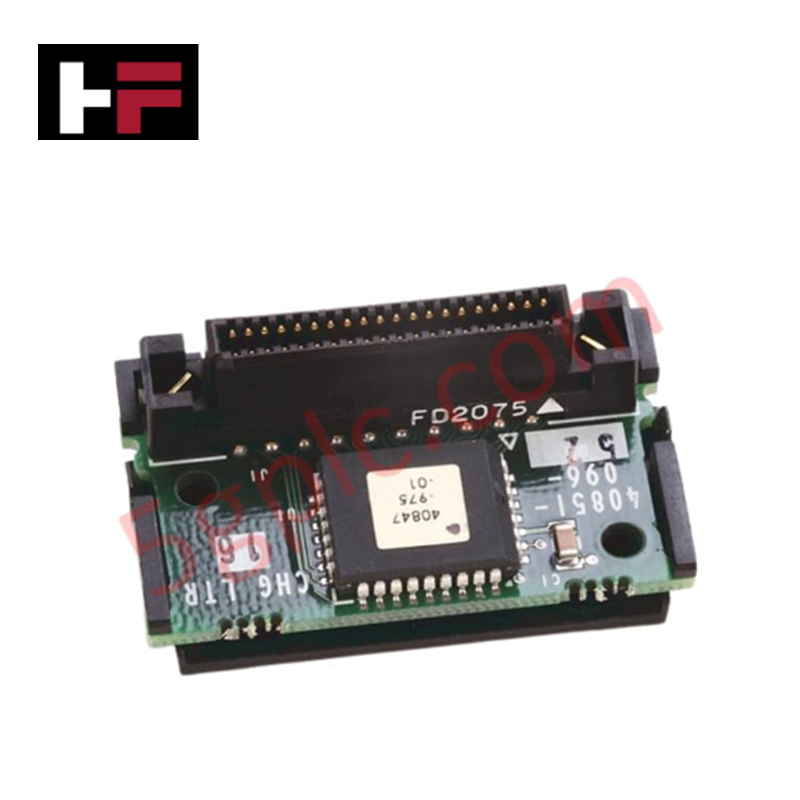
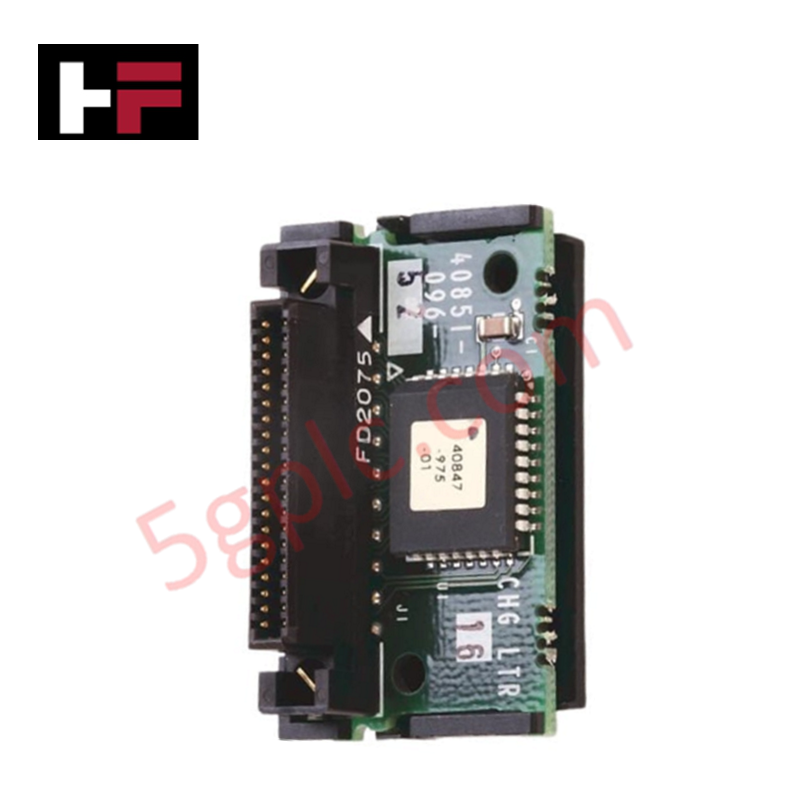
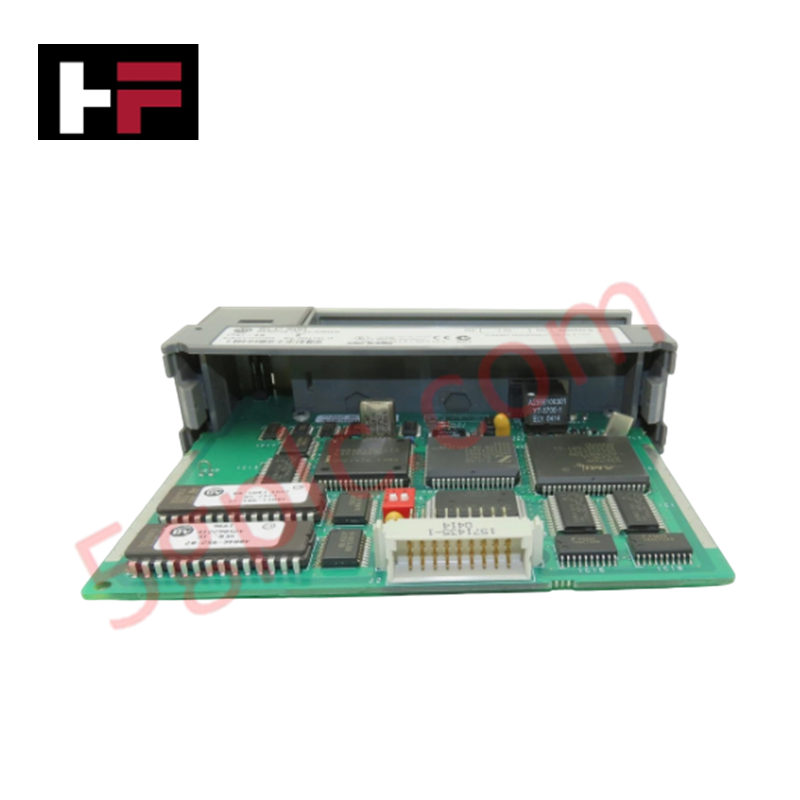
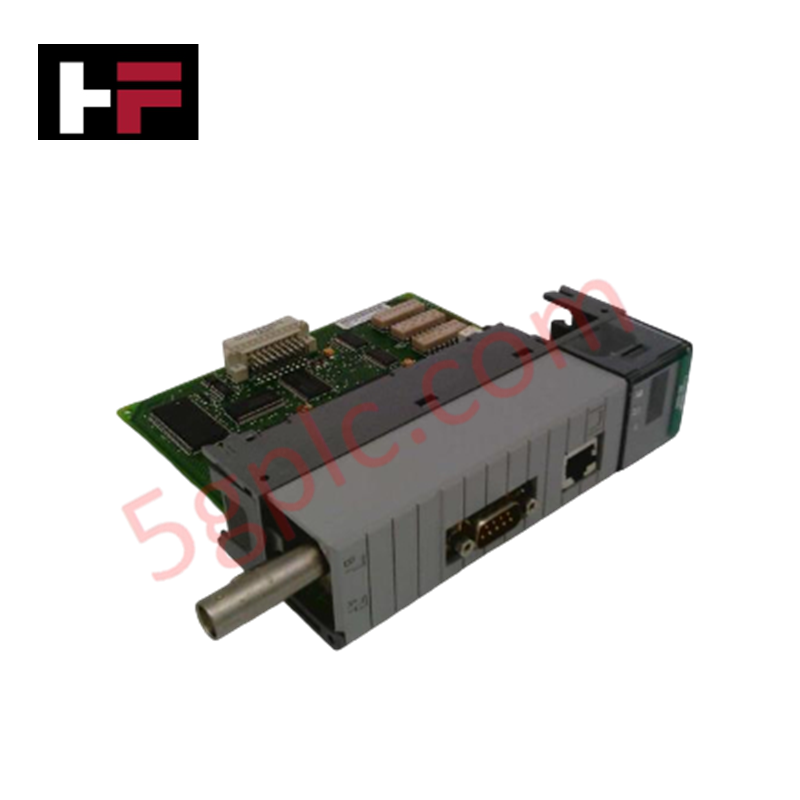
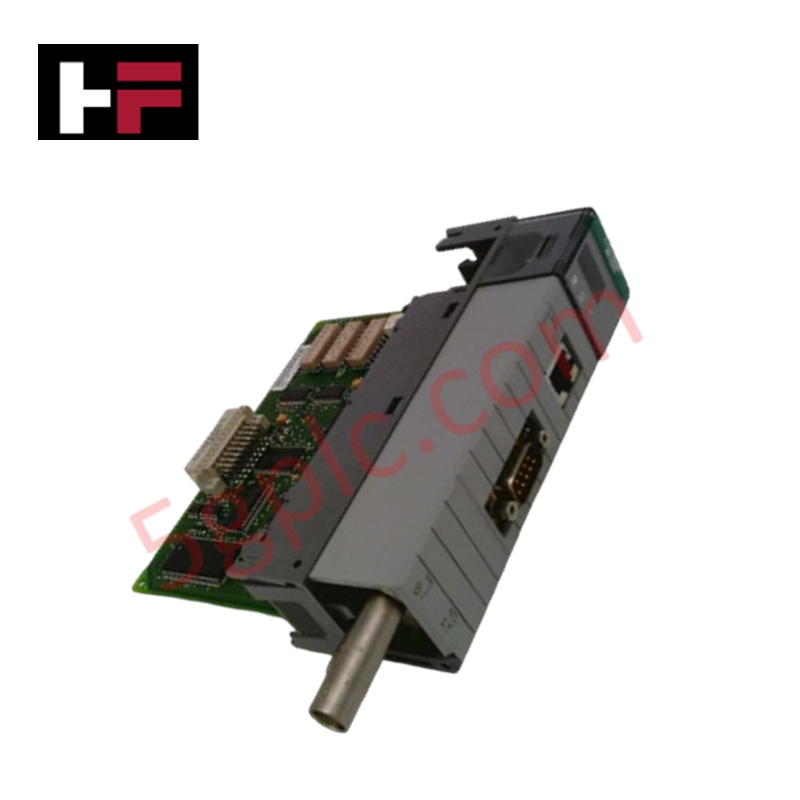
The Allen Bradley 1747-M13 serves as a specialized non-volatile storage solution for the SLC 500 controller platform. This 64 KB EEPROM (Electrically Erasable Programmable Read-Only Memory) module provides a permanent backup for user programs and data tables. It prevents costly downtime by ensuring the PLC retains its logic during extended power outages or battery failures. We supply this unit as 100% Brand New original factory stock, offering a vital lifeline for maintaining legacy SLC systems that require authentic, high-reliability components.
Technical Specifications
| Feature | Specification Details |
| Manufacturer | Allen Bradley / Rockwell Automation |
| Product Line | SLC 500 |
| Memory Type | EEPROM (Non-volatile) |
| Memory Capacity | 64 KB |
| Program Scan Time | 0.9 ms |
| I/O Scan Time | 0.225 ms |
| Operating Temperature | 0 to 60 °C (32 to 140 °F) |
| Weight | 1.10 lbs (0.50 kg) |
| Module Category | Add-On PC Board |
Engineering Advantages
-
Permanent Logic Safeguard: The 1747-M13 stores the entire processor memory image. In the event of a system-wide power failure or RAM corruption, the processor automatically reloads the program from this EEPROM module. This feature eliminates the need for manual intervention or a programming laptop to restore operations.
-
Rapid System Restoration: The module supports an "Auto-Load on Power-Up" configuration. When an SLC 500 processor detects a memory error, it pulls the verified 64 KB backup from the 1747-M13 in milliseconds, maintaining a 0.9 ms program scan time and restoring production immediately.
-
Seamless Hardware Integration: The module attaches directly to the SLC 500 processor’s internal socket. This board-level installation keeps the module protected within the processor housing, shielding it from electromagnetic interference (EMI) and physical vibration common in high-density rack environments.
-
Reliable Data Retention: Unlike standard RAM which depends on a lithium battery, the 1747-M13 uses EEPROM technology to hold data indefinitely without an external power source. This provides a long-term storage solution for remote or unmanned stations where regular battery maintenance is impractical.
FAQs
-
How do I transfer the program from the processor to the 1747-M13?
You must use RSLogix 500 software to initiate a "Burn to EEPROM" command. This process copies the current active program in the processor's RAM into the non-volatile cells of the M13 module.
-
Is the 1747-M13 compatible with all SLC 500 processors?
The 1747-M13 specifically fits processors with the internal memory module socket, such as the SLC 5/03, 5/04, and 5/05. Always check your specific processor's memory capacity to ensure the 64 KB limit accommodates your entire ladder logic and data table.
-
Does this module require a battery?
No. The 1747-M13 utilizes EEPROM technology, which does not require a battery to retain its data. It acts as the secondary backup precisely for when the primary processor battery fails.
-
What is the condition of this discontinued part?
Although the manufacturer has moved this model to "Discontinued" status, our stock is 100% Brand New. These are factory-original units that have never been used, ensuring the memory cells have zero wear and 100% of their intended service life remaining.
Additional Information
- 100% Genuine Parts: All products are original and authentic, ensuring reliable industrial performance.
- 30-Day Refund Guarantee: Return any in-stock item within 30 days in original, unopened packaging for a full refund (excluding shipping and fees).
- 12-Month Warranty: Covers defects in materials or workmanship; excludes misuse, normal wear, or unauthorized modifications.
- Worldwide Shipping: We ship via USPS, UPS, FedEx, and DHL. Delivery times vary by country and may be subject to customs or import fees.
- Support & Contact: Technical and warranty assistance is available anytime. Contact us here: Contact.
- Purchase Guidance: Check product specifications and compatibility carefully before ordering to ensure proper application.
Tech & Buying Guide

Why Programmable Logic Controllers Drop into Stop Mode: An Expert Analysis
Industrial automation systems rely heavily on Programmable Logic Controllers (PLCs) to maintain uninterrupted production. When a PLC unexpectedly shifts from Run to Stop mode, whole manufacturing lines stall.
As control systems evolve across modern factory automation, understanding the root causes of these interruptions helps engineers minimize costly downtime. This technical guide breaks down why PLCs trip into Stop mode and provides practical strategies to mitigate system faults.

Understanding Root Causes of Unplanned PLC Stop Mode in Industrial Automation
Modern Programmable Logic Controllers manage execution through distinct operational states: Run, Stop, Start-Up, and Hold. During power-up, a controller initializes memory registers within Stop mode before briefly transitioning to Start-Up mode. During this phase, internal self-diagnostics evaluate system integrity across hardware and user programs. If the controller detects no critical faults, it enters Run mode to execute the control program continuously. However, any severe system anomaly forces the CPU back into Stop mode immediately to prevent erratic machine behavior across the plant floor.

Human-Machine Interface Design: Essential Guide to HMI Selection, Visualization, and Control System Integration
Human-Machine Interfaces (HMIs) serve as the primary operational window into complex industrial automation systems. Modern HMIs convert raw machine data into clear graphical displays, enabling operators to oversee entire manufacturing processes in real time. Instead of relying on physical control panels full of hardwired switches, engineers program interactive screens using intuitive graphics, dynamic color coding, and responsive touch interfaces. Over my 15 years in control systems engineering, I have observed HMIs transform from basic display screens into sophisticated command centers that drive operational efficiency across DCS and PLC environments.