












Product Details
Product Overview
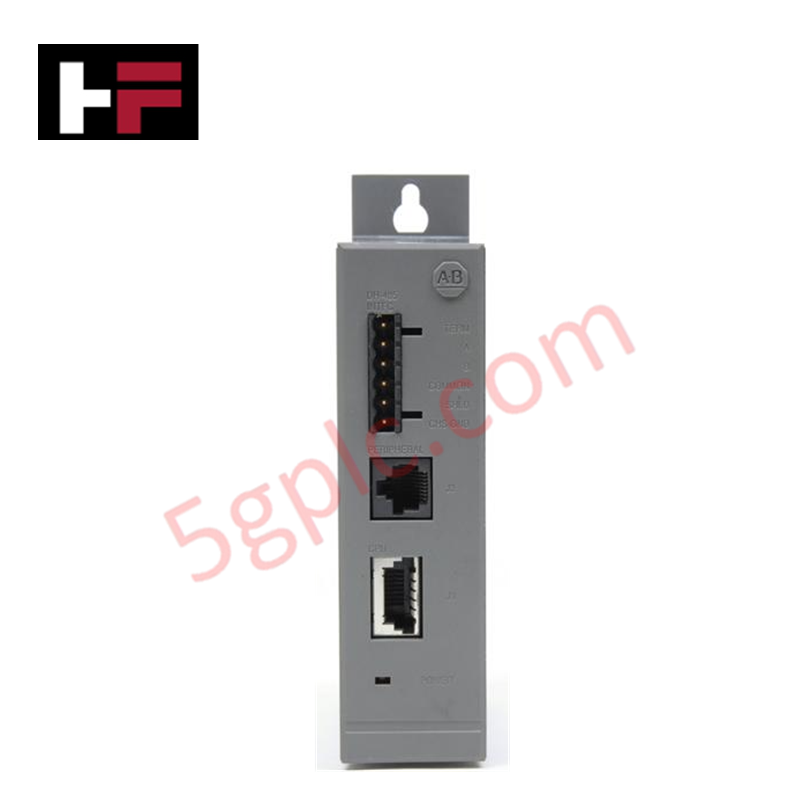
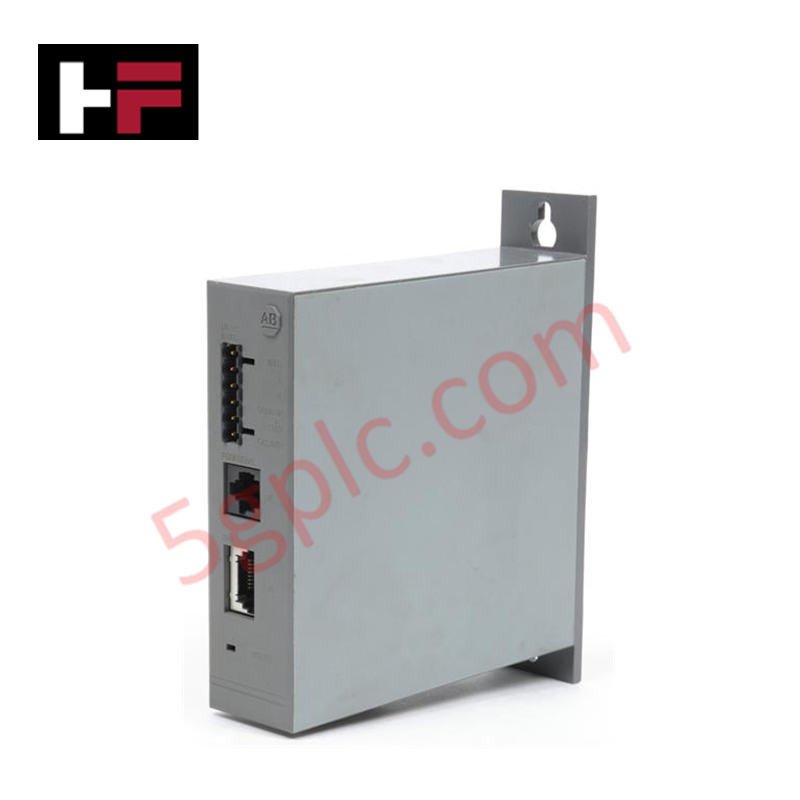
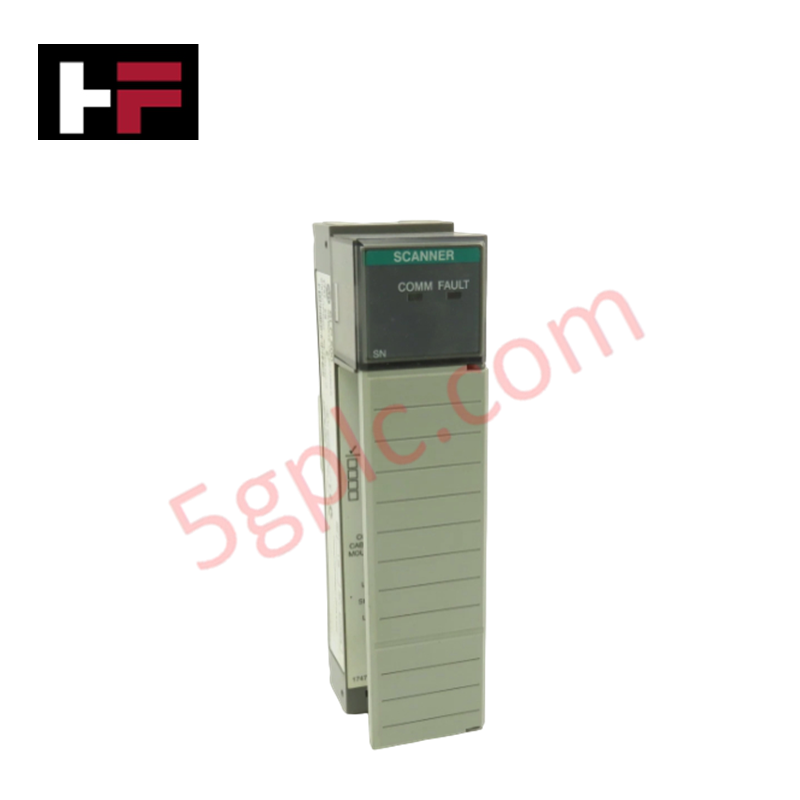
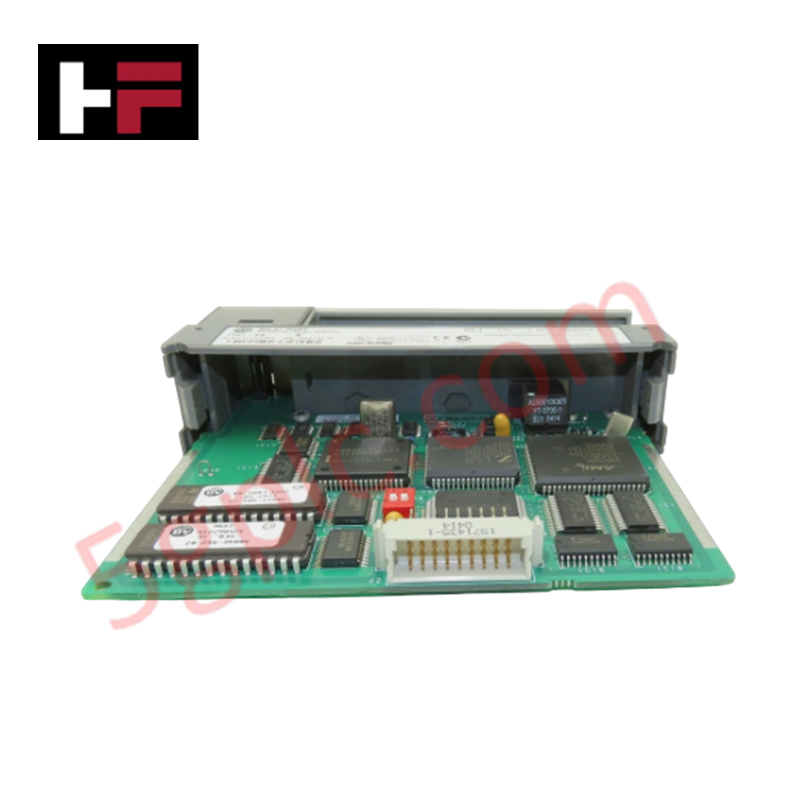
The Allen Bradley 1747-AIC serves as the primary network interface for connecting SLC 500 processors and peripheral devices to a DH-485 network. This isolated link coupler provides a critical physical layer connection, ensuring stable data transmission between controllers, HMIs, and programming terminals. We supply this unit as 100% Brand New original hardware, delivering the electrical isolation necessary to protect your automation assets from ground loops and industrial noise.
Technical Specifications
The 1747-AIC features specialized circuitry designed to maintain signal integrity across extended DH-485 cable runs.
| Feature | Specification |
| Manufacturer | Allen Bradley (Rockwell Automation) |
| Product Type | Isolated Link Coupler |
| Network Support | DH-485 (Full-Duplex & Half-Duplex) |
| Isolation Voltage | 1500V DC (Cable to Device) |
| Terminal Block | 6-Position Removable Terminal Block |
| Operating Temperature | 0 to 60°C (32 to 140°F) |
| Relative Humidity | 5% to 95% (Non-condensing) |
| Weight | 0.69 lbs (0.31 kg) |
| Compatible Hardware | SLC 500, 1747-PIC, 1747-DTAM-E |
Engineering Advantages
-
1500V DC Electrical Isolation: The 1747-AIC incorporates a robust isolation barrier that withstands up to 1500V DC. This protects the SLC 500 processor from transient voltages and ground potential differences that often occur in large-scale plant networks spanning long distances.
-
Versatile Network Topology: This coupler supports both full-duplex and half-duplex DH-485 configurations. It enables seamless communication between the controller and a variety of peripherals, including 1747-PIC interface converters and 1747-DTAM-E modules, without requiring external power for the link signals.
-
Simplified Field Wiring: The 6-position removable terminal block allows for rapid wiring and maintenance. Technicians can pre-wire the network trunk and simply plug the block into the coupler, reducing the risk of wiring errors and minimizing downtime during system expansions.
-
Industrial Grade Durability: Designed for high-temperature environments, the 1747-AIC operates reliably up to 140°F (60°C). Its compact, lightweight design fits easily into crowded control cabinets while maintaining the physical rigidity needed for vibration-prone industrial settings.
FAQs
-
When do I need to use a 1747-AIC instead of a direct cable connection?
You must use the 1747-AIC whenever you connect an SLC 5/01, 5/02, or 5/03 to a DH-485 network trunk. The coupler provides the necessary 1500V isolation that standard cables lack, preventing ground loops from damaging the CPU’s communication port.
-
Does the 1747-AIC require an external power source?
The 1747-AIC typically draws power from the SLC 500 processor or the peripheral device connected via the communication cable. If you are using the coupler as a standalone repeater or with certain non-powered devices, you may need to provide an external 24V DC source to the link side.
-
Can I use this coupler with 1747-PIC Personal Interface Converters?
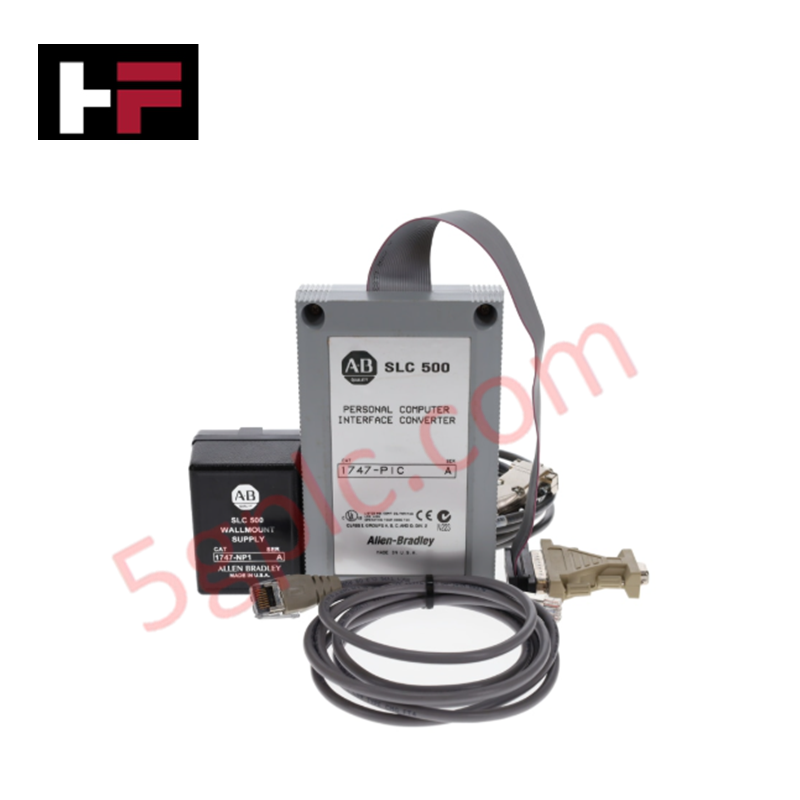
Yes. The 1747-AIC fully supports the 1747-PIC. This allows you to connect a PC for programming or monitoring while maintaining the isolation barrier between the computer and the industrial network.
-
What is the maximum distance supported by the 1747-AIC?
In a standard DH-485 network using the 1747-AIC, the total trunk length can reach up to 4,000 feet (1,219 meters). Ensure you use high-quality shielded twisted-pair cable to maintain signal quality at these maximum distances.
Additional Information
- 100% Genuine Parts: All products are original and authentic, ensuring reliable industrial performance.
- 30-Day Refund Guarantee: Return any in-stock item within 30 days in original, unopened packaging for a full refund (excluding shipping and fees).
- 12-Month Warranty: Covers defects in materials or workmanship; excludes misuse, normal wear, or unauthorized modifications.
- Worldwide Shipping: We ship via USPS, UPS, FedEx, and DHL. Delivery times vary by country and may be subject to customs or import fees.
- Support & Contact: Technical and warranty assistance is available anytime. Contact us here: Contact.
- Purchase Guidance: Check product specifications and compatibility carefully before ordering to ensure proper application.
Tech & Buying Guide

Why Programmable Logic Controllers Drop into Stop Mode: An Expert Analysis
Industrial automation systems rely heavily on Programmable Logic Controllers (PLCs) to maintain uninterrupted production. When a PLC unexpectedly shifts from Run to Stop mode, whole manufacturing lines stall.
As control systems evolve across modern factory automation, understanding the root causes of these interruptions helps engineers minimize costly downtime. This technical guide breaks down why PLCs trip into Stop mode and provides practical strategies to mitigate system faults.

Understanding Root Causes of Unplanned PLC Stop Mode in Industrial Automation
Modern Programmable Logic Controllers manage execution through distinct operational states: Run, Stop, Start-Up, and Hold. During power-up, a controller initializes memory registers within Stop mode before briefly transitioning to Start-Up mode. During this phase, internal self-diagnostics evaluate system integrity across hardware and user programs. If the controller detects no critical faults, it enters Run mode to execute the control program continuously. However, any severe system anomaly forces the CPU back into Stop mode immediately to prevent erratic machine behavior across the plant floor.

Human-Machine Interface Design: Essential Guide to HMI Selection, Visualization, and Control System Integration
Human-Machine Interfaces (HMIs) serve as the primary operational window into complex industrial automation systems. Modern HMIs convert raw machine data into clear graphical displays, enabling operators to oversee entire manufacturing processes in real time. Instead of relying on physical control panels full of hardwired switches, engineers program interactive screens using intuitive graphics, dynamic color coding, and responsive touch interfaces. Over my 15 years in control systems engineering, I have observed HMIs transform from basic display screens into sophisticated command centers that drive operational efficiency across DCS and PLC environments.