












Product Details
Overview
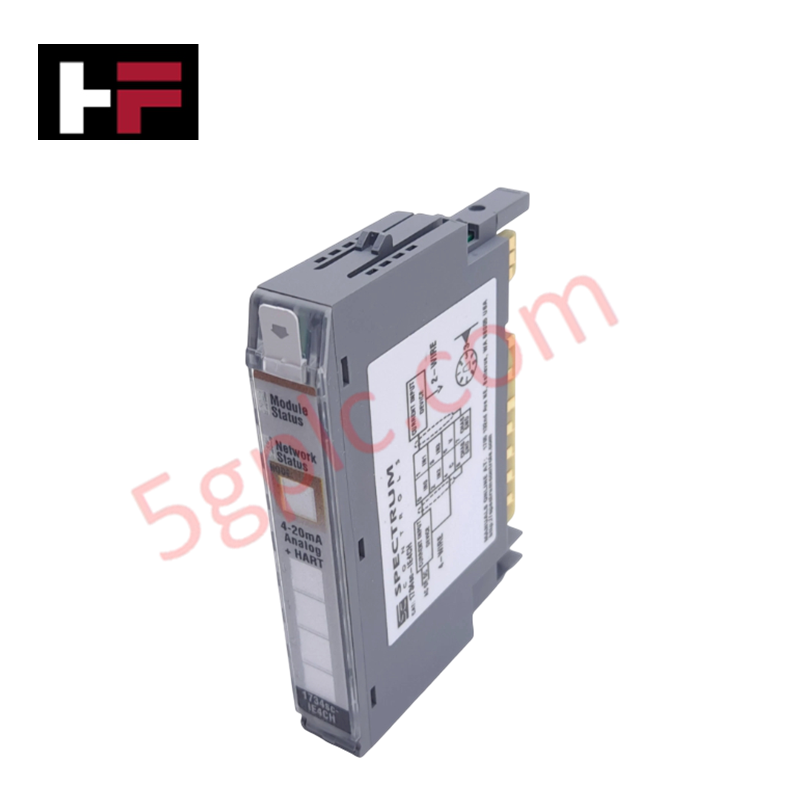
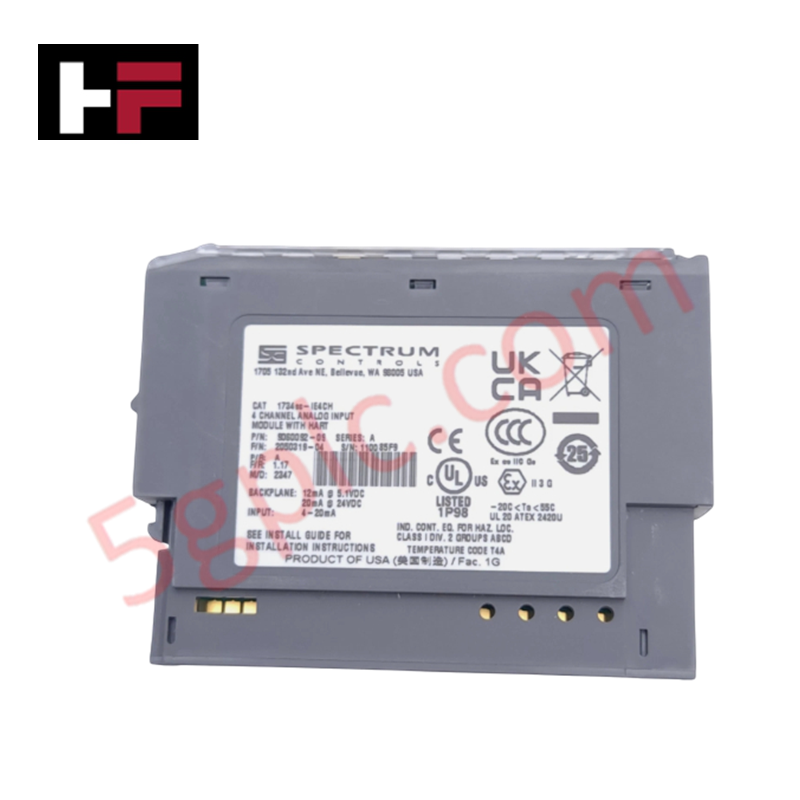
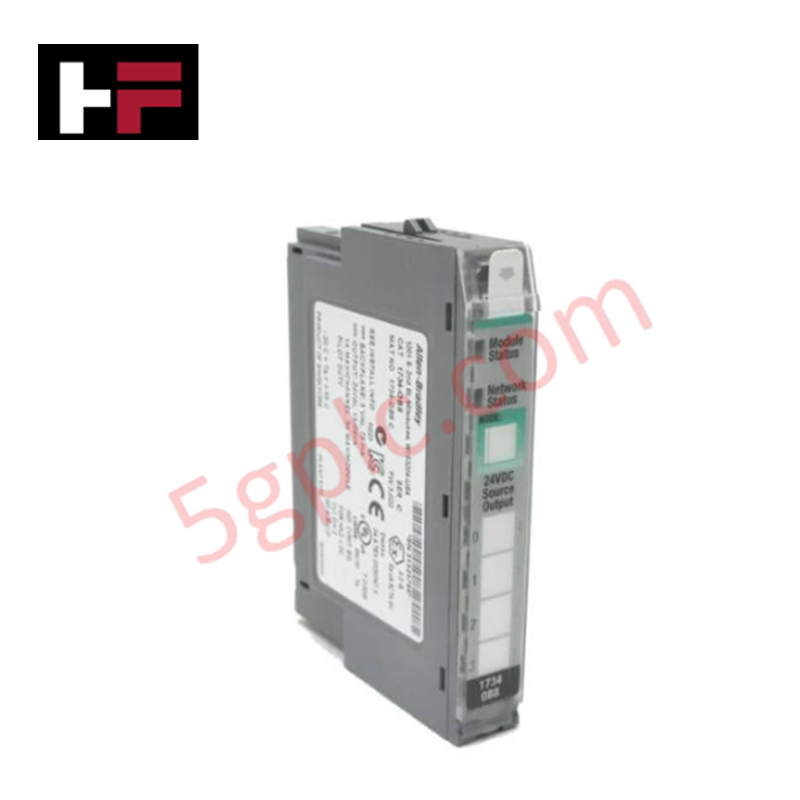
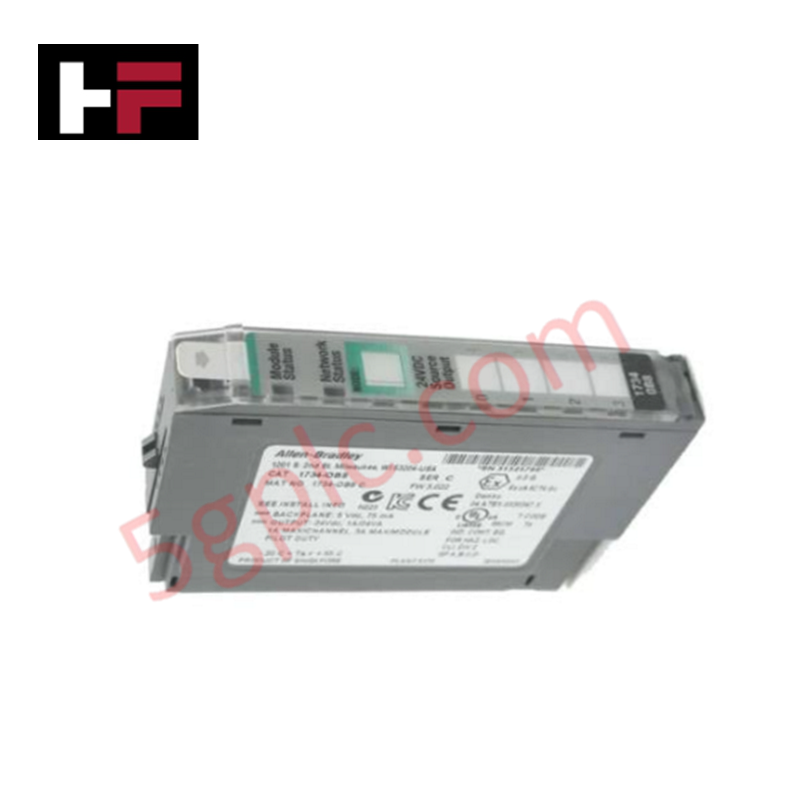
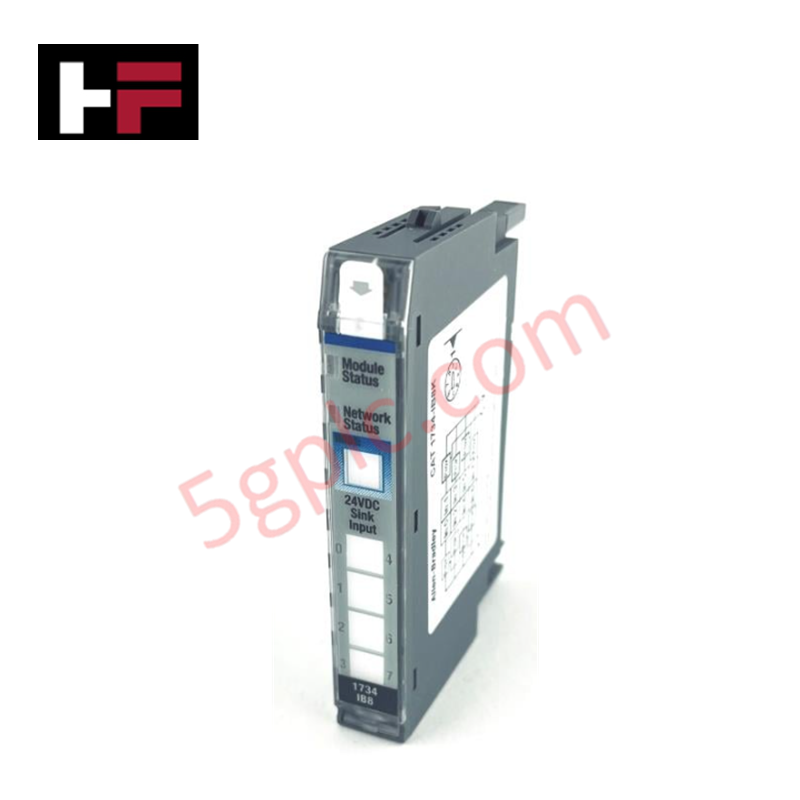
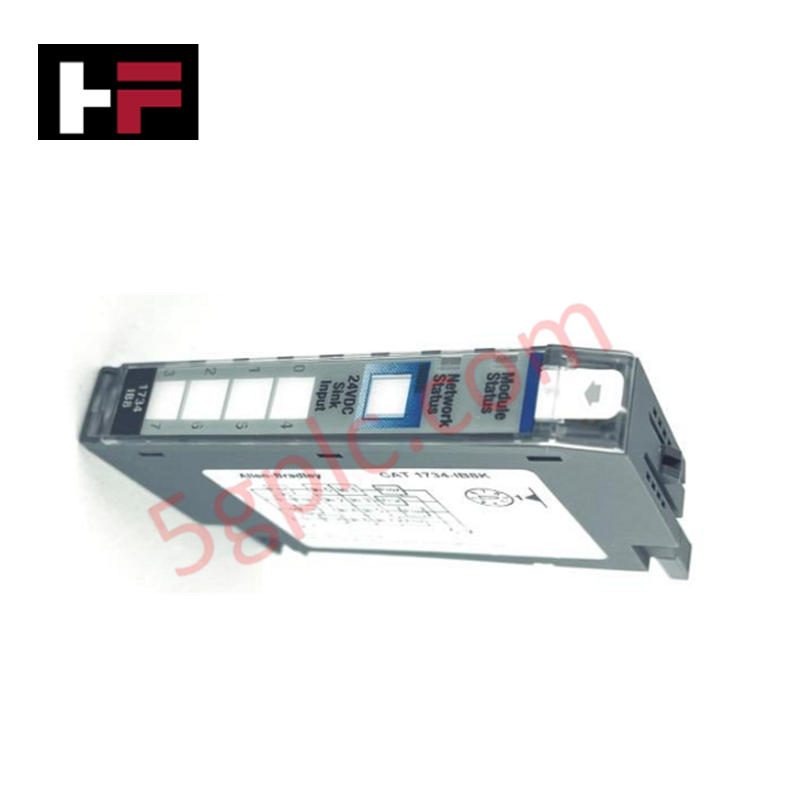
The 1734-IE8C is a high-density analog input module designed for the Allen-Bradley POINT I/O system, providing eight single-ended channels for precise current sensing. This module is an ideal solution for industrial applications requiring a compact footprint without sacrificing channel density. It efficiently converts analog signals from field devices—such as pressure transmitters, flow meters, and temperature sensors—into digital data for processing by Logix-based controllers. The 1734-IE8C supports both 0–20 mA and 4–20 mA input ranges, allowing for versatile integration across various process control environments.
Technical Specifications
-
Manufacturer: Allen-Bradley / Rockwell Automation
-
Product Series: POINT I/O
-
Model Number: 1734-IE8C
-
Input Quantity: 8 Channels (Single-ended, Non-isolated)
-
Input Signal Range: 0 to 20 mA or 4 to 20 mA
-
Resolution: 16-bit (0 to 21 mA corresponds to 0–32767 counts)
-
POINTBus Current: 75 mA maximum @ 5V DC
-
Power Dissipation: 0.6 Watts @ 28.8V DC maximum
-
Thermal Dissipation: 2.0 BTU/hr @ 28.8V DC maximum
-
Isolation Voltage: 50V (Continuous), tested at 1500V AC for 60 seconds (Field-to-System)
-
Input Impedance: 50 Ohms
-
Keyswitch Position: 3
-
Terminal Base Requirement: Compatible with 1734-TB, 1734-TBS, 1734-TOP, or 1734-TOPS
-
Environmental Rating: Open-style enclosure
-
Physical Dimensions: 75.5mm x 12mm x 56mm
-
Unit Weight: 0.04 kg (0.088 lbs)
Installation and System Integration
The 1734-IE8C module snaps easily into the POINT I/O terminal base, utilizing a sliding mechanism for secure attachment to adjacent modules. The high-density 8-channel design significantly reduces the required DIN rail space compared to standard 2 or 4-channel modules. It is essential to ensure that the terminal base is correctly wired, as there is no isolation between individual input channels. For applications in high-vibration environments, the 1734-TBS (spring clamp) base is recommended to maintain electrical contact integrity.
Frequently Asked Questions
Does the 1734-IE8C support HART protocol pass-through?No, the 1734-IE8C is a standard analog current input module. If HART communication is required for instrument diagnostics, the 1734-IE8CH (HART-enabled version) should be used instead.
Can I mix 0–20mA and 4–20mA sensors on the same module?Yes, the input range is software-configurable via Studio 5000 or RSLogix 5000. You can define the specific current range for each channel according to the connected field device requirements.
What is the significance of the Keyswitch Position 3?The keyswitch on the terminal base must be set to position 3 before inserting the 1734-IE8C. This mechanical interlock prevents the accidental insertion of a different module type into a base wired for high-density current inputs, protecting the hardware from electrical damage.
Additional Information
- 100% Genuine Parts: All products are original and authentic, ensuring reliable industrial performance.
- 30-Day Refund Guarantee: Return any in-stock item within 30 days in original, unopened packaging for a full refund (excluding shipping and fees).
- 12-Month Warranty: Covers defects in materials or workmanship; excludes misuse, normal wear, or unauthorized modifications.
- Worldwide Shipping: We ship via USPS, UPS, FedEx, and DHL. Delivery times vary by country and may be subject to customs or import fees.
- Support & Contact: Technical and warranty assistance is available anytime. Contact us here: Contact.
- Purchase Guidance: Check product specifications and compatibility carefully before ordering to ensure proper application.


Tech & Buying Guide

Hub vs Switch vs Router in Industrial Automation Architecture
Modern factory automation relies on reliable industrial networking infrastructure to exchange real-time field data across operational technology systems. Engineers often encounter networking hardware like hubs, switches, and routers when integrating Programmable Logic Controllers, Distributed Control Systems, and SCADA monitoring nodes. Although these devices share physical ports, they operate at different layers of the Open Systems Interconnection reference model and deliver distinct traffic management capabilities.

Marshalling Cabinet Preventive Maintenance: Essential Healthiness Checks for PLC, DCS, and ESD Systems
Marshalling cabinets serve as the vital interface between field instrumentation and control room electronics in modern process facilities. Regular preventive maintenance of these cabinets ensures signal integrity across programmable logic controllers (PLCs), distributed control systems (DCS), and emergency shutdown (ESD) networks. System technicians must execute structured inspection protocols to mitigate environmental risks, identify loose wiring, and maintain continuous operational readiness.

Spatial Computing in Industrial Automation: Elevating PLC and DCS Operations with AR and VR
Industry 4.0 integrates digital intelligence into field operations, transforming factory automation landscapes worldwide. Spatial technologies—specifically Augmented Reality (AR) and Virtual Reality (VR)—redefine how engineers interact with industrial control systems. By bridging computer-generated CAD models with real-time operational technology (OT) data, immersive displays enable intuitive monitoring, rapid diagnostics, and safer maintenance across complex processing facilities.