










Product Details
Module Overview
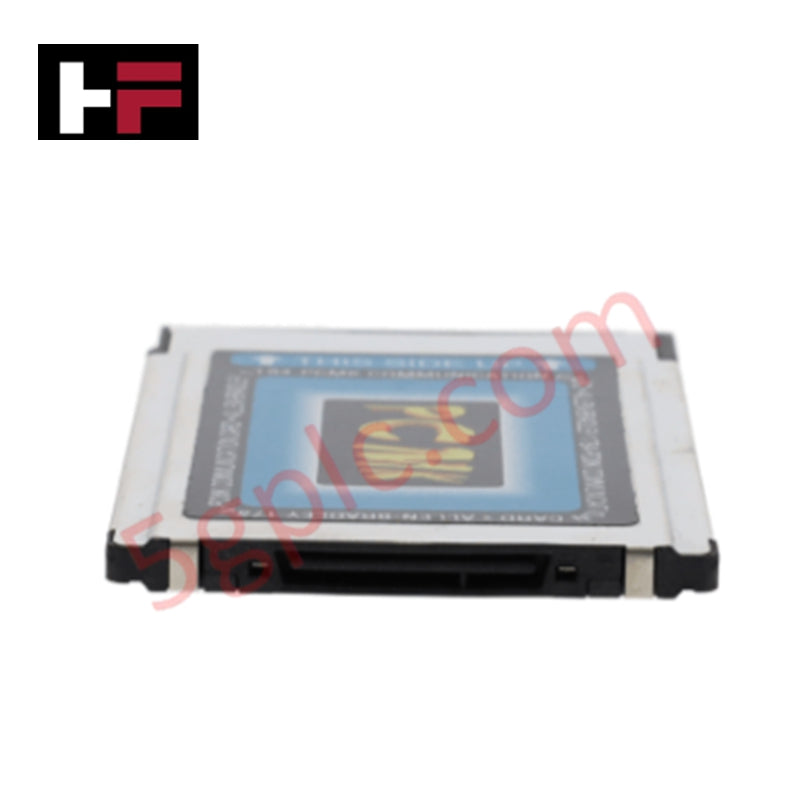
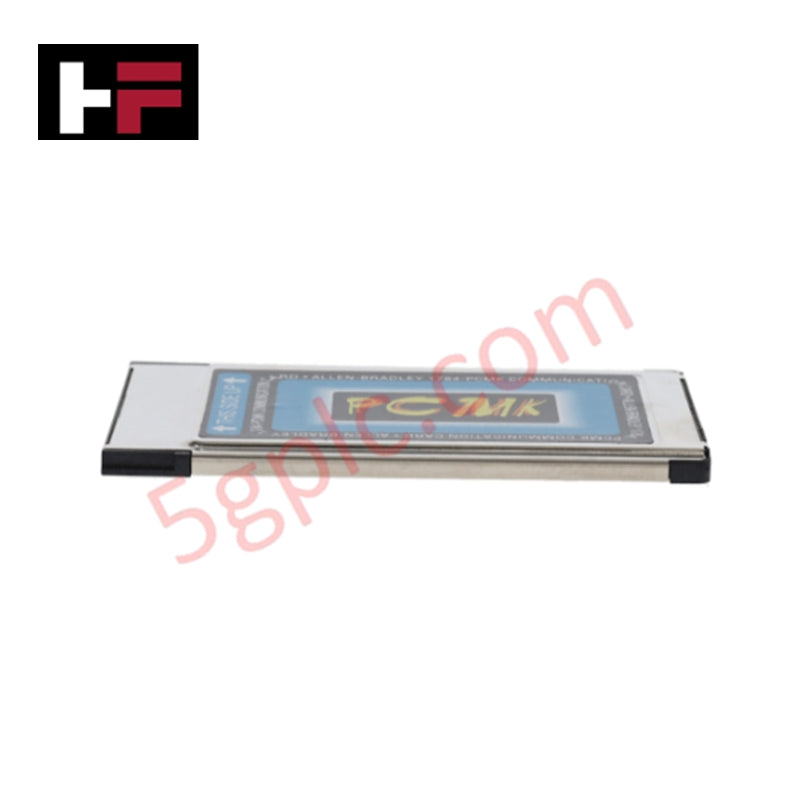
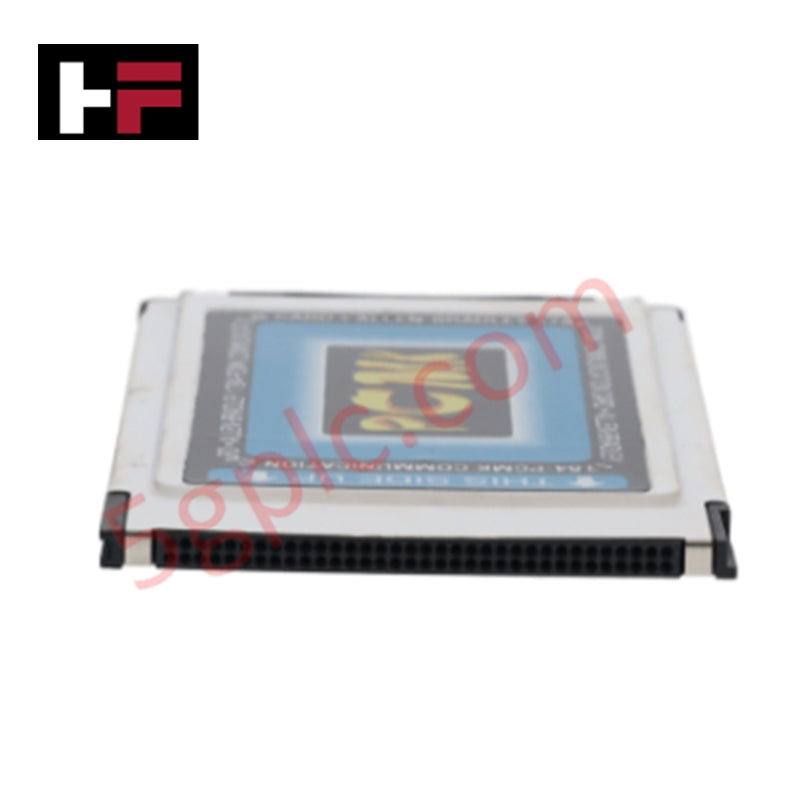
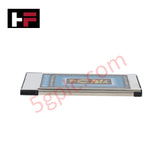
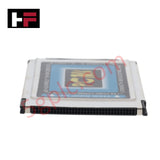
The 1784-PCMK is a high-performance, legacy communication interface card designed to link portable computers (laptops) to Allen-Bradley industrial networks. Utilizing a standard PCMCIA Type II slot, this card serves as the primary gateway for maintenance and programming of PLC-5, SLC 500, and ControlLogix systems over Data Highway Plus (DH+), DH-485, and Universal Remote I/O (RIO) networks. Although classified as a discontinued/obsolete product, the 1784-PCMK remains a vital tool for field engineers supporting established manufacturing facilities that rely on legacy Rockwell Automation networking protocols.
Detailed Engineering Specifications
The 1784-PCMK is a highly specialized networking bridge, engineered for the deterministic requirements of industrial communication.
-
Form Factor: PCMCIA Type II Card
-
Supported Networks: Data Highway Plus (DH+), DH-485, and Universal Remote I/O (RIO)
-
Baud Rates: 57.6k, 115.2k, and 230.4k bps (Network dependent)
-
Isolation Voltage: Tested to 500V DC
-
Compatible Cables: * 1784-PCM5/B (for PLC-5/SLC 500 DH+)
-
1784-PCM6/B (for SLC 500 DH-485)
-
1784-PCM2/B and 1784-PCM4/B (General purpose interface)
-
Power Consumption: 0.6 Watts (Maximum)
-
Environmental Rating: Pollution Degree 2
-
Application Rating: Overvoltage Category II
-
ESD Sensitivity: Highly Sensitive (Requires static-safe handling)
-
Physical Weight: 0.06 lbs (0.03 kg)
Network Integration and Connectivity
The 1784-PCMK operates as a peer-to-peer node on the network. When configured correctly in RSLinx Classic software, it allows a laptop to act as a programming terminal, data collector, or HMI interface. The card’s Series B designation is significant, as it introduced enhanced compatibility with Windows-based operating systems and improved noise immunity for DH+ communications.
Installation and Driver Support
To utilize the 1784-PCMK, the card must be inserted into a physical PCMCIA slot. In modern computing environments where these slots are no longer standard, users often attempt to use PCI-to-PCMCIA adapters or older "Toughbook" style laptops that retain the original hardware interface. The drivers are integrated into RSLinx Classic; however, newer 64-bit operating systems (Windows 10/11) generally do not support the legacy drivers required for the PCMK card, often necessitating a dedicated "maintenance laptop" running 32-bit Windows XP or Windows 7.
Technical FAQ
Can I use the 1784-PCMK to connect to a modern Ethernet-based ControlLogix system?
No. The 1784-PCMK is strictly for serial-based legacy networks (DH+, DH-485, RIO). To connect to modern systems, you would use a standard Ethernet port or a 1784-U2DN for DeviceNet.
What is the difference between the 1784-PCMK and the 1784-U2DHP?
The 1784-U2DHP is a modern USB-to-DH+ converter that serves as the functional successor to the PCMK. It is compatible with modern 64-bit operating systems and does not require a PCMCIA slot.
Why is my card not being recognized in RSLinx?
This is often due to an IRQ (Interrupt Request) conflict within the laptop's hardware settings. Legacy PCMCIA cards require a dedicated IRQ, which must be manually reserved in the Windows Device Manager to ensure the RSLinx driver can communicate with the card.
Additional Information
- 100% Genuine Parts: All products are original and authentic, ensuring reliable industrial performance.
- 30-Day Refund Guarantee: Return any in-stock item within 30 days in original, unopened packaging for a full refund (excluding shipping and fees).
- 12-Month Warranty: Covers defects in materials or workmanship; excludes misuse, normal wear, or unauthorized modifications.
- Worldwide Shipping: We ship via USPS, UPS, FedEx, and DHL. Delivery times vary by country and may be subject to customs or import fees.
- Support & Contact: Technical and warranty assistance is available anytime. Contact us here: Contact.
- Purchase Guidance: Check product specifications and compatibility carefully before ordering to ensure proper application.
Tech & Buying Guide
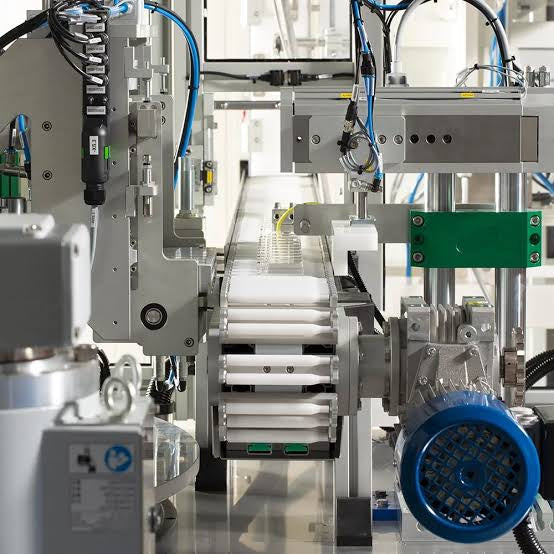
Mastering Modern Industrial Joystick Controls in Heavy Automation
Industrial joysticks play a pivotal role in human-machine interaction across heavy material handling and mobile hydraulics. These tactile controllers translate complex operator movements into precise electrical signals for PLCs, motion controllers, and DCS networks. Consequently, selecting and installing the right joystick architecture ensures operator safety, reduces fatigue, and optimizes equipment performance.
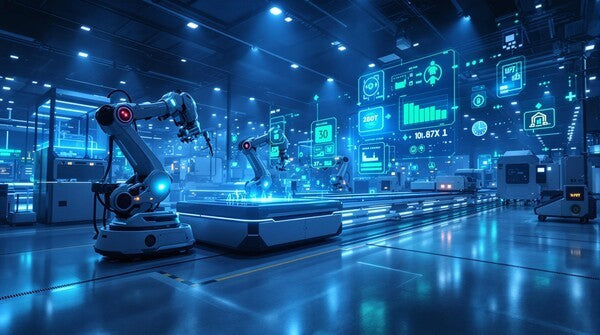
Navigating Industrial Automation Failures: Types, Causes, and Mitigation Strategies
Modern manufacturing relies heavily on automated control systems to maximize throughput and maintain product quality. However, unplanned downtime in industrial automation can cost facility operators thousands of dollars per hour. Understanding how programmable logic controllers (PLCs), distributed control systems (DCS), and field instrumentation fail empowers engineering teams to implement robust preventive maintenance strategies.
Essential Motion Control Commands: A Practical Guide for Engineers
Automation engineers often rely on precise position and speed control to drive modern factory machinery. Modern industrial systems, such as Programmable Logic Controllers (PLCs) and Distributed Control Systems (DCS), depend heavily on standardized motion instructions. Mastering these commands ensures operational safety, protects mechanical components, and optimizes cycle times across production lines.