










Product Details
Product Description
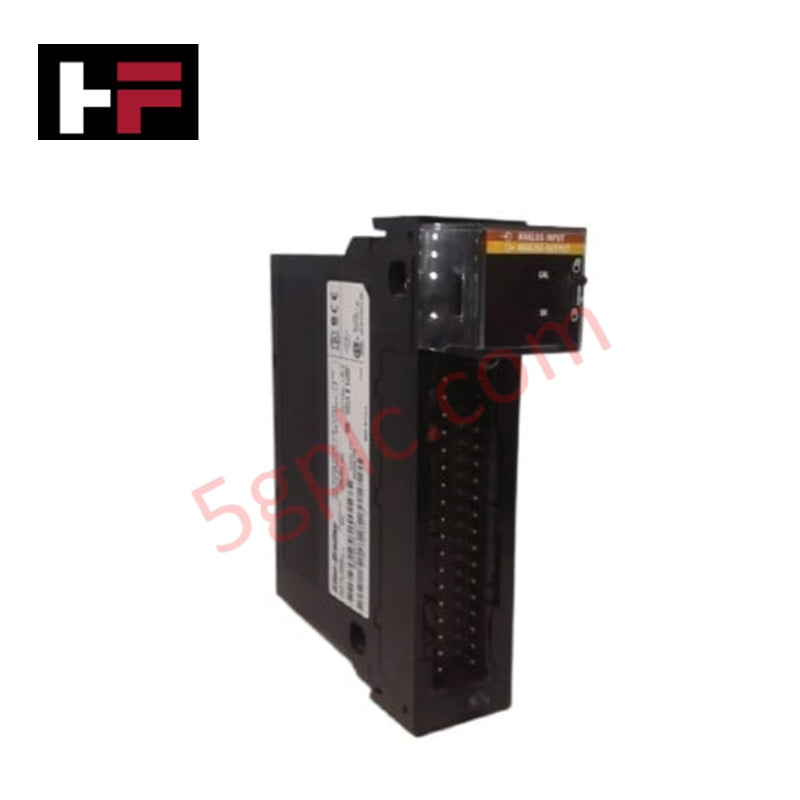
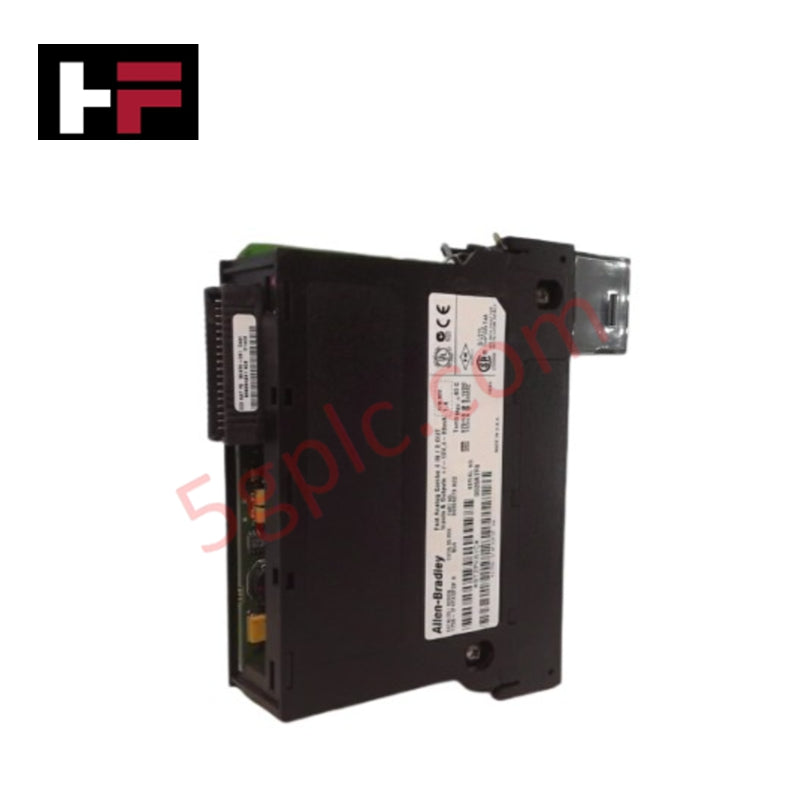
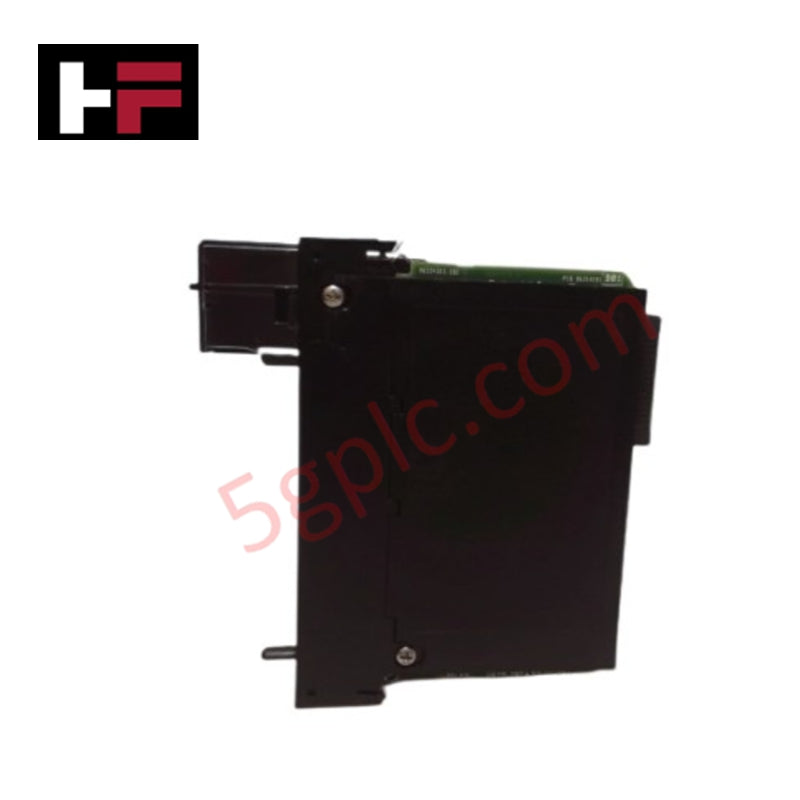
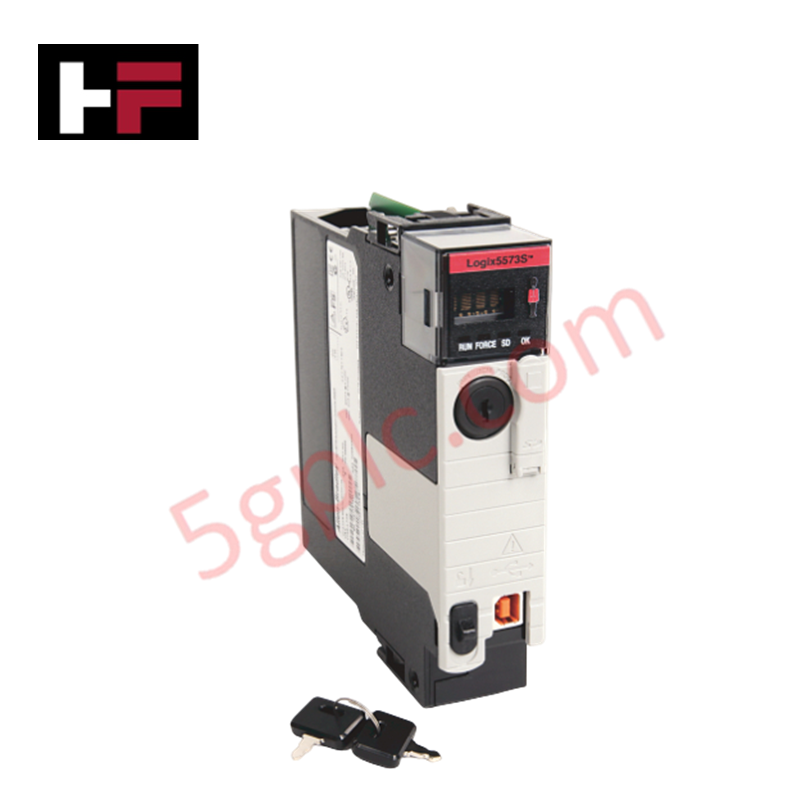
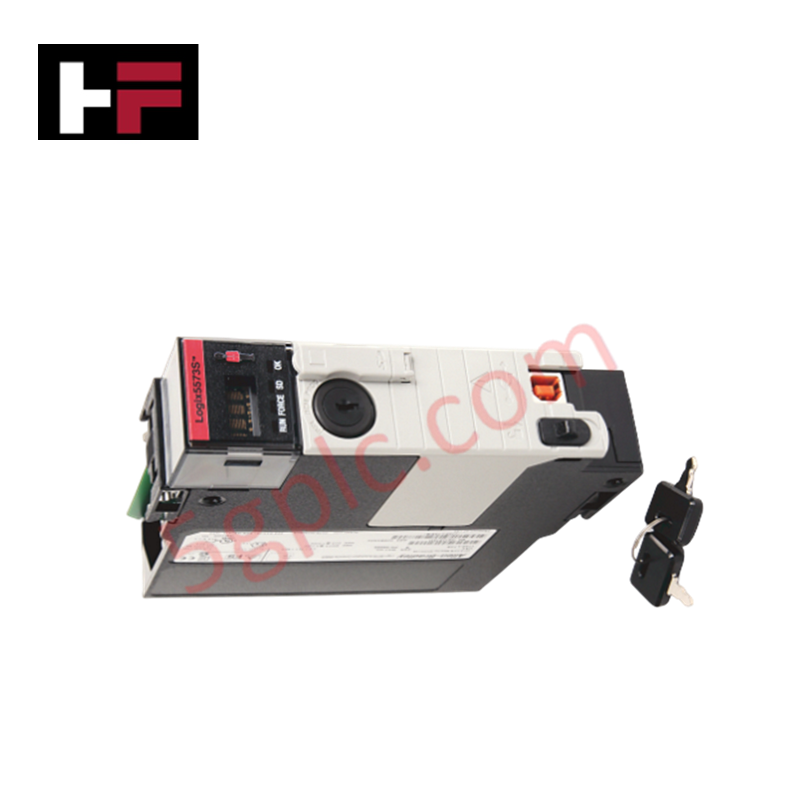
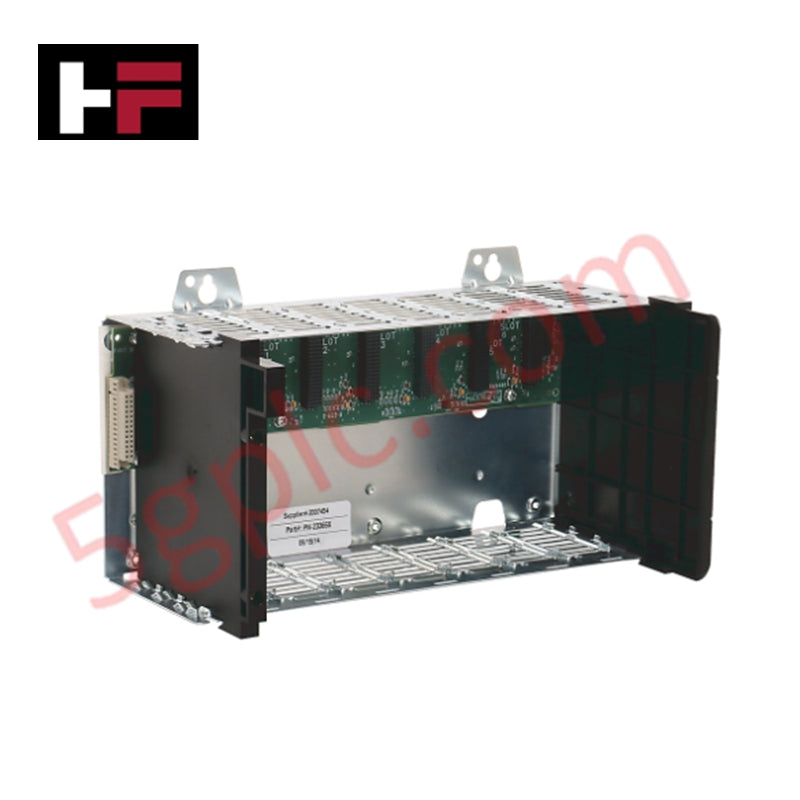
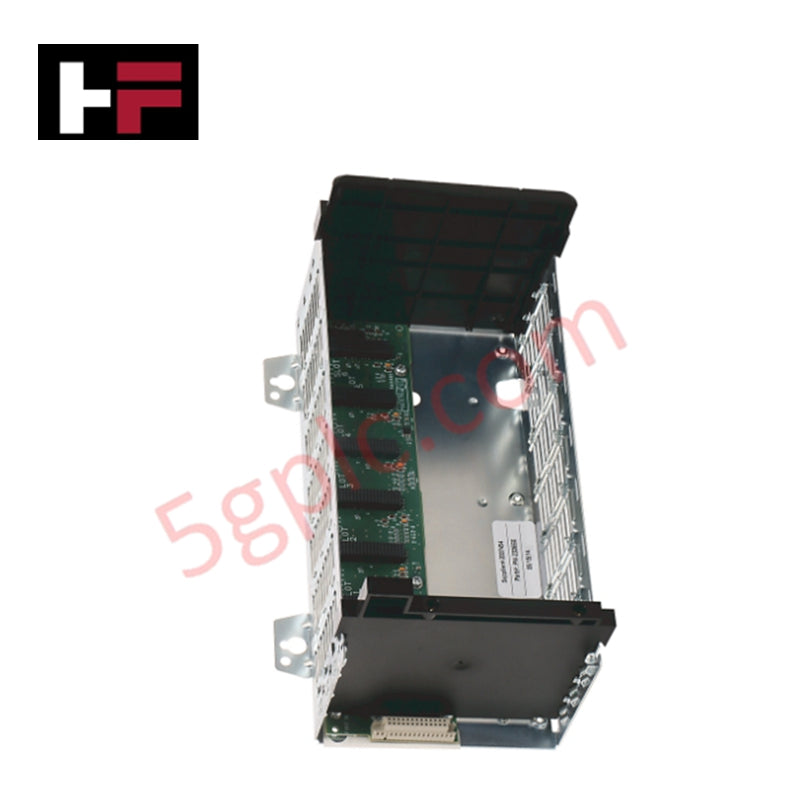
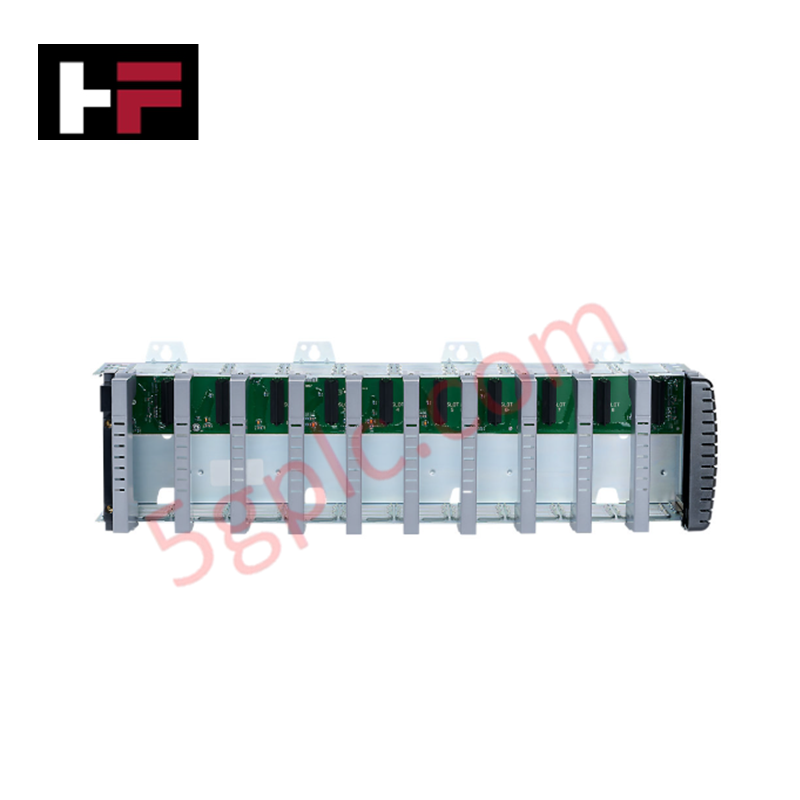
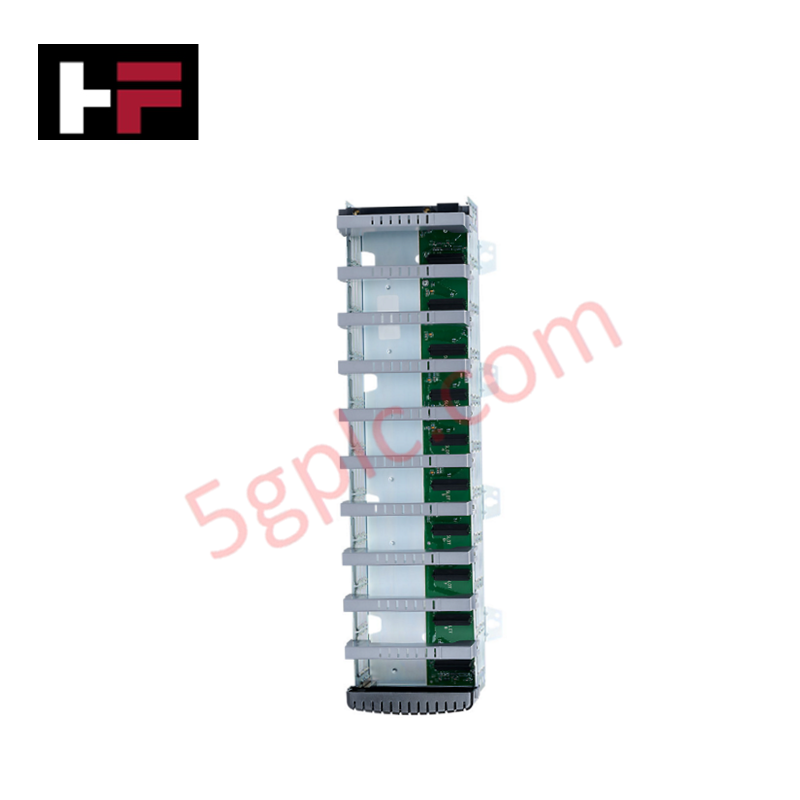
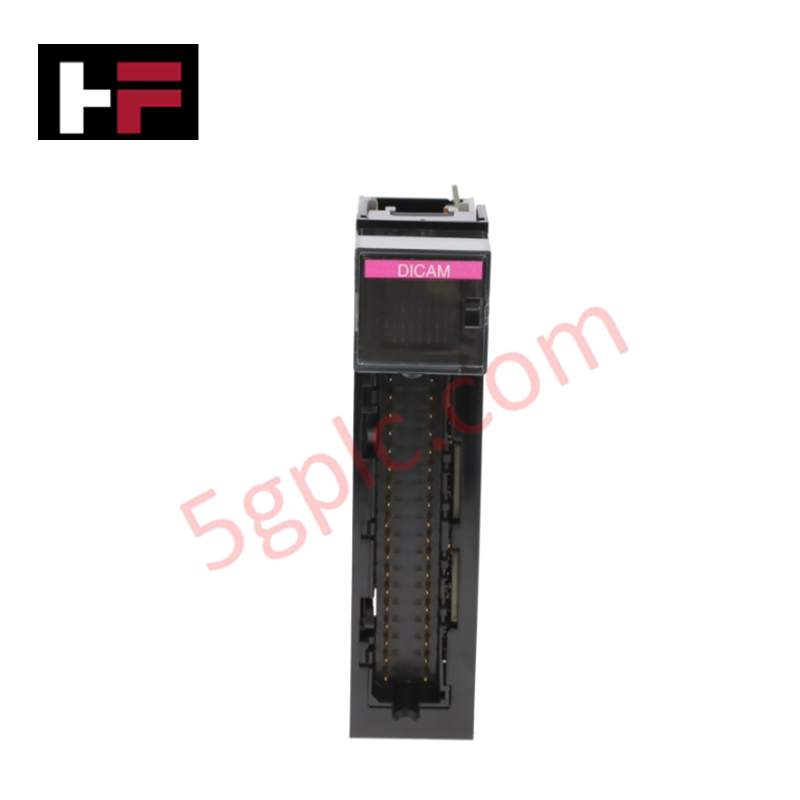
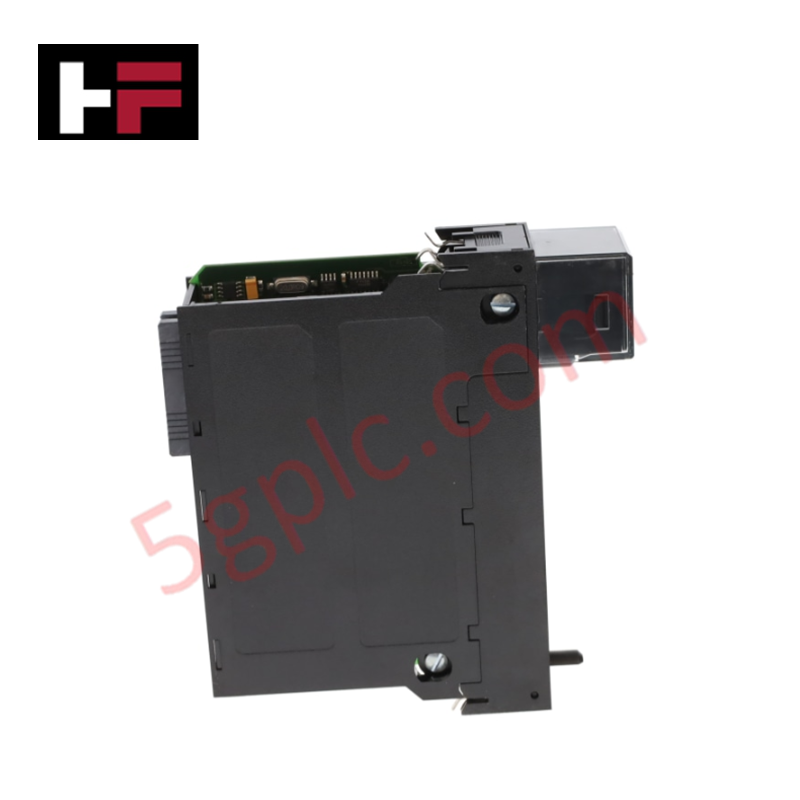
The 1756-IF4FXOF2F is a specialized high-speed combination module for the ControlLogix platform, consolidating four high-speed analog inputs and two high-speed analog outputs into a single slot. This "Fast" (F-series) module is engineered for applications requiring rapid signal sampling and immediate output response, such as turbine control or high-speed motion synchronization. Unlike standard density modules, the 1756-IF4FXOF2F (Part Number 1756-IF4FXOF2F) utilizes advanced circuitry to minimize signal propagation delay. It provides full bipolar voltage and current support across all channels, allowing for mixed-signal interfacing without the need for additional specialized hardware.
Technical Specifications
-
Input Channels: 4 High-Speed Voltage/Current
-
Output Channels: 2 High-Speed Voltage/Current
-
Signal Ranges: ±10V DC, 0…5V DC, 0…10V DC, and 4…20 mA
-
Input Resolution: 16-bit effective (Over 21-bit in some modes, correcting legacy 14-bit data)
-
Output Resolution: 13 to 16-bit (Varies by signal range)
-
Backplane Power (5.1V DC): 375 mA
-
Backplane Power (24V DC): 100 mA
-
Scan Time: Sub-millisecond capability (Fast-series performance)
-
Module Keying: Electronic, software-configurable
-
Operating Temperature: 0°C to 60°C (32°F to 140°F)
-
Storage Temperature: -40°C to 85°C (-40°F to 185°F)
-
Calibration: Factory calibrated; supports field-side user calibration for high-precision loops
Component Comparison and Usage
The 1756-IF4FXOF2F is the preferred choice for engineers looking to save chassis space while maintaining high performance. Compared to a separate 1756-IF8 and 1756-OF4 setup, this combo module provides a balanced I/O ratio for small-scale control loops. It is particularly effective in PID loops where the input-to-output latency is a critical factor in system stability. For installation, a 36-pin Removable Terminal Block (RTB), such as the 1756-TBNH or 1756-TBSH, is required and must be ordered separately.
FAQ
What is the difference between the "F" and standard analog modules?The "F" designation in 1756-IF4FXOF2F stands for "Fast." These modules use an upgraded Analog-to-Digital converter architecture that provides significantly lower latency and higher sampling rates than standard 1756-IF modules.
Does this module require external 24V DC power?No, the module draws its 24V DC requirement directly from the ControlLogix backplane, though it contributes to the overall power supply loading which should be calculated using the Integrated Architecture Builder (IAB).
Additional Information
- 100% Genuine Parts: All products are original and authentic, ensuring reliable industrial performance.
- 30-Day Refund Guarantee: Return any in-stock item within 30 days in original, unopened packaging for a full refund (excluding shipping and fees).
- 12-Month Warranty: Covers defects in materials or workmanship; excludes misuse, normal wear, or unauthorized modifications.
- Worldwide Shipping: We ship via USPS, UPS, FedEx, and DHL. Delivery times vary by country and may be subject to customs or import fees.
- Support & Contact: Technical and warranty assistance is available anytime. Contact us here: Contact.
- Purchase Guidance: Check product specifications and compatibility carefully before ordering to ensure proper application.
Tech & Buying Guide

Spatial Computing in Industrial Automation: Elevating PLC and DCS Operations with AR and VR
Industry 4.0 integrates digital intelligence into field operations, transforming factory automation landscapes worldwide. Spatial technologies—specifically Augmented Reality (AR) and Virtual Reality (VR)—redefine how engineers interact with industrial control systems. By bridging computer-generated CAD models with real-time operational technology (OT) data, immersive displays enable intuitive monitoring, rapid diagnostics, and safer maintenance across complex processing facilities.

Master Acceptance Testing: Understanding FAT and SAT in Industrial Control Systems
Factory Acceptance Testing (FAT) and Site Acceptance Testing (SAT) serve as critical quality assurance gateways in complex industrial control systems. Both procedures verify that programmable logic controllers (PLCs), distributed control systems (DCS), and associated field devices meet strict functional specifications. However, executing these tests effectively requires clear delineation between off-site staging and final field commissioning.

Industrial Networking Essentials: Demystifying Hubs, Switches, and Routers in Control Systems
Industrial automation relies heavily on robust networking infrastructure to connect programmable logic controllers (PLCs), distributed control systems (DCS), and human-machine interfaces (HMIs). Modern factory automation environments generate vast amounts of real-time operational data across deterministic networks. Understanding the structural differences between hubs, switches, and routers ensures optimal traffic segmentation, minimizes latency, and maintains high network availability.