













Product Details
Overview
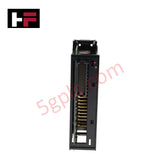
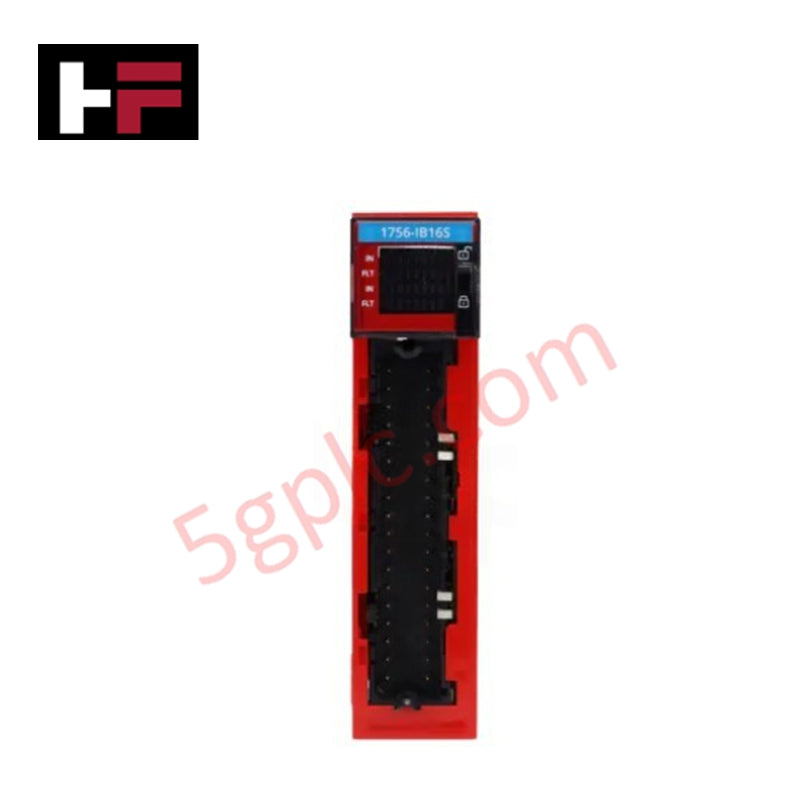
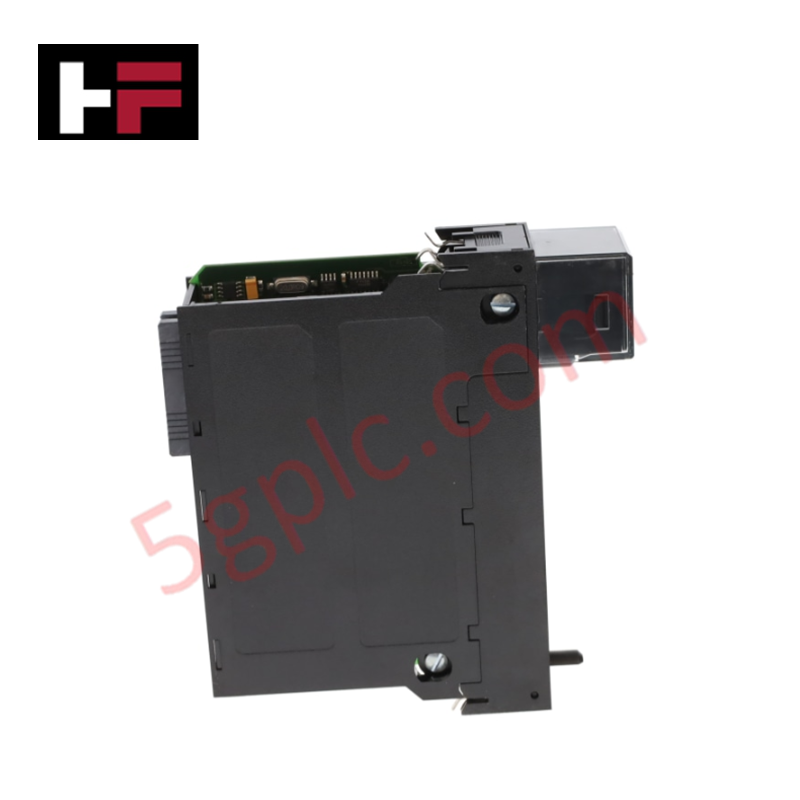
The Allen-Bradley 1756-IB16D is a 16-point diagnostic digital input module designed for the ControlLogix platform. It provides real-time status monitoring and fault detection for DC input signals within a 10–30V DC operating range. Each channel features diagnostic capability for detecting open-wire, short-circuit, and load anomalies, enabling predictive maintenance and minimizing downtime in industrial automation systems.
Technical Specifications
-
Model / Part Number: 1756-IB16D
-
Brand: Allen-Bradley
-
Manufacturer: Rockwell Automation
-
Product Line: ControlLogix
-
Product Type: Diagnostic Digital DC Input Module
-
Number of Inputs: 16 channels (individually diagnostic)
-
Input Type: DC sink
-
Nominal Input Voltage: 12–24V DC
-
Operating Voltage Range: 10–30V DC
-
Input Delay Time: 4 ms hardware delay + user-selectable filter
-
Diagnostic Capabilities: Open-wire, no-load, and short-circuit detection
-
Backplane Current (5V DC): 150 mA
-
Power Dissipation (max): 5.8 W @ 60°C (140°F)
-
Isolation Voltage: 250V continuous, input-to-backplane and channel-to-channel isolation
-
Compatible Terminal Blocks: 1756-TBCH or 1756-TBS6H removable terminal blocks
-
Module Keying: Electronic, software configurable
-
Enclosure Type: Open-style (for ControlLogix chassis mounting)
-
Operating Temperature: 0°C to 60°C (32°F to 140°F)
-
Storage Temperature: -40°C to +85°C (-40°F to +185°F)
-
Humidity: 5–95% non-condensing
-
Shock Rating: 30 g operating, 50 g non-operating
-
Vibration: 10–500 Hz, 2 g peak
Key Features
-
Integrated diagnostics for improved fault detection and maintenance efficiency
-
16 individually monitored inputs with time-stamped event tracking
-
Compatible with ControlLogix chassis for easy system integration
-
User-configurable input filters to optimize performance in noisy environments
-
Robust isolation for reliable operation in industrial conditions
Applications
-
Factory automation and production line control
-
Input signal monitoring for DC sensors and limit switches
-
Predictive maintenance and condition monitoring systems
-
Control panels and distributed I/O architectures
FAQs
Q1: What makes the 1756-IB16D different from standard input modules?
The 1756-IB16D offers built-in diagnostics such as open-wire and short-circuit detection, providing advanced fault analysis compared to standard DC input modules.
Q2: Which removable terminal blocks are compatible with this module?
It supports the 1756-TBCH (36-position cage clamp) and 1756-TBS6H (36-position spring clamp) terminal blocks.
Q3: Can the module operate in high-temperature environments?
Yes. It operates reliably up to 60°C (140°F), suitable for industrial control panels and enclosures.
Additional Information
- 100% Genuine Parts: All products are original and authentic, ensuring reliable industrial performance.
- 30-Day Refund Guarantee: Return any in-stock item within 30 days in original, unopened packaging for a full refund (excluding shipping and fees).
- 12-Month Warranty: Covers defects in materials or workmanship; excludes misuse, normal wear, or unauthorized modifications.
- Worldwide Shipping: We ship via USPS, UPS, FedEx, and DHL. Delivery times vary by country and may be subject to customs or import fees.
- Support & Contact: Technical and warranty assistance is available anytime. Contact us here: Contact.
- Purchase Guidance: Check product specifications and compatibility carefully before ordering to ensure proper application.
Tech & Buying Guide

Evolving SCADA System Architectures in Industrial Automation
A robust Supervisory Control and Data Acquisition (SCADA) system serves as the heartbeat of modern industrial operations. Understanding SCADA system architecture is vital for engineers designing efficient control systems. These architectures have evolved from isolated, monolithic structures to highly interconnected, networked ecosystems. Choosing the right design requires balancing data visibility, processing power, and long-term scalability requirements.

Choosing the Right Controller: PLC vs. Motion Controller in Industrial Automation
Selecting the optimal control architecture is a foundational decision in industrial automation. Engineers must frequently choose between a Programmable Logic Controller (PLC) and a dedicated Motion Controller. While both systems manage machinery, their underlying design philosophies differ significantly, impacting performance, scalability, and system integration.

Mastering PLC Power Supply Architectures and Operating Voltages
Selecting the correct operating voltage is a critical step in designing reliable industrial automation systems. Whether you are working with a compact PLC or a large-scale DCS, your power architecture dictates the system's longevity. In this guide, we explore the standard voltage ranges and power distribution strategies required to maintain stable factory automation operations.