












Product Details
Product Overview
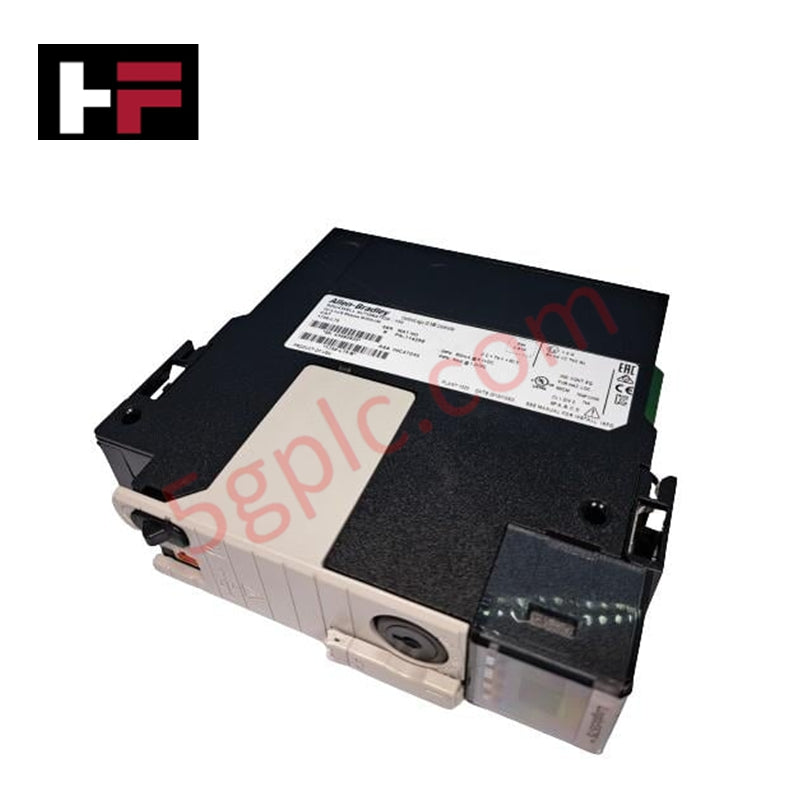
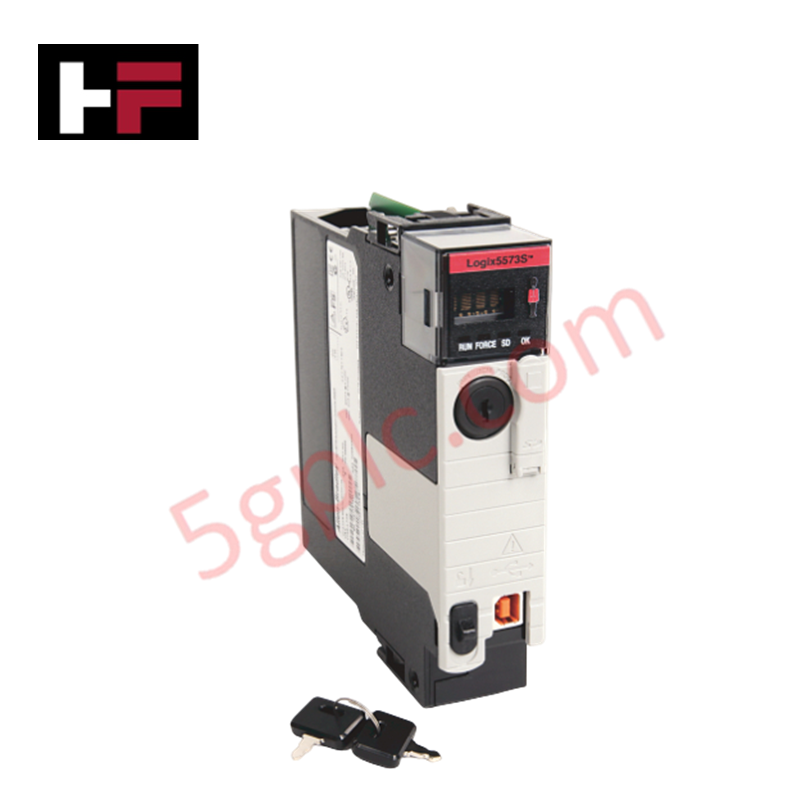
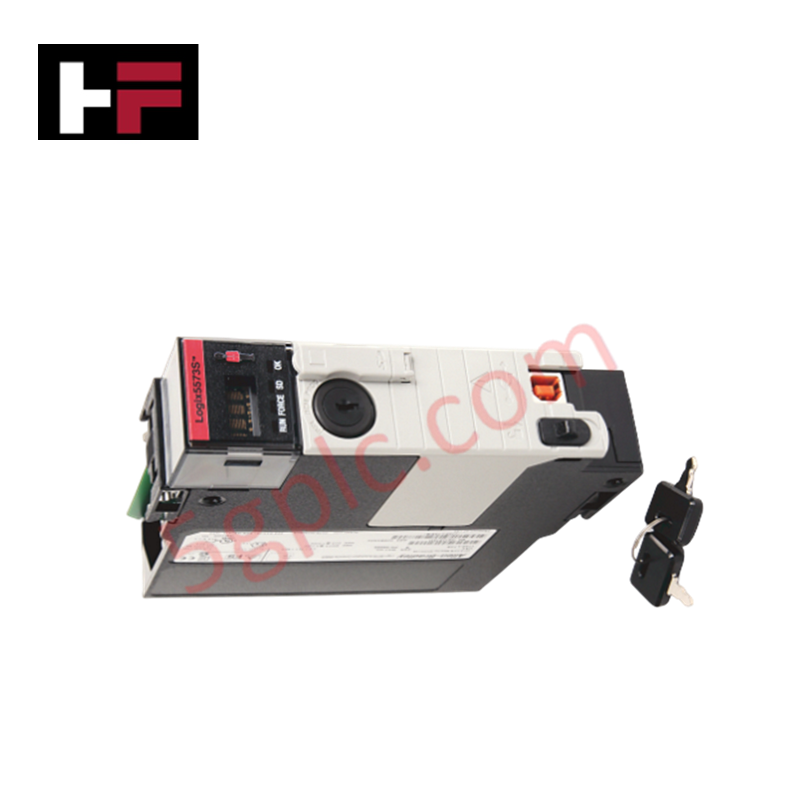
The 1756-L75K represents the high-performance tier of the Allen-Bradley ControlLogix 5570 family. This controller provides a massive 32 MB user memory capacity, designed to execute complex control algorithms and manage extensive data-intensive applications. As a "K" version, this module features conformal coating, providing essential protection against harsh, corrosive, or humid industrial atmospheres. We supply this unit as 100% Brand New original hardware, ensuring your facility operates with the highest level of computational precision and system integrity.
Technical Specifications
The 1756-L75K delivers elite processing power and massive I/O handling capabilities for large-scale automation:
| Parameter | Specification |
| Manufacturer | Allen-Bradley / Rockwell Automation |
| Series | ControlLogix 5570 (Logix5575) |
| User Memory | 32 MB |
| I/O Memory | 0.98 MB |
| Maximum Digital I/O | 128,000 Total |
| Maximum Analog I/O | 4,000 Total |
| Power Dissipation | 2.5 Watts |
| Coating Type | Conformal Coated (K-suffix) |
| Shipping Weight | 2 kg |
Engineering Advantages
-
Extended Memory for Complex Logic: The 32 MB user memory accommodates large-scale Motion Control, Batch Processing, and extensive ladder logic without memory bottlenecks.
-
Massive I/O Scalability: This controller manages up to 128,000 digital I/O points and 4,000 analog signals, making it the ideal backbone for plant-wide control architectures.
-
Superior Environmental Protection: The conformal coating (K-version) safeguards the internal circuitry from chemical vapors, salt spray, and moisture. This significantly reduces the risk of tin whiskers and corrosion-related failures in unconditioned environments.
-
Energy-Efficient Operation: With a power dissipation of only 2.5 Watts, the 1756-L75K minimizes heat buildup within the chassis, extending the life of adjacent communication or I/O modules.
-
Integrated Energy Storage: This 5570 series controller utilizes an internal energy storage module to write data to non-volatile memory during power loss, eliminating the need for traditional lithium batteries.
Installation & Integration Guidelines
-
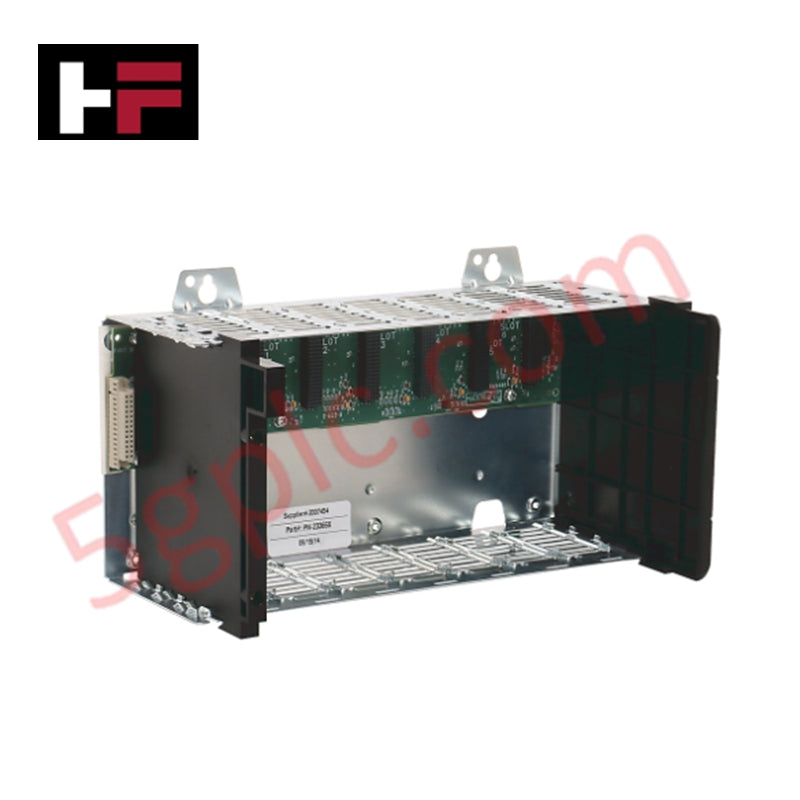
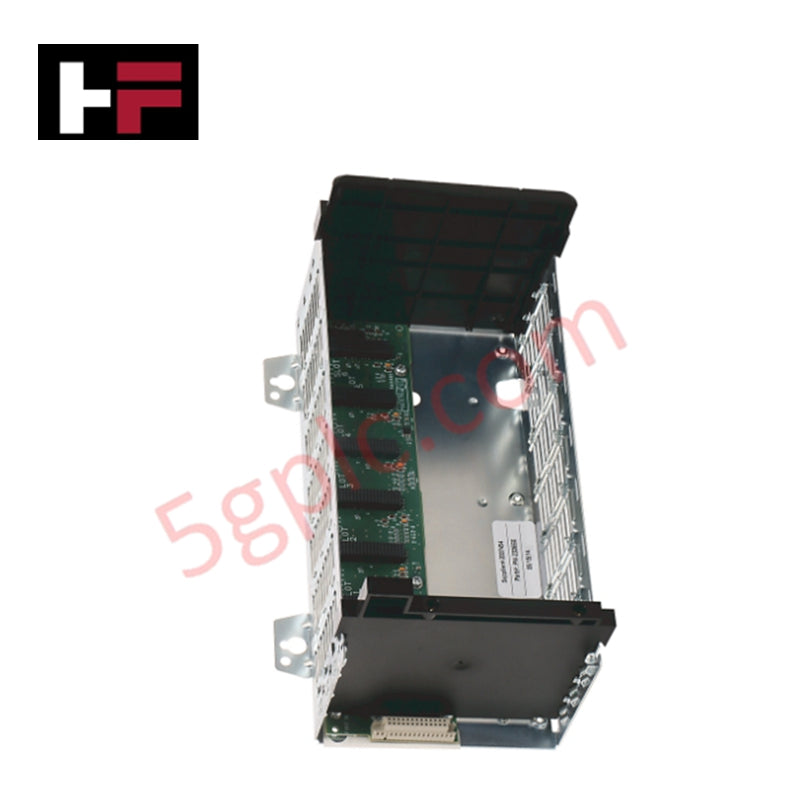
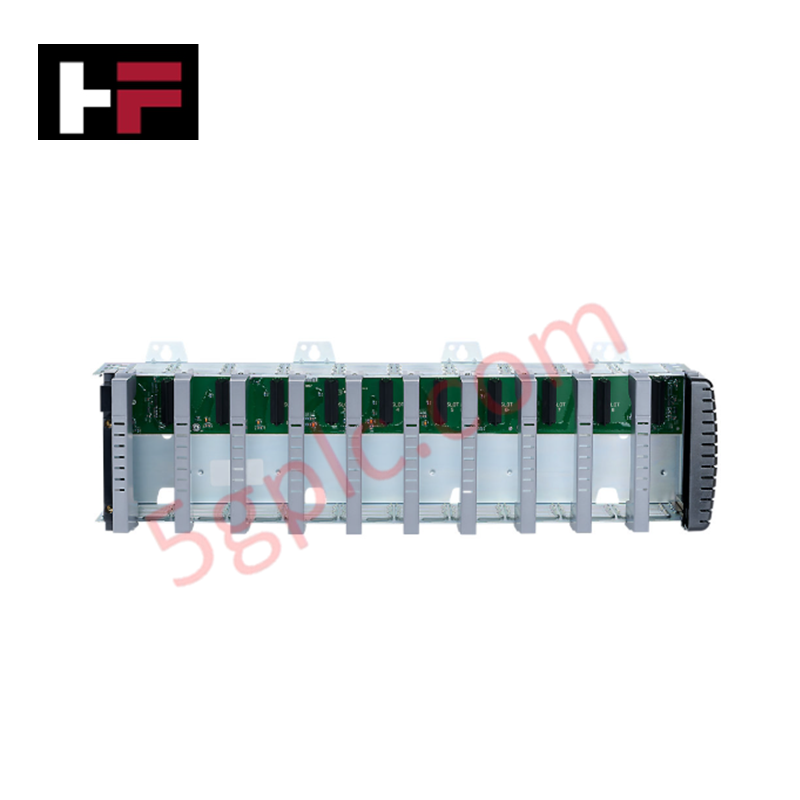
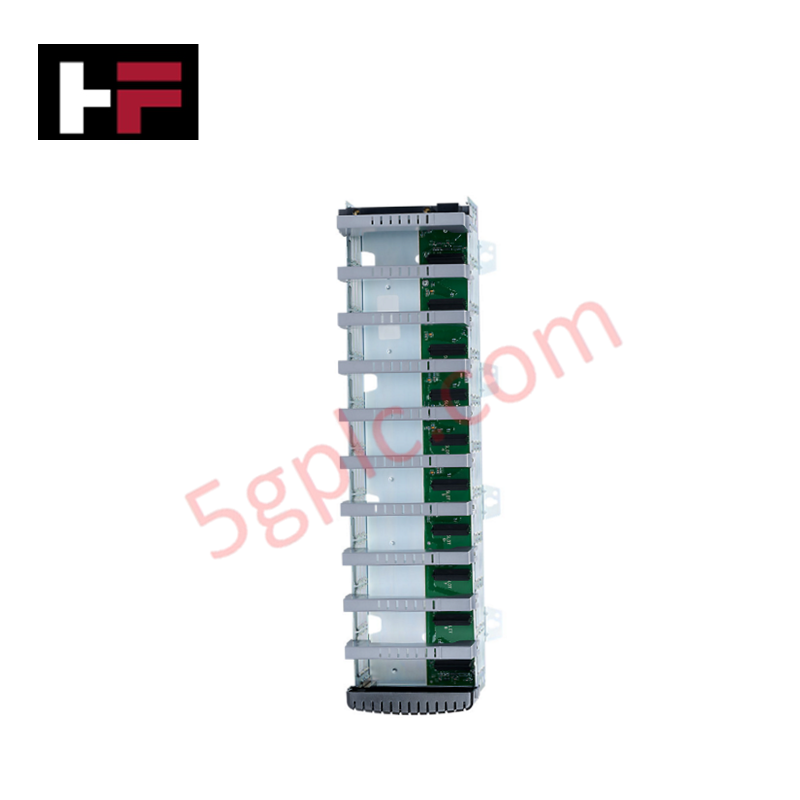
Chassis Compatibility: Insert the 1756-L75K into any slot of a 1756 ControlLogix I/O chassis. Ensure the chassis power supply provides sufficient backplane current for the entire module rack.
-
Firmware Matching: Verify that the major and minor firmware revisions match your Studio 5000 Logix Designer project version. Use the ControlFLASH utility to synchronize revisions before commissioning.
-
USB Diagnostic Port: Utilize the front-access USB 2.0 port for rapid program downloads and local diagnostics. This port simplifies field maintenance by allowing direct connection without configuring network nodes.
-
Thermal Clearance: Maintain standard ventilation spacing around the 1756 chassis to ensure the 2.5W heat dissipation occurs effectively through natural convection.
FAQs
Q: What does the "K" suffix in 1756-L75K signify?
A: The "K" indicates that the product is Conformal Coated. This specialized protective layer shields the PCB from environmental contaminants, making the board suitable for "Class G3" harsh environments where standard electronics might fail due to corrosion.
Q: Does this controller require a battery for memory backup?
A: No. The 1756-L75K belongs to the 5570 series, which features built-in energy storage. Upon power failure, the controller uses stored energy to transfer the project and tag data to internal non-volatile memory.
Q: Can the 1756-L75K handle high-speed motion control?
A: Absolutely. This controller supports Integrated Motion on EtherNet/IP, Sercos interface, and analog options, making it capable of managing high-axis-count synchronized motion applications.
Q: What is the maximum number of tasks this controller can run?
A: This module supports up to 32 tasks, with one continuous task and 31 periodic or event-based tasks. This allows for highly prioritized execution of critical process loops.
Additional Information
- 100% Genuine Parts: All products are original and authentic, ensuring reliable industrial performance.
- 30-Day Refund Guarantee: Return any in-stock item within 30 days in original, unopened packaging for a full refund (excluding shipping and fees).
- 12-Month Warranty: Covers defects in materials or workmanship; excludes misuse, normal wear, or unauthorized modifications.
- Worldwide Shipping: We ship via USPS, UPS, FedEx, and DHL. Delivery times vary by country and may be subject to customs or import fees.
- Support & Contact: Technical and warranty assistance is available anytime. Contact us here: Contact.
- Purchase Guidance: Check product specifications and compatibility carefully before ordering to ensure proper application.
Tech & Buying Guide

Why Programmable Logic Controllers Drop into Stop Mode: An Expert Analysis
Industrial automation systems rely heavily on Programmable Logic Controllers (PLCs) to maintain uninterrupted production. When a PLC unexpectedly shifts from Run to Stop mode, whole manufacturing lines stall.
As control systems evolve across modern factory automation, understanding the root causes of these interruptions helps engineers minimize costly downtime. This technical guide breaks down why PLCs trip into Stop mode and provides practical strategies to mitigate system faults.

Understanding Root Causes of Unplanned PLC Stop Mode in Industrial Automation
Modern Programmable Logic Controllers manage execution through distinct operational states: Run, Stop, Start-Up, and Hold. During power-up, a controller initializes memory registers within Stop mode before briefly transitioning to Start-Up mode. During this phase, internal self-diagnostics evaluate system integrity across hardware and user programs. If the controller detects no critical faults, it enters Run mode to execute the control program continuously. However, any severe system anomaly forces the CPU back into Stop mode immediately to prevent erratic machine behavior across the plant floor.

Human-Machine Interface Design: Essential Guide to HMI Selection, Visualization, and Control System Integration
Human-Machine Interfaces (HMIs) serve as the primary operational window into complex industrial automation systems. Modern HMIs convert raw machine data into clear graphical displays, enabling operators to oversee entire manufacturing processes in real time. Instead of relying on physical control panels full of hardwired switches, engineers program interactive screens using intuitive graphics, dynamic color coding, and responsive touch interfaces. Over my 15 years in control systems engineering, I have observed HMIs transform from basic display screens into sophisticated command centers that drive operational efficiency across DCS and PLC environments.