










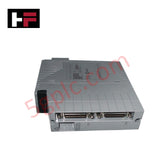
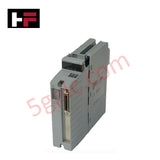
Product Details
Product Overview
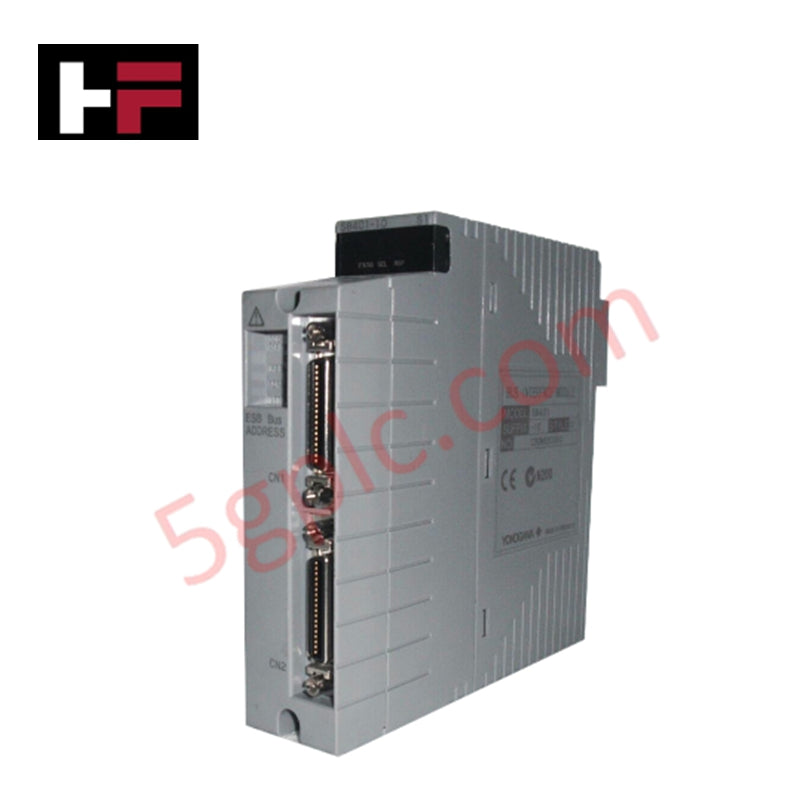
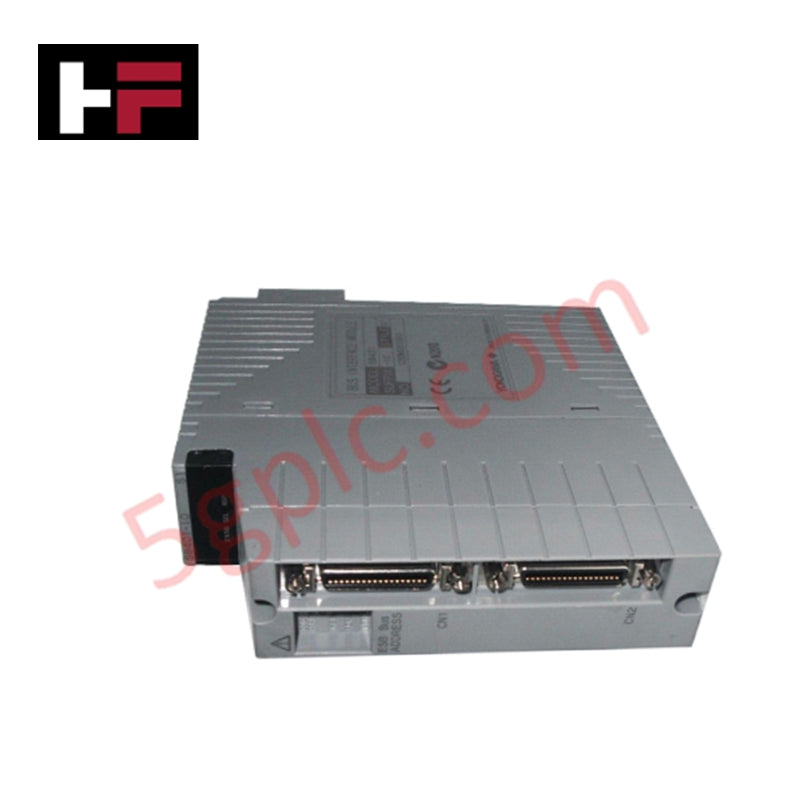
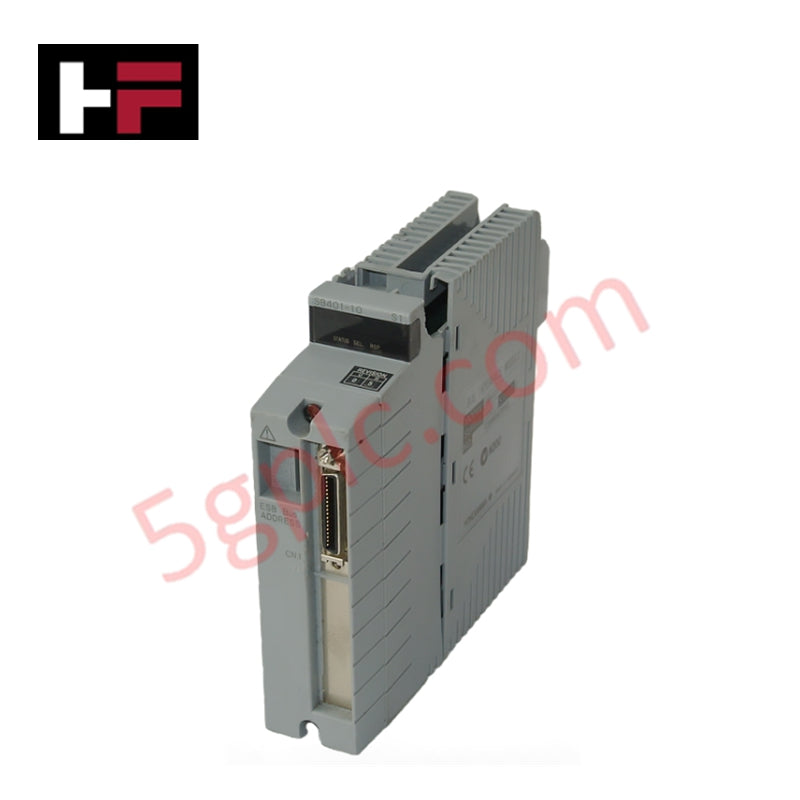
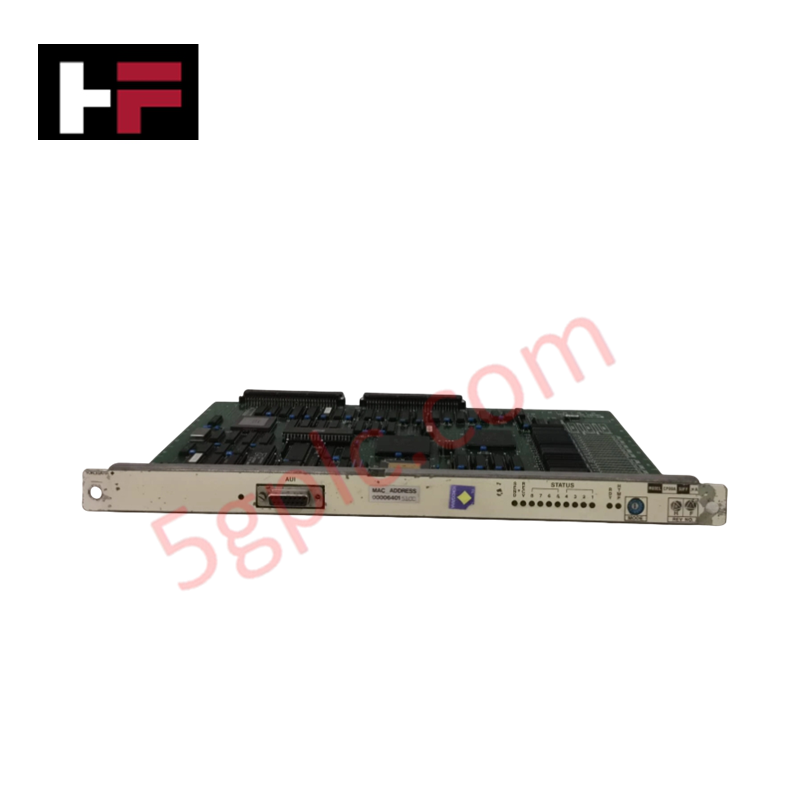
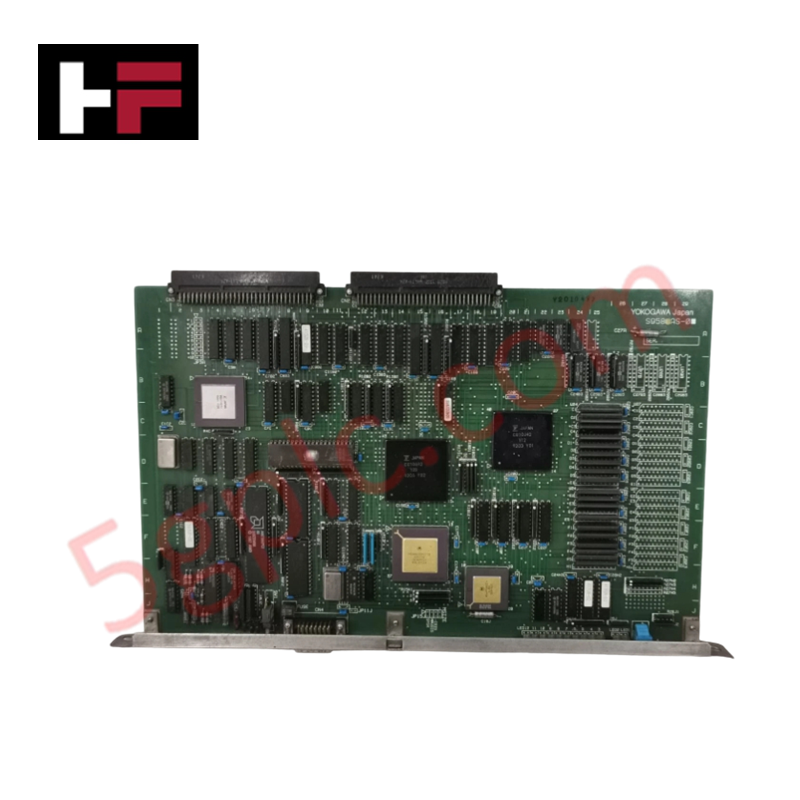
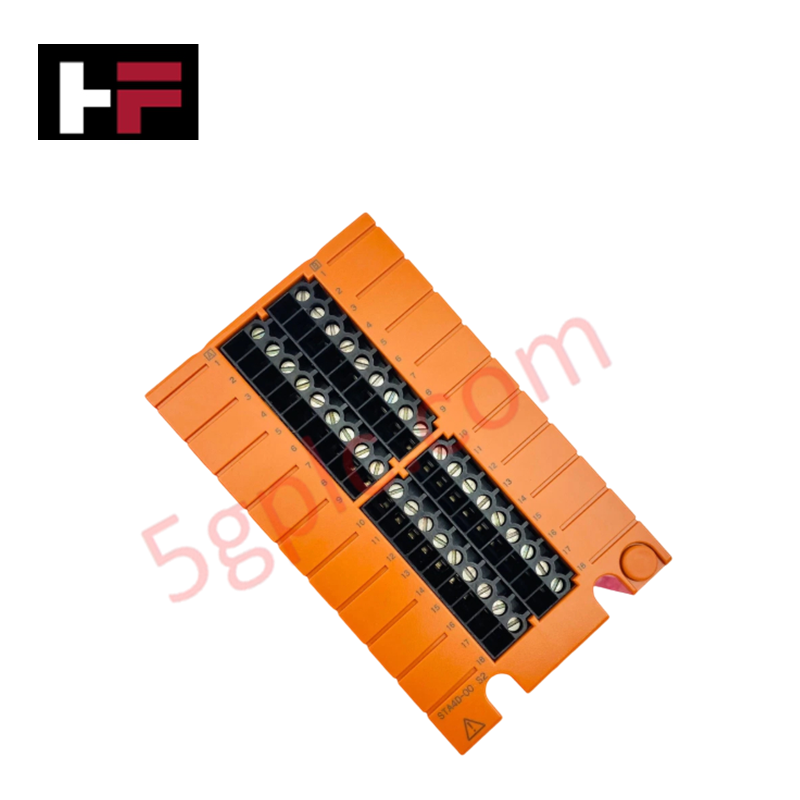
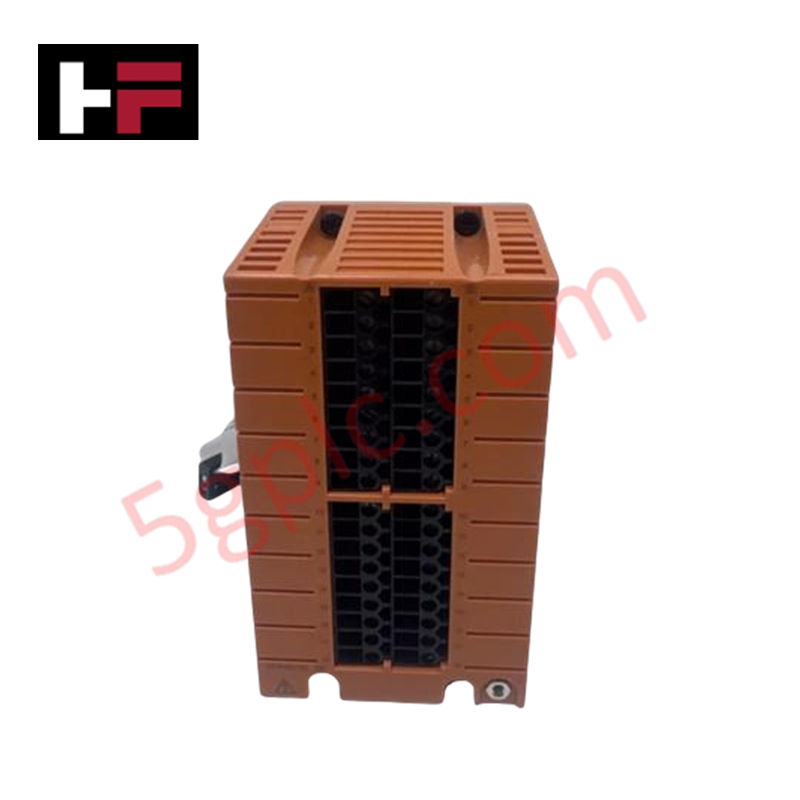
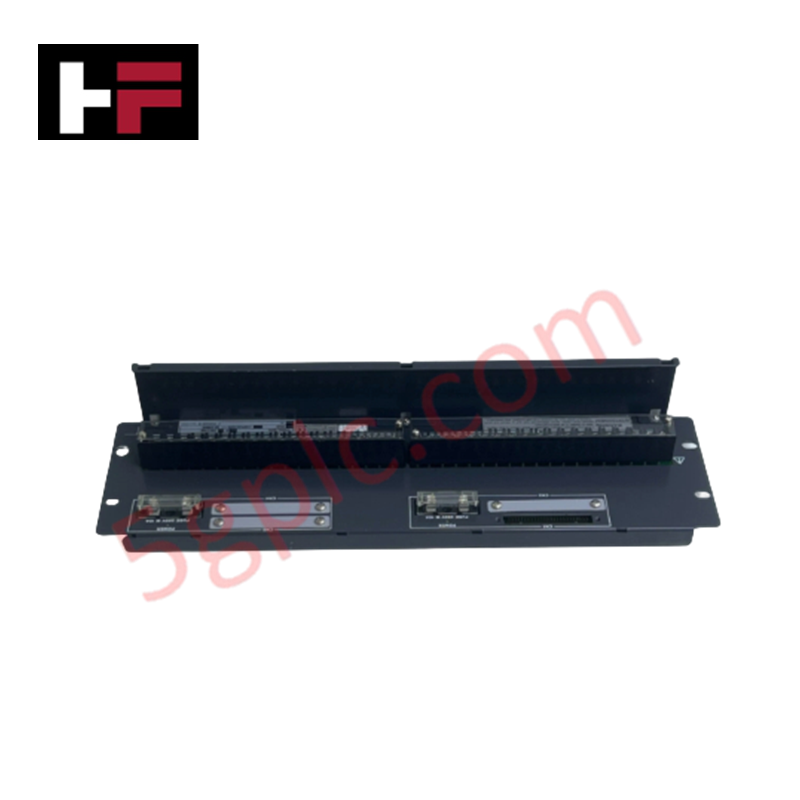
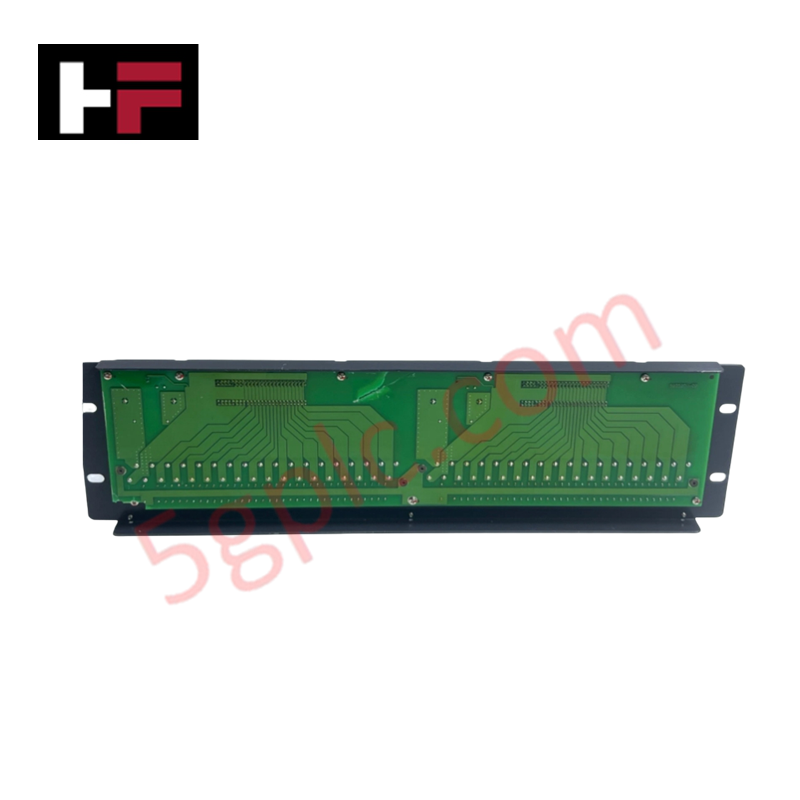
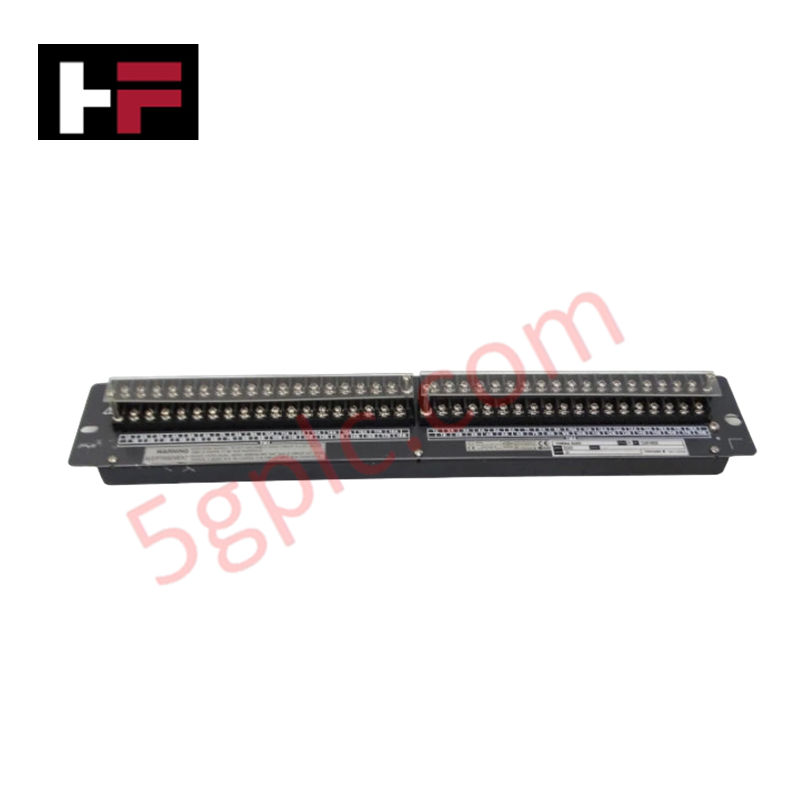
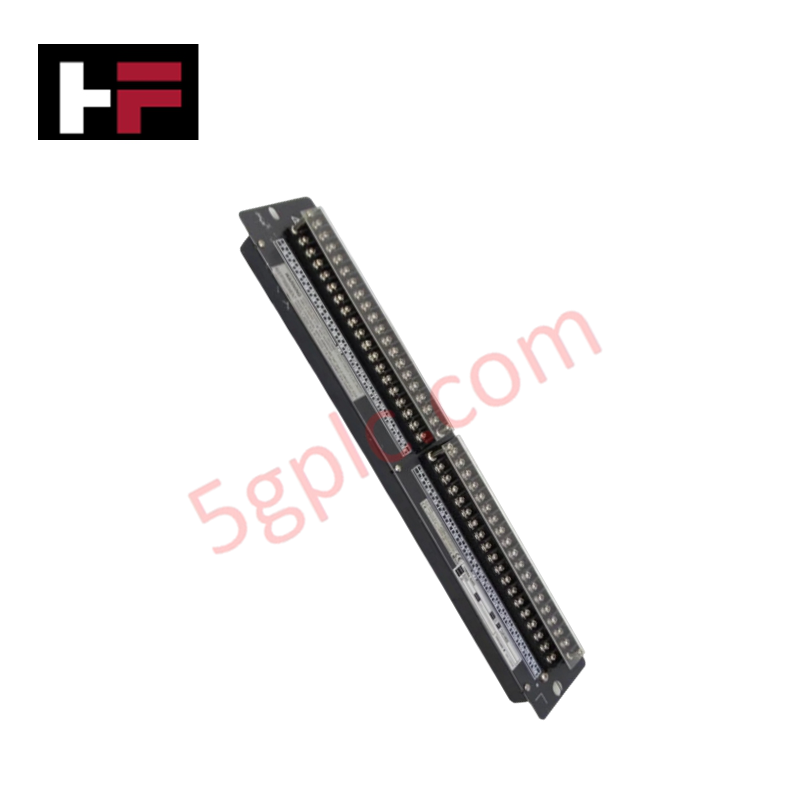
The Yokogawa SB401-10 functions as a high-speed ESB Bus Interface Slave Module within the CENTUM CS 3000 Distributed Control System (DCS). This module resides in the remote I/O node unit and establishes a deterministic communication link with the master interface in the Field Control Unit (FCU). By managing high-speed data packets across the Extended Serial Backplane (ESB), the SB401-10 ensures real-time synchronization between field instrumentation and the central processor.
Part Number Breakdown
Yokogawa utilizes specific suffix codes to define the environmental and functional hardware profile:
| Code | Type | Description |
| SB401 | Model | ESB Bus Interface Slave Module |
| -1 | Basic | Basic functional type for standard I/O nodes |
| 0 | Protection | Standard type with no explosion protection |
Technical Specifications
The SB401-10 adheres to rigorous industrial communication standards to maintain network stability:
-
Manufacturer: Yokogawa
-
Module Type: Slave Interface for ESB Bus
-
System Compatibility: CENTUM CS 3000, CS 1000
-
Transmission Speed: 128 Mbps
-
Mounting Position: Dedicated interface slot of the I/O node unit
-
Interface Port: Dual connectors for redundant bus support
-
Condition: 100% Brand New and Original
Engineering Advantages
-
Deterministic Data Throughput: The SB401-10 manages a constant 128 Mbps transmission rate. This eliminates the "best-effort" latency found in standard Ethernet, ensuring that critical process variables arrive at the controller within fixed time intervals.
-
Redundant Path Capability: This module supports dual-link ESB bus architectures. In the event of a cable break or master-side port failure, the SB401-10 switches communication to the secondary path instantaneously, preventing system downtime and maintaining process visibility.
-
Simplified Node Expansion: The basic hardware profile allows for rapid I/O node addition. Engineers integrate the SB401-10 into remote racks to extend the reach of the DCS without requiring complex software re-routing or gateway configuration.
-
Low Heat Dissipation: The "Basic Type" architecture optimizes power consumption. This design reduces the thermal load within high-density cabinets, extending the operational life of the I/O modules installed in the same nest.
FAQs
-
Is this Yokogawa SB401-10 unit supplied as new or refurbished?
We supply this module exclusively as 100% Brand New and Original equipment. It ships in the original Yokogawa factory packaging, ensuring zero previous usage and the highest reliability for your control system.
-
What is the difference between the SB401 and the SB301?
While the SB301 typically acts as the master interface in the FCU, the SB401 serves as the Slave Module located in the remote I/O node. You must use these in pairs (Master-Slave) to establish the ESB bus link.
-
Does the SB401-10 support explosion-proof environments?
No. The "0" suffix indicates the Standard Type with no explosion protection. You must install this module in a non-hazardous area or within a suitably rated purged enclosure if used in a volatile plant environment.
-
Do I need to configure the SB401-10 via software?
The hardware is largely plug-and-play once you define the node address in the CENTUM Engineering Station. Ensure the station identifies the correct node number via the physical dip switches on the module or the backplane before power-up.
Additional Information
- 100% Genuine Parts: All products are original and authentic, ensuring reliable industrial performance.
- 30-Day Refund Guarantee: Return any in-stock item within 30 days in original, unopened packaging for a full refund (excluding shipping and fees).
- 12-Month Warranty: Covers defects in materials or workmanship; excludes misuse, normal wear, or unauthorized modifications.
- Worldwide Shipping: We ship via USPS, UPS, FedEx, and DHL. Delivery times vary by country and may be subject to customs or import fees.
- Support & Contact: Technical and warranty assistance is available anytime. Contact us here: Contact.
- Purchase Guidance: Check product specifications and compatibility carefully before ordering to ensure proper application.
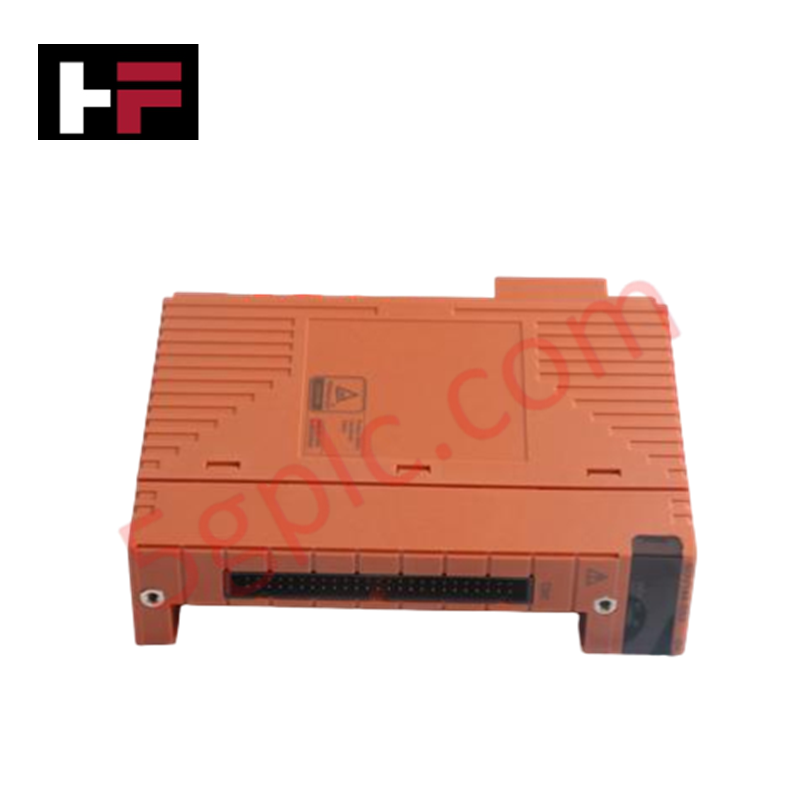
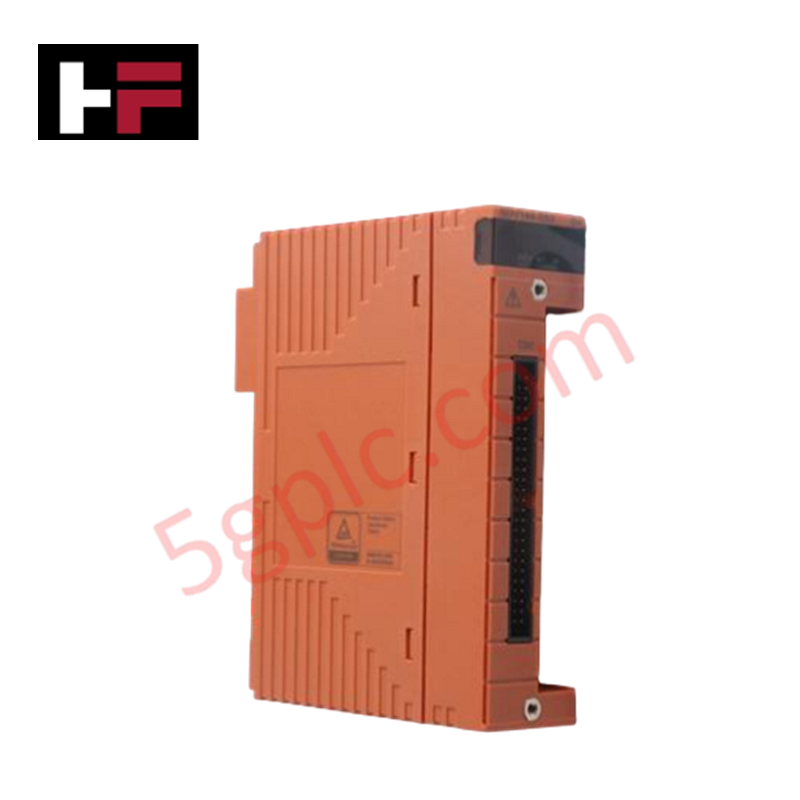
Tech & Buying Guide

Navigating Industrial Intelligence: PLC vs. RTU in Modern Automation
Industrial automation relies heavily on robust control systems to manage complex processes efficiently. Engineers often face a critical decision when designing control architectures: should they deploy a Programmable Logic Controller (PLC) or a Remote Terminal Unit (RTU)? While both devices process inputs and manage outputs, their design philosophies serve distinct operational environments.

Understanding Remote Terminal Units: The Core of SCADA and Telemetry Systems

Ultimate Guide to Schneider Electric PLCs: Selecting Control Systems for Small to Medium Automation
Schneider Electric remains a dominant force in global industrial automation, delivering robust control systems across diverse sectors. For control engineers, selecting the right programmable logic controller (PLC) requires balancing budget, communication ports, and processing power. This technical breakdown explores Schneider’s small and medium portfolio, offering field-tested insights to help you optimize your next factory automation project.