










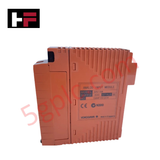
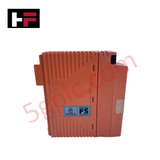
Product Details
Product Overview
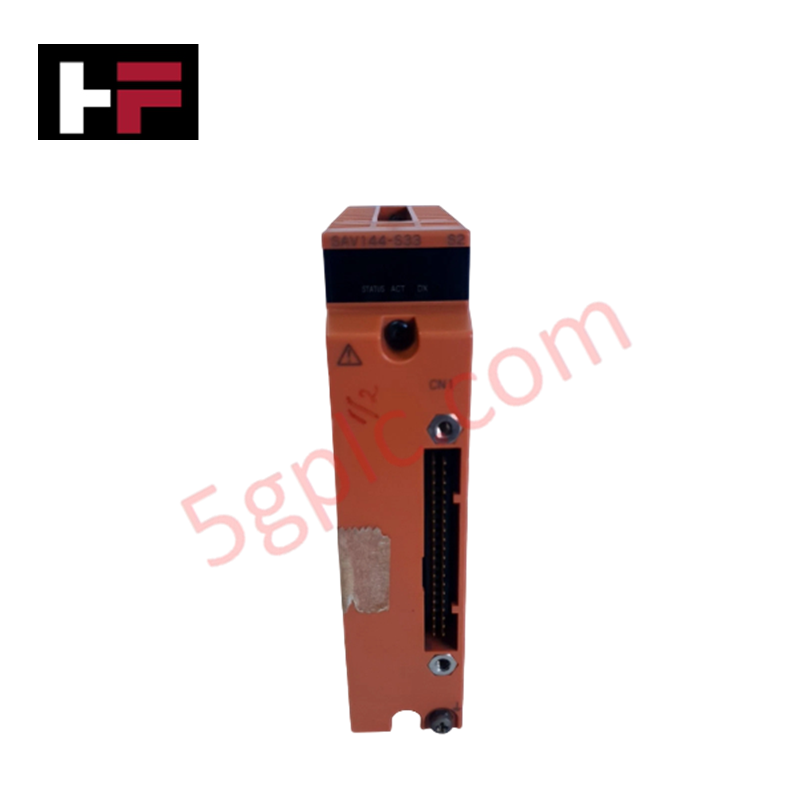
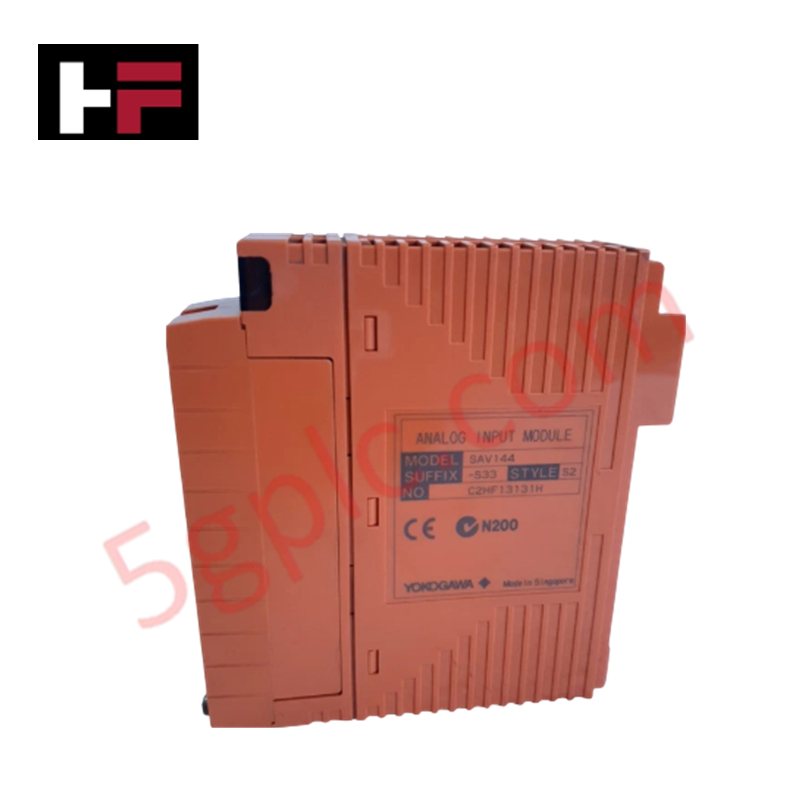
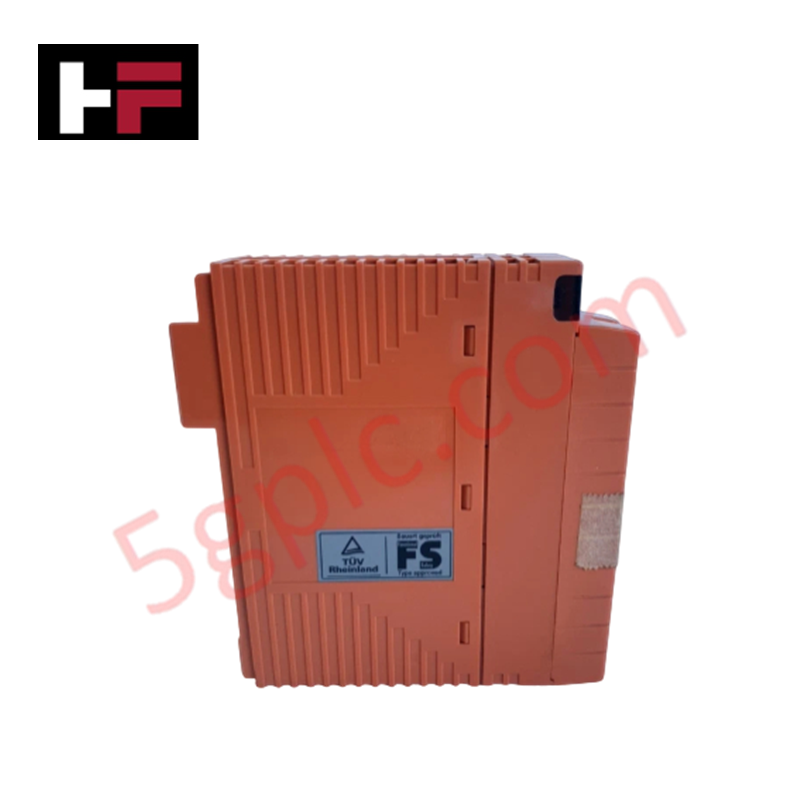
The Yokogawa SAV144-S33 functions as a high-performance, 16-channel analog voltage input module for the CENTUM VP Distributed Control System (DCS). This module accepts standard 1 to 5 V and 1 to 10 V signals from field transmitters and analytical instruments, converting them into digital data for real-time process monitoring. It utilizes full module isolation to protect the system backplane from field-side electrical interference. We supply this unit as 100% Brand New and Original, ensuring your automation architecture operates with factory-certified precision and zero previous service hours.
Part Number Breakdown
The SAV144-S33 suffix identifies the specific hardware revision and environmental coating options:
| Suffix Code | Technical Definition |
| SAV144 | Voltage Input Module (16-Channel, Isolated) |
| -S | Standard Type Hardware |
| 3 | With ISA Standard G3 protection and extended temperature support |
| 3 | Always 3 (Specific internal revision) |
Technical Specifications
The SAV144-S33 provides high-impedance voltage sensing with rapid data update cycles.
-
Input Channels: 16 channels, module isolation.
-
Rated Input Range: 1 to 5 V DC or 1 to 10 V DC.
-
Permissible Input Range: Up to +30 V DC (Overvoltage protection).
-
Rated Accuracy: ±4 mV (for 1-5V) / ±9 mV (for 1-10V).
-
Input Impedance: 1 MΩ (Power-ON) / 100 kΩ (Power-OFF).
-
Data Update Frequency: 40 ms.
-
Withstand Voltage: 1.5 kV AC for 1 minute.
-
Power Consumption: 300 mA (5V system) / 140 mA (24V system).
-
Weight: 0.24 kg to 0.29 kg (Configuration dependent).
-
Condition: Guaranteed 100% Brand New and Original.
Engineering Advantages
The SAV144-S33 resolves critical signal integrity challenges in high-density DCS environments:
-
Robust Overvoltage Protection: The module withstands input voltages up to +30 V DC without hardware damage. This "permissible range" protects the DCS during field wiring faults or transmitter failures that might otherwise inject high-voltage transients into the I/O nest.
-
High-Impedance Signal Capture: The 1 MΩ input impedance ensures the module does not load down the field signal source. This maintains measurement accuracy when interfacing with high-impedance analytical sensors or transmitters located at significant cable distances.
-
Galvanic System Isolation: A 1.5 kV AC withstand voltage separates the field-side inputs from the internal system logic. This barrier prevents ground loops and electrical surges from migrating into the central processor, safeguarding the stability of the entire control network.
-
Deterministic Data Refresh: A consistent 40 ms update frequency provides the real-time data flow necessary for stable control of moderately dynamic loops. It ensures the DCS software sees process changes fast enough to prevent oscillation in pressure or level control.
FAQs
-
Can the SAV144-S33 handle ±10V bipolar signals?
The SAV144-S33 specifically handles unipolar ranges (1-5V and 1-10V). If your application requires ±10V bipolar voltage sensing, you should select the NFAI841 high-precision module instead.
-
What happens to the signal if the module loses power?
The input impedance drops from 1 MΩ to 100 kΩ when the power is OFF. This prevents the module from becoming an open circuit, though engineers should account for this impedance change in loops where the transmitter is sensitive to load fluctuations.
-
Does this module require a specific terminal block?
Yes. The SAV144-S33 supports pressure-clamp terminal blocks, MIL cable connections, or signal cable interface adapters. You must specify the terminal type during installation to ensure mechanical compatibility with your cabinet wiring.
-
Is this a brand-new original Yokogawa part?
Absolutely. We supply only 100% Brand New hardware. Every SAV144-S33 ships in its original Yokogawa factory packaging with matching serial numbers, intact manufacturer seals, and full traceability.
Additional Information
- 100% Genuine Parts: All products are original and authentic, ensuring reliable industrial performance.
- 30-Day Refund Guarantee: Return any in-stock item within 30 days in original, unopened packaging for a full refund (excluding shipping and fees).
- 12-Month Warranty: Covers defects in materials or workmanship; excludes misuse, normal wear, or unauthorized modifications.
- Worldwide Shipping: We ship via USPS, UPS, FedEx, and DHL. Delivery times vary by country and may be subject to customs or import fees.
- Support & Contact: Technical and warranty assistance is available anytime. Contact us here: Contact.
- Purchase Guidance: Check product specifications and compatibility carefully before ordering to ensure proper application.




Tech & Buying Guide

Understanding Siemens PLC Memory Cards: MMC, SMC, and SD Solutions in Industrial Automation
Memory management plays a pivotal role in maintaining control system reliability across modern manufacturing plants. Industrial control systems rely on specialized memory cards to store project logic, firmware updates, and retentive system data. Siemens uses several memory architectures, including Micro Memory Cards (MMC) and SIMATIC Memory Cards (SMC). Engineers must understand these hardware variations to ensure zero data loss and minimize downtime during maintenance routines.

Redefining Control Systems: The Rise of Flexible I/O Modules in Industrial Automation
Conventional input-output architectures often limit engineering agility and inflate long-term inventory costs. Today, Flexible Input/Output Modules (FIOM) are transforming how control system engineers design, commission, and maintain automation infrastructure. By allowing individual channel software configuration, FIOM technology bridges the gap between rigid hardware design and dynamic plant requirements.

Understanding Modern SCADA Systems: Architecture, Communication Topologies, and Industrial Applications
Supervisory Control and Data Acquisition (SCADA) systems form the digital backbone of modern industrial automation. They collect critical field data, transmit signals across vast distances, and empower plant operators with real-time process visibility. Across modern infrastructures, SCADA solutions streamline centralized control and maintain continuous operational uptime.