










Product Details
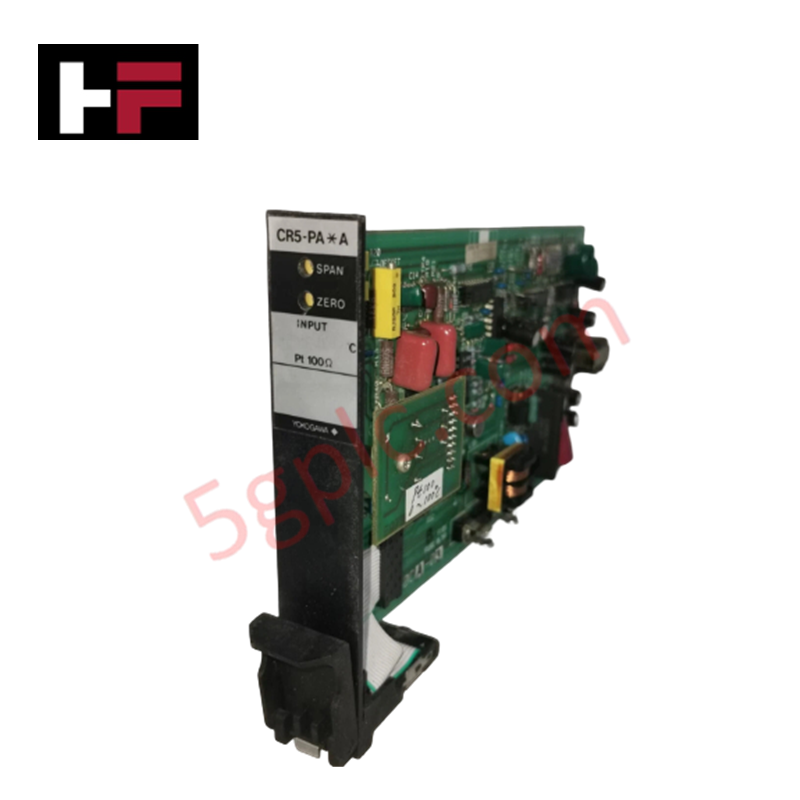
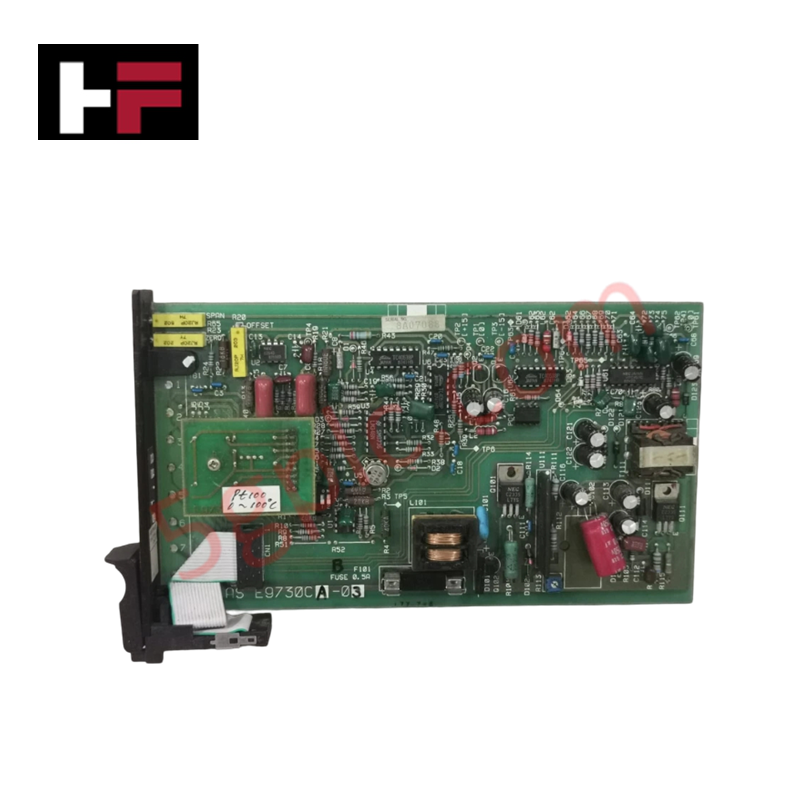
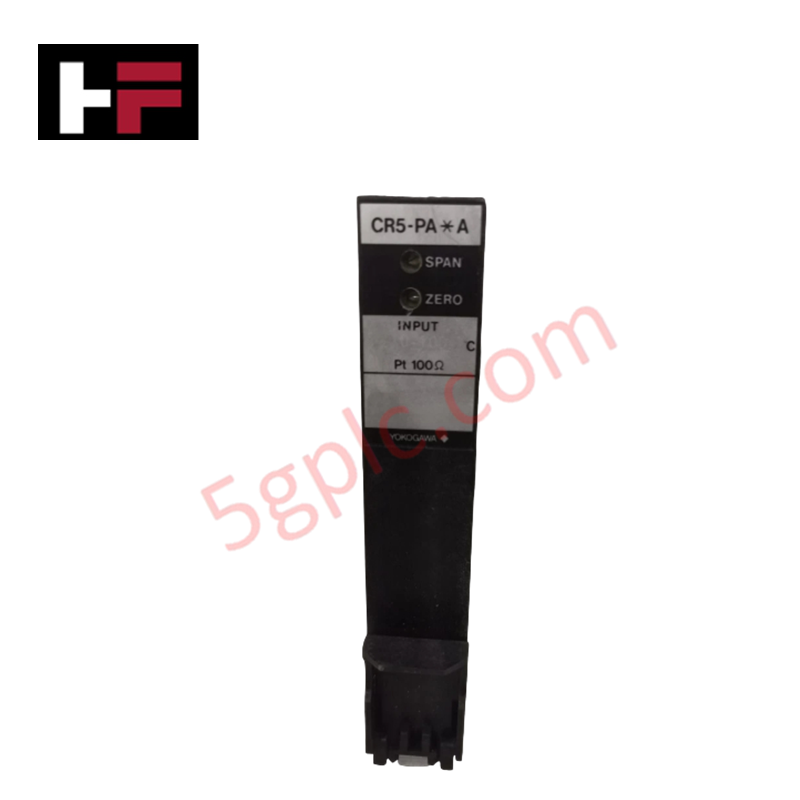
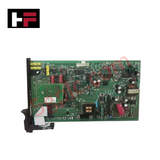
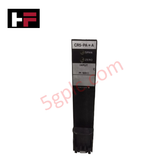
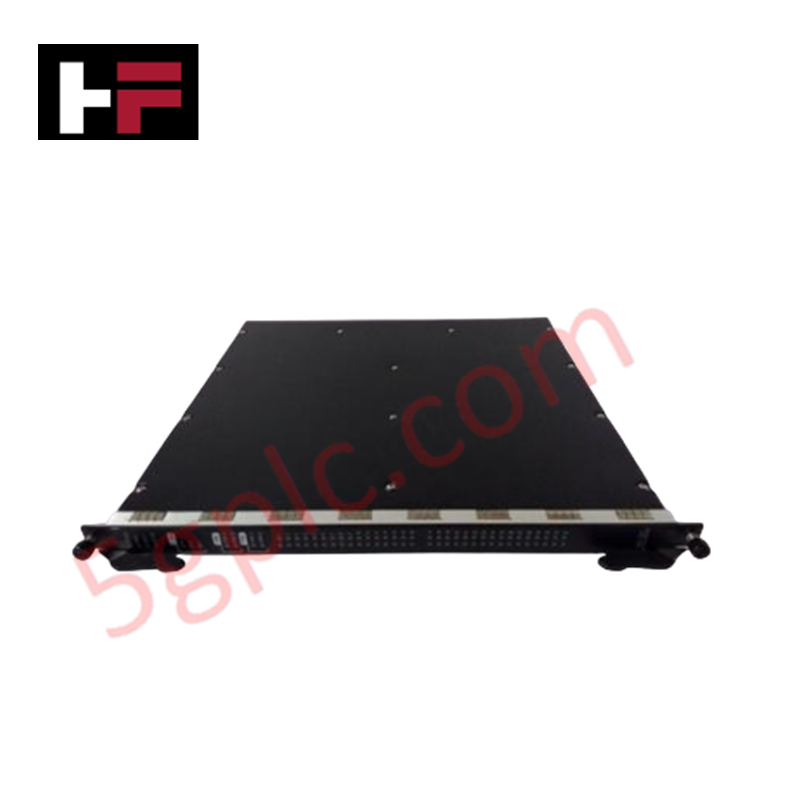
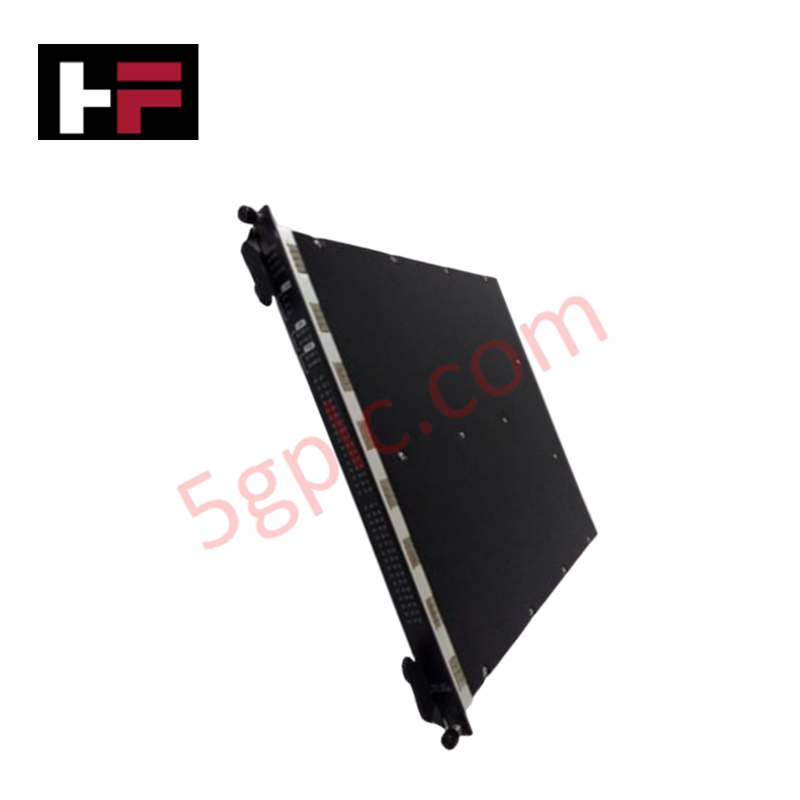
The Yokogawa CR5-PA*A, also cataloged as the CR5-PA Temperature Input Module, operates as a dedicated hardware component for temperature signal conditioning and 8-channel field input processing within CENTUM CS 3000 and AS-E9730CA-03 platforms. It converts field thermocouple or RTD inputs and provides 8 output channels while handling protocol conversion to internal serial and CAN field buses.
Hardware Specifications
| Parameter | Specification |
|---|---|
| Model | CR5-PA*A (CR5-PA Suffix A) |
| Brand | Yokogawa |
| Origin | Japan |
| Weight | 0.5 kg |
| Dimensions | DIN Rail Mount standard enclosure dimensions |
| Operating Temp | 0 to 55 deg C |
| Power Consumption | Up to 6 W (typical, depending on configuration) |
| Input Channels | 8 Temperature Inputs |
| Output Channels | 8 Outputs |
| Communication Protocols | Modbus RTU, CANopen |
| Maximum Data Rate | 1 Mbps |
| System Compatibility | CENTUM CS 3000, AS-E9730CA-03 |
Cold Junction Compensation (CJC) and Process Control Instrumentation
The CR5-PA*A incorporates cold junction compensation (CJC) reference circuits across its 8 temperature input channels to maintain accurate thermal emf conversion during ambient temperature fluctuations. Designed to stream real-time thermal telemetry into Yokogawa process control platforms, the module processes analog input signals and formats process variables for transmission over Modbus RTU and CANopen networks at data rates up to 1 Mbps. Internal channel-to-channel isolation and signal conditioning circuits protect backplane communications from field-side ground loops and common-mode noise.
Frequently Asked Questions
Q: What communication protocols are supported by the CR5-PA*A module for data transmission?
A: The module supports Modbus RTU and CANopen protocols, achieving maximum network data rates of up to 1 Mbps.
Q: What is the power consumption profile of the CR5-PA*A during operation?
A: Typical power consumption is up to 6 W, depending on active channel usage and output signal configuration.
Q: How is the CR5-PA*A module physically mounted within a control cabinet?
A: The module is designed with an integrated mounting mechanism for standard industrial DIN rail installation.
Field Installation Guidelines
- ESD Protection: Wear a grounded anti-static wrist strap when handling the module assembly to prevent damage to sensitive internal components.
- DIN Rail Installation: Hook the top mounting latch onto the 35 mm DIN rail and push the module downward until the bottom spring clip locks securely.
- Shield Grounding: Terminate temperature sensor cable drain wires to a single dedicated instrument earth bar to prevent circulating ground currents from compromising measurement accuracy.
- Wiring Separation: Route low-voltage temperature input leads away from AC power lines and high-current motor cables inside cabinet wire ducts to minimize electromagnetic interference.
Additional Information
- 100% Genuine Parts: All products are original and authentic, ensuring reliable industrial performance.
- 30-Day Refund Guarantee: Return any in-stock item within 30 days in original, unopened packaging for a full refund (excluding shipping and fees).
- 12-Month Warranty: Covers defects in materials or workmanship; excludes misuse, normal wear, or unauthorized modifications.
- Worldwide Shipping: We ship via USPS, UPS, FedEx, and DHL. Delivery times vary by country and may be subject to customs or import fees.
- Support & Contact: Technical and warranty assistance is available anytime. Contact us here: Contact.
- Purchase Guidance: Check product specifications and compatibility carefully before ordering to ensure proper application.





Tech & Buying Guide

Mastering Wire Identification in Industrial Automation: The Power of Ferrules and Cross-Ferruling
Proper wire labeling forms the cornerstone of reliable control system installation and long-term maintenance. In complex industrial automation environments, technicians terminate thousands of conductor ends inside control panels, marshalling racks, and field junction boxes. Ferrules serve as individual tube-shaped sleeve markers slipped onto conductors before final termination. While technicians historically relied on pre-printed individual letter rings, modern control panel builders utilize automated ferrule printing machines. These thermal-transfer printers generate durable, single-sleeve heat-shrink tags directly matching approved wiring schematics, significantly accelerating cabinet assembly workflows.

Understanding Marshalling Cabinets in Industrial Automation and Control Systems
Marshalling cabinets serve as the crucial connection hub between field instruments and centralized processing units. In large DCS and PLC control system architectures, hundreds of multipair field cables run from local junction boxes to the central instrument equipment room. The marshalling cabinet houses field terminal blocks, surge arresters, intrinsic safety isolation barriers, and interposing relays. By segregating field field-wiring terminations from sensitive processor hardware, engineers protect expensive controller backplanes from high-voltage transients. Consequently, this modular separation dramatically streamlines maintenance workflows and simplifies system expansion.

Essential Best Practices for PLC Wiring and Installation in Industrial Automation
Successful control system deployment begins with thoroughly reviewing manufacturer technical documentation. Controllers from major brands like Allen-Bradley, Siemens, and Schneider Electric feature unique terminal layouts. Engineers must verify voltage requirements before connecting power cables to prevent catastrophic equipment damage. Standard line connections require strict adherence to regional electrical codes and proper wire color coding. Furthermore, panel builders should always establish a robust low-impedance ground connection using at least 16-AWG copper conductor tied directly to the main plant grounding grid.