












Product Details
Product Overview
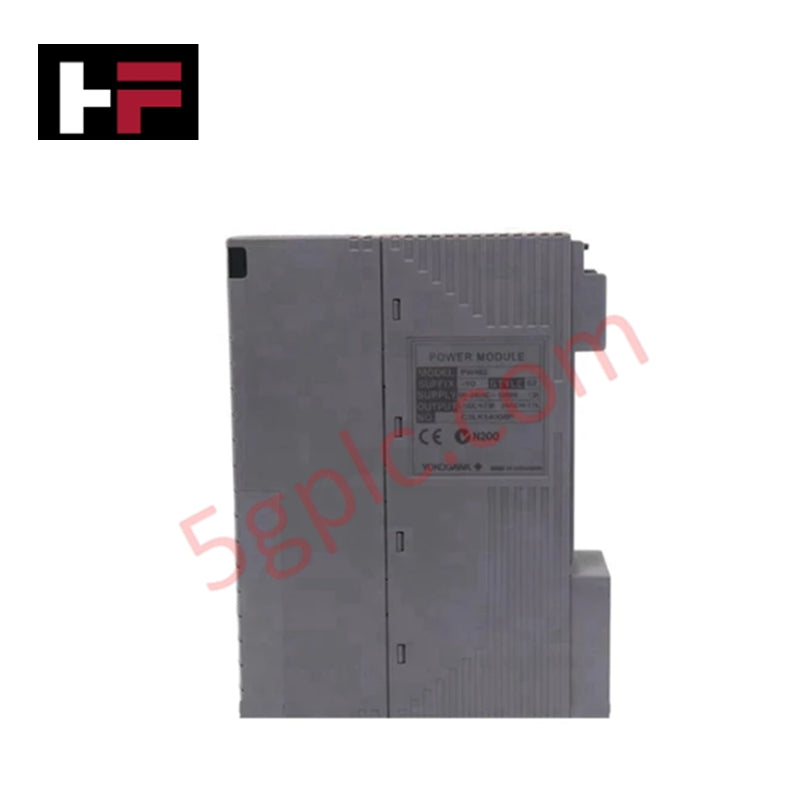
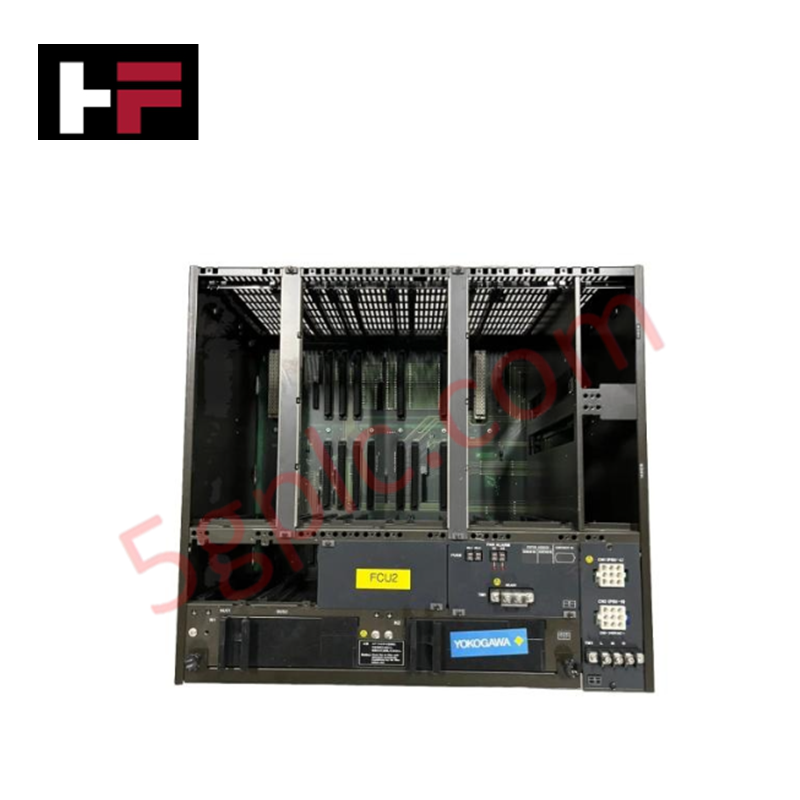
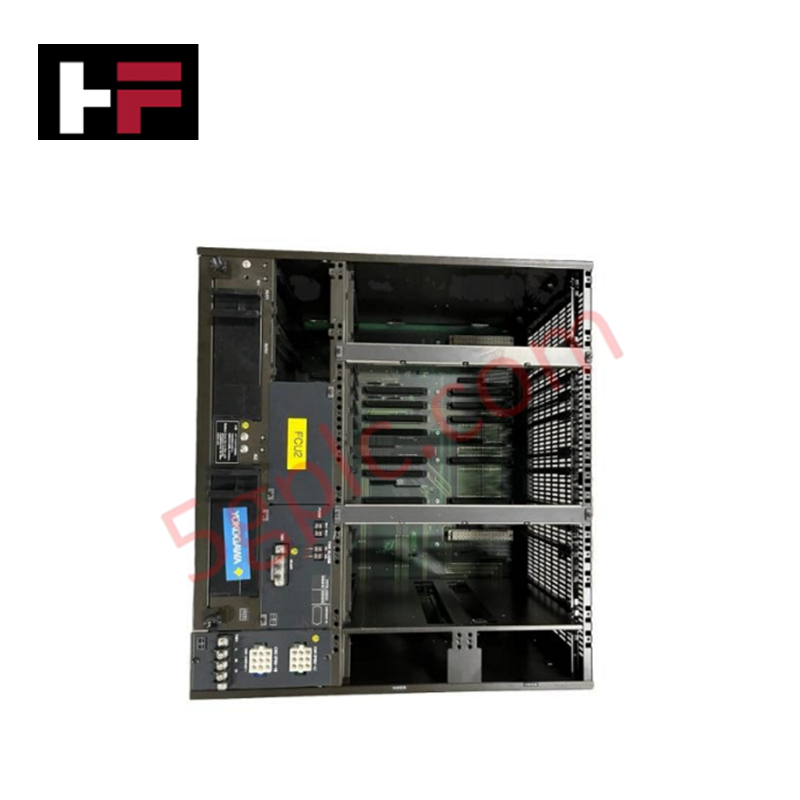
The Yokogawa ANB10D-425/CU2T functions as a critical interface node for the CENTUM VP distributed control system. It provides the essential physical and logical connection between the ESB bus and various I/O modules. This specific configuration supports dual-redundant communication and power, ensuring zero single-point-of-failure for high-availability process environments. We supply this unit as 100% Brand New and factory-certified for immediate deployment in mission-critical automation loops.
Part Number Breakdown
The ANB10D series utilizes a detailed suffix and option code logic to match specific site requirements. The ANB10D-425/CU2T breaks down as follows:
| Code | Definition |
| ANB10D | Node Unit for Dual-Redundant ESB Bus |
| -4 | Dual-redundant power supply for maximum uptime |
| 2 | 220 - 240 V AC power supply voltage |
| 5 | Basic type (Non-explosion protected) |
| /CU2T | Connector Unit for ESB Bus (Includes necessary hardware for bus termination) |
Technical Specifications
The ANB10D-425/CU2T provides robust performance parameters designed for continuous industrial operation:
-
Power Supply: Dual-redundant 220-240 V AC, 50/60 Hz
-
Bus Support: ESB Bus (Enhanced Service Bus)
-
Communication Speed: High-speed real-time data transmission
-
I/O Capacity: Supports multiple local I/O modules per node unit
-
Mounting: 19-inch rack mount or surface mount options
-
Ambient Temperature: 0 to 50°C (Operating)
-
Ambient Humidity: 5 to 95% RH (Non-condensing)
-
Hardware Inclusion: Includes S9562FA Connector Units (2 pieces) via /CU2T option
Engineering Advantages
The ANB10D-425/CU2T solves complex integration challenges through high-availability engineering:
-
Elimination of Downtime: The dual-redundant power supply (-4) allows the node to continue operation even if one power feed or internal power module fails. Maintenance teams can replace a faulty power source without stopping the process.
-
Deterministic Data Flow: The ESB bus architecture ensures high-speed, predictable data updates. This prevents control lag in fast-acting loops such as turbine control or high-pressure chemical reactors.
-
Simplified Bus Connectivity: The /CU2T option provides pre-configured connector units (S9562FA). This eliminates the need for manual cable fabrication and ensures impedance-matched connections for the ESB bus, reducing signal reflections and communication errors.
-
Scalable Architecture: This node unit serves as the backbone for system expansion. Engineers can easily add I/O modules to the node to increase point counts without restructuring the entire DCS network.
FAQs
-
Does the ANB10D-425/CU2T include the ESB bus cables?
The unit includes the /CU2T connector units required for the bus connection, but you must order the specific ESB bus cables separately based on the required length between nodes.
-
Can I mix different voltage inputs in a dual-redundant setup?
No. The "-2" suffix specifies a 220-240 V AC requirement for both power inputs to maintain balanced load sharing and module longevity.
-
Is this module compatible with ProSafe-RS safety systems?
While the ANB10D is a CENTUM VP standard node, Yokogawa typically utilizes the SNB10D for safety-related ESB bus applications. Verify your system's safety integrity level (SIL) requirements before installation.
-
How do I verify the "Brand New" status of the unit?
Each unit ships in original Yokogawa protective packaging with a matching serial number on the hardware and the factory box. We provide full traceability to ensure you receive a 100% original, unused product.
Additional Information
- 100% Genuine Parts: All products are original and authentic, ensuring reliable industrial performance.
- 30-Day Refund Guarantee: Return any in-stock item within 30 days in original, unopened packaging for a full refund (excluding shipping and fees).
- 12-Month Warranty: Covers defects in materials or workmanship; excludes misuse, normal wear, or unauthorized modifications.
- Worldwide Shipping: We ship via USPS, UPS, FedEx, and DHL. Delivery times vary by country and may be subject to customs or import fees.
- Support & Contact: Technical and warranty assistance is available anytime. Contact us here: Contact.
- Purchase Guidance: Check product specifications and compatibility carefully before ordering to ensure proper application.

Tech & Buying Guide

Navigating Industrial Automation Failures: Types, Causes, and Mitigation Strategies
Modern manufacturing relies heavily on automated control systems to maximize throughput and maintain product quality. However, unplanned downtime in industrial automation can cost facility operators thousands of dollars per hour. Understanding how programmable logic controllers (PLCs), distributed control systems (DCS), and field instrumentation fail empowers engineering teams to implement robust preventive maintenance strategies.

Essential Motion Control Commands: A Practical Guide for Engineers
Automation engineers often rely on precise position and speed control to drive modern factory machinery. Modern industrial systems, such as Programmable Logic Controllers (PLCs) and Distributed Control Systems (DCS), depend heavily on standardized motion instructions. Mastering these commands ensures operational safety, protects mechanical components, and optimizes cycle times across production lines.

The Role of Intrinsic Safety Barriers in PLC and DCS Architectures
Implementing robust protection in hazardous industrial environments represents a fundamental safety requirement in factory automation. Process facilities often handle volatile gases, dusts, and chemical agents that pose significant combustion risks. Consequently, control system engineers must deploy energy-limiting interfaces to isolate safe-area control cabinets from hazardous-area field instrumentation. This article examines the function, selection, and electrical principles of intrinsic safety barriers within modern PLC and DCS networks.