













Product Details
Product Overview
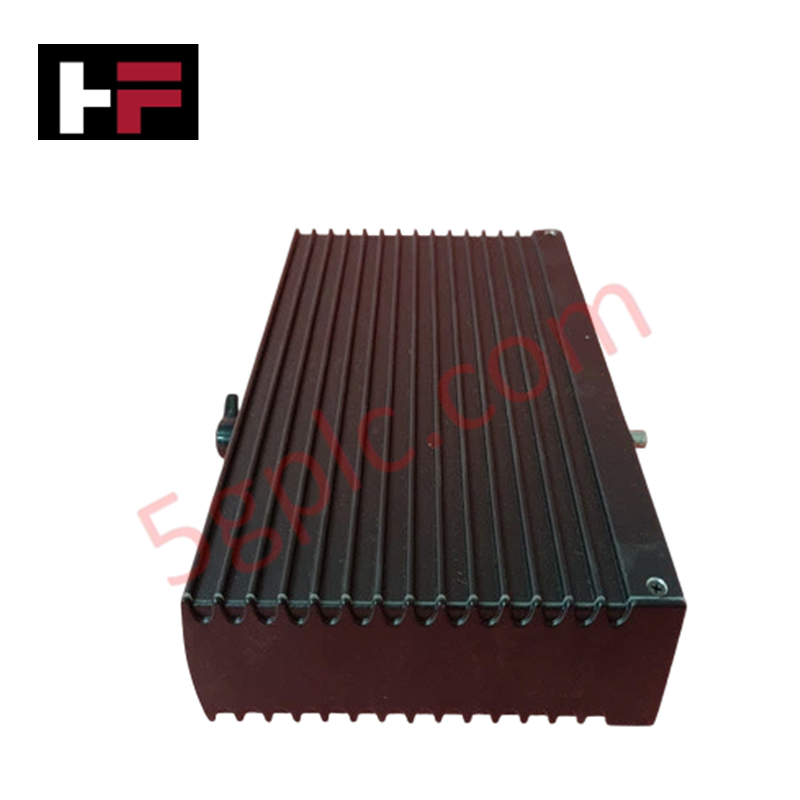
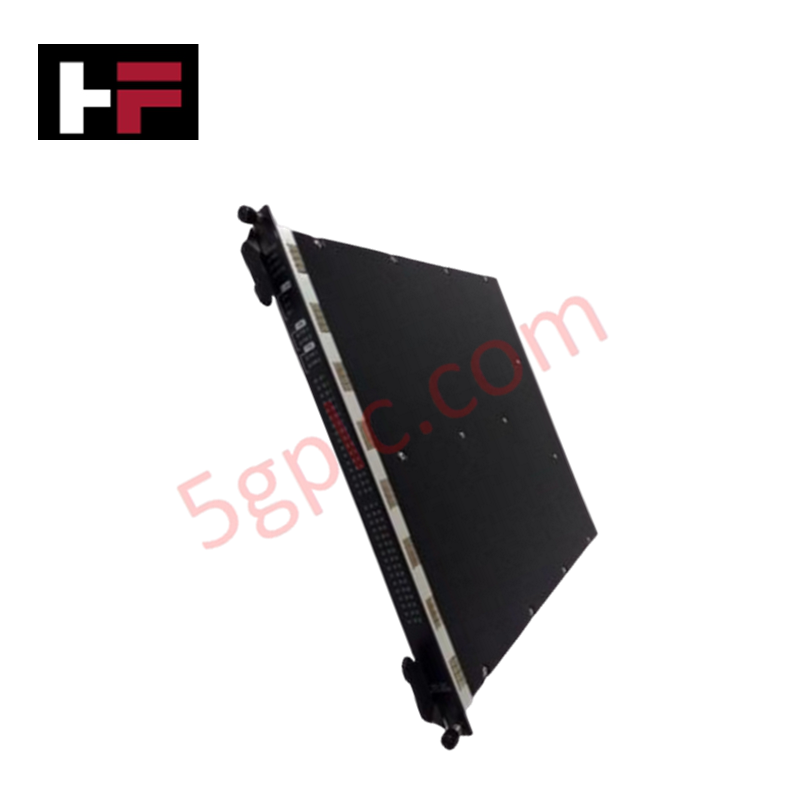
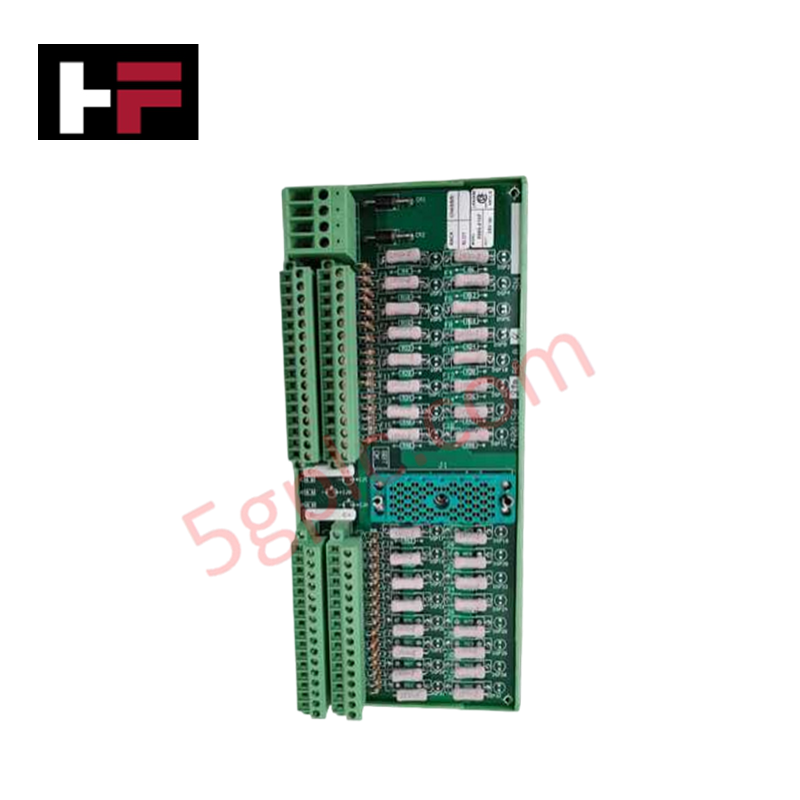
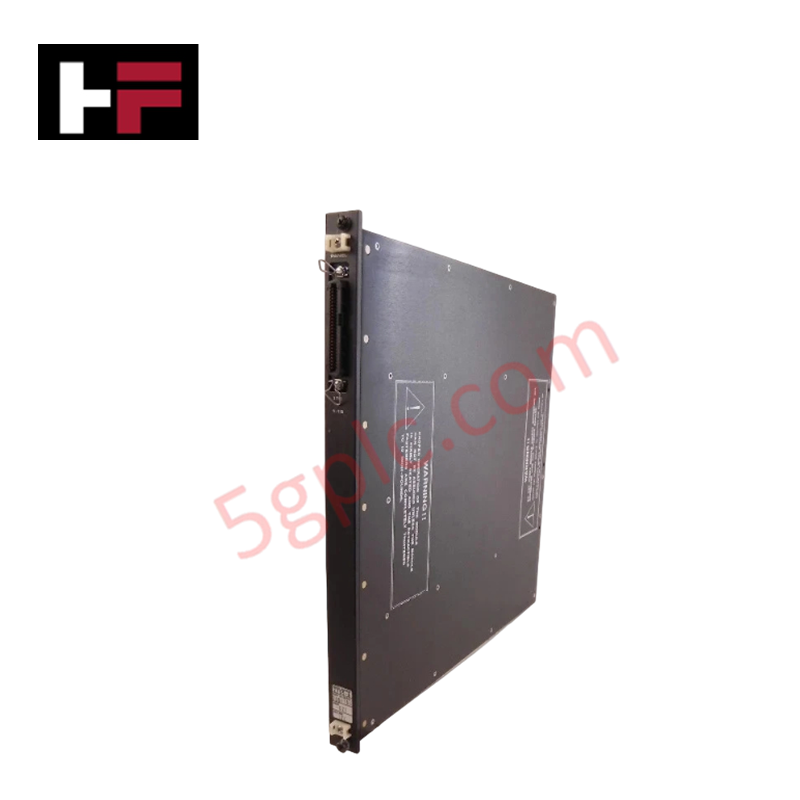
The Triconex AO3481 (also identified as 3481) acts as the high-integrity interface between the Tricon controller and critical field final control elements. This 4-channel analog output module converts digital commands into precise 4-20 mA signals to drive modulating valves, actuators, and motor controllers. By utilizing Triple Modular Redundancy (TMR) technology, the AO3481 ensures continuous operation even during internal hardware failures, making it a cornerstone for Emergency Shutdown (ESD) and Fire & Gas (F&G) systems. We supply this unit as 100% Brand New and Original factory-sealed stock.
Technical Specifications
| Feature | Specification |
| Model Number | AO3481 / 3481 |
| Number of Channels | 4 Isolated Channels |
| Output Signal Range | 4–20 mA |
| System Accuracy | ±0.25% of full scale |
| Resolution | 12 bits |
| Response Time | < 1 ms |
| Power Supply | 24 VDC Nominal |
| Technology | Triple Modular Redundancy (TMR) |
| Fault Isolation | Onboard Diagnostic Logic |
Engineering Advantages
-
TMR Fault Tolerance: The AO3481 executes hardware voting across three independent internal signal paths. If a component fails within one path, the remaining two maintain the 4-20 mA output without a bump in the signal, preventing nuisance plant trips and maintaining process stability.
-
Galvanic Channel Isolation: Individual isolation for each of the four channels blocks signal noise and ground loops. This protection ensures that electromagnetic interference (EMI) from high-power variable frequency drives (VFDs) or heavy machinery does not corrupt the sensitive control signals.
-
Sub-Millisecond Response: The module achieves a response time of less than 1 ms. This ultra-fast execution allows the safety system to close valves or throttle turbines almost instantaneously during critical over-pressure or over-speed events.
-
Comprehensive Diagnostics: Advanced diagnostic algorithms monitor the output circuit's health in real-time. The module detects and isolates field-side faults or internal drifts immediately, providing maintenance teams with actionable data to perform hot-swap replacements before a total system shutdown occurs.
FAQs
-
Does the AO3481 / 3481 support hot-swapping under live power? Yes. The Tricon chassis architecture allows you to remove and replace the AO3481 module without powering down the system or interrupting the process, provided the redundant module remains healthy and active.
-
What is the benefit of the 12-bit resolution in a safety system? The 12-bit resolution provides high granularity for the 4-20 mA signal. This precision enables the controller to make very fine adjustments to modulating control valves, reducing mechanical wear and optimizing fuel or chemical flow in sensitive processes.
-
Is there a difference between the AO3481 and the 3481 model numbers? In the Triconex ecosystem, the "AO" prefix specifically denotes "Analog Output," while 3481 is the numerical model designation. Both refer to the same physical 4-channel TMR hardware and are cross-compatible within the same series.
Additional Information
- 100% Genuine Parts: All products are original and authentic, ensuring reliable industrial performance.
- 30-Day Refund Guarantee: Return any in-stock item within 30 days in original, unopened packaging for a full refund (excluding shipping and fees).
- 12-Month Warranty: Covers defects in materials or workmanship; excludes misuse, normal wear, or unauthorized modifications.
- Worldwide Shipping: We ship via USPS, UPS, FedEx, and DHL. Delivery times vary by country and may be subject to customs or import fees.
- Support & Contact: Technical and warranty assistance is available anytime. Contact us here: Contact.
- Purchase Guidance: Check product specifications and compatibility carefully before ordering to ensure proper application.





Tech & Buying Guide

Mastering Wire Identification in Industrial Automation: The Power of Ferrules and Cross-Ferruling
Proper wire labeling forms the cornerstone of reliable control system installation and long-term maintenance. In complex industrial automation environments, technicians terminate thousands of conductor ends inside control panels, marshalling racks, and field junction boxes. Ferrules serve as individual tube-shaped sleeve markers slipped onto conductors before final termination. While technicians historically relied on pre-printed individual letter rings, modern control panel builders utilize automated ferrule printing machines. These thermal-transfer printers generate durable, single-sleeve heat-shrink tags directly matching approved wiring schematics, significantly accelerating cabinet assembly workflows.

Understanding Marshalling Cabinets in Industrial Automation and Control Systems
Marshalling cabinets serve as the crucial connection hub between field instruments and centralized processing units. In large DCS and PLC control system architectures, hundreds of multipair field cables run from local junction boxes to the central instrument equipment room. The marshalling cabinet houses field terminal blocks, surge arresters, intrinsic safety isolation barriers, and interposing relays. By segregating field field-wiring terminations from sensitive processor hardware, engineers protect expensive controller backplanes from high-voltage transients. Consequently, this modular separation dramatically streamlines maintenance workflows and simplifies system expansion.

Essential Best Practices for PLC Wiring and Installation in Industrial Automation
Successful control system deployment begins with thoroughly reviewing manufacturer technical documentation. Controllers from major brands like Allen-Bradley, Siemens, and Schneider Electric feature unique terminal layouts. Engineers must verify voltage requirements before connecting power cables to prevent catastrophic equipment damage. Standard line connections require strict adherence to regional electrical codes and proper wire color coding. Furthermore, panel builders should always establish a robust low-impedance ground connection using at least 16-AWG copper conductor tied directly to the main plant grounding grid.