










Product Details
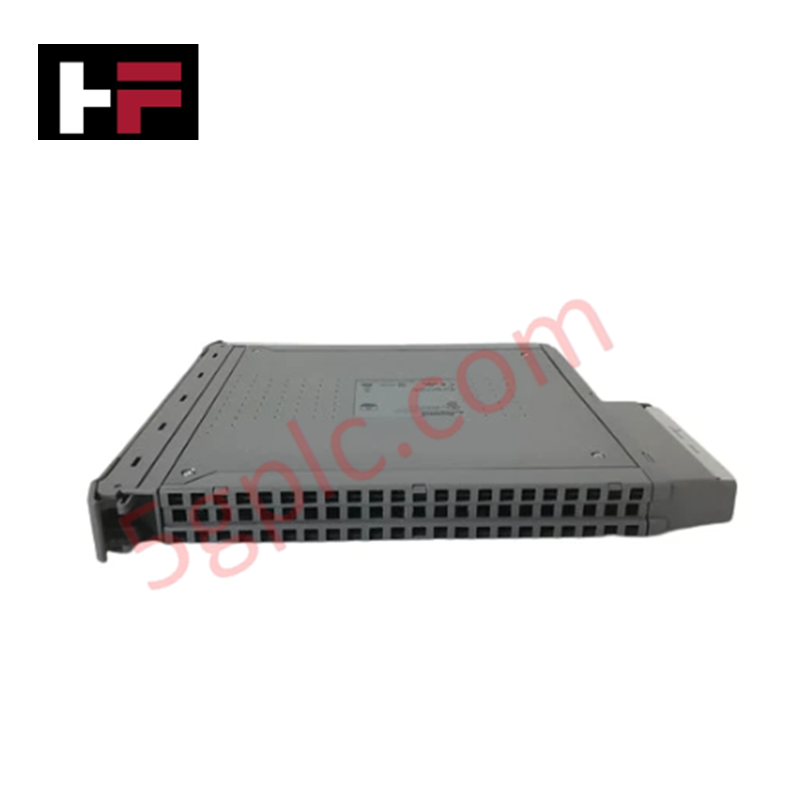
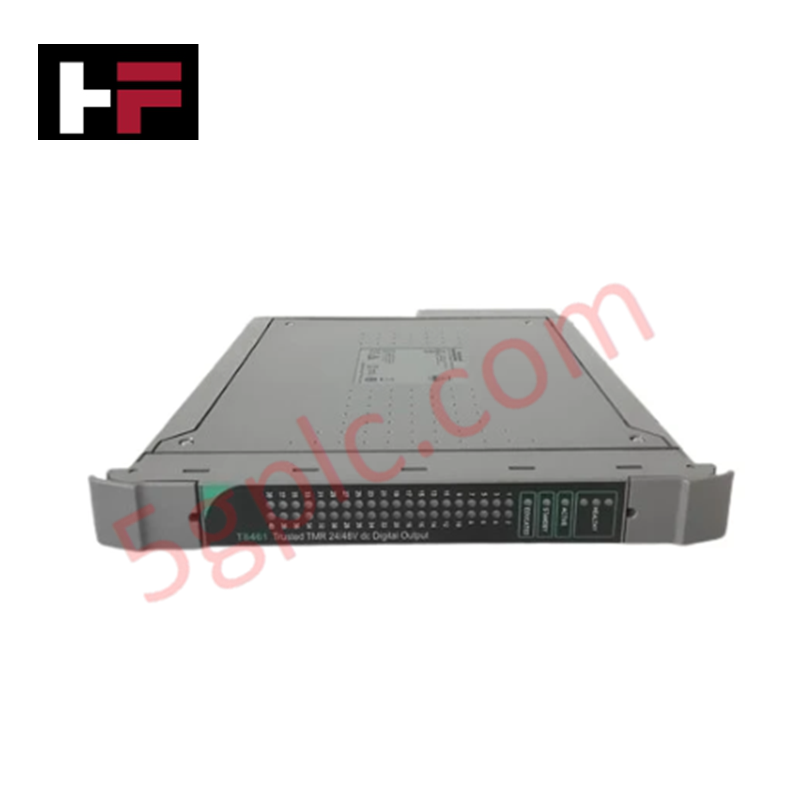
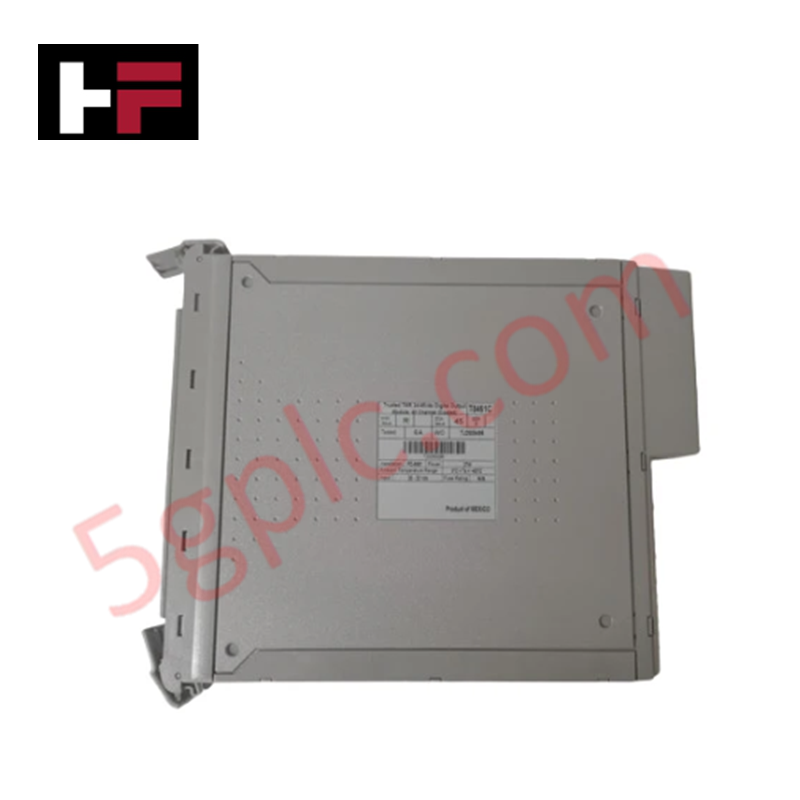
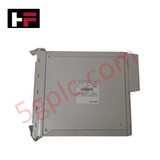
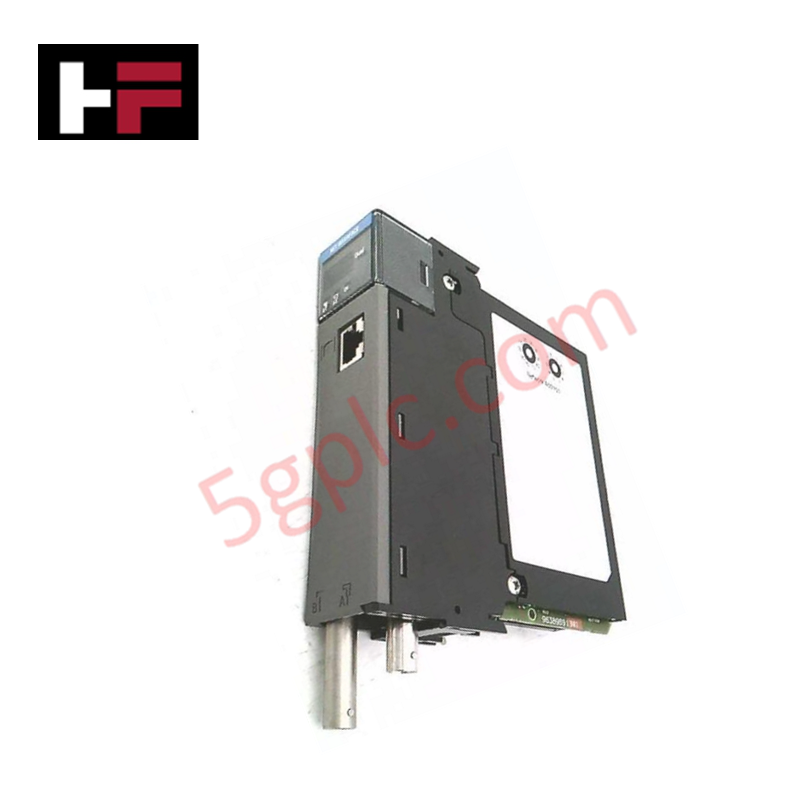
Configured for signal routing in Trusted TMR control systems, the ICS Triplex T8153 (T8153 Communications Interface Adapter) provides direct physical and electrical execution. The unit facilitates 32-channel signal output interfacing, managing 24 VDC digital loads with dedicated TMR-compliant processing paths to ensure synchronization across the control network.
Hardware Specifications
| Parameter | Specification |
|---|---|
| Model | T8153 |
| Brand | ICS Triplex |
| Origin | Not Specified |
| Weight | 0.8 kg |
| Dimensions | 16 cm x 16 cm x 12 cm |
| Operating Temp | -40 deg C to +70 deg C |
| Power Consumption | 6.5 W at 24 VDC |
| Output Channels | 32 (TMR) |
| Output Type | 24 VDC, 2 A per channel |
| Response Time | < 2 ms |
| Isolation Voltage | 1500 Vrms channel-to-bus |
Triple Modular Redundancy (TMR) Architecture
The T8153 utilizes a triple modular redundancy (TMR) 2oo3 architecture to execute output commands. Three independent internal logic processors verify output states through a voting mechanism. If a hardware discrepancy is detected within one of the three channels, the module isolates the faulty path, preventing erroneous signal propagation while maintaining continuous output control. This design ensures that the fail-safe state execution is triggered only upon confirmed system logic requirements, minimizing spurious interruptions in the output field loops.
Frequently Asked Questions
Q: Does the T8153 support online hot-swapping?
A: Yes, the module supports hot-swapping within a powered Trusted TMR backplane. Ensure that the associated system software is configured to ignore diagnostic alarms during the module extraction and replacement sequence to prevent unintended safety trips.
Q: What is the isolation capability of the channel-to-bus interface?
A: The T8153 provides 1500 Vrms galvanic isolation between the field-side output channels and the internal communication bus, providing protection against transient voltage spikes and ground potential differences between field devices and the controller backplane.
Field Installation Guidelines
- Verify the 18-30 VDC power supply range before mounting the module to the backplane.
- Align the T8153 guide rails with the backplane slots to ensure the connectors seat without physical resistance or pin deformation.
- Secure the module using the front-panel mounting screws to maintain electrical ground continuity through the chassis.
- Terminate field wiring using shielded cables; verify that the shield is grounded only at the specified system reference point to avoid ground loops.
- Confirm that the off-state leakage current remains below 1 mA for the connected load devices to ensure correct state detection.
Additional Information
- 100% Genuine Parts: All products are original and authentic, ensuring reliable industrial performance.
- 30-Day Refund Guarantee: Return any in-stock item within 30 days in original, unopened packaging for a full refund (excluding shipping and fees).
- 12-Month Warranty: Covers defects in materials or workmanship; excludes misuse, normal wear, or unauthorized modifications.
- Worldwide Shipping: We ship via USPS, UPS, FedEx, and DHL. Delivery times vary by country and may be subject to customs or import fees.
- Support & Contact: Technical and warranty assistance is available anytime. Contact us here: Contact.
- Purchase Guidance: Check product specifications and compatibility carefully before ordering to ensure proper application.





Tech & Buying Guide

Understanding Safety Relays in Industrial Automation: Architecture, Operation, and Functional Safety
Standard electromechanical relays provide basic electrical isolation between low-voltage control circuits and high-power output loads. A traditional switching relay features a magnetic coil driving mechanical Common (COM), Normally-Open (NO), and Normally-Closed (NC) contacts. However, standard relays pose severe functional risks when deployed in critical safety interlock circuits. High current inrush or mechanical wear can weld contacts together permanently. If contact welding occurs in an emergency stop circuit, pressing the button fails to halt hazardous machinery movements. Consequently, global functional safety standards prohibit standard relays for critical machine guarding functions.

Mastering Wire Identification in Industrial Automation: The Power of Ferrules and Cross-Ferruling
Proper wire labeling forms the cornerstone of reliable control system installation and long-term maintenance. In complex industrial automation environments, technicians terminate thousands of conductor ends inside control panels, marshalling racks, and field junction boxes. Ferrules serve as individual tube-shaped sleeve markers slipped onto conductors before final termination. While technicians historically relied on pre-printed individual letter rings, modern control panel builders utilize automated ferrule printing machines. These thermal-transfer printers generate durable, single-sleeve heat-shrink tags directly matching approved wiring schematics, significantly accelerating cabinet assembly workflows.

Understanding Marshalling Cabinets in Industrial Automation and Control Systems
Marshalling cabinets serve as the crucial connection hub between field instruments and centralized processing units. In large DCS and PLC control system architectures, hundreds of multipair field cables run from local junction boxes to the central instrument equipment room. The marshalling cabinet houses field terminal blocks, surge arresters, intrinsic safety isolation barriers, and interposing relays. By segregating field field-wiring terminations from sensitive processor hardware, engineers protect expensive controller backplanes from high-voltage transients. Consequently, this modular separation dramatically streamlines maintenance workflows and simplifies system expansion.